The fast growth of cities has put substantial pressure on transport systems, especially in crowded areas. Urban rail systems stand out as a key part of green travel options. Yet, they bring problems too. These include shaking that wears out structures over time, loud sounds that bother nearby residents, and the push to keep riders comfortable while making the whole setup last longer.

The Role of SFFST Floating Slab Mats
To tackle these problems, Floating Slab Mats from SFFST provide a full answer. These mats act as flexible barriers between the track and the base below. They soak up shakes and cut down on sound spread. As a main part of the plans to fight vibrations, SFFST’s floating slab mats are built to improve how the area around them works. They also help operations run better. You can use them in fast trains, underground lines, and routes between cities. Many projects pick them when they need tight control over shakes.
Superior Vibration and Noise Reduction
Meeting Environmental Standards
In city train networks, following rules on the environment matters a lot for getting projects greenlit and accepted by locals. In rail fastening setups, a Floating Slab Mat means a flexible or bouncy part put between the rail and the sleeper or baseplate. It gives padding, cuts vibrations, and lowers noise. These mats help keep structural vibrations away from nearby buildings and underground pipes. With more rules pushing to cap noise in the air and through structures, SFFST floating slab mats let projects hit noise cut goals with ease.
Enhancing Acoustic Performance
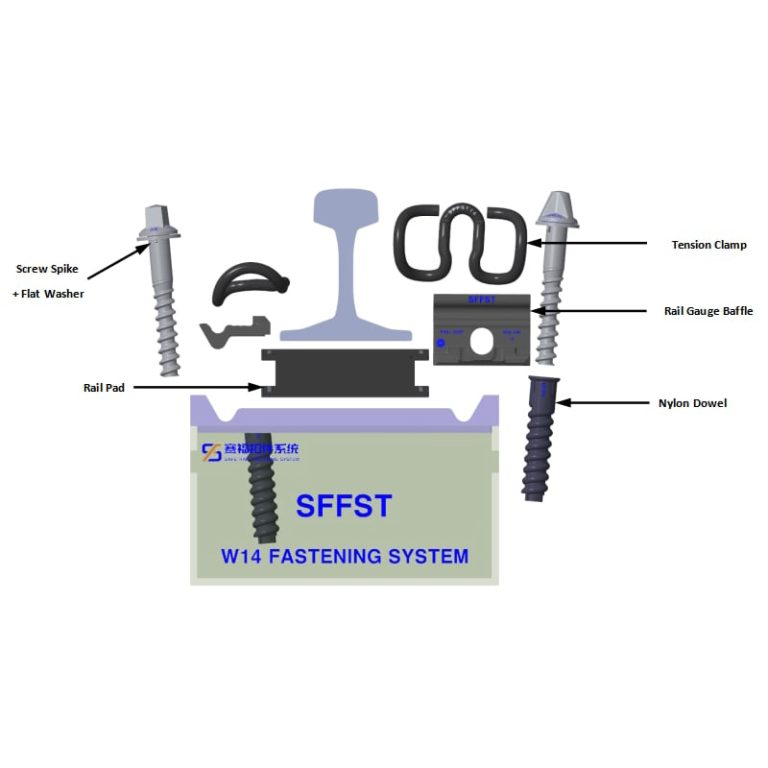
Linking floating slab mats with track parts like resilient tie pads, rail pads, and baseplate pads creates a team effect for damping. This setup stops shaky energy from spreading to the ground below or nearby spots. We call it “floating” since it lets the rail move a bit, taking in moving forces and easing the push on the sleeper and track base. This skill fits well for spots close to touchy areas, such as homes, medical centers, schools, or old landmarks.
Enhanced Passenger Comfort
Improving Ride Quality
People today expect a better feel from rail rides. Shakes from wheels meeting rails can mess with how steady the trip seems. SFFST’s floating slab mats cut these shakes a lot, which leads to even train runs. This change boosts how comfy riders feel and makes the trip seem safer.
Stability Across Speed Variations
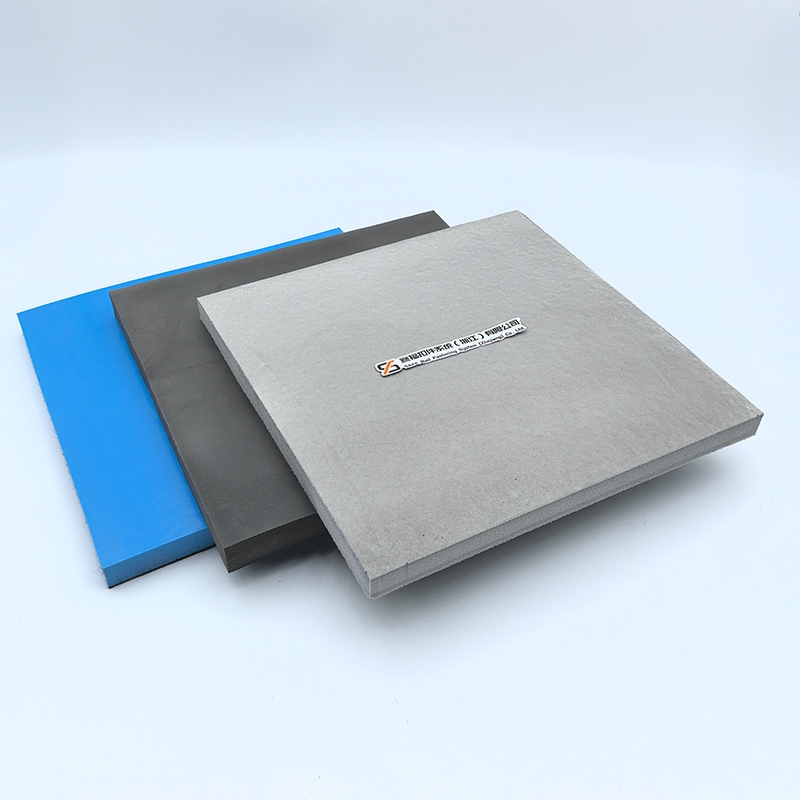
City rails often run different train kinds at changing speeds. SFFST’s floating slab mats use stuff like polyurethane or mixed rubber that holds steady under various moving loads. Polyurethane, commonly used in rail applications, offers durability and flexibility under varying temperature conditions, making it ideal for floating slab mats. SFFST has an automatic polyurethane pouring machine production line, which can produce resilient tie pad/elastic pad, baseplate pad, rail pad, etc. This steady nature suits light city trains and big ones on packed schedules alike.
Protection of Sensitive Structures Nearby
Safeguarding Precision Equipment and Heritage Buildings
In city centers where tracks run by labs, hospitals, or museums, small shakes can upset work or tire out buildings. SFFST’s floating slab mats work as shields that block track shakes from hitting these key spots. SFFST offers a diverse range of products and services, including OEM and OBM rail fastening systems for conventional, high-speed, heavy-haul, and metro applications. Plus, in old town areas, they aid in keeping delicate old structures safe from tiny shakes built up over the years. Additionally, when deployed in historical districts, these mats support the preservation of fragile architectural assets by minimizing micro-vibrational damage over time.
Urban Integration Without Compromise
SFFST’s floating slab mat systems give a solid way to fit new tracks into built-up city spots without big changes or extra costs for stronger bases. Using them can speed up getting project nods by showing they meet green rules upfront. These mats serve as resilient layers between the rail track and its foundation, absorbing vibrations and minimizing noise transmission.
Extended Track System Lifespan
Reducing Maintenance Intervals and Costs
By taking in moving loads right at the start, floating slab mats guard later parts like rail fastening systems, under sleeper pads, and rubberised level crossing pads from early breakdown. SFFST can develop, manufacture, and customize various rubber products, such as rubber pads, rubber boots, railway rubber crossing plates, etc., according to customer requirements. This leads to fewer fixes needed, which cuts running costs and keeps services on track with less downtime.
Optimizing Asset Lifecycle Management
The strong build of SFFST’s anti-vibration setups boosts the long-term worth of rail assets. They stretch the time between big checks and swaps for parts like elastic pads or track fasteners. So, owners get better returns on their spend.
Long-Term System Reliability
Consistent Anti-Vibration Performance Over Time
Lasting strength counts big in busy rail setups. SFFST’s floating slab mats come from smart mixes that keep working well even after long faces with wet changes, heat swings, and heavy wheel weights. Automatic polyurethane pouring machine production lines can produce resilient tie pad/elastic pad, baseplate pad, rail pad, etc. Each item goes through tough lab checks, like wear tests, steady firmness, and moving firmness reviews. This makes sure they hold up in daily use.
Supporting Safe Rail Operations
Steady tracks aid safe runs straight away. By cutting shaky hits on fasteners and sleepers, SFFST’s floating slab mats stop key parts from coming loose or breaking. Our specialized production lines and laboratories are equipped with over 100 sets of advanced international automation and testing equipment. This ensures that every product adheres to the highest industry standards. This solid build creates a safer space for crews and riders.
Conclusion
City transit lines today deal with many issues, from meeting green rules to making setups last and keeping riders happy. As an established manufacturer in the railway fastener industry, we at SFFST provide integrated solutions that address these very challenges head-on.
Our Floating Slab Mat products are not merely passive components—they are strategic enablers of smoother operations, quieter environments, better ROI, and expanded project feasibility in complex urban landscapes. For stakeholders seeking proven performance in anti-vibration design—be it for metro expansion or intercity upgrades—SFFST stands ready as your EPC+M+O partner in delivering fastening excellence.
FAQ
Q: What is the function of a floating slab mat in rail transit?
A: It serves as an elastic buffer between the rail track and foundation to absorb vibrations and reduce noise transmission to surrounding structures. In the context of rail fastening systems, a Floating Slab Mat refers to an elastic or resilient component placed between the rail and the sleeper (or baseplate) to provide cushioning, vibration damping, and noise reduction.
Q: How do SFFST floating slab mats contribute to long-term cost savings?
A: By reducing dynamic stress on track components like fasteners and sleepers, they minimize wear-and-tear and extend maintenance intervals—lowering the total cost of ownership.
Q: Are these mats suitable for use near sensitive buildings or instruments?
A: Yes, they effectively isolate rail-induced vibrations from surrounding environments such as hospitals, labs, or heritage buildings. These mats play a pivotal role in isolating vibration from surrounding structures such as buildings and underground utilities.
Q: Can SFFST customize floating slab mats for specific project needs?
A: Absolutely. We provide customized solutions based on client specifications using advanced materials like polyurethane or composites. SFFST is capable of not only producing a wide range of internationally common types of floating slab mat, but also customizing products tailored to our customers’ specific requirements.
Q: What certifications do SFFST products comply with?
A: Our products meet international standards such as EN 13146 & EN 13481 and domestic TB standards under CRCC certification. Comprehensive laboratory facilities ensure all products meet rigorous standards, including EN 13146, EN 13481 internationally, and TB standards domestically in China.