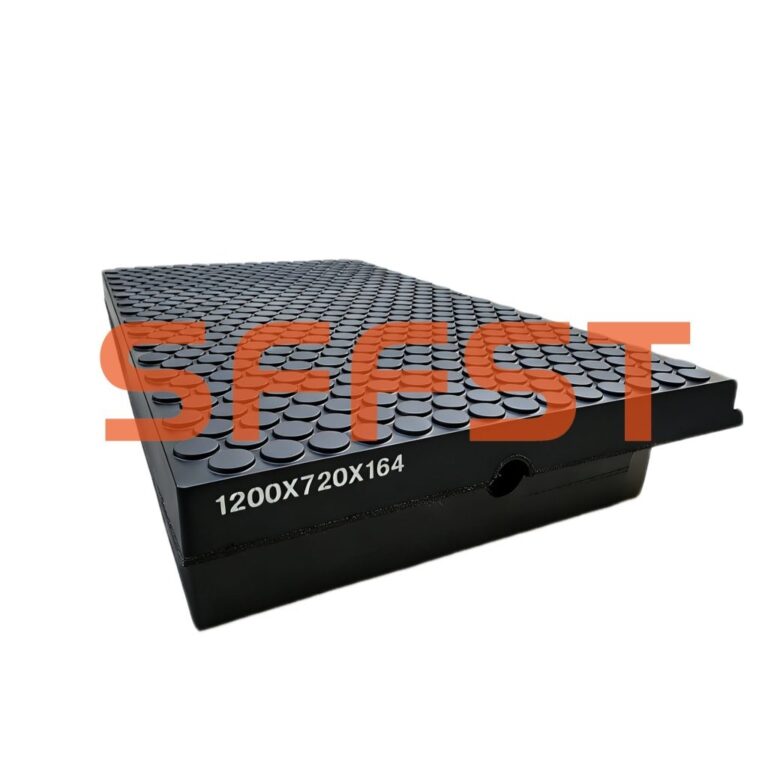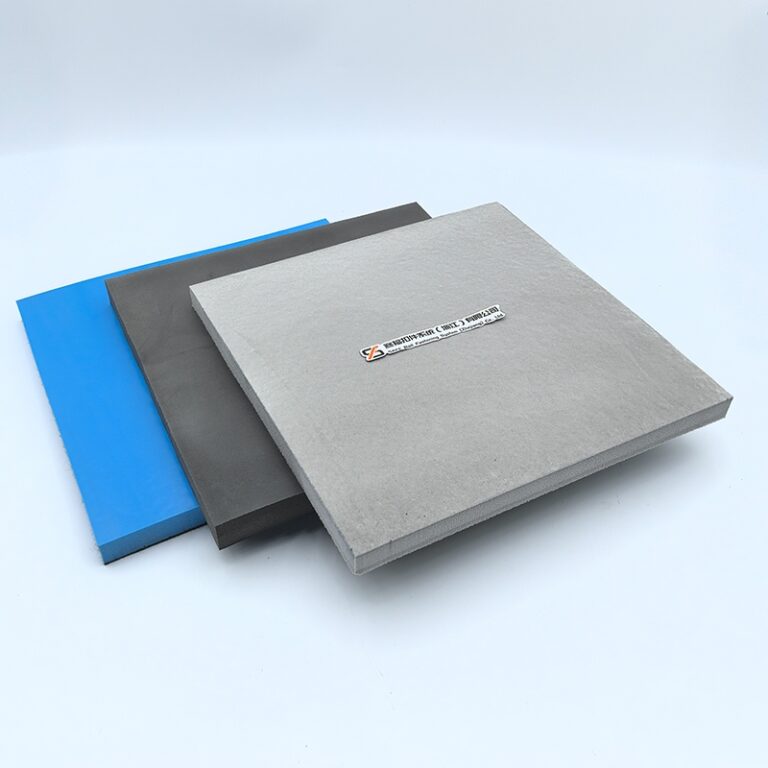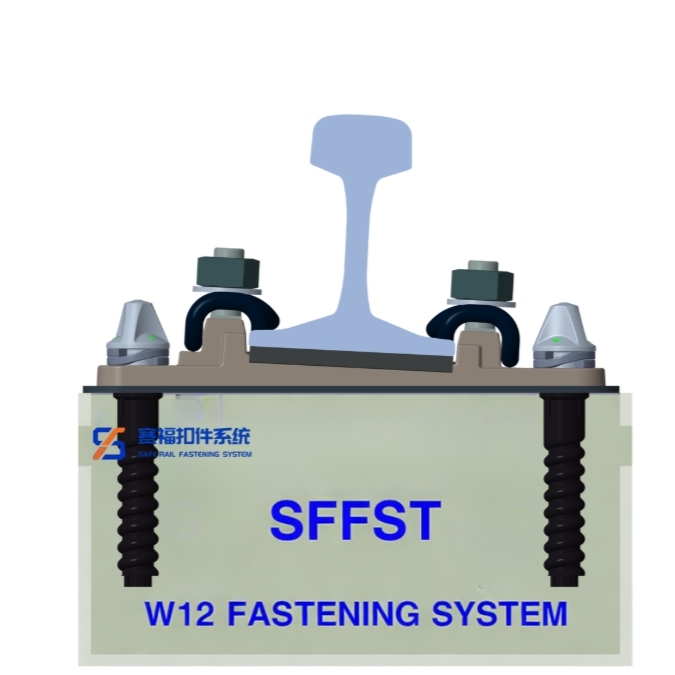
Railway systems rely on a range of components working in unison for optimal performance. These include rails, sleepers, baseplates, clips, and others. People often talk about big items like rails and sleepers. Yet, smaller pieces quietly keep everything steady. Rail fastening components, including dowels, play a critical role in securing rail sections and maintaining alignment.
Although dowels are small components, they are vital to the integrity of the railway fastening system, contributing to track alignment and stability. They create strong links, extend the life of parts, and handle tough working conditions.
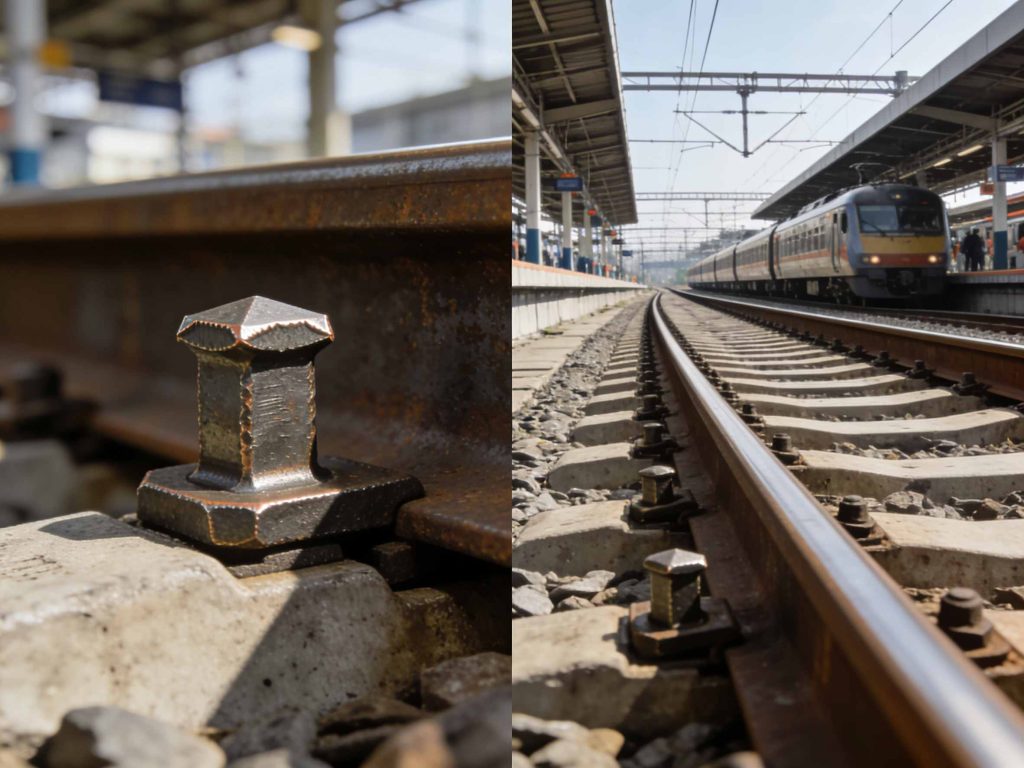
Why Focus on Dowels
Dowels act as important connectors in the rail fastening system. They sit inside concrete sleepers and hold fasteners like bolts or clips. This setup keeps the rail alignment exact. Such anchoring boosts overall strength. It also cuts down on shaking and side-to-side shifts when trains go by. Their role in safety and track durability stands out clearly.
As an OEM manufacturer, SFFST can make many standard types of dowels used around the world. We also build custom items to fit what customers need exactly. This approach lets us serve different railway setups and weather challenges.
Understanding Dowels in Railway Systems
What Are Dowels
In railway tracks, a dowel is a round piece set into concrete sleepers. It acts as a holder for rail bolts or screw spikes. This provides a solid connection between the sleeper and the fastening setup.
SFFST manufactures dowels using high-performance materials such as Nylon PA6, Glass-Fiber Reinforced Plastic (GFRP), Polyoxymethylene (POM), and advanced composite materials for enhanced durability and resistance to wear. We pick these for their solid build, ability to resist wear, and strength against weather effects.
Placement Within the Rail Fastening System
A standard rail fastening system has rails, baseplates, fasteners, and concrete sleepers. Workers embed dowels into holes drilled in the sleeper ahead of time. Then, they insert bolts or clips into those spots. Dowels make sure the fastening parts stay fixed during fast-moving heavy loads.
The track includes six basic parts: rails, sleepers, ballast, connecting parts, anti-climbing devices, and switches. Within this, dowels link the sleeper to fastener items like tension clamps and rail bolts.
Functional Importance of Dowels
Preventing Track Misalignment
Dowels work as steady anchors in the concrete sleeper. They hold bolts and clips in place tightly. Over time, this stops them from coming loose, which helps avoid track shifts. Trains create side and forward-back forces on the rails. A good dowel fights these forces and keeps the track width steady.
Such resistance matters a lot for safe running. It also lowers the chance of trains coming off the rails as years pass. The shape and material properties of dowels, such as their tensile strength and impact resistance, are crucial for maintaining track safety and reducing long-term maintenance requirements.
Enhancing Load Distribution
Dowels help spread out the weight in the fastening system. They lock bolts firmly, so stress moves evenly over the sleeper and baseplate. This avoids weak spots and helps parts last longer.
In places with big loads, like freight lines carrying heavy cargo, this feature proves vital. For example, in 2023, we delivered 130,000 sets of strong heavy-haul railway fastening systems to Shaanxi’s Fenghong and Jingshen Railway project. There, the solid build of dowels played a big part in the project’s outcome.
Vibration Dampening and Noise Reduction
Dowels offer another clear benefit in cutting vibrations. High-speed trains or those with heavy cargo create strong shaking. Dowels take in some of that energy thanks to their flexible materials and snug fit.
This soaking up of energy improves ride comfort for passengers. It also lowers noise levels, which counts more in city subway lines. Take the 2020 project for Chengdu Metro Line 17, a key line in western China. As a main supplier, we created an updated fastening system. In it, the quality of dowels helped control vibrations effectively.
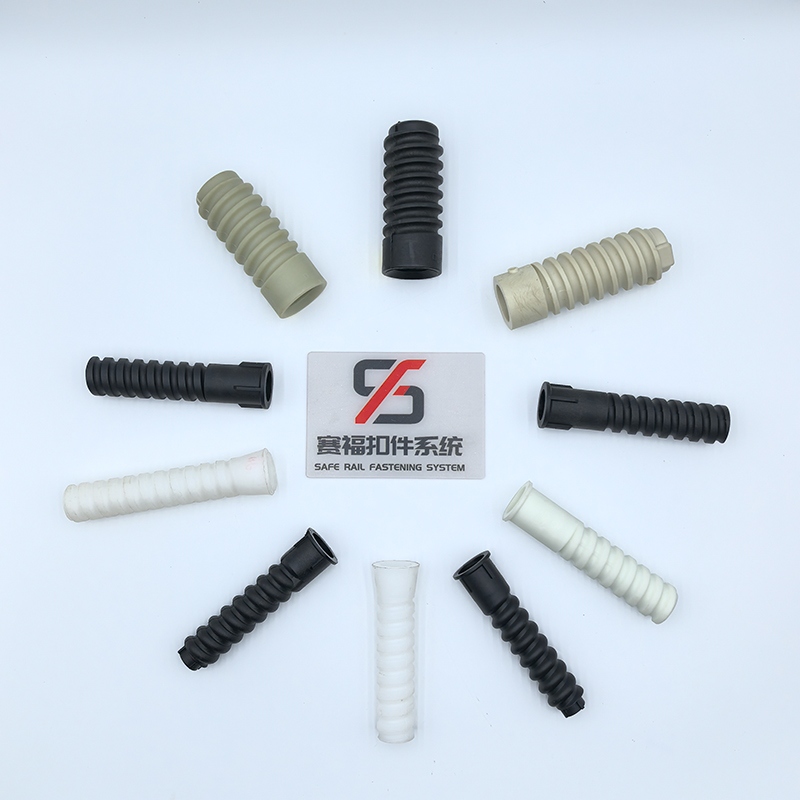
SFFST Dowels: Engineering Precision for Safe Rail
Design Characteristics of SFFST Dowels
At SFFST, we focus on accuracy in each dowel we make. We build them with close size controls to match bolts and sleeper holes perfectly. Our dowels create dependable joins. They help parts last even in rough weather and daily use. Our work with materials lets us mix custom types. For everyday jobs, we might use PA6 nylon. For spots with extra pressure, glass-fiber-reinforced composites work well.
Manufacturing Excellence at SFFST
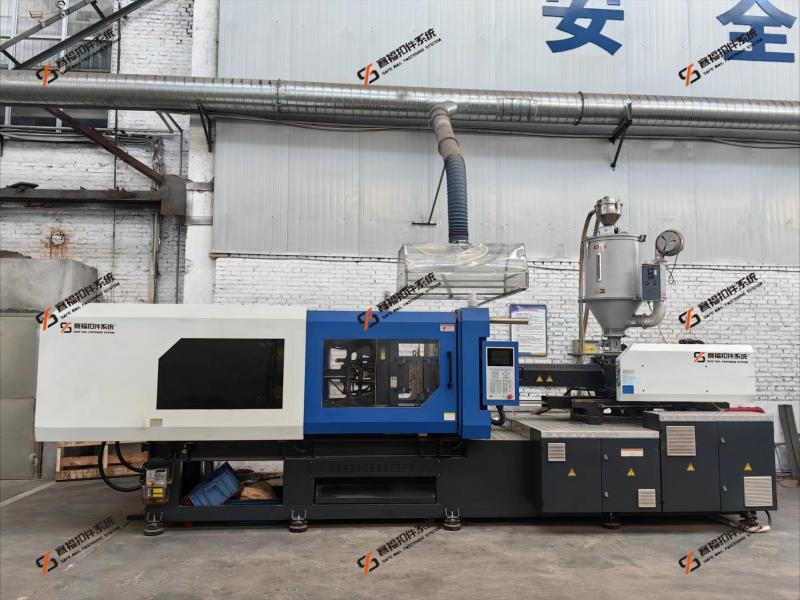
We make our dowels with modern injection molding methods. The process uses a fully automatic central feeding setup and fresh injection machines. These steps keep product quality high and speed up output.
Each batch of dowels undergoes rigorous testing in our dedicated non-metallic laboratory, adhering to international standards such as EN 13146 and EN 13481. Key tests cover tensile performance, Shore A hardness, Static Stiffness, Dynamic Stiffness, Fatigue Performance, Hot Air Aging Performance, and insulation resistance. All this makes sure every SFFST dowel meets rules like EN 13146 & EN 13481.
Integration with Railway Fastener Systems
SFFST dowels fit well with many fastening systems found globally. They work for regular lines or fast train routes. Our items blend in without issues. SFFST Rail Fastening System brings a wide choice of goods and help, including OEM and OBM rail fastening systems for regular, high-speed, heavy-haul, and metro uses. This flexible design allows easy setup and cuts time lost during fixes.
Safety Implications of Reliable Dowels
Contribution to Overall Track Integrity
The long-term stability of railway tracks is directly linked to the ability of fastening components, such as dowels, to withstand dynamic loads and environmental stresses. A firm dowel keeps bolts in place through years of heat changes and constant heavy pulls. This steadiness holds the rail shape steady. It’s crucial for fast trains, where even tiny changes in position can affect safety.
Reducing Maintenance Intervals and Costs
With their tough build and exact fit, SFFST dowels stretch out check times and cut how often parts need swapping. This directly lowers total costs for rail companies while keeping safety high. We offer customizable dowel solutions tailored to specific project requirements, ensuring optimal performance under varying operational and environmental conditions. This applies to city subways or lines hauling big freight loads.
Conclusion: Small Components, Big Impact on Safety
Dowels often get less notice than major rail parts. Still, they hold a central spot in keeping tracks safe, steady, and working well over time. Their work covers strength, weight sharing, shake control, and smooth daily runs. SFFST’s carefully made dowels mix new materials with smart production lines to meet rail needs worldwide. From busy subways in China to fast lines abroad, they fit right in. Choosing top-quality fasteners like these keeps your setup strong now and dependable later.
FAQ
Q: What is a dowel used for in railway tracks?
A: A dowel is used to secure the rail fastening system by anchoring components like baseplates to concrete sleepers, helping maintain track alignment and structural integrity.
Q: How do dowels improve railway safety?
A: Dowels prevent lateral movement, reduce vibration, and ensure stable connections between parts—all of which contribute to a safer and more reliable rail network.
Q: Are SFFST dowels compatible with all types of tracks?
A: Yes. SFFST manufactures high-quality dowels designed to integrate with various international standards for rail fastening systems, including those used in high-speed, metro, heavy-haul, and conventional lines.
Q: What materials are commonly used in SFFST’s railway fasteners?
A: SFFST uses durable materials such as engineered plastics or fiber-reinforced composites that offer high strength, wear resistance, and environmental durability.
Q: Can faulty or missing dowels cause train accidents?
A: While rare, missing or damaged dowels can cause instability in the track structure over time—leading to misalignment or even derailment if not addressed promptly.