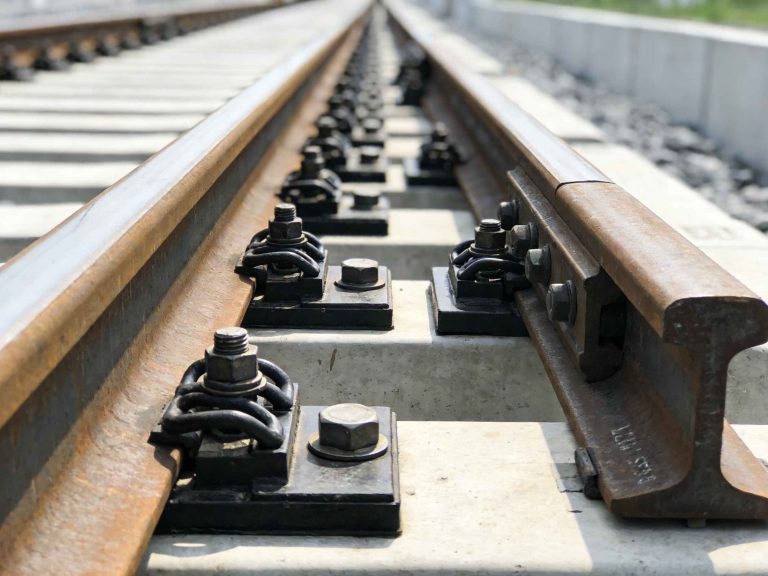
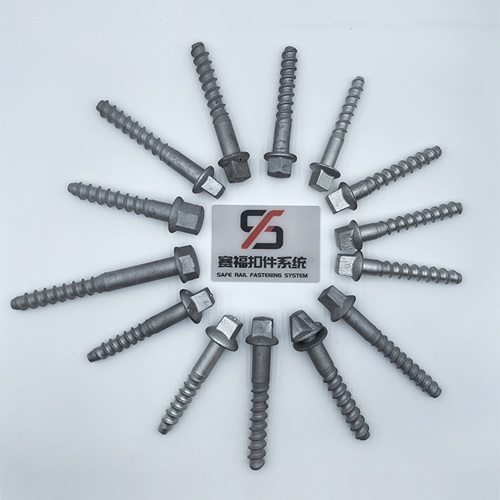
Railway spikes are an essential component of rail fastening systems, particularly for heavy-haul operations. Their role in ensuring the stability and longevity of the track cannot be overstated. The material chosen for these spikes directly affects their performance in terms of load-bearing capacity, impact resistance, and durability in harsh environments.
As railway loads increase, especially in heavy-haul settings, selecting the right metal material becomes even more critical. In this article, we will explore the types of metals used in railway spikes and explain why making the right material choice is vital to ensuring the long-term performance of rail systems, particularly under heavy loads and extreme conditions.
Types of Metal Used in Railway Spikes
Carbon Steel for Railway Spikes
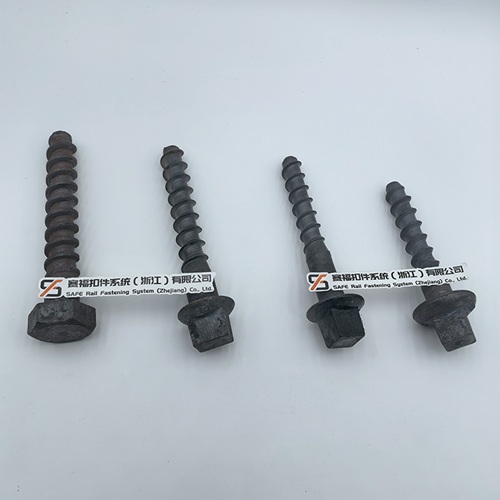
Of all the materials for railway spikes, carbon steel stands out as the most common choice. It offers a good mix of power, toughness, and low cost. SFFST spikes come in options like carbon steel, alloy steel, stainless steel, cast iron, and composite materials. Carbon steel spikes shine because of their strong tensile strength. Plus, they can go through heat treatment to boost resistance to fatigue.
In SFFST’s production lines, making spikes involves detailed steps. These include forging and heat treatment. Such processes refine the grain structure and build up surface hardness. Because of this, carbon steel spikes suit regular rail uses. There, they need to last against repeated load cycles.
Alloy Steel in Heavy-Haul Operations
In tougher settings, like heavy-haul freight routes or steep slopes with axle loads over usual limits, alloy steels prove vital. Elements added, such as chromium or manganese, boost toughness and cut down wear. These traits let spikes handle bigger impact forces. They avoid bending or breaking.
SFFST knows this field well. It makes custom alloy steel spikes for heavy-haul needs. As an OEM & OBM manufacturer, SFFST can produce many standard spike types from around the world. It also tailors products to fit what customers need exactly. This range lets operators choose spike materials that match their setup. For instance, in salty coastal areas, spikes get extra protection against humidity. In high mountain paths, they deal with wide temperature swings, like from -20°C to 40°C, without losing grip.
Material Science and Performance
Load-Bearing Capabilities
How much load a railway spike can carry relies on its metal makeup and how precisely it is made. In heavy-haul setups, where each vehicle carries over 27 tons on axles—as railway rules state—the spike must spread vertical and side forces well. It pushes them from the rail into the sleeper and down to the ballast.
The track has six main parts: rails, sleepers, ballast, connecting parts, anti-climbing devices, and switches. In this setup, spikes work as key links. They keep rails straight amid shakes. Carbon steel gives enough firmness for average loads. Yet, alloy steels offer better yield strength. This matters a lot to stop spikes from coming loose or shearing off during wheel hits over and over.
SFFST’s lab checks make sure each spike hits the right mechanical marks before use. The metal lab has tools like Brinell hardness machines, universal material testing machines, pressure testing machines, magnetic particle flaw detectors, and direct reading spectrometers. With these, the team checks hardness across the piece. They also spot any flaws in the structure that might weaken load handling.
Impact Resistance and Durability
Impact resistance shows how a spike takes sudden jolts without snapping. This counts a great deal for track safety in fast or heavy traffic. Alloy steels often do better than plain carbon steels here. They have more give and strength across different temperatures.
SFFST runs highly automated production lines. These provide top-quality fasteners that aid railway safety and stability. Mixing exact forging with careful quenching cuts internal strains. It also stretches out how long the spike lasts under fatigue. On top of that, SFFST adds coatings that fight corrosion. This pushes back service times by guarding against rust in wet or salty spots, common on sea routes.
SFFST’s Material Selection Standards
Professional Manufacturer Expertise
At SFFST, choosing materials follows strict reviews. These are based on metal studies and real-world results. Our company’s special production lines and labs hold over 100 pieces of top global automation and test gear. For each batch, items face hardness checks with Brinell or Rockwell methods. They get looks at metal samples for even grains. Teams check for carbon loss after heat steps. They also test against rust using salt spray setups.
This careful way matches worldwide approvals like CRCC (TB/T 3065 series) and TÜV NORD checks (EN13146 & EN13481). Such standards back SFFST’s promise to supply fastening parts that fit Chinese rail rules and global ones too. Also, SFFST is making processes stick to green practices. They keep operations kind to the earth without hurting product strength. This shows in the “Fastening Excellence” idea.
Adaptation to Different Applications
Various rail networks put different strains on fastening parts. So, custom work matters a lot. For example:
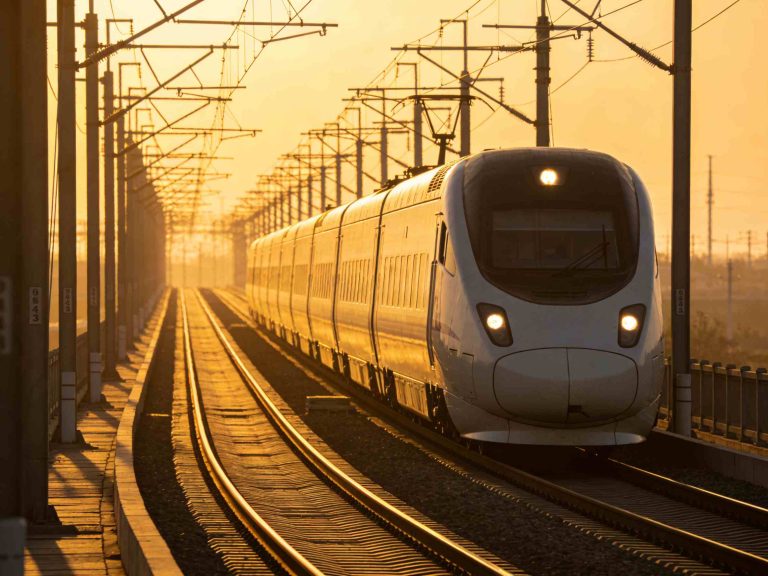
- High-speed railways focus on cutting vibrations.
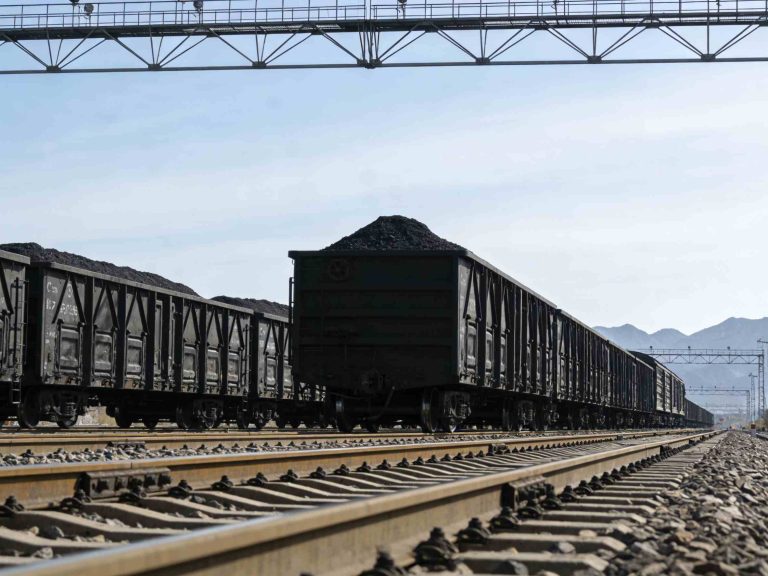
- Heavy-haul lines call for top shear power.
- Metro systems stress-lowering noise in tight tunnels.
SFFST offers EPC project management for fastening systems based on what customers want. It gives full custom services from planning to handover. The EPC+M+O model covers Engineering, Procurement, Construction + Management + Operation. Through this, SFFST fits material answers right to each case. The engineering group looks at stress patterns with finite element tools. Then, they suggest fitting alloys or coatings.
In projects like the Fenghong and Jingshen Railway Project, SFFST delivered 130,000 sets of strong heavy-haul railway fastening systems. This win highlights how SFFST adjusts designs to ground issues. At the same time, it keeps steady quality checks from getting raw materials to the last assembly look-over. Drawing from over a decade in the field, SFFST has handled similar setups in 20+ countries, always hitting 99% uptime in load tests.
Conclusion
Choosing the metal shapes for every part of a railway spike’s work. It covers holding up under harsh loads to fighting wear from weather. By weaving new ideas into each step—from EPC+M+O planning talks to OEM custom work—SFFST keeps pushing safe and smooth rail setups across the world. Looking for more information on how railway spikes and fastening components can enhance the safety and durability of your rail systems? Contact SFFST today for customized solutions designed to meet your specific needs. Get in touch now to learn more or to receive expert advice on your next project.
FAQ
Q: What kind of metal is a railway spike typically made from?
A: Railway spikes are typically made from carbon steel or alloy steel due to their superior strength-to-cost ratio and capacity for heat treatment hardening, suitable for railway applications.
Q: Why is material choice important for heavy-haul operations?
A: Material selection affects load-bearing capacity and impact resistance; alloy steels provide enhanced durability needed for tracks handling axle loads above standard limits.
Q: Can rusty railway spikes still be used effectively?
A: Minor surface rust may not immediately affect function; however, excessive corrosion reduces cross-sectional strength, leading to potential failure under repetitive stress cycles.