With the rapid expansion of urban transit systems, high-speed rail networks, and cross-border railway corridors, the issue of dealing with the dynamic forces created by such a massive transport system has become one of the main concerns for civil engineers. Contemporary railways require not only a direct route from point A to B but also a solution for reducing vibrations caused by them. SFFST, a professional manufacturer with over 40 years of expertise in rail fastening systems, is leading the charge with innovative Vibration and Noise Mitigation Systems. By integrating high-performance floating slab mat technology into the Floating Slab Track System, SFFST provides an essential layer of protection for both the passenger and the infrastructure. This blog explores how our tailored resilient solutions transcend simple noise reduction to enhance Railway Ride Comfort, ensure Infrastructure Safety, and significantly extend Railway Track Durability.
The Mechanics of the Floating Slab Track System
Principles of High-Efficiency Track Vibration Isolation
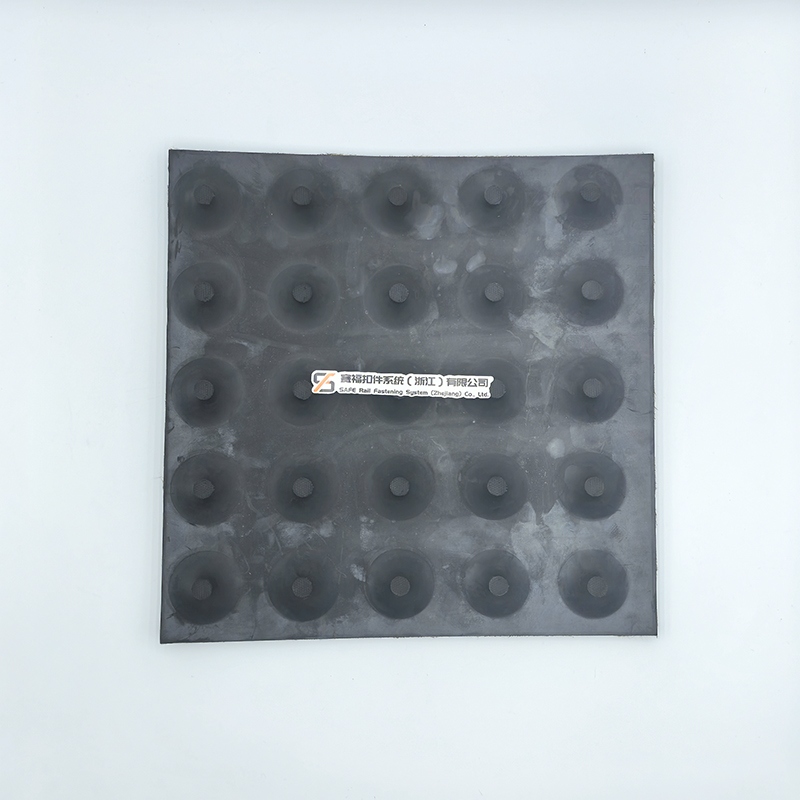
The core principle of Track Vibration Isolation is “decoupling”. By placing a resilient layer, such as our floating slab mat, between the concrete track slab and the base foundation (like a tunnel floor or bridge deck), we create a mass-spring system. This mat functions as an elastomeric vibration isolation layer, attenuating structure-borne and ground-borne vibrations generated by passing trains before they can propagate into nearby buildings or sensitive urban environments.
SFFST Resilient Solutions for Modern Urban Transit
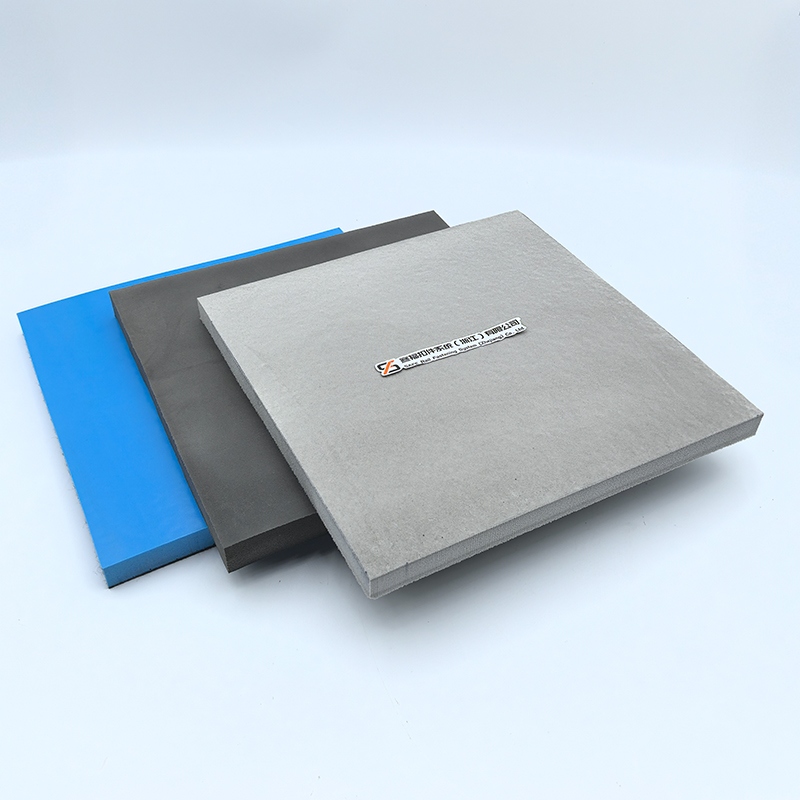
At SFFST, we manufacture a wide array of resilient components designed for this purpose. Our Automatic Polyurethane Pouring Machine Production lines are capable of producing precision Resilient Tie Pad/Elastic Pad, Baseplate Pad, and specialized Rail Pad solutions. These products are engineered with specific stiffness and damping characteristics to meet the unique frequency-tuning requirements of modern metro and high-speed rail projects.
Elevating Railway Ride Comfort for Global Passengers
Impact of Resilient Tie Pads on Smooth Travel
Effective vibration mitigation begins at the rail fastening interface. Our Resilient Tie Pad/Elastic Pad and Rubber Pad products provide the initial damping. When combined with the broader Floating Slab Track System, these components ensure that the vertical displacement of the rail remains within optimal limits, preventing the ride discomfort often felt on poorly dampened tracks.
Achieving Measurable Rail Noise Reduction in Cities
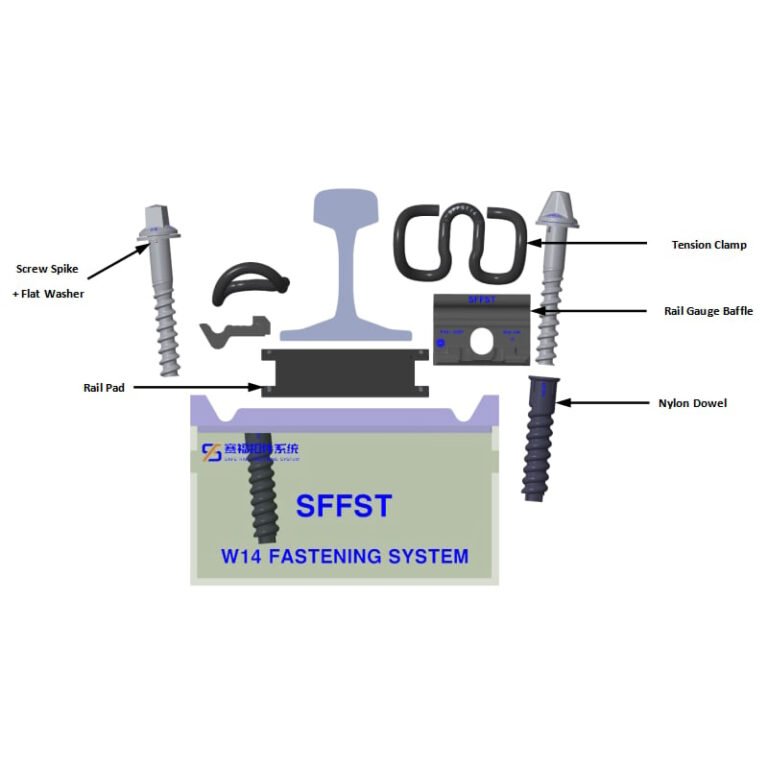
Noise pollution poses a serious challenge to the development of rail transit systems in cities. The Rail Noise Reduction solutions we offer take advantage of Non-Metal Parts such as Rail Gauge Insulators and Rubber Boots to mitigate noise emissions. The isolation of the rail system can significantly reduce ground-borne noise and vibration levels.
Smoothing the Transition for High-Speed Rail Success
For high-speed applications, precision is everything. Systems like the WJ-7 Fastening System and WJ-8 Fastening System are designed to work in harmony with resilient mats to maintain precise rail geometry even under extreme speeds. This synergy reduces high-frequency jitters, ensuring a stable and comfortable passenger experience.
What Are the Benefits of Floating Slab Mats in Urban Rail Systems
Effective Ground-Borne Vibration Control
Vibration created by trains moving along railway lines can be transferred via soil and the structures supporting the rails to buildings in close proximity. The floating slab mats are able to minimize the vibration transfer because they separate the track slab from the supporting system. Therefore, this solution is especially useful for metropolitan lines situated in cities and other similar buildings.
Reducing Structure-Borne Noise in Urban Rail Systems
In addition to vibration isolation, floating slab mats help mitigate structure-borne noise caused by train operations. By interrupting the vibration transmission path between the rail system and surrounding structures, they contribute to quieter environments both inside passenger compartments and in nearby buildings. This benefit is especially important for underground metro tunnels and rail transit systems operating in noise-sensitive zones.
Supporting Long-Term Infrastructure Sustainability
Floating slab mats not only improve railway ride comfort but also help protect critical infrastructure assets. By reducing dynamic loads and vibration-induced fatigue, they contribute to longer service life for rails, fastening systems, concrete slabs, and supporting structures. Lower maintenance requirements and reduced lifecycle costs make Floating Slab Track Systems a sustainable solution for modern railway infrastructure development.
Ensuring Infrastructure Safety and Structural Integrity
Mitigating Dynamic Loads on Tunnel and Bridge Foundations
Our floating slab mat serves as a protective barrier for Infrastructure Safety. By reducing the peak dynamic loads transmitted to tunnel linings and bridge piers, we prevent the formation of micro-cracks in the concrete. This is especially critical in projects like the Morocco Kenitra-Marrakech High-Speed Railway Project, where environmental conditions and high mechanical loads demand the highest level of structural protection.
Preventing Structural Fatigue in Sensitive Urban Zones
In historical urban areas, protecting nearby buildings from vibration-induced fatigue is a legal and safety requirement. Our Railway Vibration Control solutions, including the Type III Fastening System and Nabla C1 Fastening System, are often deployed to ensure that the heritage structures above our tunnels remain untouched by the transit below.
Maximizing Railway Track Durability and Service Life
Reducing Wear on SFFST Metal and Non-metal Parts
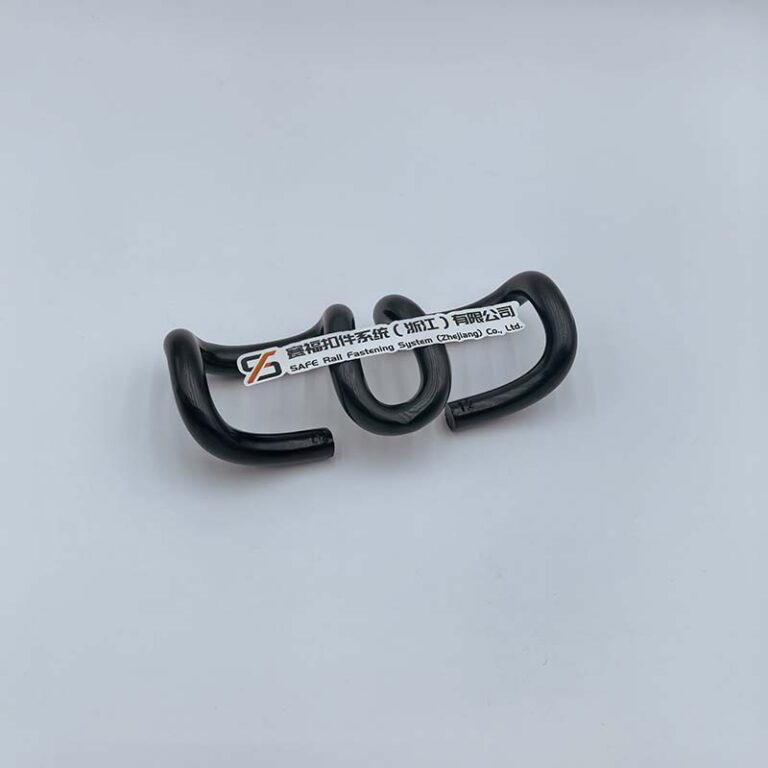
By absorbing impact energy, our mats and pads reduce the stress on Metal Parts such as the SKL Tension Clamp, e-Clip, and Fast-Clip. When the track system is properly dampened, these clips experience fewer cycles of extreme stress, significantly reducing the risk of fatigue failure. Similarly, our Casting Parts, like the Rail Tie Plate and Cast Shoulder, benefit from a more stable load distribution, extending their service life significantly.
Lowering Long-term Maintenance and Operating Expenditures
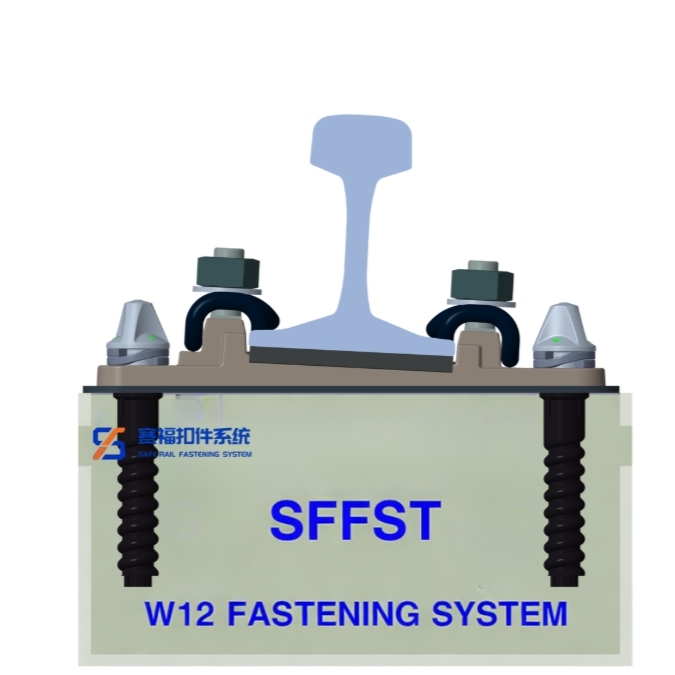
A durable track is a low-maintenance track. By choosing SFFST solutions, such as the W12 Fastening System—which is specifically designed to solve rail gauge deviation—operators can reduce the frequency of manual inspections and track re-alignments. This directly translates into lower operating costs and higher network availability.
SFFST Engineering Excellence and Rigorous Quality Validation
Precision Testing at Advanced SFFST Non-metal Labs
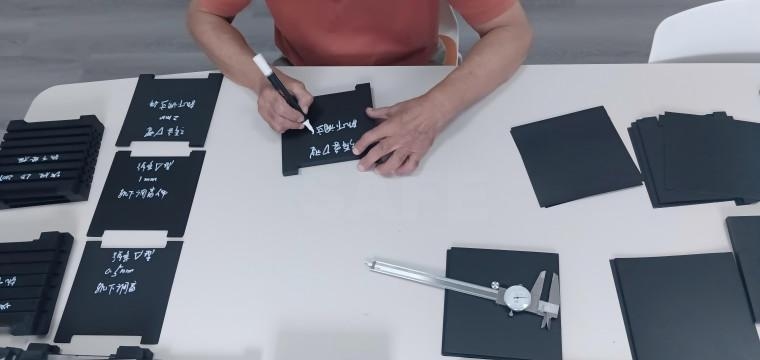
Our SFFST Labs are equipped with state-of-the-art technology to ensure every floating slab mat meets international standards. In our Non-metal Lab, we utilize an Electro-hydraulic servo fatigue testing machine and Aging test chambers to simulate decades of use in just a few weeks. This rigorous testing guarantees that our resilient products maintain their elastic properties under millions of load cycles.
Comprehensive EPC+M+O Support for Global Projects
Our commitment extends from initial Engineering and Procurement to Construction counseling and Operation management. For projects like the Chile Alameda-Melipilla Railway Project or the Talanta Meter-Gauge Restoration Project in Kenya, we provide on-site worker training and technical support to ensure our Vibration and Noise Mitigation Systems are installed correctly for maximum performance.
Conclusion
The integration of a floating slab mat is no longer a luxury but a fundamental necessity for high-performance rail networks aiming for longevity and excellence. We have demonstrated through decades of innovation that the right Railway Vibration Control strategy does more than quiet the tracks; it safeguards the massive investments made in tunnel and bridge infrastructure while providing the Railway Ride Comfort that modern passengers expect. By choosing SFFST, operators gain access to a partner committed to “Fastening Excellence, Entire Solution,” ensuring that every component—from the smallest Rail Clip to the most advanced Floating Slab Track System—is engineered for a safer, more sustainable future.
Is your rail project facing vibration challenges? Contact SFFST today to learn how our expert engineering team can design a custom Floating Slab Track System for your infrastructure.
FAQ
Q: How does a floating slab track system reduce vibration?
A: A Floating Slab Track System utilizes a high-performance floating slab mat or specialized Resilient Tie Pads to “decouple” the track slab from the supporting foundation. This layer acts as a massive spring, providing superior Track Vibration Isolation by absorbing the kinetic energy of the passing train before it can be transmitted into the surrounding ground or building structures.
Q: What are the benefits of floating slab mats for metro systems?
A: For urban metro projects, such as the Chengdu Metro Line 17 Project, these mats provide essential Rail Noise Reduction and vibration control in densely populated areas. Beyond noise, they enhance Railway Ride Comfort for passengers and protect the tunnel lining from the repetitive stress of high-frequency transit, thereby improving overall Infrastructure Safety.
Q: Does vibration isolation improve railway track durability?
A: Yes, effective Railway Vibration Control significantly extends Railway Track Durability. By reducing peak impact forces and damping vibrations, components like the SFFST WJ-7 Fastening System or Rubber Boots experience less mechanical fatigue. This leads to a longer service life for both the rail and the sleepers, ultimately reducing maintenance frequency.
Q: How is the quality of SFFST vibration mitigation products verified?
A: All SFFST vibration mitigation components undergo rigorous validation in our SFFST Labs. Our Non-metal Lab uses Aging test chambers and Electro-hydraulic servo fatigue testing machines to ensure that products like Resilient Tie Pads and mats can withstand millions of load cycles while maintaining their elastic properties and meeting international standards like EN 13481.