In the complex world of modern railway engineering, the reliability of a whole transit network often depends on its smallest parts. While large steel rails and high-tensile clips get the most attention, non-metal parts—especially the rubber boot—act as silent protectors of track integrity. SFFST is a manufacturer of rail fastening systems and railway components with over 40 years of industry experience. We know that these parts are the first defense against weather damage and mechanical wear. As a provider of integrated rail fastening solutions, we see how the link between the rail and its support affects the life and safety of the whole setup. The SFFST railway rubber boot is carefully engineered to keep railway track infrastructure strong and durable, whether for high-speed passenger lines or heavy freight. This blog explains why picking a high-quality rubber boot for railway tracks is vital for global operators who want to maintain high railway track stability.
Understanding the Role of the Rubber Boot
Defining the Rail Fastening System Rubber Boot
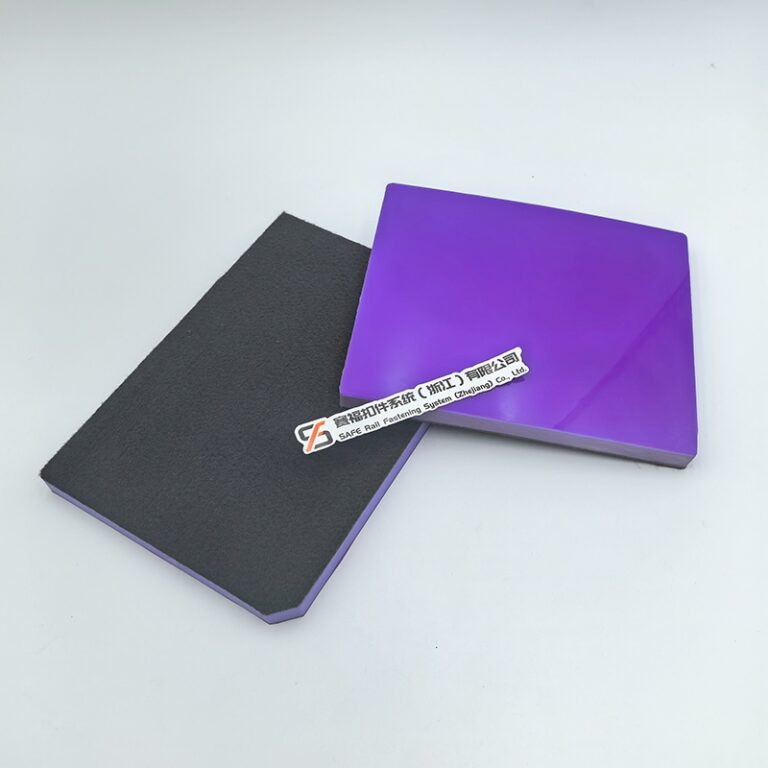
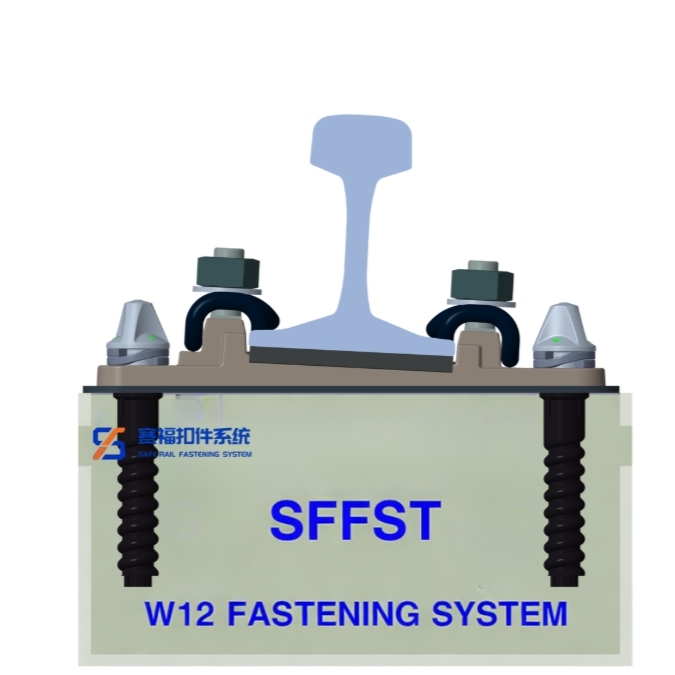
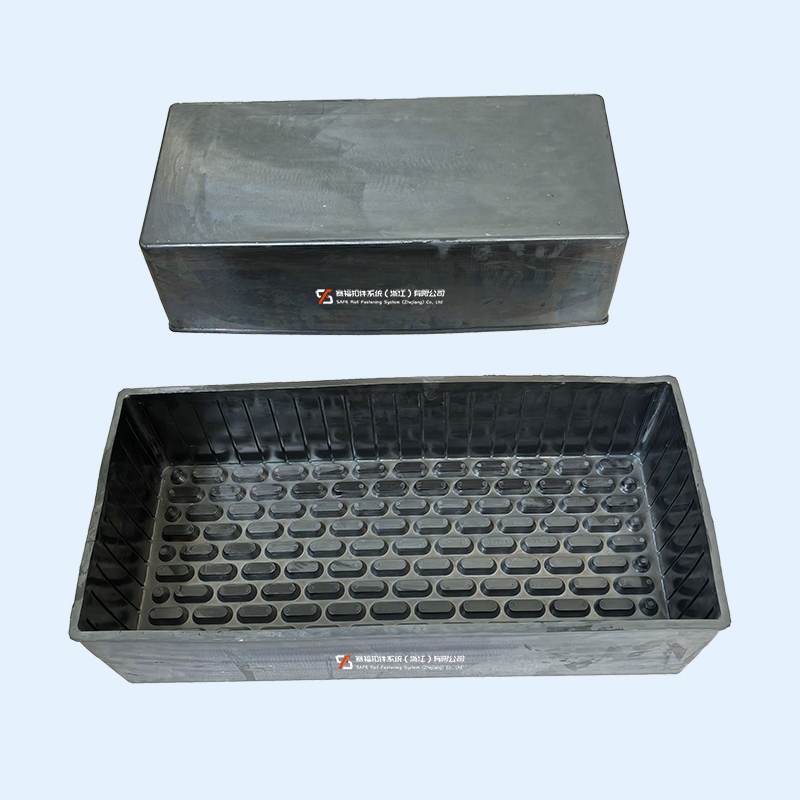
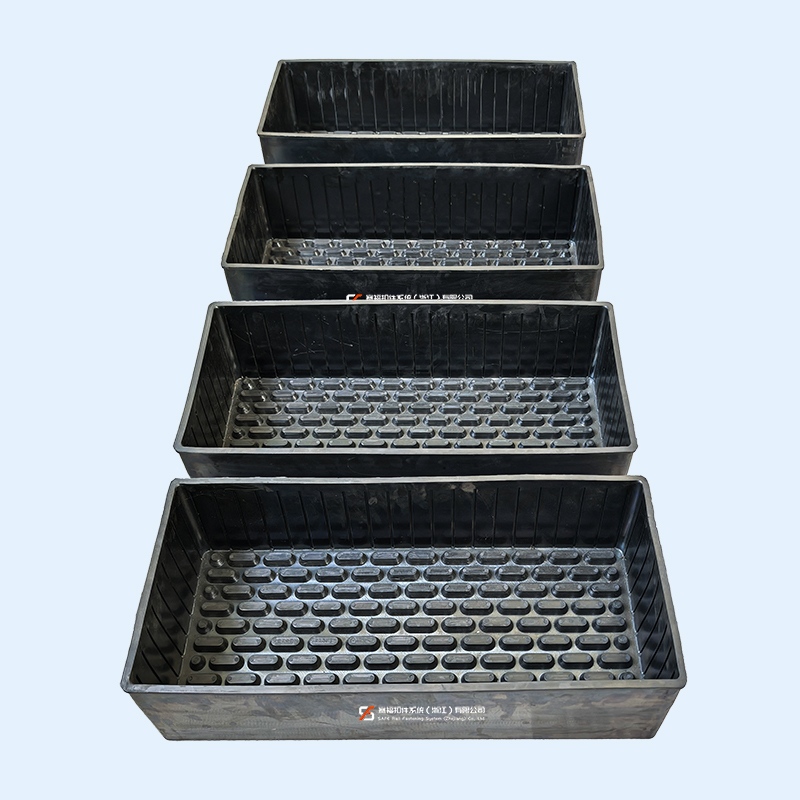
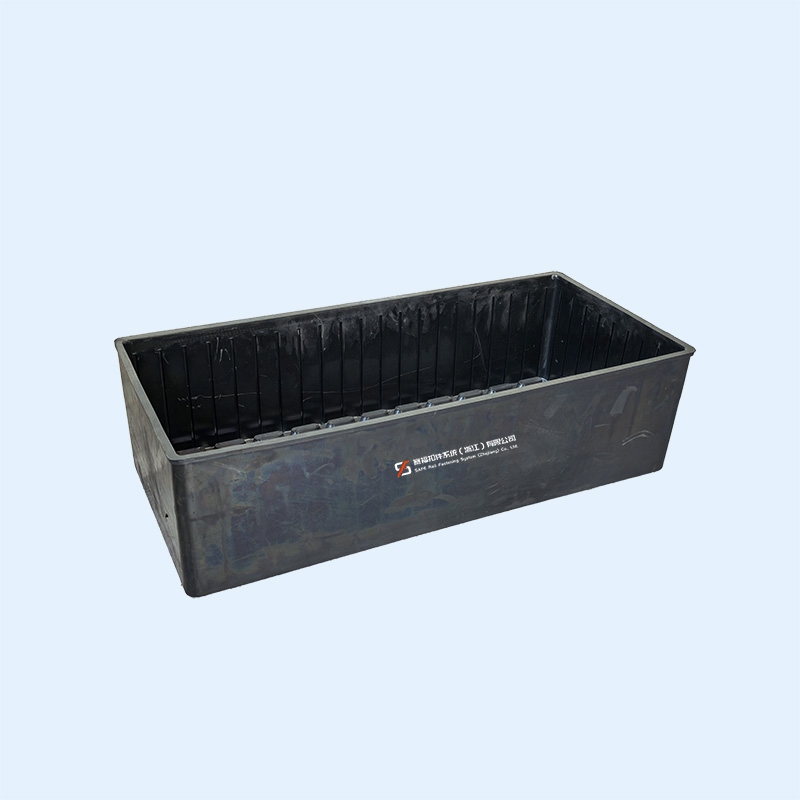
A rail fastening system’s rubber boot is a special protective cover. It partially or fully wraps the rail foot and the fastening parts. At SFFST, rubber boots are categorized as non-metal components and are widely used in vibration and noise mitigation applications. Its main job is to offer a flexible layer that keeps the rail separate from the ground and the sleeper or baseplate. By acting as a cushion, it stops direct metal-to-metal or metal-to-concrete rubbing. This is vital for maintaining the performance of standard rail fastening systems. Without this essential component, vibrations from train movements could accelerate wear on rails and their supports.
Key Materials for Industrial Rubber Components
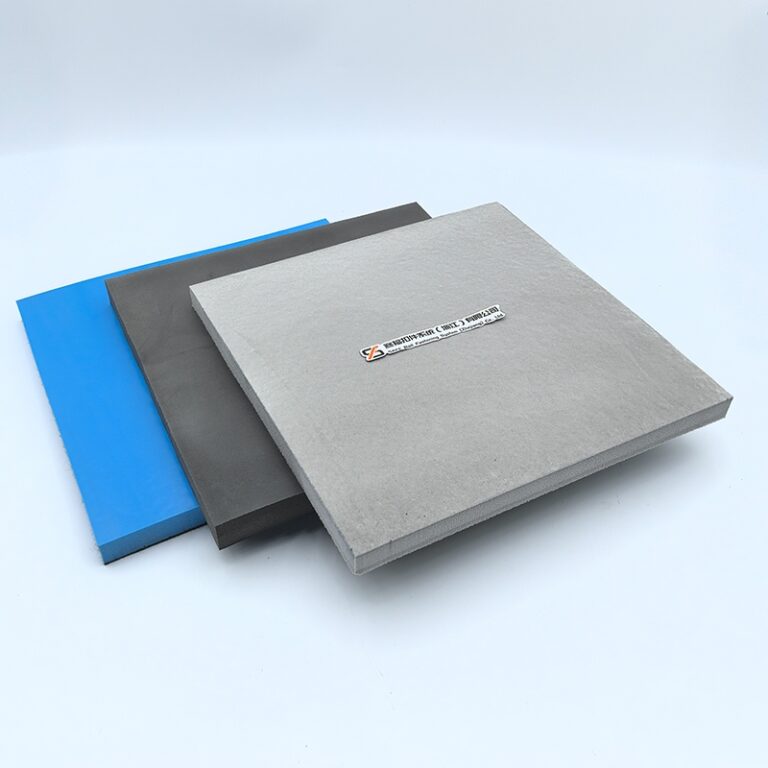
The work of any railway track rubber boot depends mostly on what it is made of. We use many advanced materials, such as natural rubber (NR), styrene-butadiene rubber (SBR), chloroprene rubber (CR), ethylene propylene diene monomer (EPDM), and thermoplastic elastomers (TPE), and composite materials. We pick each material based on the specific weather or site challenges of a project. For example, EPDM is great because it stands up well to heat and sun. Meanwhile, CR (Chloroprene) is better at resisting oils and chemicals. Through our OEM/ODM rail fastening solutions, we adjust these material mixes. This ensures the boots have the right stretch and strength for different climates, from icy winters to hot, wet areas.
Protecting Infrastructure with High-Quality Rubber Boots
Essential Waterproofing and Dustproof Capabilities
One major threat to railway infrastructure safety is water and dirt getting into the railway trackbed. A high-quality SFFST rubber boot makes a tight seal around the rail. This stops rain, snow, and dust from reaching the rail seat and the Rail Pad or Resilient Tie Pad underneath. If water gets trapped under the rail, it can cause “mud-pumping.” This is a phenomenon where water and soil are pumped through the ballast layer, which eventually makes the track unstable. By providing a waterproof barrier, our rubber boots keep the track bed dry. This protects the life of concrete sleepers and keeps the track in the right position.
Critical Anti-Corrosion Rail Components
In factory areas or near the sea, rail systems face corrosive things like acid rain, salt, and chemicals. Over time, these can eat away at metal parts like the rail spikes, bolts, and fastening nuts. The SFFST rubber boot works as a shield. It covers these anti-corrosion rail components and stops the chemical reactions that cause rust and weakness. By keeping the metal fasteners away from direct exposure, we lower the risk of parts failing due to rust. This is important because corrosion is a top cause of track shifts and instability.
Enhancing Railway Track Stability and Safety
Vibration Protection Benefits of Railway Rubber Boots
Controlling noise and shaking is a big goal for urban rail safety, especially in crowded cities. When a train rolls by, the wheels create heavy vibration energy. The SFFST rubber boot is built for great shock absorption. It absorbs vibration energy through its elastomer structure before it can turn into loud noise or ground shaking. This damping effect is key for the comfort of passengers and for protecting buildings nearby.
Contributing to Comprehensive Rail Safety Solutions
Electrical insulation is another main job of the rail fastening system’s rubber boot. Many modern tracks use the rail to carry signals for train detection. If water or dirt creates a path between the rail and the ground, it can cause signal errors or “ghost” trains. SFFST rubber boots offer high electrical resistance. They ensure the rails stay electrically separate from the sleepers and the earth. This insulation is a key part of our rail safety solutions. It helps signaling systems work without trouble, which prevents accidents caused by signal failure.
Why SFFST Rubber Boot Quality Matters
Precision Manufacturing and Automated Production Lines
Quality starts in our modern factories. We run dedicated Rubber Products Production lines with automatic mixing and advanced heating tools. This high level of automation means the features of every SFFST rubber boot stay the same in every batch.
Rigorous Testing in SFFST Specialized Laboratories
To prove our engineering works, we put our rubber products through many tests in our Non-metal Lab. We use an abrasion resistance testing equipment to check how they wear down. We also use an Aging test chamber to mimic years of weather in just a few days. Also, our high-resistance meter checks that every boot insulates well. The Electronic universal testing machine tests for stretch and strength. We follow international rules like EN 13146 and EN 13481, plus TB standards. This guarantees that SFFST products are safe and reliable for use anywhere in the world.
Long-Term Benefits of Durable Components
Extending Railway Track Service Life
Using high-quality SFFST rubber boots leads to a much longer track life. These boots protect the rail foot from rust and the sleepers from wetness. They also shield the fastening parts—like the Tension Clamp/Rail Clip—from too much vibration. All of this keeps the railway healthy. In projects such as the Wuhan-Huangshi Intercity Railway, our rubber parts have shown they can keep the tracks stable for a long time. This reduces how often parts need to be swapped out.
Reducing Maintenance Costs for Global Operators
For rail companies, the highest cost is often fixing things. Through our EPC+M+O model, we create systems that focus on cutting these costs. Durable rail fastening system components like the SFFST rubber boot do not need to be checked or replaced as often. This leads to lower labor costs and less time when the track is closed. By picking high-grade rubber parts now, operators avoid the huge costs of emergency fixes. This makes the rail business more stable and profitable over time.
Conclusion
The simple rail fastening system’s rubber boot is actually a high-tech part that is vital for a successful railway. It provides waterproofing, electrical insulation, and vibration control. At SFFST, we mix 40 years of history with new research at our SFFST Shanghai Research Center. We make boots that meet the toughest rail standards. Our focus on “Superior Quality” and “Fostering Innovation” makes us a reliable partner for rail solutions. When you choose SFFST, you are buying more than a part; you are investing in the safety and future of your rail network.
Contact us to get our product brochure. You can see the technical details for the SFFST rubber boot and our other rail solutions.
FAQ
Q: What is the main function of a rubber boot in a rail fastening system?
A: A rail fastening system’s rubber boot acts as a protective shield. It absorbs shocks to lower noise, provides electrical insulation for signals, and creates a seal to keep out water and dirt that could rust metal parts.
Q: How does SFFST ensure the durability of its rubber boots?
A: We use automated machines for mixing and molding. Every batch is checked in our Non-metal Lab with tools like the Akron abrasion machine. This ensures the boots can designed for long service life under heavy rail loads and tough weather.
Q: What are the consequences of using low-quality rubber boots?
A: Cheap boots often crack quickly. This lets water in, causing “mud-pumping” and rust on the rail fasteners (spikes and bolts). It also increases noise and signal problems, leading to much higher repair costs later on.