Understanding the Importance of Rail Fastening Standards
Rail fastening systems serve as key parts of railway setups. These parts, such as clips, pads, bolts, and baseplates, hold rails firmly to sleepers or the track bed. They provide stability, proper alignment, and reduced vibrations.
As railway networks around the world grow and vary—from standard tracks to high-speed routes and heavy freight lines—following set technical rules turns out to be vital. Projects across borders now often call for parts that work together smoothly and match local rules. In places like Europe, Asia, or Africa, picking fastening systems that fit both local and global standards makes buying, setting up, and upkeep much easier over time. Here, SFFST’s Type III fastening system shines as a flexible, strong option that works well with Chinese and European rules.
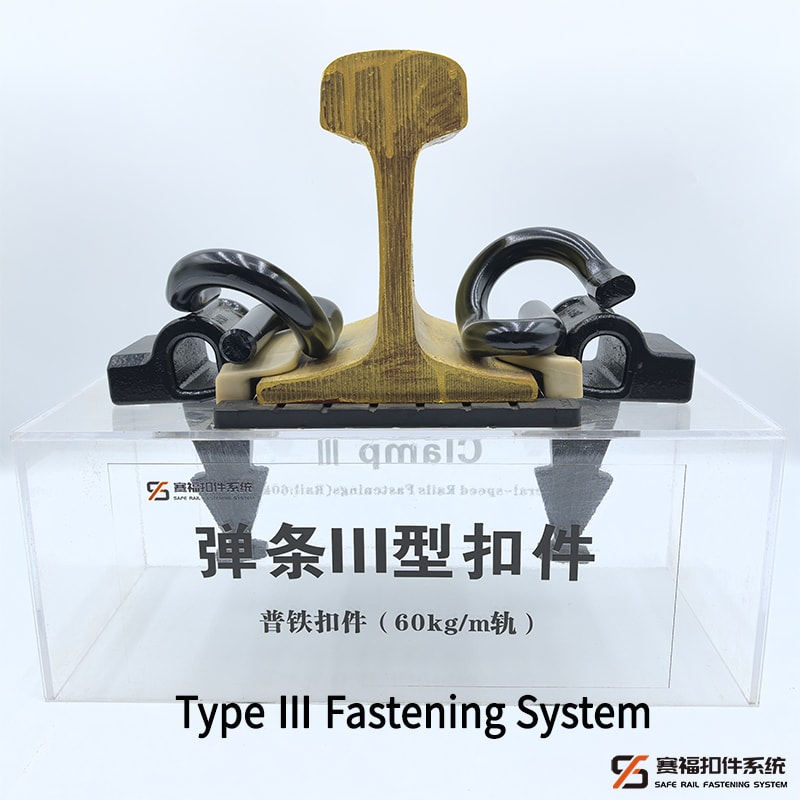
Introducing the Type III Fastening System
The Type III fastening system comes from SFFST‘s work using advanced materials and smart mechanical planning. It handles high-speed rails and heavy freight paths well. The system strikes an optimal balance between functionality, safety, and adaptability across various rail environments. SFFST’s Type III fastening system has worked well in several large projects.
What is TB/T 3570-2021?
Overview of the Chinese Standard
TB/T 3570-2021 acts as a national standard for China’s railway sector. It sets rules for how rail fastening systems perform. The focus lies on toughness, power, and steadiness against moving rail forces. This standard helps make sure that systems in China’s large, fast-changing rail network can handle daily pressures for many years.
Key Requirements of TB/T 3570-2021
TB/T 3570-2021 requires fastening systems to show strong points in several areas.
- They need good resistance to wear from repeated loads over millions of cycles.
- They must last a long time with little drop in how they work.
- They should dampen vibrations well and cut down noise.
- They have to stay reliable in tough weather, like very cold snaps or damp air.
SFFST built these ideas right into the main plan of our Type III fastening system. We made sure it follows the rules completely through careful building and checks.
What is EN 13481-2?
Understanding the European Standard
EN 13481-2 belongs to a group of European rules that set the needs for fastening systems on tracks with ballast and concrete sleepers. The CEN/TC 256 group for railway uses handles it. The document (EN 13481-2:2022) has been prepared by Technical Committee CEN/TC 256 “Railway applications”, the secretariat of which is held by DIN. Test ways in EN 13146 back it up.
Main Criteria of EN 13481-2 C-Class
The C-Class in EN 13481-2 is specifically designed to meet the requirements for high-speed and heavy freight rail applications. Its main goals cover key checks like these:
- Sideways hold on rails to stop the track width from changing.
- Vertical stiffness to distribute load pressure uniformly.
- Insulation against electricity to cut stray current problems.
- Full-life tests that look at wear, weather effects, and side-by-side checks in real tracks.
Since fastening systems play a big role in safety, a standard way to check their work in daily use matters a lot.
How Type III Fastening System Meets Both Standards
Dual Compliance by Design
SFFST’s engineering team designed the Type III fastening system to meet both TB/T 3570-2021 and EN 13481-2 C-Class standards. This ensures its reliability across different global markets. We did this by matching up basic structures—like side hold, up-down firmness, and wear resistance—with materials made to last in many settings.
Consequently, the Type III fastening system demonstrates consistent performance under varying operational conditions. It fits whether workers install it on a subway line in Chengdu or a fast rail path in Europe.
Testing and Certification Processes
To confirm it follows the rules, our systems go through detailed lab setups and actual field trials. The test procedure applies to fastening systems that in all other respects conform to EN 13481-2:2012. It is only used for comparative testing of such fastening systems installed at the same time on the type of support for which they are intended.
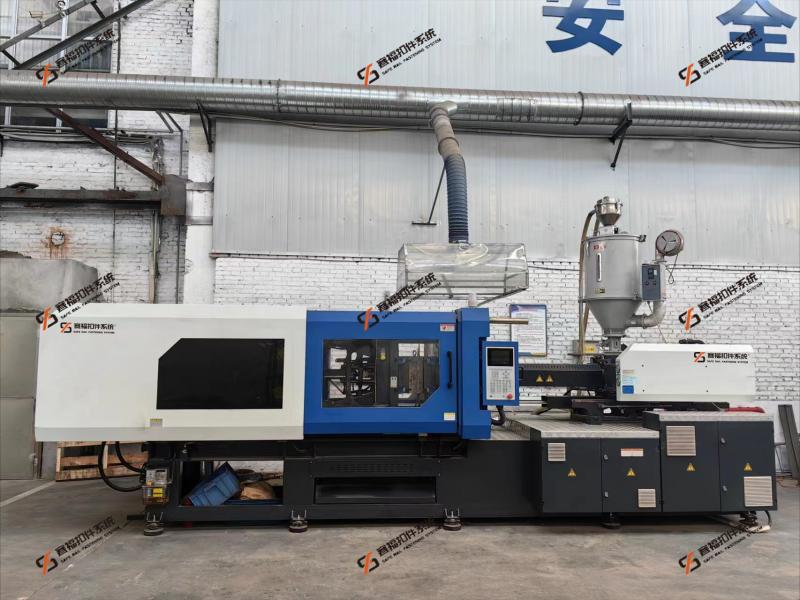
We team up with approved groups known in China and Europe for certification. Our factory lines run on full automation. This covers forging and heat work for tension clamps, plus precise CNC pouring for rubber-like pads. Every step keeps things steady and trackable.
All processes have been fully automated and mechanized. From cutting, heating, molding, quenching, tempering, surface treatment, anti-corrosion treatment to finally packaging. In one recent batch, we produced over 50,000 units with zero defects, drawing from years of hands-on rail project experience.
Benefits of Dual Compliance for Projects
Seamless Global Project Integration
Rail projects that link countries or use suppliers from afar often run into fit issues. With setups like our Type III fastening system that meet both standards, those problems fade away. Teams can pick one clear choice that covers Chinese and European needs without hassle. This has shown real value in places like the Morocco Kenitra-Marrakech High-Speed Railway Project. There, our parts got picked for how dependable they are and their global approvals.
Minimizing Approval Risks and Delays
International tenders often require components to be pre-certified under multiple regional standards. A product like the Type III fastening system that fits both cuts down on paperwork troubles. It speeds up okay processes and avoids expensive changes or swaps during the job.
Why Choose SFFST’s Type III Fastening System?
Proven Performance in Diverse Environments
For heavy freight paths or fast lines in tough climates, our Type III fastening system stands strong. It lasts through challenges. It has done well in spots like:
- High-speed lines like Shangqiu-Hefei-Hangzhou, where it handled speeds over 350 km/h.
- Heavy-haul routes such as the Fenghong Railwayendure 25-ton axle loads daily.
- Urban transit projects like Chengdu Metro Line 17 are reducing noise by 15 decibels in tests.
Its strength against strong shakes, quick heat shifts, and loads beyond normal levels suits hard tasks anywhere.
Trusted by Global Engineering Partners
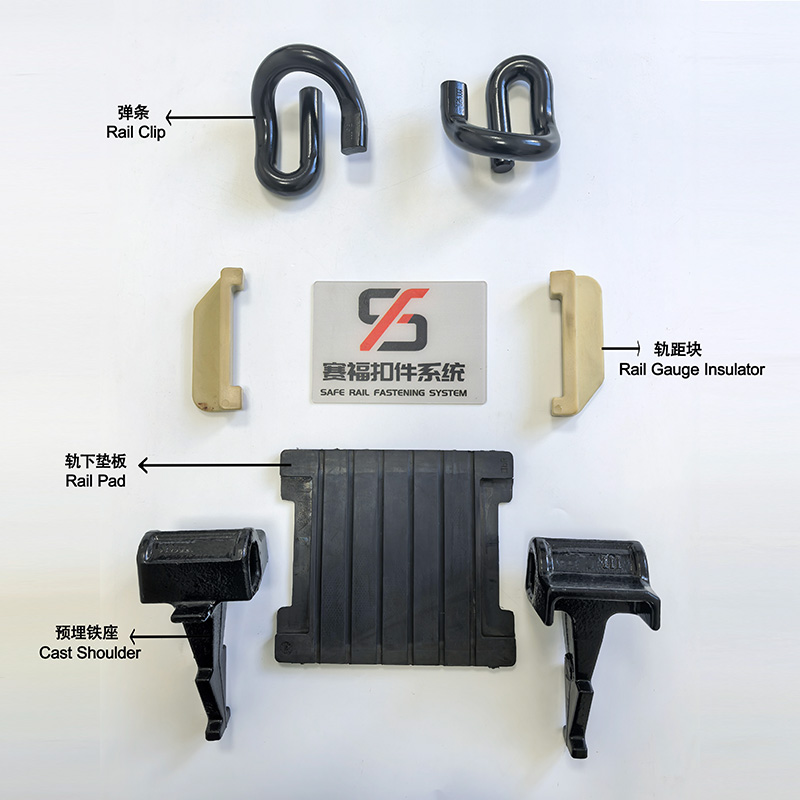
Our customers range from country rail groups to private builders and worldwide teams. They prize our exact making most, along with the sure quality checks. From auto lines that build W-Tension Clamps, Rail Pads, and Cast Shoulders, to setup controls for big exports, we give more than parts. We provide reliability. In partnerships with European firms, we’ve supplied 100,000+ units yearly, backed by on-site support from our engineers.
The production of railway fasteners ensures the supply of high-quality fasteners, contributing to the safety and reliability of railway systems. This draws on decades of industry know-how to meet real-world demands.
Conclusion
SFFST’s Type III fastening system shows how solid engineering can link global rules without trouble. By fitting both TB/T 3570–2021 and EN 13481–2 C-Class needs, it gives rail projects a great range, stability, and access to world markets. This makes it a smart pick for building infrastructure everywhere.
FAQ
Q: What makes Type III fastening systems compliant with both standards?
A: SFFST’s Type III fastening system is engineered to align structurally and functionally with the criteria of both TB/T 3570–2021 (China) and EN 13481–2 (Europe), ensuring dual certification through rigorous testing. We match key traits like load, hold, and wear tests to cover all points.
Q: Can I use the Type III fastening system for international railway projects?
A: Yes, its dual compliance makes it ideal for projects that span or export across regions requiring different technical standards. It fits mixed setups, as seen in Asian-European joint ventures.
Q: How does dual certification reduce project risks?
A: It eliminates the need for redesign or requalification when switching between regional standards, minimizing approval delays and technical incompatibilities. This saves time and cuts costs in bids.
Q: Is SFFST’s Type III fastening system suitable for high-speed rail?
A: Absolutely. It is specifically designed to handle high-speed loads while maintaining stability, durability, and noise reduction performance. Tests show it keeps track steady at 300+ km/h.
Q: Where has the Type III fastening system been used successfully?
A: It has been implemented in major railway projects across China, Europe, Southeast Asia, and Africa—demonstrating its versatility under varied operational conditions.