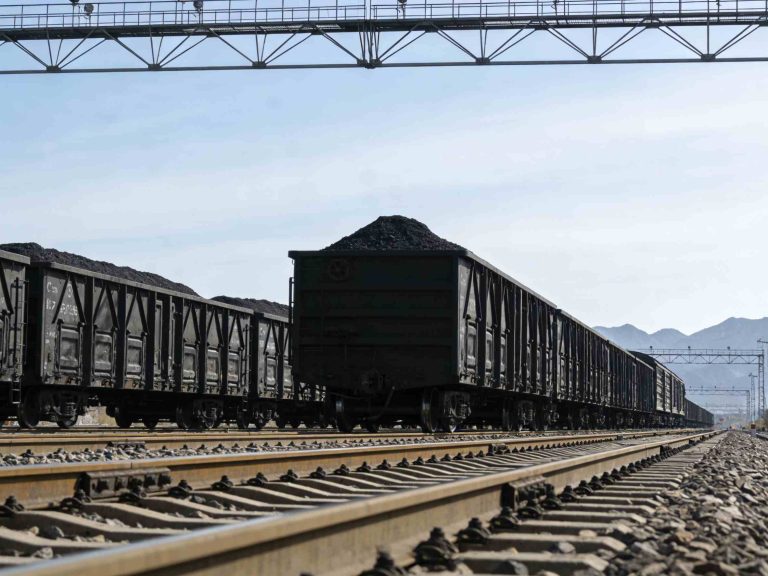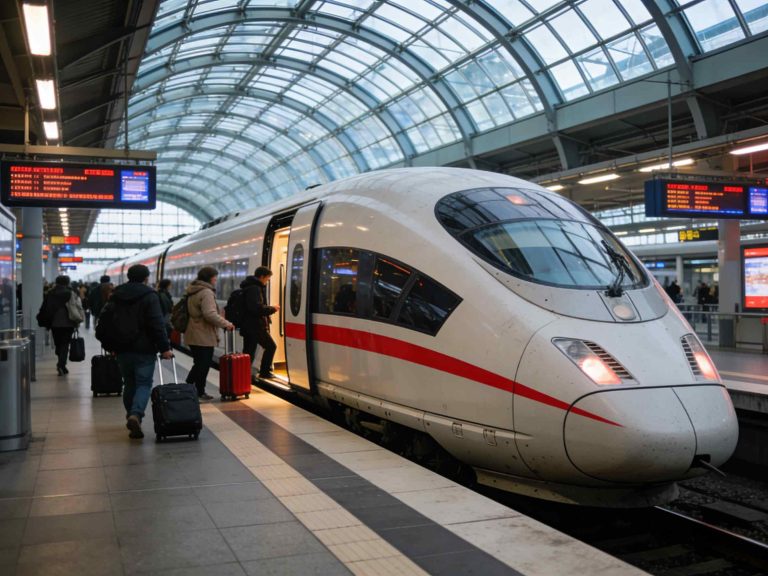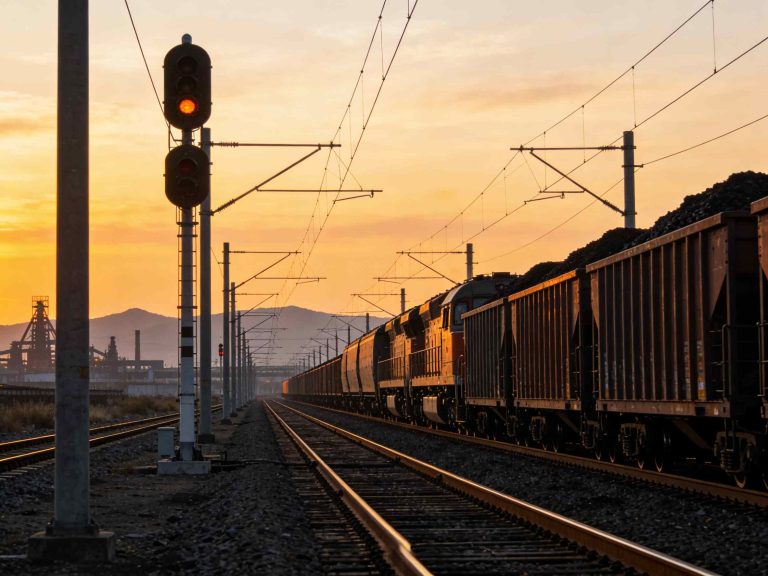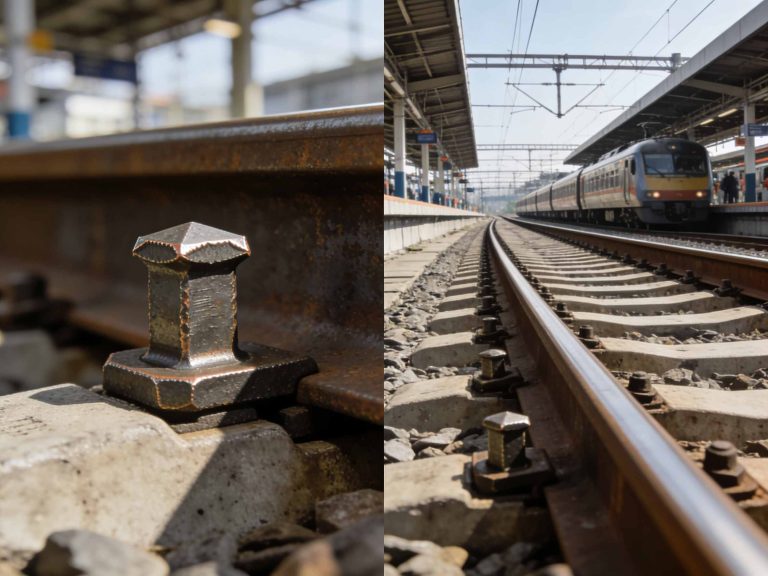
Railway bolts are fundamental components of rail fastening, securing tracks tightly in place and in alignment when trains are in operation. Differing from regular industrial bolts, railway bolts are engineered to bear severe mechanical loading, persistent vibration, and extreme climatic conditions. Their reliability has a direct impact on the stability and safety of the world’s railway network.
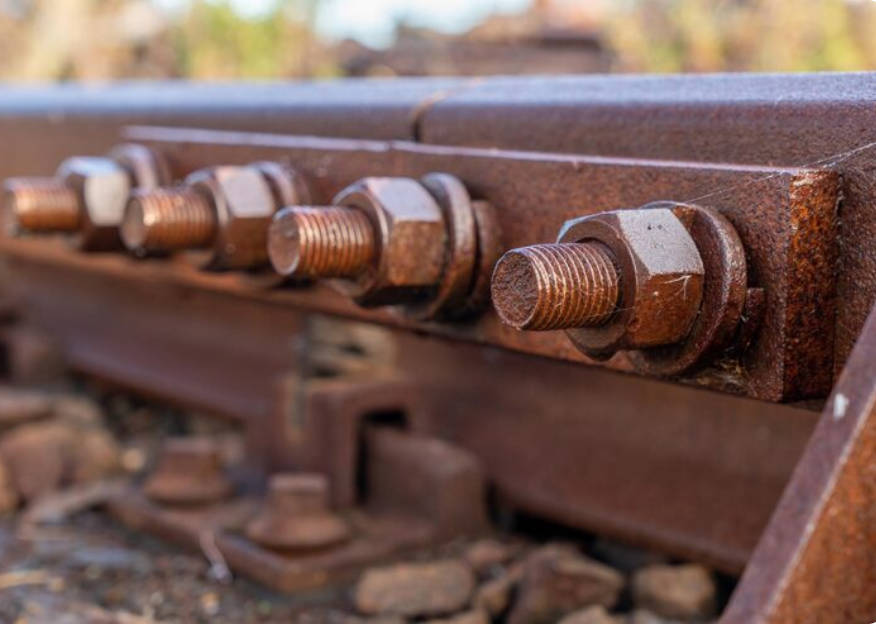
Why Railway Bolts Matter
A single loose or failed bolt may jeopardize the integrity of a complete track section, leading to service interruption or derailment. Railway bolts hold rails to sleepers, connect track joints, and hold such vital components as baseplates and switches in place. They ensure consistent performance by satisfying the EN 13481 Railway Applications Standard, which sets requirements for fastening system safety and performance.
We are specialists in manufacturing high-quality bolts, nuts, spikes, and washers to international railway standards at SFFST. With decades of experience and fully automated manufacturing lines, we supply fastening parts trusted by international railway projects.
Common Railway Bolts
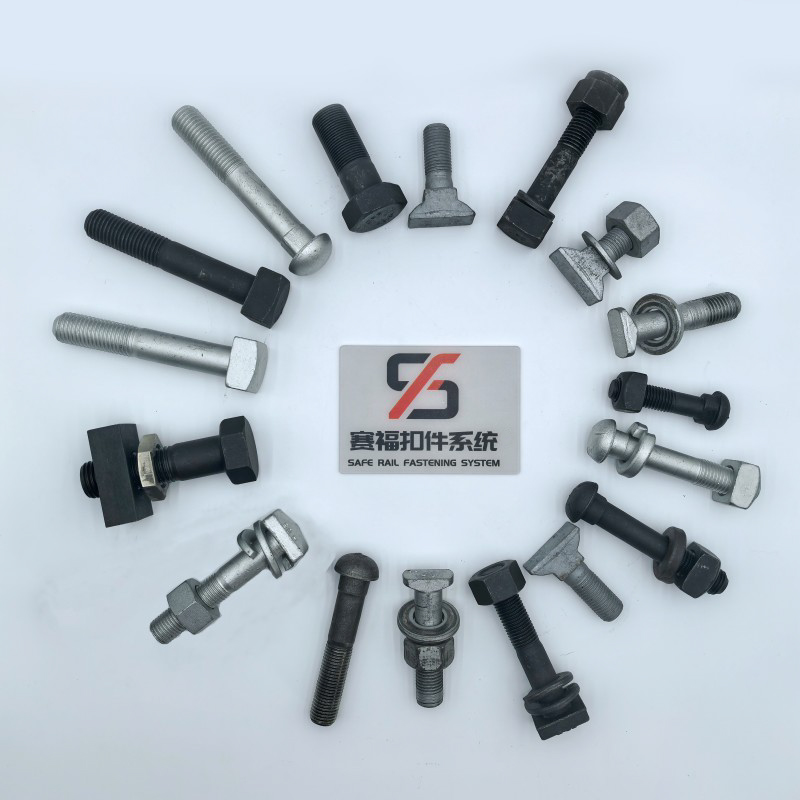
- Track Bolts: Track bolts are simple components that clamp rails to the track framework. Bolts: Involve turning, milling, and thread cutting operations. Such bolts must maintain their clamping force against long-term dynamic loading due to running trains.
- Fish Bolts(Joint Bolts): Fish bolts or joint bolts connect rail ends to one another with fishplates. Such bolts ensure rail continuity and efficient load transfer among rails. Thermal expansion should be accommodated by design without endangering the joint.
- Anchor Bolts: Anchor bolts secure track components into concrete foundations or bridge structures. Permanent attachment points resisting vertical and lateral loads due to train movement, heavy-duty anchor bolts are used.
- Switch Bolts: Special switch and crossing and check rail fastening systems. Switch bolts are used in turnout assemblies to cater to diverging or converging tracks. The bolts must be specially designed to accommodate the complex geometry and additional stresses associated with switch mechanisms.
- Customized SFFST Bolts: Special bolt configurations for diverse applications are produced at SFFST. For standard gauge railways (1435 mm), wide gauge (1524 mm), or narrow gauge (1000–1067 mm) railways, our solutions ensure compatibility with rail systems worldwide.
Major Roles of Railway Bolts
Securing Rail Joint Connections
Railway bolts ensure that rail joints remain structurally connected so trains can move through easily without obstacles, and loads may be transferred evenly. Joint integrity depends on proper bolt tension and material properties to withstand cyclic loading fatigue.
Track Stability Maintenance
Well-fitted railway bolts make sure tracks do not shift and rails maintain the correct gauge. Six fundamental components are found in the track: rails, sleepers, ballast, connecting parts, anti-climbing devices, and switches. Connecting parts are basic elements that keep the system intact, and bolts serve this purpose.
Absorbing Vibration and Stress
Railway bolts are subjected to severe dynamic loads and vibrations generated by railway operation. The design of the bolt and the material employed are significant considerations for successful long-term performance under such severe conditions.
Materials and Design Standards
Railway bolts are typically made of high-strength carbon steel or alloy steel, heat-treated for maximum mechanical performance. Depending on the level of environmental exposure, secondary coatings in the form of hot-dip galvanization or zinc plating are applied to offer corrosion resistance. SFFST manufactures bolts entirely in accordance with EN 13481 and other international standards adopted by European and Asian rail authorities. This ensures reliability, interchangeability, and stable long-term performance in accordance with actual operating conditions.
Installation and Maintenance
Bolt Installation Procedure
Proper installation requires accurate torque values, sequence of installation, and quality inspection cycles. The installation procedure should allow for adequate clamping pressure without overstressing components.
Inspection and Maintenance Tips
Visually inspect and record the condition of each component. Then, fit the rail to the sleeper or baseplate section with the fastening components as they are to be equipped in the track. Regular inspection regimes provide evidence of worn-out or damaged bolts before they compromise track safety.
Replacement of Worn or Damaged Bolts
Record any inability to deassemble or reassemble the fastening with the provided tools. Replacement procedures must follow established guidelines for track integrity and safe operation.
Advantages of Using SFFST Railway Bolts
Higher Durability and Strength
Our railway bolts are engineered to perform above industry standards in durability and strength. Manufacturing processes include heat treating and surface finishing that enhance corrosion resistance and mechanical properties.
Worldwide Rail Systems Compatibility
Just like any other nation, the standard gauge of 1435 mm is mainly used by China. Just like the standard gauge, there is the wide gauge (1524 mm) and the narrow gauge (1067 mm and 1000 mm). Our products are also adaptable to various railway systems around the world.
Dependable by Rail Projects Worldwide
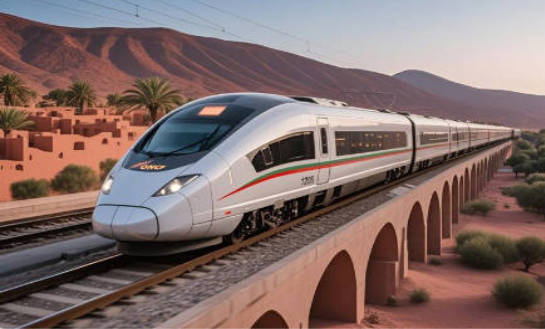
Morocco Kenitra-Marrakech High-Speed Railway Project: In 2025, through our end-to-end quality management system and precise manufacturing features, our company supplied major railway projects worldwide, demonstrating our proficiency and dependability.
Safety and Performance Considerations
Maintenance of the railway fastening system safety includes rigorous testing and certification. Tensile, fatigue, and vibration resistance tests are conducted on all SFFST bolts to guarantee compliance with international standards. Installation and selection of bolts are directly accountable for track performance enhancement, with the likelihood of rail displacement or failure reduced.
Choosing the Right Bolt for Your Project
Choosing the most appropriate railway bolt requires considering load conditions, the environment, and track type. For example, China’s current rail types, such as 75 kg/m, 60 kg/m, and 50 kg/m, call for distinct bolt specifications. Our technical team offers technical consultation to assist clients in determining the best fastening solution for their particular railway application.
FAQ
Q: How often should railway bolts be inspected?
A: Frequency of inspection relies on traffic, environmental, and rail system needs. Visual inspections are generally monthly, with thorough checks every year.
Q: Why do railway bolts fail?
A: The usual reasons include cyclic loading fatigue, corrosion, incorrect installation torque, and defects in the material.
Q: Are railway bolts reusable after they have been removed?
A: Railway bolts are usually not capable of being reused due to the potential for stress concentration and loss of reliability. New bolts must be installed to meet safety standards.
Q: How do environmental conditions impact bolt performance?
A: High temperatures, water, and chemical exposure can impact materials. Proper material selection and protective coatings offset such impacts.
Q: How are SFFST railway bolts different?
A: Our bolts are accompanied by advanced manufacturing processes, rigorous quality assurance, and thorough field testing that ensure peak performance and reliability in rail environments.