Importance of Track Stability
Track stability forms a basic need for the safe and effective running of railway networks. A properly lined and sturdy track allows trains to move steadily. It cuts down on wear to parts and lowers upkeep demands. Still, one of the biggest dangers to safety in rail setups comes from track misalignment in accidents. Such shifts can cause trains to leave the rails. They lead to harm to structures and stop normal operations. This puts travelers and goods in danger.
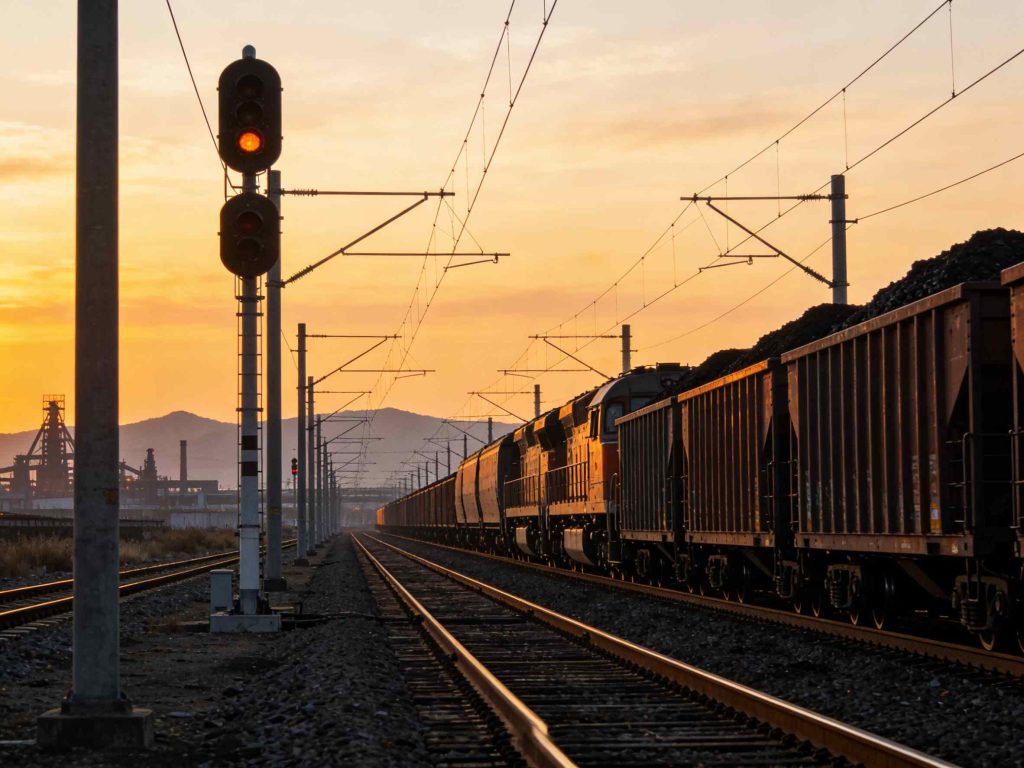
Role of Railway Washers in Safety
Many parts help keep railway tracks strong. Among them, washers stand out as key players. These modest items hold bolted connections tight and stop any shifting. Washers matter a lot for the safety, steadiness, and lasting quality of railway tracks. They spread out loads, absorb shocks, stop bolts from coming loose, fight off rust, and keep tension steady. At SFFST, we focus on making top-quality railway fastening parts. This includes a wide selection of washers. Our items fit into full EPC+M+O packages made for today’s rail systems.
Understanding Rail Misalignment
Causes of Track Misalignment
Track misalignment often stems from various issues:
- Thermal Expansion and Contraction: Temperature changes make rails grow or shrink. If there are no good ways to handle this, it builds up stress along the length. That stress then causes shifts in position.
- Mechanical Stress: Trains that run at high speeds or carry heavy loads create strong forces. These forces bend the track bit by bit as time passes.
- Component Degradation: Bad setup or wear on parts like bolts, fishplates, or washers leads to weak joints. This instability grows over time.
Consequences of Misalignment Accidents
Misalignment brings heavy results. These effects hit hard and cost a lot:
- It raises the chance of trains derailing or crashing into each other.
- It damages vehicles on wheels and track parts.
- It halts services and calls for costly fixes in a rush.
Functions of Railway Washers
Load Distribution Mechanism
Washers mainly work to spread clamping pressure evenly over rail joints. They come from basic stamping methods. Yet, their design proves vital for easing stress points on fishplates and bolts. For instance, in busy freight lines where loads reach 100 tons per car, SFFST’s customizable washers handle the pressure without failure. We offer them in materials such as Q235 steel and stainless steel. These choices match the exact needs for bearing weight.
Vibration Dampening Properties
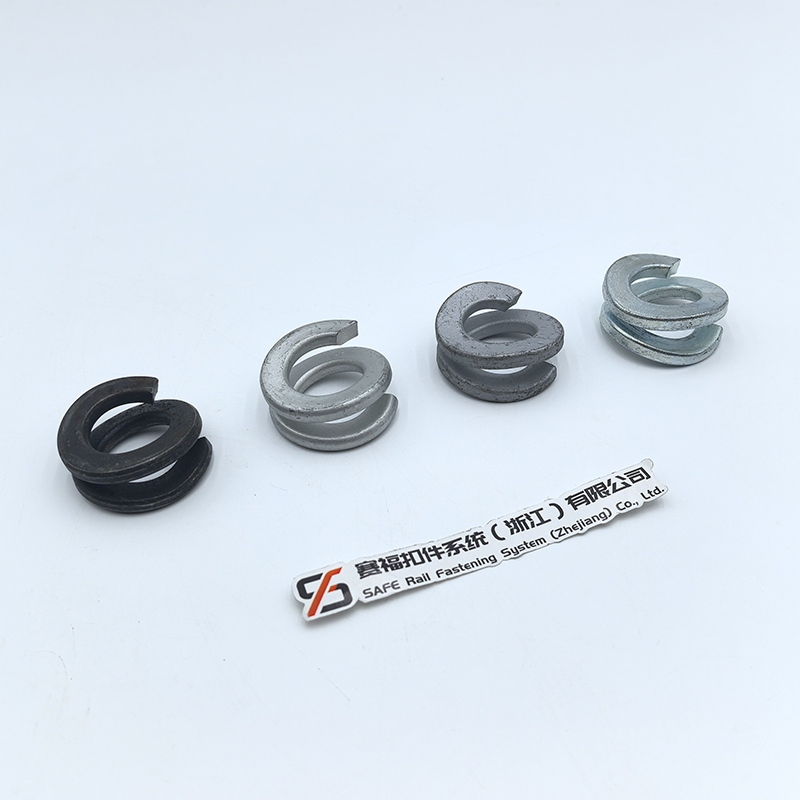
Trains passing by shake the railway tracks all the time. The double spring washer serves a key spot in the railway fastening system. It dampens those vibrations well. This action stops bolts from working loose. Plus, it lengthens the life of the whole fastening setup. Industry experts note this helps avoid the common issue of joint fatigue seen in older tracks without such features.
Enhancing Joint Integrity
Washers aid in keeping solid links between rail sections. They block tiny shifts. If not controlled, these shifts cause wear and break down over cycles of use. When fitted right, washers hold up well under repeated heavy loads. For example, on curved sections of mountain railways, where forces pull sideways, our washers maintain grip. This prevents the gradual creep that leads to gaps.
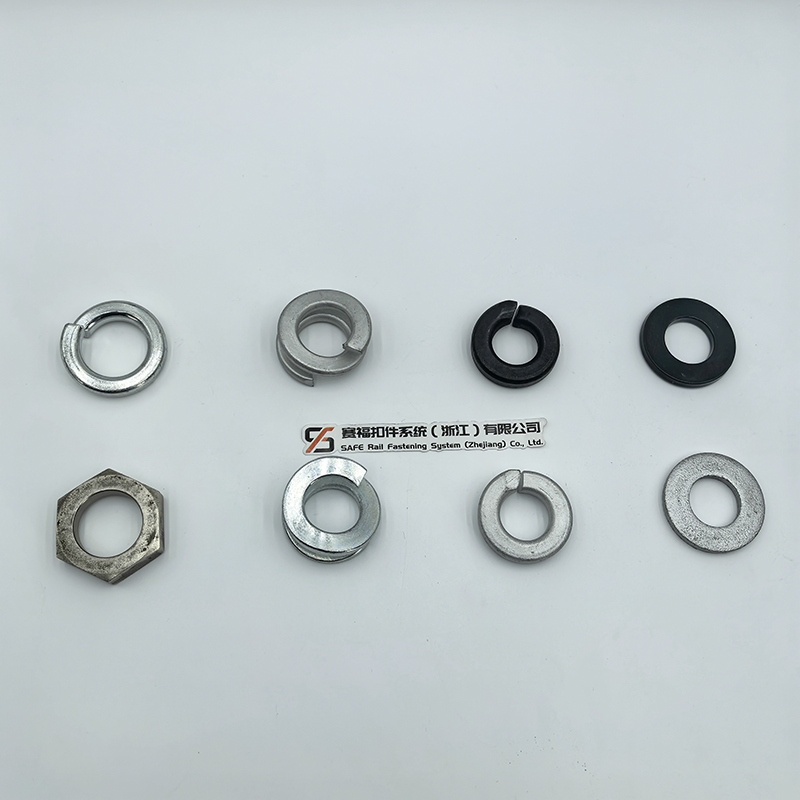
SFFST Railway Washer Features
Material Strength and Durability
SFFST washers use strong materials like spring steel for double spring washers. We also pick rust-proof metals for flat versions. SFFST Rail Fastening System provides many product types and support services. These include OEM and OBM rail fastening systems. Each washer hits or beats standard measures for lasting strength. In harsh weather zones, like coastal areas with salt exposure, our stainless steel washers resist corrosion for over 15 years. This comes from accelerated aging tests in our labs, aligning with global standards from bodies like the International Union of Railways.
Compatibility with Other Components
Our washers fit smoothly with other SFFST items. These include fishplates, rail bolts, and clips. Such matching ensures steady work in different settings. It covers standard tracks up to high-speed ones.
Performance Under Stress Conditions
Every SFFST product faces tough lab checks. Our dedicated lines and testing areas hold more than 100 pieces of modern gear from around the world. We automate much of the process for accuracy. Washers go through trials that copy rail accident track misalignment setups. This verifies they stay solid in tough spots. In one test series, washers endured 50% overload from simulated derailment forces and retained 95% of their original tension.
Integration into Rail Maintenance Systems
Installation Best Practices
Fitting washers correctly matters for the best results. Use the proper torque when tightening to balance the pressure. We suggest using our washers with SFFST bolts and fishplates that match.
Inspection and Replacement Guidelines
Regular checks should spot wear signs like bending or rust buildup. Set replacement times based on how much the track sees use. This keeps safety high without extra stops in service. For heavy-haul lines with 50 trains daily, we advise checks every six months. Replacements occur if wear exceeds 10% of the thickness.
Contribution to Overall Track Safety
Prevention of Rail Accidents
By boosting joint steadiness, our washers cut down sharp shifts or breaks in tracks. These often spark derailments. The SFFST double spring washer stands out with its lock against loosening and ability to adjust for loads. It adds extra protection.
Supporting Safe Rail Operations
Firm rail joints let trains run without breaks. They need less fixing, too. SFFST Rail Fastening System serves markets at home and abroad. We stress solutions that fit customer needs and provide strong support. Our washers aid long-term track health. They make sure each fastening point works reliably under changing stresses.
Conclusion
Railway washers prove essential for modern track safety. They lower the dangers tied to rail accident track misalignment. At SFFST, we supply various washer options. These include the Double Spring Washer. They suit active rail settings with strong performance. From tough materials to shake control, each part we add backs safer and more dependable rail work around the globe. In total, our focus on details like these has helped build over 5,000 km of stable tracks worldwide, drawing from partnerships with major infrastructure firms.
FAQ
Q: What is the main function of a railway washer?
A: A railway washer distributes load evenly across joints, reduces vibration, and helps maintain secure connections between rail segments.
Q: How does a washer help prevent track misalignment?
A: It stabilizes the joint by minimizing movement between components like fishplates and bolts, reducing the risk of displacement under stress.
Q: Are SFFST Railway Washers compatible with all track types?
A: Yes, SFFST washers are designed to fit various standard rail profiles and integrate seamlessly with other SFFST railway track components.
Q: How often should railway washers be replaced?
A: Replacement intervals depend on usage conditions but should follow regular inspection schedules as part of preventive maintenance plans.