The railway infrastructure is maintained with precision and consistency in order to provide the efficiency and safety of train operations. Out of all the components that constitute a rail track, the railway fastening system is pivotal in guaranteeing track stability, rail alignment, and overall performance. Cast Shoulder is one of the lesser-known but vital components of this system.
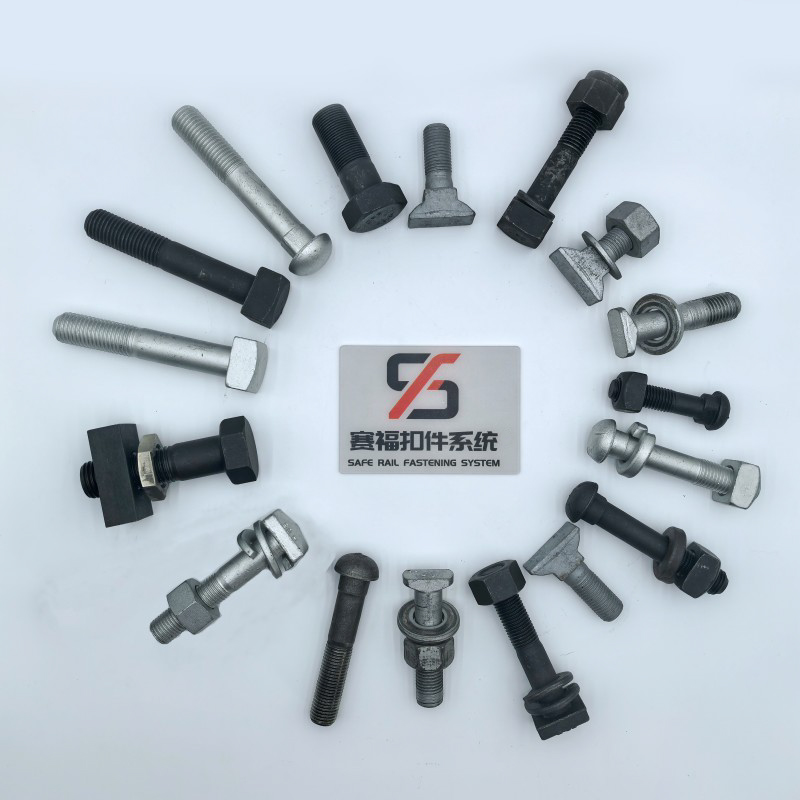
We at SFFST specialize in manufacturing superior quality railway fastening systems, such as cast shoulders and their respective parts. With years of experience supplying metro lines, high-speed railway networks, and heavy-haul networks around the globe, we realize the utmost importance of the role played by every component. This guidebook will reveal what a cast shoulder is, what its role in the railway fastening system is, and how SFFST products are superior in the market.
What is a Cast Shoulder?
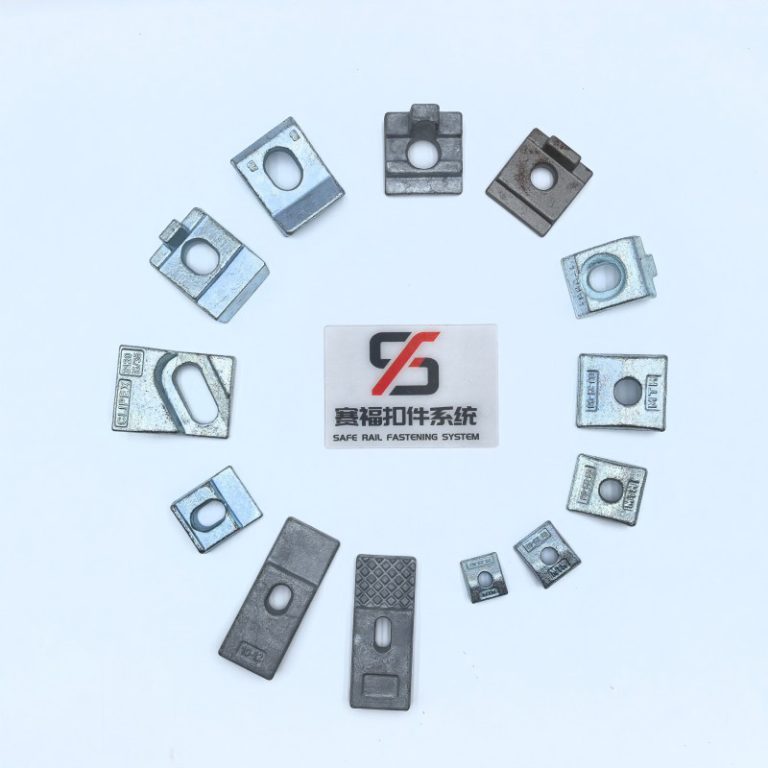
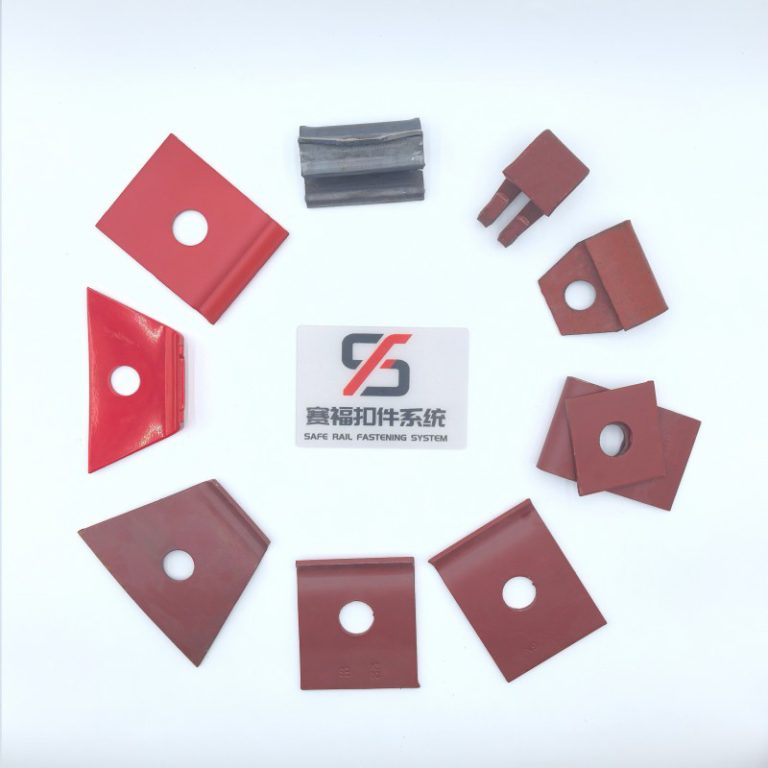
A Cast Shoulder is a well-designed element utilized in rail fastening systems to bear the rail and keep it stable in its position on the sleeper. Typically made of tough cast steel, cast shoulders are designed to bear harsh stress such as vertical loads due to train weight and lateral forces due to train movement. Our cast shoulders at SFFST are produced through rigorous quality control procedures on our state-of-the-art production lines, e.g., the SFFST Casting Production Line, to provide material strength and dimensional consistency. The cast shoulders come in different types and sizes to fit different rail profiles and fastening systems.
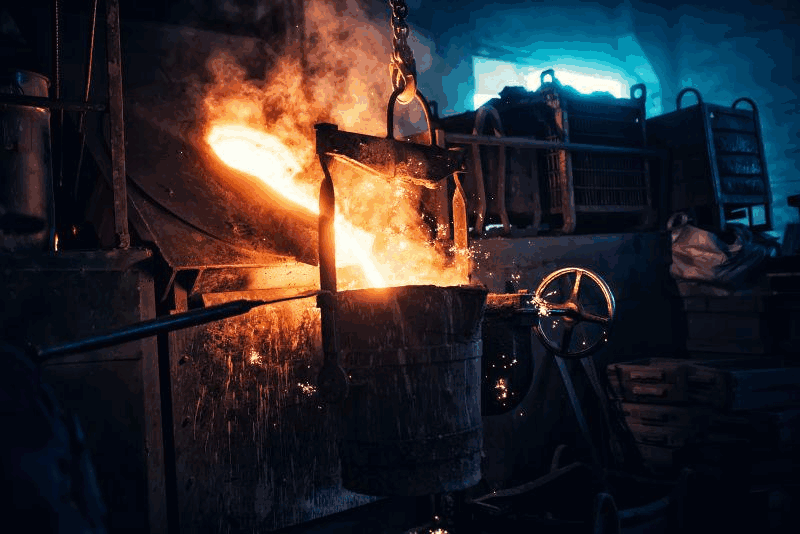
Materials and Design
SFFST cast shoulders are constructed from high-strength alloy steel for assurance of strength, corrosion resistance, and long-lasting performance. The design includes a strong shoulder body, a contoured rail seat, and accurate mounting points for safe integration into rail clips and pads.
Types of Cast Shoulders
Cast shoulders, based on the application, can be categorized into standard, heavy-duty, and high-speed. For instance, the SFFST Heavy-Duty Cast Shoulder is utilized particularly in the use for freight tracks and heavy-haul railroads where the vertical and lateral forces are high. On the other hand, our High-Speed Rail Cast Shoulder is designed to include low vibration and noise in high-speed rail tracks.
Position in Railway Fastening System
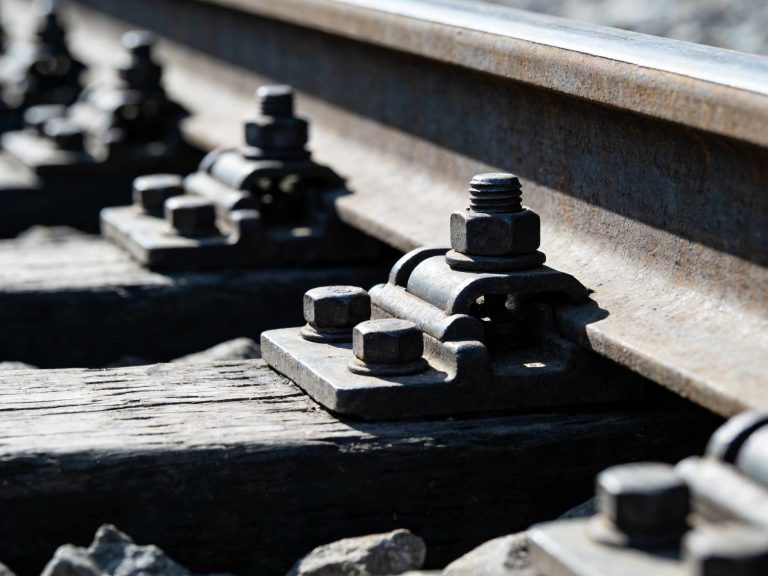
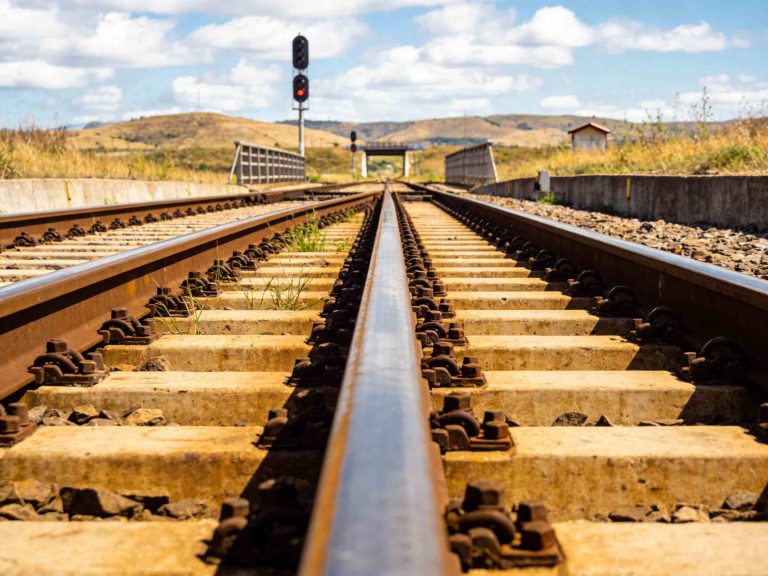
The cast shoulder is located between the sleeper and the bottom of the rail and acts as an essential interface to bear the rail. It acts together with other railway components like the elastic rail clips, the rubber pads, and the bolts to keep the track in a correct gauge and alignment. For example, in SFFST’s W300 Rail Fastening System, the cast shoulder is assisted by anti-vibration pads and resilient clips to ensure a stable but flexible rail mounting system. Our product, SFFST Cast Shoulder, is highly suitable for both metro and normal rail systems and is versatile in all respects.
Core Functions of Cast Shoulder
Rail Gauge Maintenance
The rail gauge—the distance between two rails—is accountable for the secure operation of the train. Misaligned gauge can lead to derailment or excessive wear on track and rolling stock. The primary purpose of the cast shoulder is to ensure proper gauge through stable rail location on the sleeper. SFFST cast shoulders have precisely engineered shoulders to guarantee even rail spacing. The proper gauge realized by these products is directly related to the safety of operation and the life of the track.
Imparting Elasticity and Absorption of Vibration
Railway tracks are subject to dynamic loads from trains round-the-clock. In the absence of elasticity, the loads would lead to deformation of the tracks, create noise, and promote wear and tear. Cast shoulders combine with elastic clips and rubber pads to absorb vibrations and impart some flexibility. SFFST’s cast shoulders, especially when combined with our SKL Tension Clamp, offer the greatest amount of vibration absorption, and they decrease the noise and structural stress. All this synergy not only extends the lifespan of the track components but also increases the comfort of rail passengers on metro and high-speed rail tracks in the city.
Resisting Lateral Forces
Trains exert lateral forces while turning through curves, accelerating, braking, or overtaking one another on the adjacent tracks. The cast shoulder’s rugged build ensures that it withstands such forces and maintains the rail properly seated and in position. Our Heavy-Duty Cast Shoulder addresses the freight and heavy-traffic railroads. Proven in challenging conditions in projects like the Fenghong and Jingshen Railway Project, these cast shoulders have successfully ensured track integrity while withstanding the lateral stress of heavy payload freight.
Benefits of SFFST Cast Shoulders
SFFST cast shoulders offer several advantages over generic alternatives:
- Durability: Made with high-strength alloy steel for long service life.
- Precision Fit: Engineered to exact dimensions to work seamlessly with SFFST fastening systems.
- Versatility: Compatible with metro, high-speed, conventional, and heavy-haul rail networks.
- Ease of Installation: Designed for efficient assembly and replacement, minimizing maintenance downtime.
- Project-Proven Performance: Successfully deployed in projects like the Chengdu Metro Line 17 Project and the Datong-Xi’an High-Speed Rail Project.
By providing our cast shoulders with full fastening systems, SFFST guarantees total solutions, guaranteeing performance as well as safety.
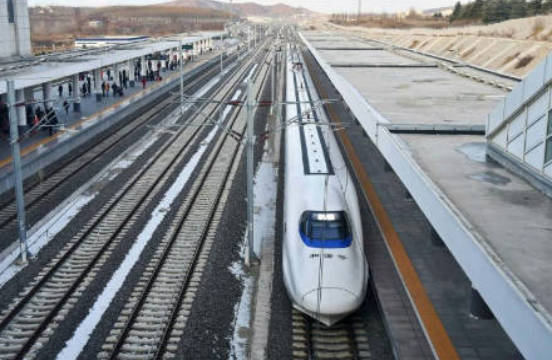
Uses in New Railway Systems
Cast shoulders are indispensable in any sort of railway system.
- Urban Metro and Intercity Rail: SFFST cast shoulders minimize vibration, maximize passenger comfort, and guarantee long-term stability.
- High-Speed Railway Lines: Dimensionally accurate shoulders ensure gauge and alignment at high speeds, fulfilling the demanding requirements of over 300 km/h running trains.
- Freight and Heavy Haul Rail: SFFST cast shoulders withstand heavy loads and side loads, offering low maintenance and high reliability.
In all such applications, SFFST delivers customized solutions to address specific environmental and operating conditions.
Maintenance and Inspection
Periodic inspection becomes essential for ensuring railway track integrity. Any deformation, wear, or crack in a cast shoulder suggests its likely replacement. SFFST advocates keeping up the normal inspection routine and replacing cast shoulders at fatigue indications to avoid operational problems. Our cast shoulders are specifically designed to be replaced easily with minimal disruption of rail operation.
FAQ
Q: What is the primary purpose of a Cast Shoulder?
A: The primary purpose of a Cast Shoulder is to ensure rail gauge, provide elasticity, and absorb lateral forces in railway fastening systems.
Q: How long will the SFFST Cast Shoulder endure?
A: With reference to traffic load and climatic conditions, SFFST Cast Shoulders are constructed for long-term functioning, typically lasting several decades under proper maintenance.
Q: Are Cast Shoulders applied to every kind of rail track?
A: SFFST manufactures Cast Shoulders for urban, high-speed, and freight railway tracks for optimal performance in all applications.
Q: How does one determine when to replace a Cast Shoulder?
A: Wear, cracking, or deformation can be observed and are indications for replacement. Scheduled inspections according to SFFST’s advice determine replacement.
Q: Are SFFST Cast Shoulders simple to install?
A: Yes, SFFST Cast Shoulders are smartly designed to fit quickly and reliably into most railway fastening systems.