The Hidden Forces Beneath the Rails
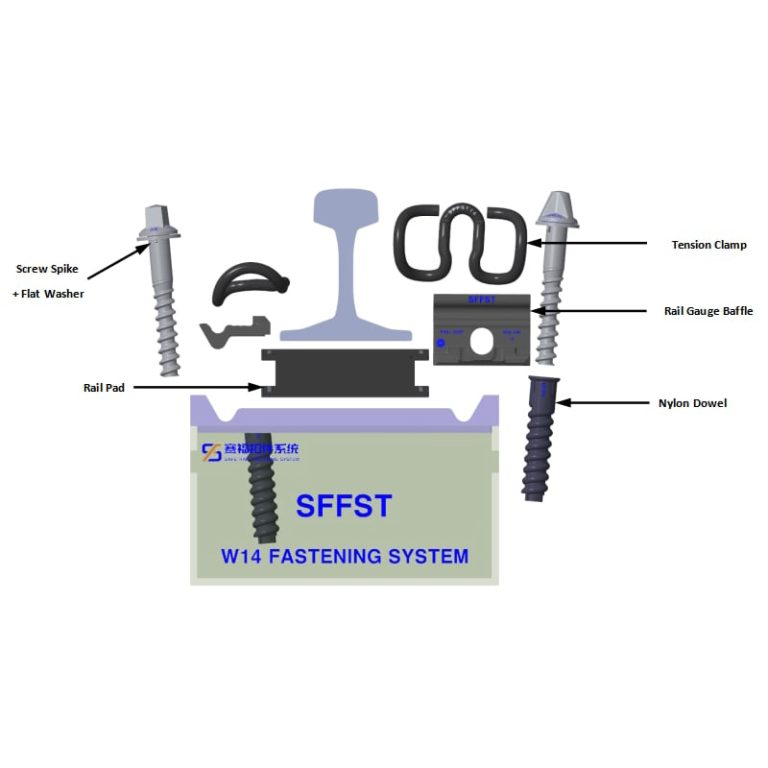
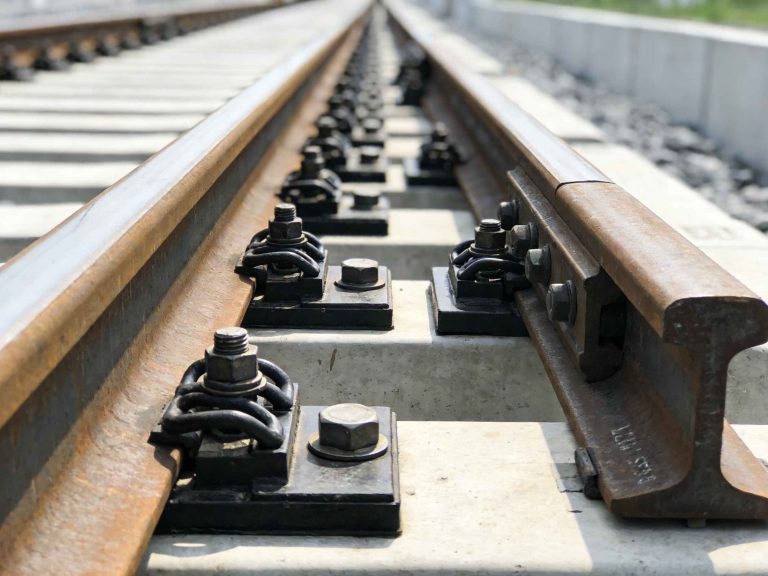
A fast train speeds by in a burst of motion and strength. Yet, everyday riders miss the web of carefully built systems that operate quietly under the tracks. One key part among these overlooked pieces is the height adjustment pads. They help keep railway safety and stability in place. The height adjustment pad is an essential component of the railway fastening system. In some fastening designs, it also performs the function of an insulation buffer pad, providing both height adjustment and electrical insulation. It helps set track height, make up for sinking ground, spread out pressure evenly, and contributes to overall track stability by ensuring uniform rail seating and consistent load transfer. All this supports safe and even rail travel.

Why Safety and Stability Depend on Precision
Even small vertical deviations can pose safety risks, especially under high-speed or heavy-load operating conditions. High-speed trains require precisely controlled track geometry to avoid excessive dynamic forces and abnormal stress on rolling stock and track components. Steady rail work goes beyond tough materials. It involves clever plans that handle small changes in land or weight. Height adjustment pads are typically manufactured from engineering plastics, fiber-reinforced composites, and synthetic elastomers. These let them take in uneven spots and keep rails lined up well over the years.
Understanding Height Adjustment Pads
What Are Height Adjustment Pads?
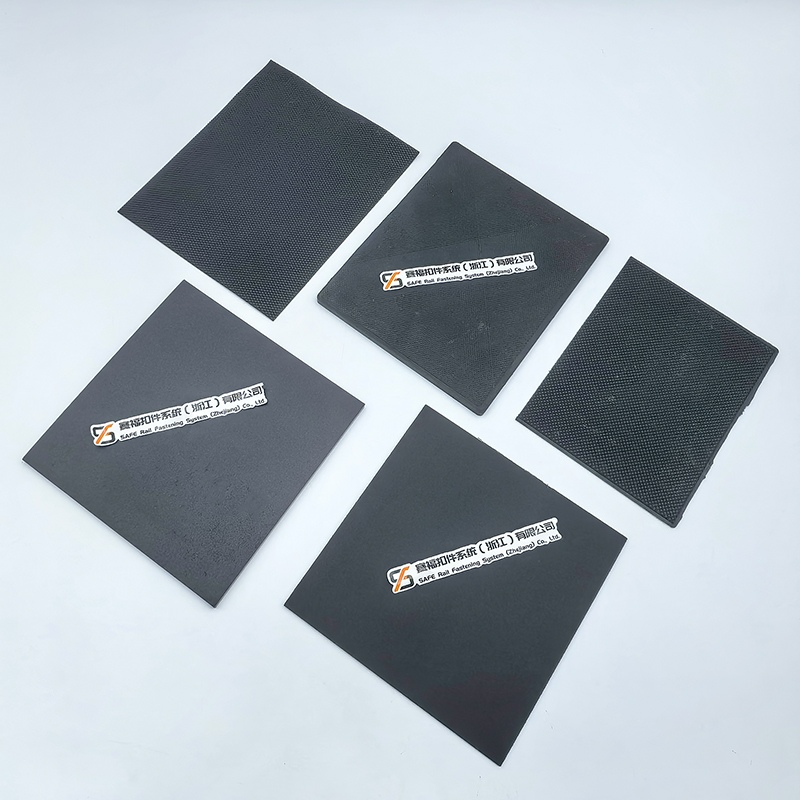
In basic terms, height adjustment pads are non-metal items set between the baseplate and the rail. They handle big weights and rough weather while allowing small tweaks for up-and-down alignment. These materials provide controlled elasticity, long-term durability, and resistance to wear. This makes them vital for ongoing use. SFFST supplies Height Adjustment Pad/Insulation Buffer Pad with options that fit project needs. Their jobs cover setting track height, fixing settlement issues, sharing force fairly, keeping gauge intact, and aiding upkeep tasks.
The Role of Height Adjustment Pads in Rail Systems
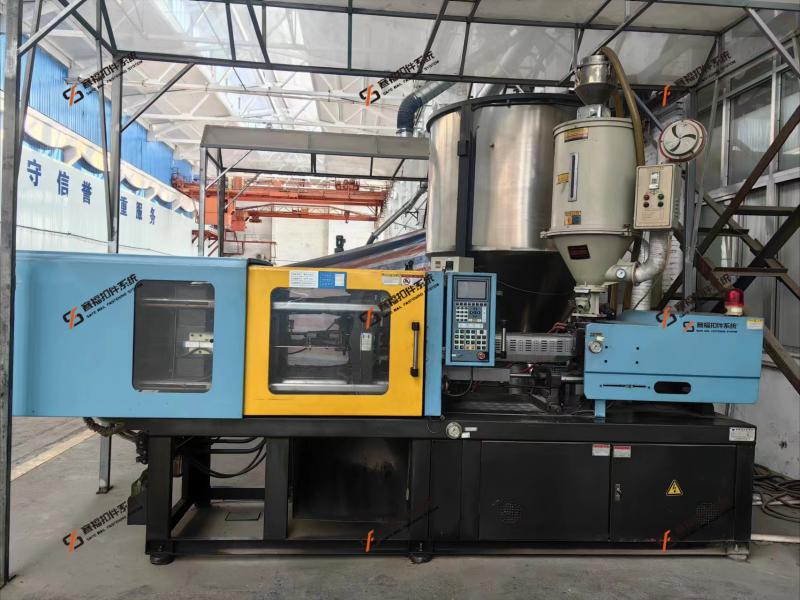
SFFST height adjustment pads come from exact work with modern molding methods. Our molding setup creates many kinds of rail width guards, blocks, built-in pins, height adjustment pads, and similar goods. It uses a full auto feed center and fresh molding units. These steps guard product standards and boost output speed. Such setups match global rules like EN 13146 and EN 13481. As an OEM and OBM maker, we at SFFST offer standard types from around the world. We also craft custom fixes for exact work demands.
Supporting Safety Through Precision Adjustment
Compensating for Ground Settlement
Rail bases rest on soil that moves with seasons, rain, or long-term wear. Uneven sinking can throw rails off line. SFFST height adjustment pads enable tiny changes without tearing up the whole track. These cuts stop times and expenses a lot. At the same time, it keeps the track solid.
Preventing Track Irregularities
Bumps in tracks do more than jolt riders. They raise crash chances and speed up damage to trains and rails alike. Height adjustment pads soak up gaps between baseplates and rails. Thus, they smooth out shifts at connections or rough ground. The bend in their makeup keeps work steady through time.
Enhancing Stability Under Load
Even Weight Distribution Across Rails
Trains push down with great force during runs. If that load pools in one spot on the base, it causes early breakdowns or full cracks. SFFST’s Height Adjustment Pad/Insulation Buffer Pad fills a key spot in this. It gives a flat touch area and bounce-back strength. As a result, weight spreads out across the baseplate and soil below. This lowers hot spots of strain.
Reducing Vibration and Noise Transmission
Shakes from trains wear down rail parts and train gear. They also spread loud sounds to nearby areas. The tough mix in our height adjustment pads—plastics for engineering, fiber boosts, and fake rubber—cuts shakes. This leads to better trips and longer use for parts. For example, in noise-sensitive zones near cities, fitting these pads helped reduce structure-borne noise levels in noise-sensitive urban areas.
Protecting Signal System Integrity
Electrical Insulation Capabilities of Pads
Rail signals depend on a steady electric flow and blocks to send clear messages. Extra currents or jumps can mess up safe runs. Our height adjustment pads work as insulation buffer pads, too. They stop leaks of power between rails and bases. This keeps signals sharp. It’s key for hand-run or auto setups.
Ensuring Signal Reliability in All Conditions
Rails must run through heavy storms or cold snaps without breaks. Open air can ruin bare stuff, causing wrong alerts or outages. SFFST builds its pads to hold insulation strength in wild weather. They suit any spot in the world, rail lines.
The Unsung Hero of Rail Infrastructure
Long-Term Cost Efficiency and Reliability
Upkeep on wide rail webs costs a bundle. But smart picks in strong parts cut future bills by a wide margin. SFFST pads lessen calls for regular fixes or rush jobs. Their tough build stretches life for track bits and train units. It stops harm from off-kilter spots or shakes.
Supporting High-Speed Rail Development Globally
Fast rail calls for stricter fits than old lines. A tiny 1mm off can spell trouble at over 300 km/h. In works like the Shangqiu-Hefei-Hangzhou High-speed Railway Project and Morocco Kenitra-Marrakech High-Speed Railway Project, SFFST showed our fastening gear—including Height Adjustment Pad/Insulation Buffer Pad—handles new fast needs. It does so without losing safety or steady hold.
Conclusion
Height adjustment pads from SFFST go beyond simple fillers. They act as exact tools built for safety, steady work, and lasting use in rail setups. Passengers don’t spot them, but their job stays central to smooth, true, and safe train paths over varied lands and weather. Seeing their worth helps grasp the detailed work in current rail builds.
FAQ
Q: What is a height adjustment pad used for in railways?
A: It fine-tunes the up-down spot of rails. It fixes ground sinks or builds gaps to keep train paths even.
Q: How do height adjustment pads improve railway safety?
A: They stop uneven rails that might cause wrecks. They hold rail height steady and share loads fairly.
Q: Are SFFST height adjustment pads suitable for high-speed rail?
A: Yes, they fit the needs of fast rail where exact line-up matters most.
Q: Do these pads require frequent maintenance?
A: No, SFFST shapes its height adjustment pads for long wear with little upkeep in usual runs.
Q: Can these pads affect signal system performance?
A: They boost it. SFFST’s pads give electric blocks that guard signals from mix-ups by loose currents.