Railway transport is among the most efficient and busiest forms of transportation and logistics globally. Between densely populated metro lines and long-haul freight trains, safety is a concern. Improving railway safety avoids accidents, safeguards investments in infrastructure, and ensures smooth, uninterrupted operations. A good railway network depends on good infrastructure, including tracks, sleepers, fasteners, and crucial components like baseplate pads. Any loose link in this chain, including a cracked or weak component, can contribute to track deformation, excessive vibration, and increased safety risks.
What Are Baseplate Pads?
Definition and Materials
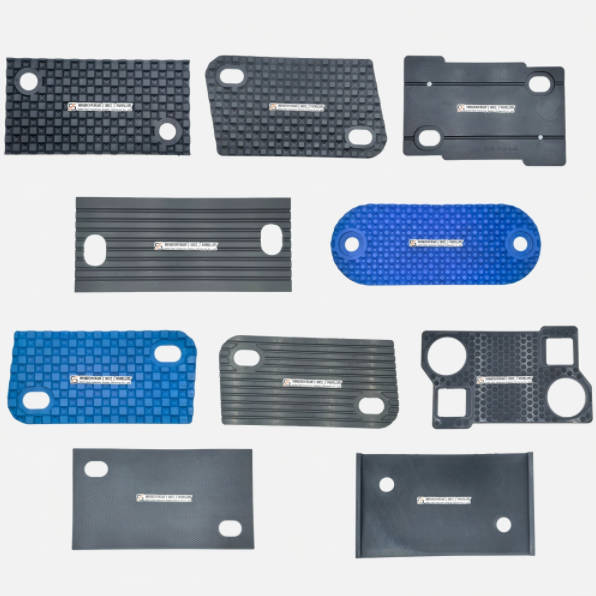
Baseplate pads are metal-free elastic components installed between the rail foot and the steel baseplate, providing elasticity, damping, and insulation within the rail fastening system. They offer elasticity, shock absorption, and insulation to safeguard rail infrastructure. Typical materials are:
- Rubber–high vibration absorption and elasticity.
- Polyurethane–excellent wear resistance and strength.
- Thermoplastic elastomers–heat-resistant flexibility.
- Composite blends–specially designed properties for specific uses.
Positioning in the Rail Fastening System
Baseplate pads are found just under the rail baseplate. Strategically positioned, they transmit, absorb, and distribute vertical and lateral loads generated by passing trains, protecting sleepers and fasteners from excessive stress, protect sleepers and fasteners from excessive wear and fatigue.
Typical Types
SFFST provides a wide range of baseplate pads to cater to:
- High-speed railway tracks.
- Metro tracks.
- Heavy-haul freight railway tracks.
Being an OEM as well as an OBM manufacturer, SFFST can supply standard pads and fully customized pads for specific project needs.
Roles of Baseplate Pads
Shock Absorption and Vibration Reduction
Train movements are cushioned by baseplate pads and, therefore, structural fatigue is reduced, noise pollution is prevented, and track life is improved. Rubber and polyurethane are such materials that contribute significantly to dynamic load absorption.
Electrical Insulation
Since a baseplate pad serves as an insulator between metal components and the earth, undesirable electrical conductivity is avoided—something that is needed for electrified rail transport like metros and high-speed rail corridors.
Load Distribution
Pads spread vertical loads equally among sleepers, keeping track geometry and stability in balance. This minimizes points of stress within localized areas, which may contribute to premature track failure.
Passenger Comfort
While often unnoticed by passengers, baseplate pads elevate the threshold of ride quality. By minimizing vibrations and keeping track alignment smooth, they provide safer and more comfortable travel.
How Baseplate Pads Enhance Railway Safety
Prevention of Track Deformation
Permanent dynamic train loading can permanently deform rail tracks. Baseplate pads counteract this with an energy-absorbing cushion that minimizes stress concentrations on fasteners and sleepers.
Less Maintenance Required
By vibration damping and load distribution, baseplate pads provide extended life of rail components. This means less maintenance action and lower life-cycle costs—a requirement for operators who require effective operations.
Enhancing Passenger Comfort and Safety
These are not discernible to the passengers at first, but ride quality is greatly enhanced with baseplate pads. Minimizing vibrations and keeping track alignment smooth, they provide a more secure and comfortable ride.
SFFST Baseplate Pads: Technology and Reliability
Advanced Manufacturing
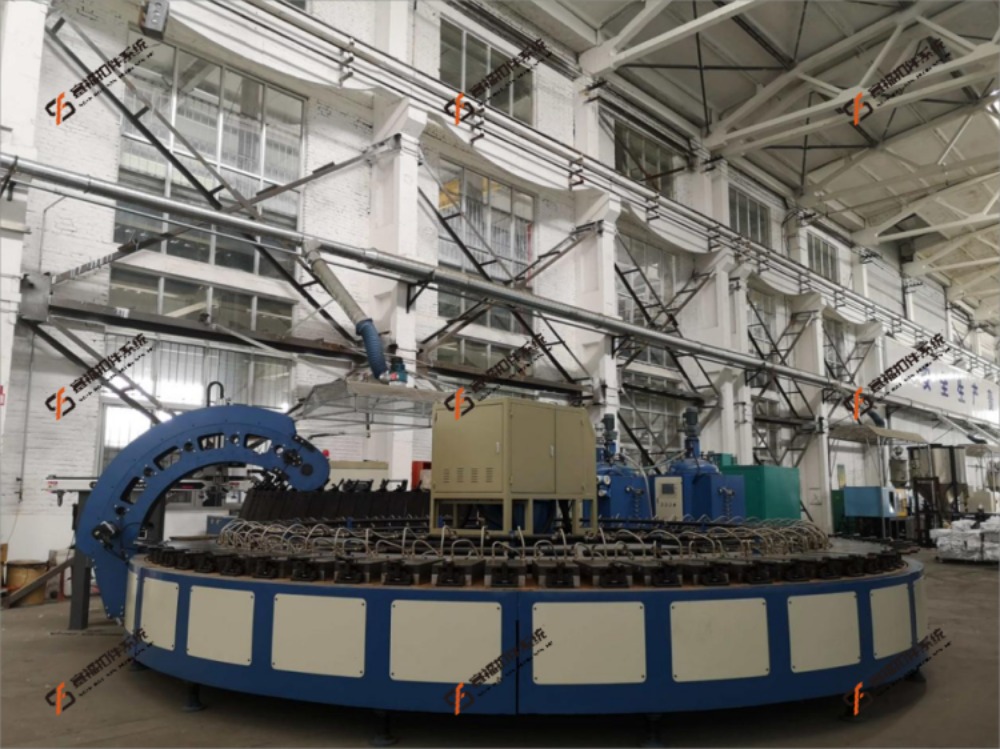
SFFST applies computer-controlled polyurethane pouring machines and computer-aided CNC technology at some production lines, from pouring, mold operation, demolding, and part handling. The process guarantees accuracy and quality consistency for all pads.
Durability and Elastic Performance in Harsh Environments
Our rubber baseplate pads are designed to withstand extreme temperatures and long-term mechanical loading. High-speed and normal rail pads made by fully automatic production lines are suitable for high-performance applications.
Compatibility with New Rail Systems
SFFST pads are adaptable to:
- Traditional railways.
- High-speed rail.
- Heavy-haul freight.
- Metro systems.
Our pads for tracks can seamlessly integrate with international track systems.
Industry Significance of Baseplate Pads
Standards and Specifications of Rail Systems
SFFST comprehensive in-house testing facilities ensure compliance with international standards such as EN 13146 and EN 13481, as well as China’s TB standards, covering static stiffness, fatigue, electrical resistance, and durability performance.This quality control guarantees compliance with railway safety standards internationally.
Global Railway Network Adoption
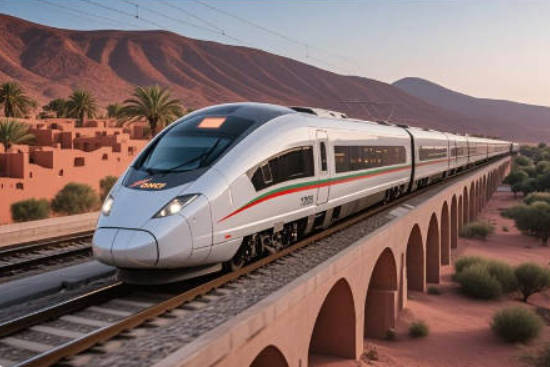
Our products are reliable globally. Through precision manufacturing and end-to-end quality control, SFFST products have been applied in major international projects, including the Morocco Kenitra–Marrakech High-Speed Railway, which is a testament to how our parts improve global rail infrastructure.
The Future of Track Safety Technology
As rail networks advance to higher speeds and heavier loads, so do their components. SFFST keeps upgrading R&D investment through our Shanghai Research Center to create next-generation rail fastening products.
Selecting the ideal Baseplate Pad
In selecting a baseplate pad, one must account for parameters like anticipated load conditions, climatic conditions, track structure type, level of vibration, and legal requirements. Rubber has high elasticity, whereas polyurethane has long-lasting wear resistance—developing the appropriate one relies on application-specific requirements.
Advantages of transacting business with SFFST
- More than 50,000㎡manufacturing bases in Zhejiang Province.
- 5 million units of rail fastening sets capacity per year.
- 30,000-ton capacity 3D intelligent warehouse.
- Strong OEM & OBM support for customization.
- Certified with ISO9001, ISO14001, ISO45001.
SFFST integrates powerful production, compliance with international standards, and customization strength to provide reliable railway safety products.
Conclusion
Baseplate pads are a critical safety feature for railways, mitigating vibrations and guarding track elements. SFFST offers high-performance, quality pads for next-generation rail infrastructure such as high-speed, metro, and heavy-haul rail tracks. Products adhere to international and regional standards, ensuring improved stability on the track, comfort for passengers, and minimized maintenance. Through a prudent investment in quality baseplate pads from SFFST, rail operations become safer, more efficient, and smoother, and railways can meet current and future infrastructure requirements.
FAQ
Q: What is the purpose of a baseplate pad?
A: A baseplate pad serves between the rail baseplate and sleeper to reduce shock, eliminate vibrations, provide electrical insulation, and distribute loads evenly on the track structure.
Q: What materials are most suited for baseplate pads?
A: Commonly used materials include rubber for flexibility, polyurethane for wear resistance, thermoplastic elastomers for thermal flexibility, or composite mixes as per working conditions.
Q: Are SFFST baseplate pads available for customization?
A: Yes, we are not only capable of manufacturing an amazingly large array of globally shared forms of baseplate pads but also offers custom solutions based on our customers’ specific needs.
Q: How can I determine what pad I require?
A: Consult with our engineering staff who can review your project’s technical specifications—load conditions, speed classes, environmental exposures—to suggest an optimum solution.
Q: Are SFFST products international standards?
A: Yes. Our products are compliant with EN 13146 and EN 13481 standards overseas and TB standards locally.