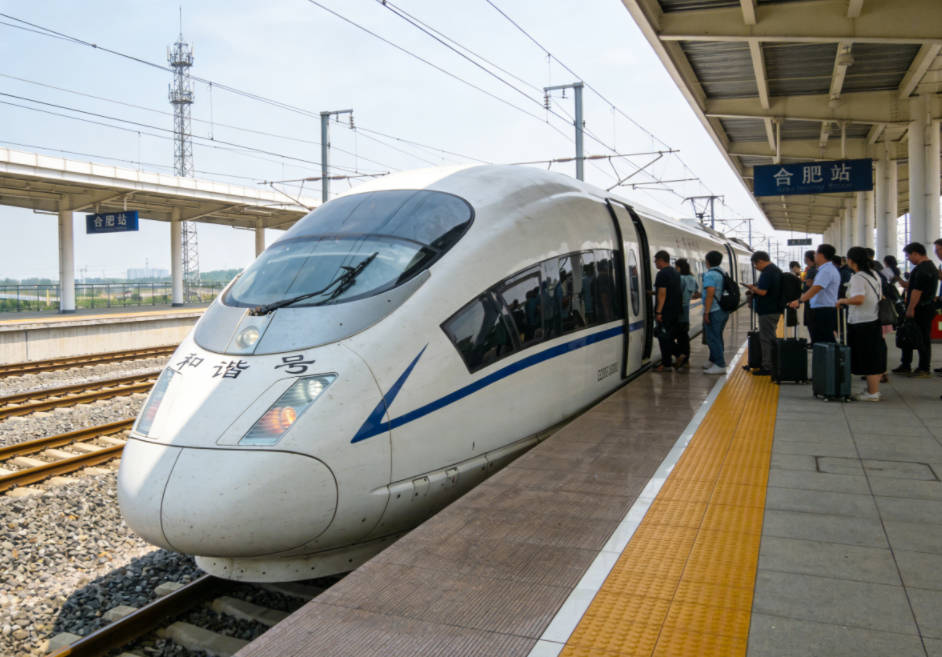
Railway systems form a detailed network that relies on the smooth combination of many parts to keep things safe, dependable, and effective. Each piece—from the large rail sections to the tiny clips—helps hold the track together. Some of the least noticed yet vital elements are those that keep the track straight and block electrical flow. One example is the rail gauge insulator. Even though it is small, this part has a big effect on the safety and operation of the whole railway setup.
Introducing the Rail Gauge Insulator
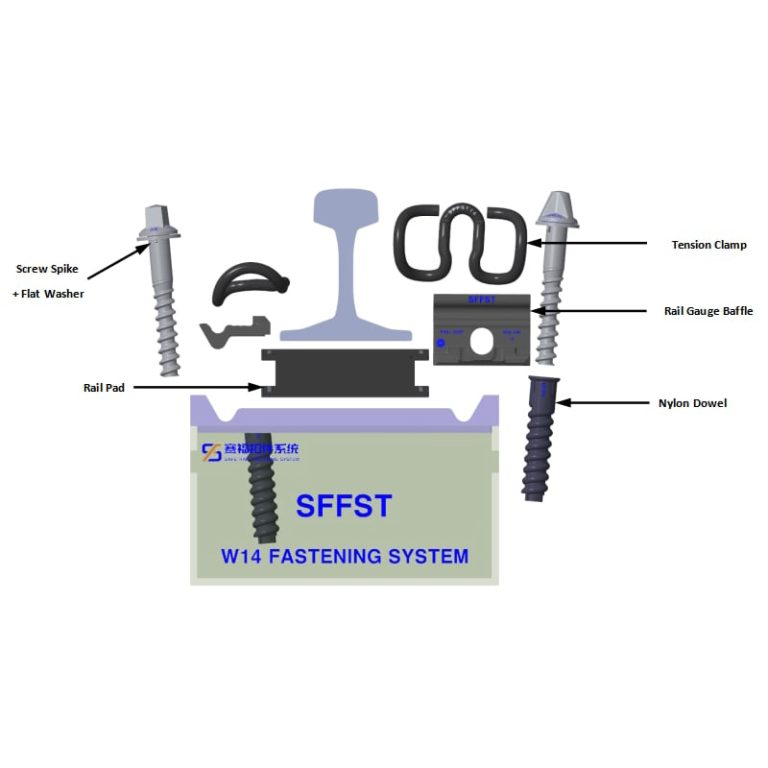
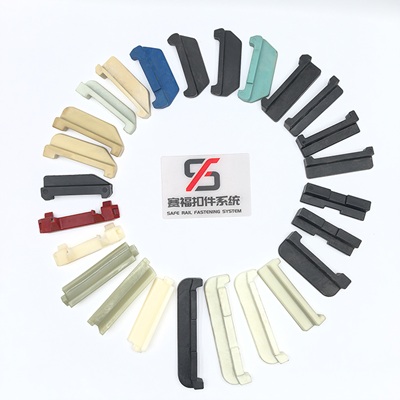
A rail gauge insulator maintains the precise spacing between the two rails, which is critical for ensuring smooth and safe train operation, minimizing the risk of derailment or misalignment. It also blocks electricity, which stops problems in signaling setups. The rail gauge insulator helps keep the gauge steady, offers electrical insulation, cuts down on vibration and noise, stands up to weather, and makes upkeep easier.
At SFFST, we focus on making versatile rail gauge insulators that support both physical strength and safe running. SFFST runs an injection molding line that creates different kinds of rail gauge insulators, rail gauge baffles, embedded dowels, height adjustment pads, and similar items.
What Is a Rail Gauge Insulator?
Basic Definition and Function
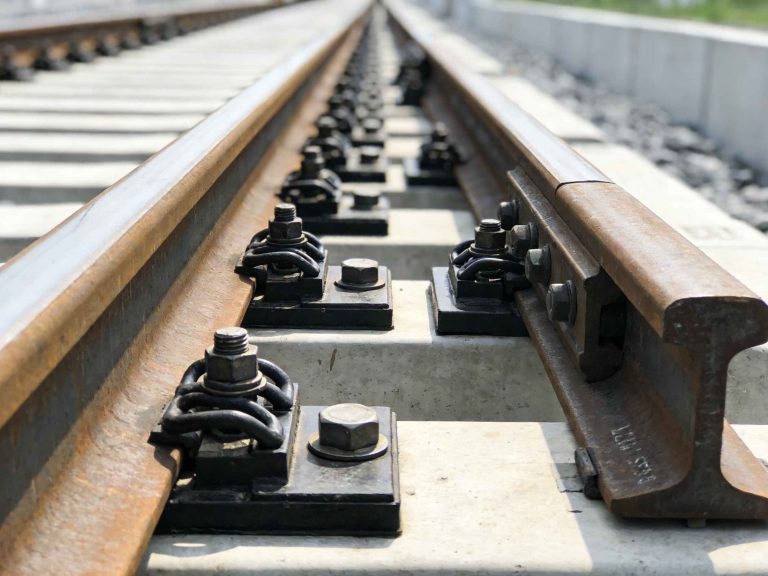
A rail gauge insulator is a part placed between the rail and the tie plate, or baseplate. It keeps the right space between rails. This space, called the rail gauge, lets train wheels roll evenly on the tracks. Without it, trains might slip off. Gauge means the shortest distance between the inner edges of two rails, measured 16 mm below the rail head. Keeping this exact measure stops side-to-side shifts and aids steady travel at fast speeds.
Materials Used in SFFST Rail Gauge Insulators
At SFFST, we pick strong materials for our rail gauge insulators. We use custom options like glass fiber-reinforced polyamide, polyester resin, polyurethane, and polyoxymethylene. These choices give good durability, resistance to electricity, heat tolerance, and protection from the elements. They fit well in standard tracks and high-speed lines alike.
Key Functions of SFFST Rail Gauge Insulators
Acting as a Gauge Keeper
Our rail gauge insulators ensure consistent rail gauge spacing, even under the dynamic loads generated by trains, preventing lateral rail displacement that could lead to derailment or misalignment. The sturdy build means the spacing stays exact for many years.
Providing Electrical Insulation
A key function of our rail gauge insulators is to provide electrical isolation between the rails and grounded components, such as tie plates, which is crucial for preventing electrical faults in signaling systems. Additionally, they reduce vibrations and prevent wear on track components. This matters a lot for track circuits in today’s signaling systems.
The entrance signal guards the station and shows if a train can enter from a section, along with the needed conditions. If insulation fails, signals might glitch from stray currents. For example, in metro systems with tight schedules, solid insulation avoids delays that could affect hundreds of passengers daily.
Reducing Vibrations and Noise
Our rail gauge insulators effectively dampen vibrations caused by train movements. This not only stabilizes the track gauge but also reduces noise levels, improving operational efficiency and mitigating noise pollution in urban areas.
Enhancing Durability of Track Components
By acting as a protective buffer between rail components, our rail gauge insulators reduce wear and tear on critical parts such as tie plates and sleepers, extending the lifespan of the entire fastening system and reducing maintenance needs. SFFST provides a wide array of products and services, including OEM and OBM rail fastening systems for conventional, high-speed, heavy-haul, and metro uses.
Why Multifunctionality Matters in Railway Safety
Integrated Safety Benefits
The multifunctional design of our rail gauge insulators provides critical benefits: it maintains precise rail gauge, ensures proper electrical isolation for signaling systems, and reduces vibration, all of which contribute to long-term track integrity and safety. It is a must-have in the railway setup. Putting these tasks into one piece cuts down on extra components, which lowers the spots where things could go wrong. This approach has shown up in real projects, where fewer parts mean less overall cost in upkeep over a decade.
Role in Modern Railway Systems
From fast passenger networks to tough freight paths, our products stand up to different settings. SFFST offers a diverse range of products and services, including OEM and OBM rail fastening systems for conventional, high-speed, heavy-haul, and metro applications. Our rail gauge insulators work well in spots with big temperature swings, wet conditions, or heavy pressure, and they need little care. Take the challenges of winter in northern China—our rail gauge insulators resist cracking at -40°C, as tested in lab simulations matching real winters.
How SFFST Ensures Quality and Reliability
Advanced Manufacturing Techniques
We apply exact injection molding methods to make sure each item hits the mark. The setup uses a full automatic central feeding system and fresh injection molding machines to guard product quality and boost output speed. Our automatic tools keep standards high while ramping up volume. Plus, we provide designs made to fit the client’s needs. As an OEM manufacturer, SFFST can produce many standard international types of rail gauge insulators and also tailor items to exact customer wants. In our factory, daily runs of 10,000 units show how this setup handles large orders without flaws.
Field Testing and Compliance Standards
Prior to deployment, our products undergo rigorous testing in simulated operational conditions to ensure compliance with international standards such as EN 13146, EN 13481, and China’s TB specifications. Back in 2017, we supported the build of the Shangqiu-Hefei-Hangzhou High-Speed Rail, a major part of the “Eight Vertical and Eight Horizontal” network. This project spanned over 800 kilometers, and our rail gauge insulators helped ensure smooth operations from day one, handling speeds up to 350 km/h without a single reported failure in the first five years.
Conclusion
SFFST’s rail gauge insulators go beyond basic spacers. They act as vital all-purpose parts that back railway safety through firm support, electric separation, shake control, and lasting strength in many track types. Our focus on careful building and global rules means our products work steadily in all setups. This makes them a core need in current railway networks.
FAQ
Q: What is a rail gauge insulator used for?
A: It maintains proper distance between rails, provides electrical insulation, reduces vibration, and protects track components from wear.
Q: What materials are used in SFFST’s rail gauge insulators?
A: High-strength insulating composite materials such as glass fiber-reinforced polyamide, polyester resin, polyurethane, and polyoxymethylene.
Q: Are these rail gauge insulators suitable for high-speed trains?
A: Yes, SFFST’s products are engineered to perform under the demands of both conventional and high-speed rail systems.
Q: Do rail gauge insulators require regular maintenance?
A: They are designed for long-term performance with minimal maintenance needs under normal operating conditions.