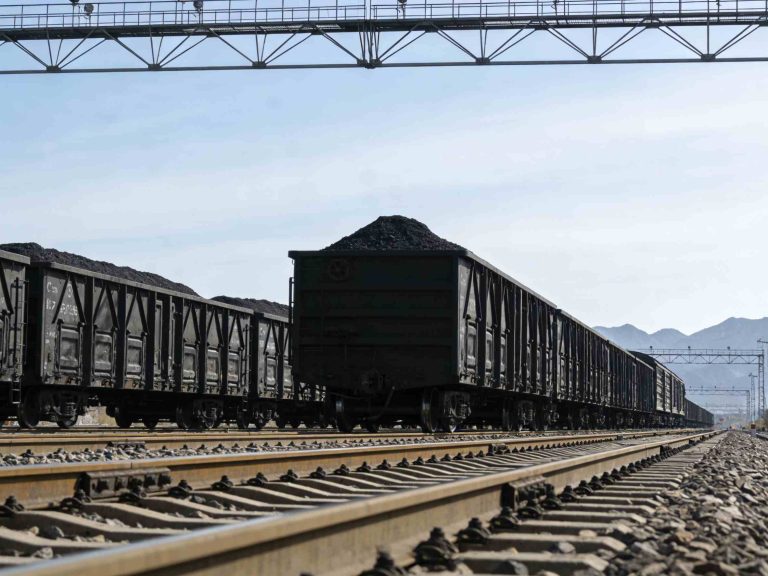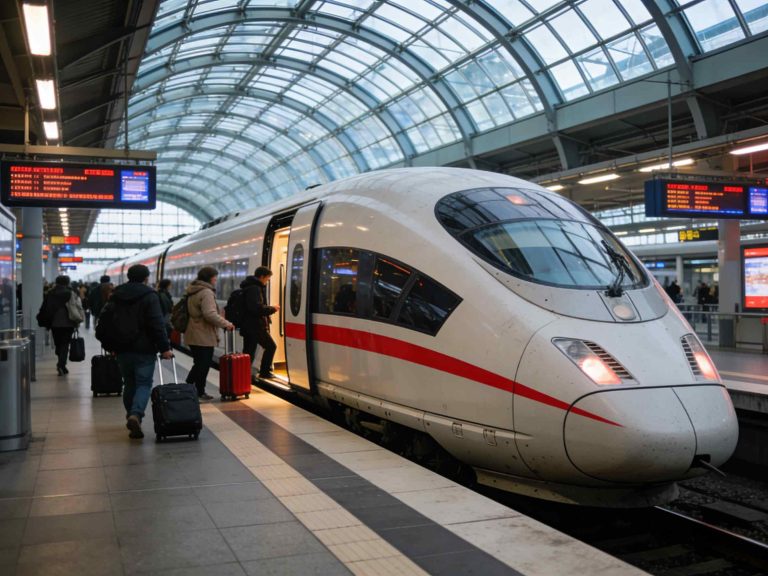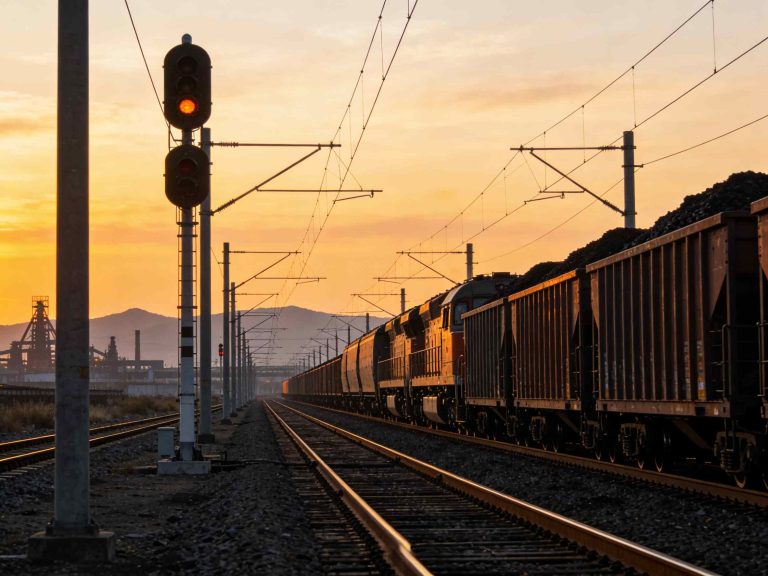
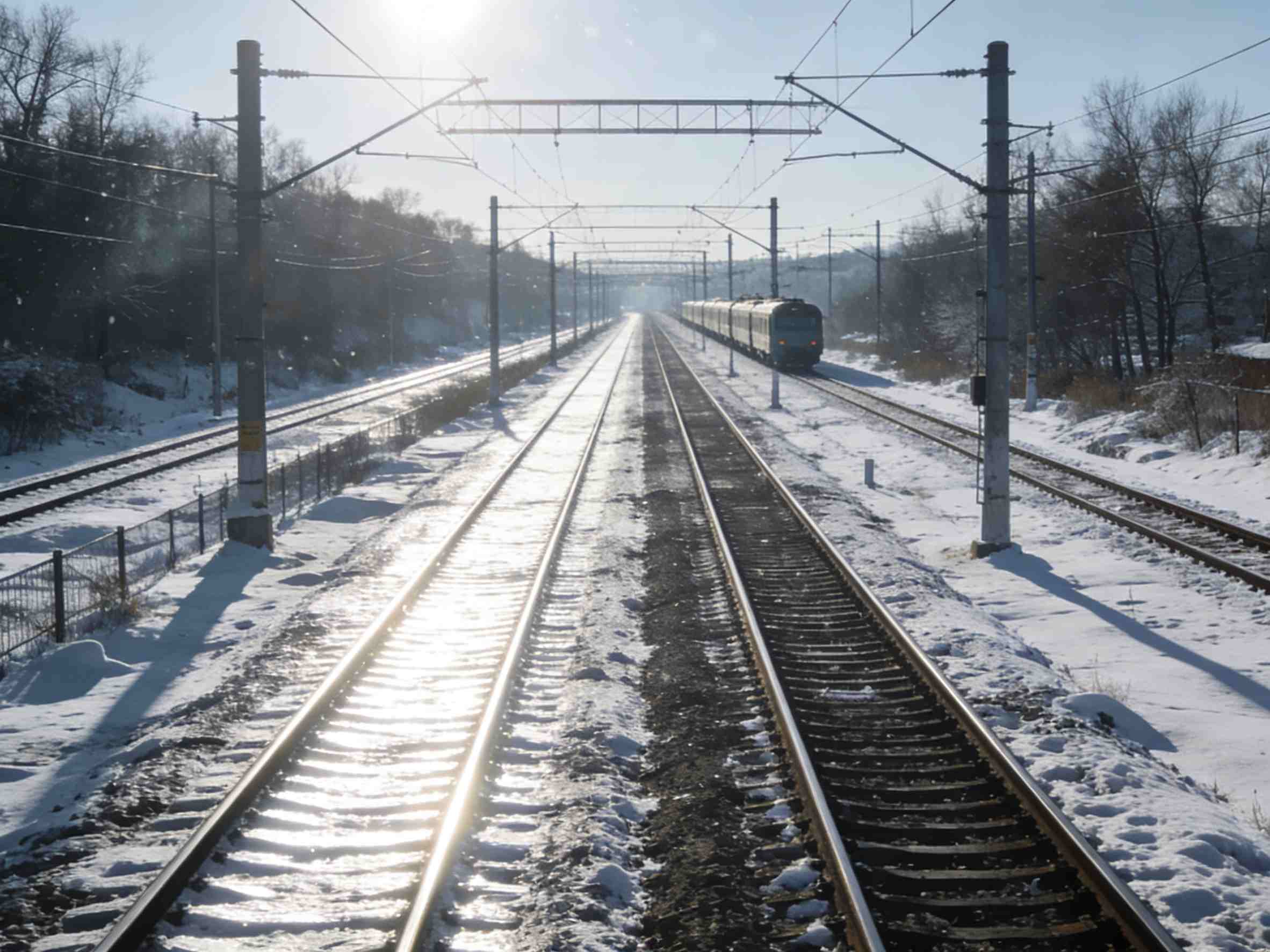
Railway infrastructure serves as the core of national and regional transportation networks. It helps move people and goods over long distances. Yet, these steel tracks face a constant issue: extreme temperatures. Steel rails grow longer in hot weather and shrink in cold. This thermal reaction can cause deformation. Such changes create major stress on the structure, particularly in regions with wide temperature swings.
During busy travel times, like the Chinese New Year, these problems grow worse. Trains run more often, adding extra dynamic loads to the tracks. Seasonal shifts also boost thermal stress. Keeping rails straight and strong under these pressures requires reliable fastening parts.
The critical role of the W tension clamp
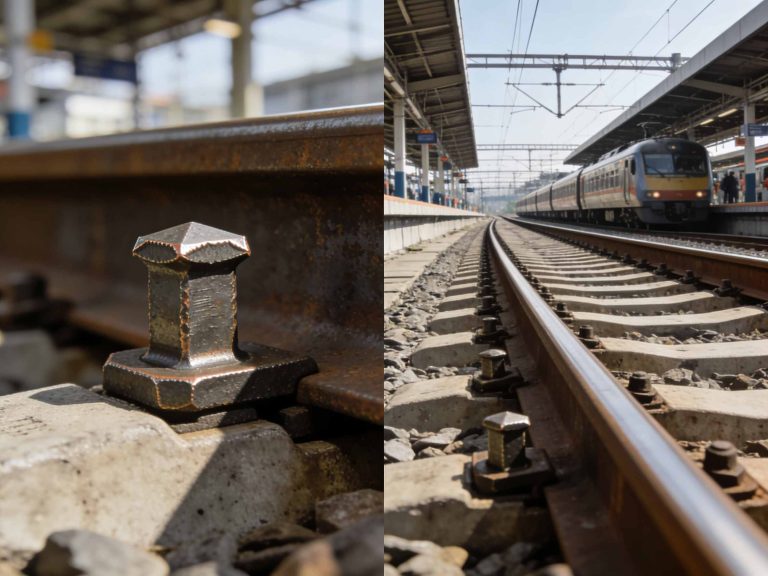
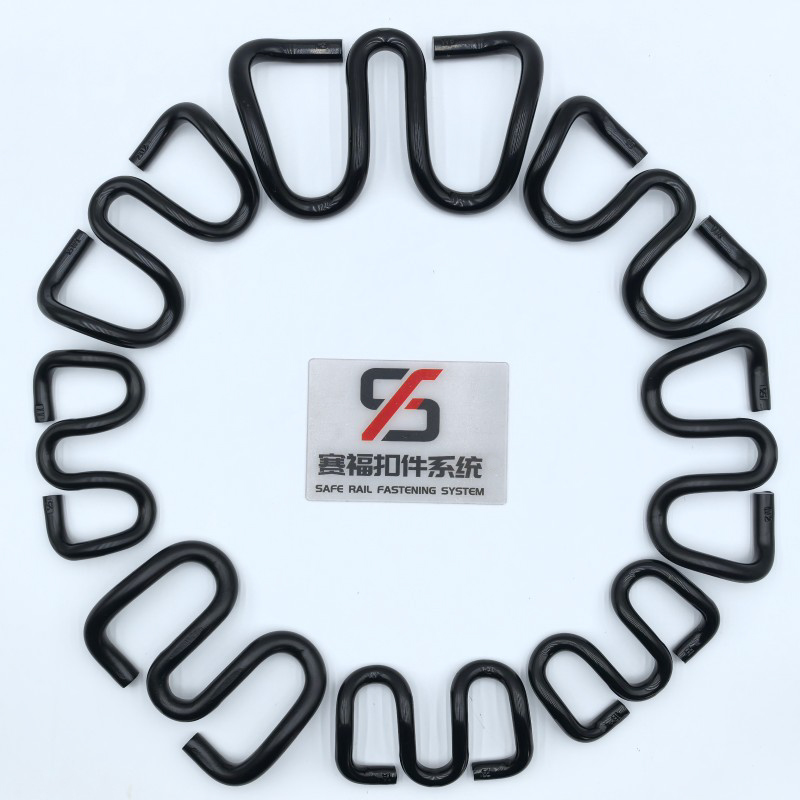
Among these parts, the W tension clamp holds a key position. Rail Clip, or Tension Clamp, acts as an essential element in rail fastening systems. It fastens the rail firmly to the sleeper or rail base. Manufacturers make it from spring steel bar or plate. At SFFST, we produce W Tension Clamps built to handle rail shifts from temperature variations. At the same time, they keep the rail from moving out of place.
Understanding Temperature Impact on Rails
Thermal expansion and contraction in rails
Railways depend on steel tracks, which react strongly to temperature shifts. Steel rails lengthen in warmth and shorten in chill, which might lead to buckling. If operators do not control these effects well, tracks can warp in summer heat or develop large gaps in winter frost. Proper restraint and flexible systems are vital. Without them, thermal forces might twist the track shape.
Risks of rail misalignment
Crooked tracks often cause derailments. Misaligned rails raise the risk of trains coming off the line. This danger stands out more during season changes, when thermal effects peak. So, every part in the fastening system needs to cooperate. In this way, it upholds track steadiness in all weather types.
Overview of the W Tension Clamp
What is the W tension clamp?
The W Tension Clamp is a sturdy spring steel fastener from SFFST for different railway uses. People apply W Tension Clamps in many common international fastening setups. These include Type II fastening system, Type Ⅴ fastening system, WJ-7 fastening system, WJ-8 fastening system and W300 fastening system. Its main job is to grip rails tightly. Yet, it allows some shift for expansion or contraction.
Key design features
Made from spring steel, the clamp provides strong bounce-back and resistance to wear from repeated use. It grips the rail solidly. But it lets the rail expand or contract a bit due to heat or cold. This prevents warping or harm to the track. Special coatings fight rust, so they last in tough outdoor settings.
SFFST uses automated production lines for accurate making in large quantities. The steps cover cutting, heating, shaping, hardening, softening, surface finishing, rust-proofing, and packing. They also include storage. All these stages run fully automated and mechanically.
Engineering Advantages Under Temperature Extremes
Adaptive force distribution
One main strength of the W Tension Clamp is its ability to keep a steady grip strength even when temperatures change or the rail length changes. This flexible pressure soaks up growth forces. It avoids putting too much strain on other parts, such as sleepers or baseplates. For instance, on a hot summer day with rails expanding by up to 1-2 mm per meter, the clamp adjusts without loosening.
This even spread of force also boosts overall lifespan. Parts suffer less damage and wear because stress focuses less on one spot.
Vibration and displacement resistance
Besides heat stress, tracks endure ongoing shakes and side shifts from heavy trains. The W Tension Clamp fights displacement well. Its roles include holding the rail secure, offering bounce, keeping the gauge steady, adjusting to temperature swings, cutting down on upkeep, and lowering noise. These traits maintain track shape over time. They also reduce the need for constant fixes. On busy freight routes, where trains pass every 10 minutes, such clamps help avoid misalignment issues that could lead to speed restrictions.
Role During Holiday Peak Periods
Increased operational demand during the Chinese New Year
Chinese New Year brings one of the biggest human movements worldwide. Railway systems push to their max. Train runs jump sharply, which heightens mechanical strain and safety risks. The transportation sector’s output involves shifting passengers and cargo in space. Units measure this as passenger-kilometers and ton-kilometers. If a part like a tension clamp fails, it can spark delays or crashes. These have broad effects during such tense times.
Ensuring continuous and safe rail operation
Operators who choose SFFST W Tension Clamps can cut risks from heat changes and intense use. SFFST Fastening System has automatic lines for making rail clips and tension clamps. These produce many types of fastening systems. The clamps support steady gauge control. They allow smooth service in peak seasons, where dependability matters most.
Integration with Other Rail Line Components
Compatibility with fastening systems
Engineers design the W Tension Clamp to fit well with main fastening system elements. These cover concrete sleepers, baseplates, elastic pads, dowels, and gauge baffles. SFFST Fastening System supplies various products and services. It includes OEM and OBM rail fastening systems for standard, high-speed, heavy-haul, and metro needs.
This broad fit lets it blend into fresh builds or repair updates without hassle. Teams on urban metro projects often swap in these clamps during off-peak hours, finishing in under two hours per section.
Contribution to a safe rail system architecture
In a full rail fastening setup, the W Tension Clamp stands as a first barrier against breakdowns. It cuts emergency fixes and aids even running in diverse settings. These range from city subways to fast intercity paths.
Maintenance and Lifecycle Performance
Long-term reliability in harsh conditions
SFFST focuses on quality to guarantee lasting work even through many heat and cold cycles. Our dedicated lines and labs hold over 100 pieces of top global automation and test gear. Strict lab checks show our clamps keep their bounce and strength load after years in service. We apply “7S” management, ERP systems, and JIT production control. These steps steadily improve, making speed and item quality.
Inspection and replacement guidelines
We suggest checking tension clamps often before busy seasons like Spring Festival. Spotting early wear or rust helps keep service running. The W Tension Clamp allows simple swap-outs. This shortens stop times in scheduled upkeep slots.
Conclusion: Reinforcing stability through innovation
The SFFST W Tension Clamp shows how smart design tackles everyday issues in current rail setups. It applies a steady force in harsh heat conditions. This keeps track lines true, stops rail misalignment that could cause accidents, and ensures safe transport. It proves vital during tough times like the Chinese New Year. At SFFST, we take pride in offering EPC+M+O full solutions. These bring safety, toughness, and strong results to worldwide railway grids.

FAQ
Q: What is the function of a tension clamp in railway tracks?
A: A tension clamp secures the rail to the sleeper, maintaining alignment under dynamic loads and temperature changes.
Q: How does temperature affect railway tracks?
A: Steel rails expand in heat and contract in cold, which can cause buckling or gaps if not properly managed.
Q: How often should W tension clamps be inspected?
A: Regular inspections are recommended before seasonal peaks or after extreme weather events to ensure continued performance.