Why Insulating Track Gauges is Crucial
Ensuring Safety in Railroad Operations
The safety of railroad operations is paramount, and one aspect that significantly contributes to this is the insulation of track gauges. Insulating track gauges is vital for multiple safety-related reasons, each addressing potential risks that could compromise the secure functioning of a railroad network.
Preventing Electrical Conductivity Issues
One of the primary reasons for insulating track gauges is to prevent electrical conductivity issues. Uninsulated track gauges could become unintended conductors of electricity, posing severe hazards. Electrical disturbances along the tracks can lead to malfunctions in signaling systems, resulting in potentially catastrophic outcomes. By using insulated track gauges, the risk of unintended electrical currents is minimized, ensuring that the electrical systems function correctly and safely without interference.
Reducing Risk of Fire Hazards
In addition to preventing electrical conductivity, insulating track gauges also reduces the risk of fire hazards. Electrical sparks from uninsulated metal components can ignite surrounding materials, especially in dry conditions or in areas with flammable debris. Insulation acts as a barrier, preventing such sparks from causing fires. This is particularly crucial in regions susceptible to wildfires, where the railroads can inadvertently become ignition sources. Proper insulation measures ensure that the infrastructure not only avoids contributing to these hazards but also operates within safe parameters even in adverse conditions.
Enhancing Durability and Longevity of Tracks
Another significant benefit of insulating track gauges is the enhancement of the durability and longevity of the tracks. Rail gauges that are well-insulated withstand the test of time and environmental challenges more effectively than those without insulation.
Mitigating Corrosion Effects
Insulation helps in mitigating the effects of corrosion, a common issue in metal components exposed to the elements. Corrosion can weaken the structural integrity of the rails, leading to costly repairs and potential safety risks. By insulating the track gauges, a protective layer is created that shields the metal from exposure to moisture, chemicals, and other corrosive elements. Consequently, this protective measure extends the life of the rail components, ensuring the overall stability and safety of the railway infrastructure.
Minimizing Wear and Tear
Moreover, insulating track gauges also plays a role in minimizing wear and tear. Uninsulated components are more susceptible to physical degradation over time due to constant exposure to environmental factors and mechanical stresses. Insulation provides a cushioning effect, reducing direct abrasion and contact between metals. This leads to less frequent maintenance needs and a longer service life for the rail components.
Boosting Operational Efficiency
Operational efficiency is a cornerstone of effective railroad management, and insulation of track gauges contributes significantly to this goal. Insulation ensures that rail networks function smoothly, which, in turn, promotes efficiency across the board.
Maintaining Consistent Track Width
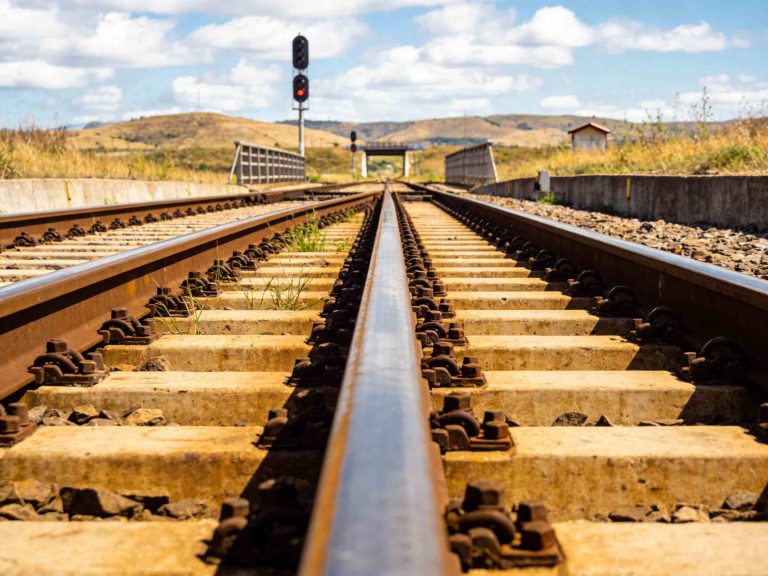
Maintaining a consistent track width is crucial for the smooth operation of trains. Insulated track gauges ensure that the rails remain at the correct spacing, regardless of external conditions such as temperature fluctuations and ground movement. A consistent track width reduces the likelihood of derailments and ensures the safe, efficient movement of trains. This consistency directly translates to fewer disruptions, improved scheduling, and enhanced overall operational efficiency.
Facilitating Smooth Train Movements
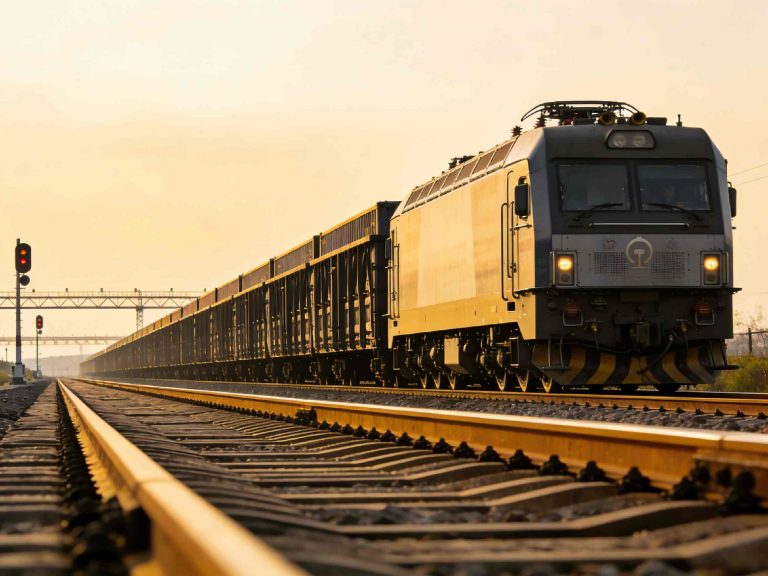
The smooth movement of trains is largely dependent on the quality of the track infrastructure. By insulating track gauges, the railways ensure that the tracks remain stable and in optimal condition. This stability means there is less deviation and wobbling, facilitating a smoother ride for trains. The resulting reduction in mechanical strain on both the trains and the tracks itself helps lower maintenance costs and extend the life of the railway system.

SFFST Rail Fastening System (Zhejiang) Co., Ltd.
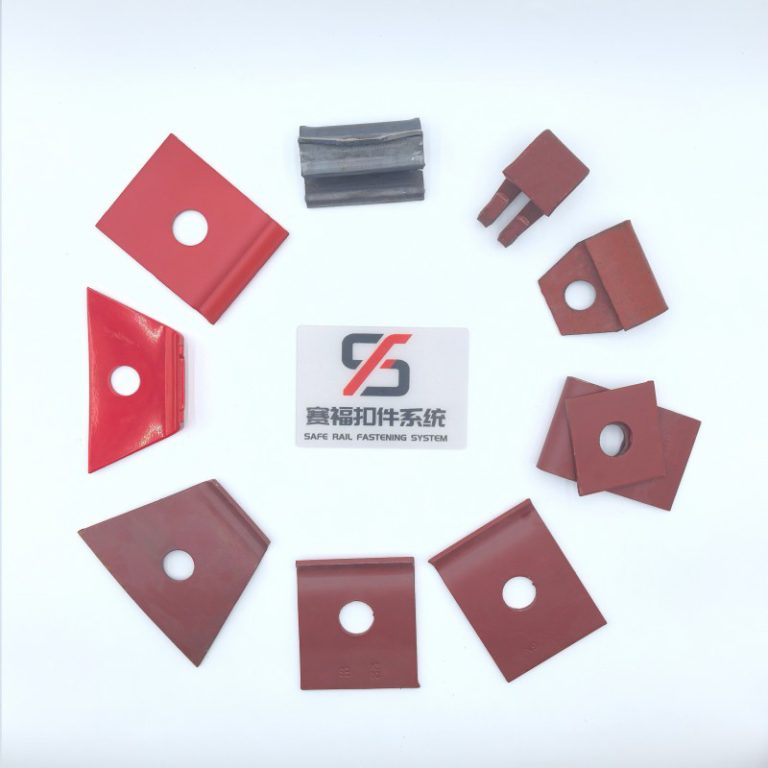
Rail gauge baffles play an indispensable role in ensuring the safety and efficiency of railroad construction. These components are critical in maintaining the correct spacing between rails, which is essential for the stability and smooth operation of trains. The importance of high-quality rail gauge baffles cannot be overstated, as they directly impact the durability and reliability of the rail infrastructure.
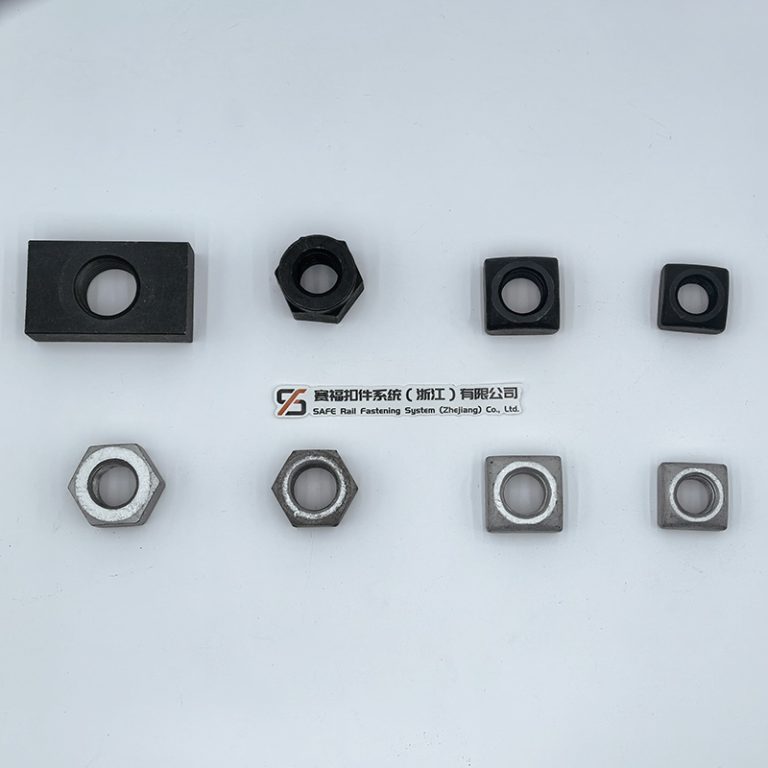
One of the leading innovators in this field is SFFST, a company that has been at the forefront of railway technology and development. Established with a strong foundation in China’s rail transit industry, SFFST has a rich history of contributing to the advancement of railway public works equipment. Their commitment to excellence is evident in their extensive product range, which includes rubber pads for various types of clamp fasteners and insulated gauge baffles.
By leveraging the expertise of SFFST, railway construction projects can benefit from cutting-edge solutions that enhance the safety, reliability, and efficiency of rail systems. Their innovative products and commitment to excellence make them a valuable partner in the ongoing development of the rail industry.
Common Challenges in Rail Gauge Insulation
Material Selection Constraints
Choosing the appropriate materials for rail gauge insulation presents a unique set of challenges. Materials need to have the right properties to provide effective insulation while being durable enough to withstand the harsh conditions of a railway environment. This often involves a trade-off between flexibility, durability, and insulating properties. The challenge lies in identifying materials that can provide a balance of these qualities to ensure both safety and efficiency.
Environmental Factors Impacting Effectiveness
Environmental factors also play a major role in the effectiveness of rail gauge insulation. Extreme weather conditions, such as intense heat, cold, or humidity, can degrade insulation materials over time. Additionally, the presence of pollutants and debris further complicates the effectiveness of insulating layers. To address these challenges, continuous monitoring and advancements in material technology are critical for maintaining the protective qualities of rail gauge insulation.
Maintenance Requirements and Best Practices
Maintenance is another critical aspect that needs attention to ensure the optimal performance of insulated track gauges. Regular inspections and timely repairs are essential to prevent the deterioration of insulation materials. Best practices in maintenance include using state-of-the-art diagnostic tools to detect early signs of wear and employing skilled technicians to perform repairs. Adhering to these practices not only extends the life of the insulation but also ensures that the railways operate safely and efficiently.
Innovative Solutions to Rail Gauge Baffles
Advances in Insulation Materials
The development of new and improved insulation materials is one of the most exciting innovations in rail gauge baffles. Modern materials offer enhanced insulation properties while being more durable and resistant to environmental degradation. These advances mean that rail gauge baffles can provide better protection for longer periods, significantly reducing the frequency and cost of maintenance. Overall, this leads to safer and more efficient rail operations.
Adoption of Automated Monitoring Systems
Automated monitoring systems are transforming the way rail gauge insulation is maintained. These systems use advanced sensors and analytics to continuously monitor the condition of the insulation, detecting anomalies before they become serious issues. The adoption of automated systems allows for real-time data collection and analysis, enabling proactive maintenance and ensuring the ongoing effectiveness of the insulation.
Integration of Sustainable Practices
Sustainability is a growing concern in all industries, including rail transport. Integrating sustainable practices into the development and maintenance of rail gauge insulation is not only environmentally responsible but also enhances efficiency. Using eco-friendly materials and processes reduces the environmental impact and opens up opportunities for innovation. This integration helps in creating more resilient railway systems that are prepared for future challenges.
Economic Considerations
Cost-Benefit Analysis of Insulated Track Gauges
Investing in insulated track gauges requires a comprehensive cost-benefit analysis. While the initial costs may be higher compared to non-insulated alternatives, the long-term benefits often outweigh these costs. Improved safety, reduced maintenance expenses, and increased durability contribute to significant savings over time. A detailed analysis helps in understanding the economic feasibility and justifying the investment in insulated track gauges.
Funding and Investment Opportunities in Modern Rail Infrastructure
Funding and investment are critical for the advancement of modern rail infrastructure. Public and private investments play a significant role in making these innovations accessible. Governments and organizations must collaborate to provide the necessary financial resources to support the development and implementation of insulated track gauges. Investment in this area is pivotal for creating a safe, efficient, and sustainable rail system that meets future demands.