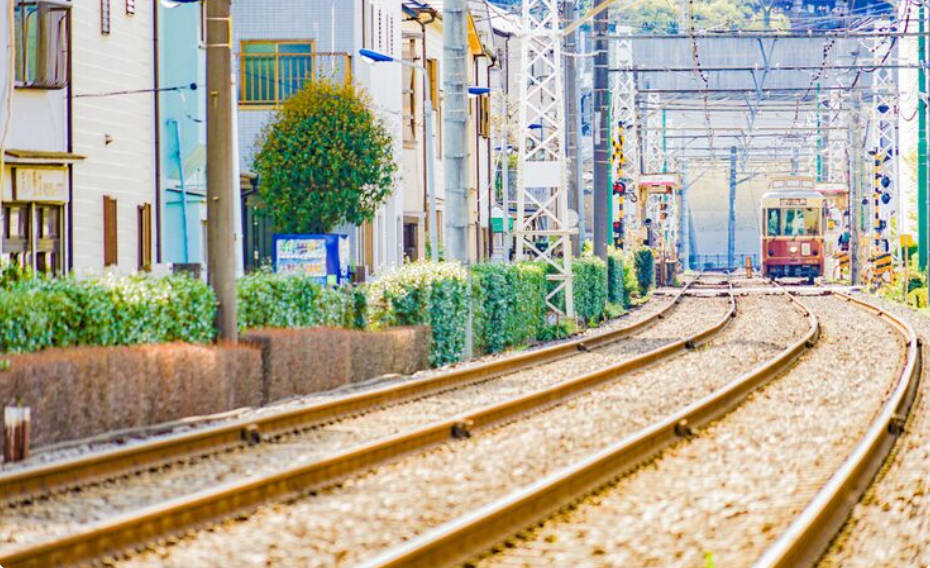
Railway safety starts with the small details that may appear minute but are paramount in securing track stability. Among these, rail pads contribute to ensuring tracks’ safety, train stability, and reducing maintenance requirements. This article explains what rail pads are, what they do, and why proper pad selection is essential for railway infrastructure.
What Are Rail Pads
Definition, Structure and Common Materials
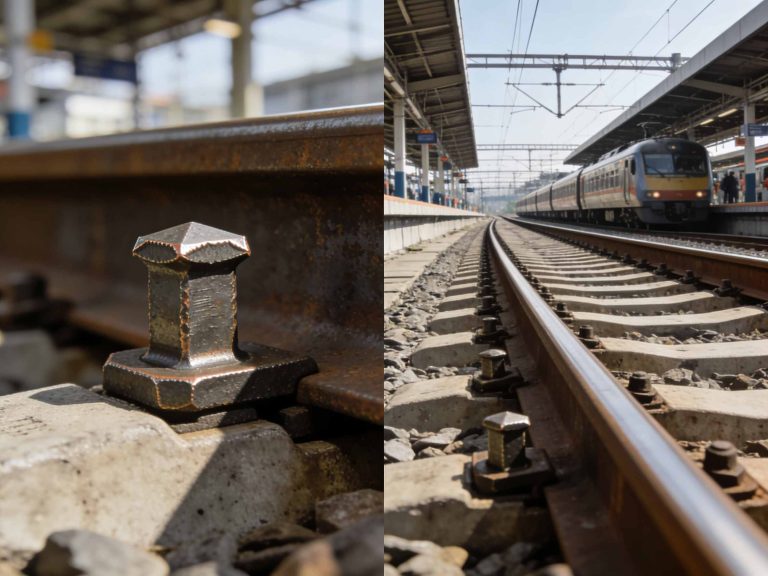
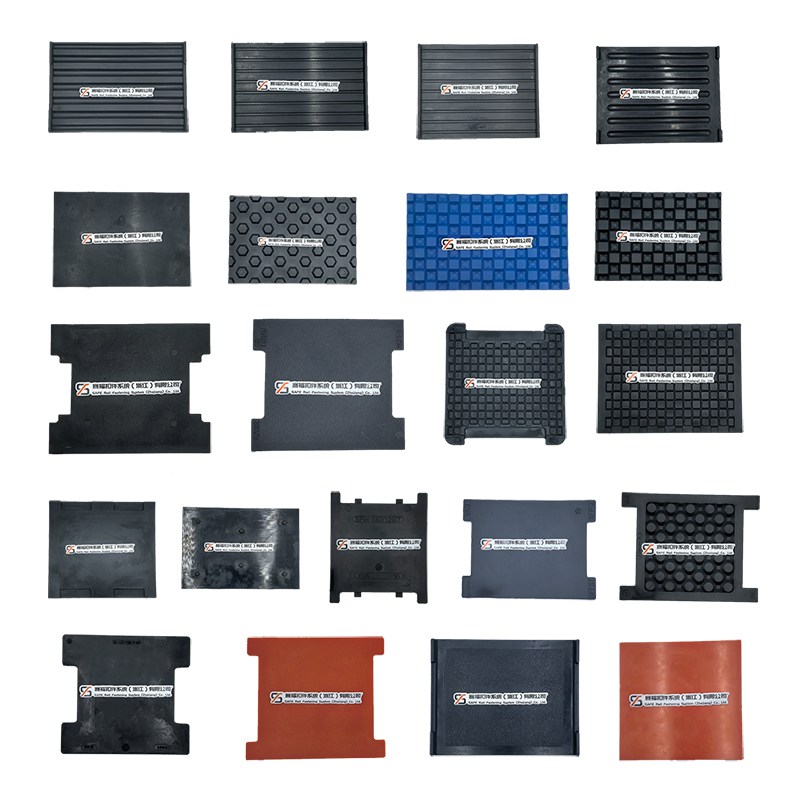
Rail pads are heavy but thin layers that are located between steel rails and baseplates (or sleepers). They are shock-absorbing cushions that distribute loads, absorb shocks, and support the rail as well as the foundation of the track. Even though they are not thick, their design is important in ensuring safe and smooth rail operation. Rail pads are usually composed of rubber, polyurethane, or other elastomers. These materials offer varying levels of elasticity, hardness, and toughness depending on operational requirements. SFFST Rail Pads, for instance, employ abrasion-resistant high-strength rubber and tough polyurethane to suit high-speed, conventional, heavy haul, and metro rail systems.
Integration with Track Systems
Screwed on rails, rail pads are used in combination with rail clips, baseplates, insulators, and bolts. They constitute a comprehensive rail fastening system, which secures rails, controls dynamic loads, and maintains track geometry. SFFST offers various rail fastening systems and engineering services for global track standards compatibility.
Principal Functions of Rail Pads
Shock Absorption
Trapping and dampening the vertical and horizontal forces of traveling trains is one of the main functions of a rail pad. This helps to avoid contact between hard surfaces such as concrete sleepers and steel rails, eliminating the possibility of material fatigue or fracture in the long run.
Noise and Vibration Reduction
By eliminating vibrations from wheel-rail interaction, rail pads minimize noise pollution—a significant concern in the operation of inner city metro and residential areas around railway lines. SFFST’s resilient tie pad/elastic pad products made from automatic polyurethane pouring lines are specifically intended for such purposes.
Electrical Insulation
Rail pads act as non-conductive barriers between metal parts, too. This role is also very important in electrified railways because it keeps stray currents from causing safety hazards or destroying signaling systems.
Why Rail Pads Are Important to Safety
Avoiding Track Damage
Sustained mechanical stressing without adequate damping may cause sleepers or rail spalling/cracking or rail wear. Rail pads offset such effects since they are cushioning agents. The company, under high-standard and quality production control, has developed a high-quality, environmental, and occupational health and safety management manual under CRCC Product Certification, highlighting our preventive safety approach.
Improving Train Stability
Stable tracks result in smoother train travel. Stable track geometry is offered by rail pads through reducing movement where fastening takes place, which is particularly important on high-speed or heavy-haul applications. SFFST has aided stability-critical projects like the Wuhan-Guangzhou High-Speed Railway that became the first to certify China’s independent high-speed rail line.
Lowering Maintenance Requirements
By prolonging the life of sleepers and rails, rail pads conserve lifecycle costs. They ensure the low frequency of component replacement, inspection, and repair—crucial factors in operating extensive railway systems with optimal efficiency.
Selecting the Right Rail Pad
Points to Be Considered
When selecting the rail pad, some points to be considered are:
- Load-carrying capacity: Match with the axle load of the railway.
- Elastic modulus: Select depending on the need for damping performance.
- Material properties: Select rubber or polyurethane based on durability and elasticity.
- Environmental resistance: Use UV exposure, temperature, and moisture conditions.
- System compatibility: Provide fit for prevailing track systems, e.g., Nabla and E-Clip systems.
SFFST provides custom-made solutions via high-level automated manufacturing lines, guaranteeing international rail standard compatibility.
Maintenance and Longevity
Regular inspection is necessary. The following are wear indications:
- Visible crack or split.
- Excessive compression set.
- Uneven wear pattern.
- Electrical leakage for electrified systems.
Prompt replacement of worn rail pads provides ride comfort, safety, and long-term track stability.
SFFST: Reliable Brand in Rail Pads
Quality Commitment
SFFST Rail Fastening System (Zhejiang) Co., Ltd. is based on more than 50,000㎡ in Zhejiang Province and manufactures 5 million sets of rail fastenings per year. ISO9001, ISO14001, and ISO45001-certified, SFFST ensures all products go through strict quality, environmental, and occupational safety requirements.
Assisting Railway Infrastructure
SFFST’s rail pads, including rubber pads for clamp II/III fasteners, comply with GB/T 21527-2008 national standards and have passed technical inspections by the Ministry of Railways. Notable projects include:
- Chengdu Metro Line 17: Next-generation fastening system solutions.
- Datong-Xi’an High-Speed Railway Passenger Line Project.
- Morocco Kenitra-Marrakech High-Speed Railway Project.
Custom Solutions and Innovation
SFFST works with universities to develop research into practical solutions and provides customized rail pad designs and full fastening system components. This involves high compatibility, reliability, and performance for railway networks.
Conclusion
Rail pads might appear small compared to rail and sleepers, but their value in safety of track, stability of train, and cost savings in maintenance cannot be ignored. SFFST’s extensive years of experience, certified manufacturing process, and dedication to innovation make it a partner of preference for global railway infrastructure projects.
FAQ
Q: What kind of rail pads does SFFST produce?
A: SFFST offers rubber pads, elastic tie pads, baseplate pads, and polyurethane elastic pads, which are all designed specifically for different track systems.
Q: Are SFFST products certified?
A: Yes. SFFST has acquired CRCC railway product certification from China Railway Test & Certification Center Limited and ISO9001, ISO14001, and ISO45001 certifications.
Q: Can SFFST supply bespoke solutions for certain projects?
A: Of course. Through cooperation with universities, we will establish an organic mode of coupling “discipline+industry+market”, and effectively convert the newest achievements in scientific research into market application achievements.
Q: Can one see the activities of SFFST being undertaken somewhere?
A: Our works cover China and foreign countries—from foreign projects such as the Morocco Kenitra-Marrakech High-Speed Railway Project to domestic lines such as the Datong-Xi’an High-speed Railway Passenger Line Project.