Floating slab mats play a key role in today’s rail setups. It offers cushioning, vibration control, and less noise. This function matters a lot in city rail lines. There, lowering ground noise helps with rider ease and fits well with nearby homes. Choosing and using the right floating slab mats affects how well the rail system works, stays safe, and lasts long. Wrong materials or poor fits can cause early damage, structural tiredness, or higher upkeep costs. As a maker rooted in the rail transit field, SFFST supplies custom fixes for different rail settings. We aim for smooth running and lasting builds.

Why Material and Performance Metrics Matter
The material picked for a floating slab mat shapes its action under pressure. It also affects how it stands up to weather and matches other rail parts like tie plates and fastening setups. The makeup of the material impacts how much weight it holds, how elastic it stays, and how well it dampens shakes.
Knowing main performance measures, such as steady and moving stiffness or fire resistance, lets engineers meet rules while improving the ride feel. Smart choices lower repair bills and boost system steadiness. This counts extra in busy or vital rail tasks. Properly designed floating slab mats can reduce vibration transmission levels by up to 30%, depending on track structure, excitation frequency, and installation conditions.
Understanding Material Types
Rubber-Based Floating Slab Mats
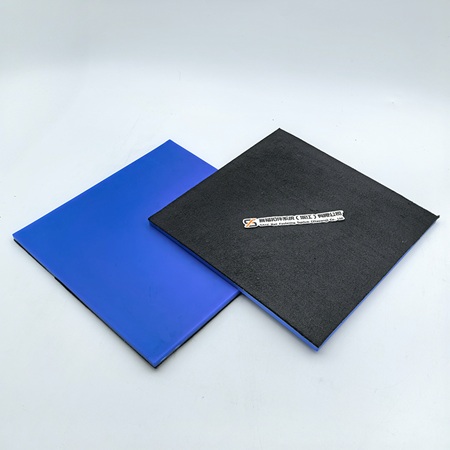
Rubber mats often use natural rubber or man-made types like styrene-butadiene rubber (SBR). These give good bend and strong wear resistance. They fit well for low to medium-weight rail lines, such as subways or streetcars. Their built-in damping performs effectively in attenuating low-frequency vibrations. This boosts sound blocking in city spots.
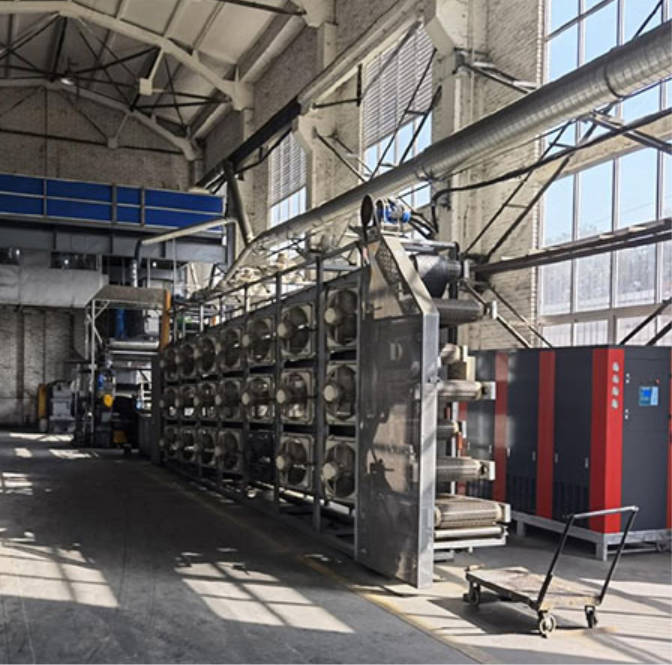
Rubber mats cost less in general and shape easily into the needed forms. SFFST’s rubber products production line has full gear. The steps include auto mixing of batches, auto blending, and curing. So, we can adjust rubber slab mats to fit the client’s wants quickly.
Polyurethane-Based Floating Slab Mats
Polyurethane (PU) floating slab mats suit tough jobs where high elastic recovery and load-bearing capacity are required. They show strong build strength, lasting stretch, and good defense against oil, chemicals, ozone, and sun rays. This fits spots with heavy cargo trains or fast passenger lines.
SFFST runs an auto PU pouring line that makes resilient tie pad/elastic pad, baseplate pad, rail pad, and more. Digital CNC tools control every part, from pouring to release. This keeps quality even and exact, no matter the hard specs.
Comparing Rubber vs Polyurethane
Both materials bring clear benefits based on the job. Polyurethane lasts longer in rough settings thanks to better wear resistance and weather toughness. Rubber materials are particularly effective in noise and vibration attenuation at low tones and bends more under light weights.
So, picking one hinges on what the task needs most, like acoustic performance or structural durability. In freight yards with constant heavy traffic, PU is generally preferred due to its superior durability, while city tracks lean toward rubber for quieter rides.
Key Performance Metrics to Evaluate
Static and Dynamic Stiffness
These stiffness values show how a floating slab mat acts under steady weights and shaking forces from trains in motion. Too much moving stiffness might pass more shakes to nearby buildings, which goes against the isolation aims. At SFFST, our lab tests Static Stiffness and Dynamic Stiffness, plus other strength traits. We check custom mixes through lab setups that match project needs for isolation.
Load Capacity Ratings
The mat has to bear high wheel loads without lasting shape change or material failure. This measure keeps track of the shape steady over time. SFFAT can make many standard floating slab mat types worldwide. We also tailor items to client specs, so they fit real load needs.
Durability and Environmental Resistance
Rail spots face rough weather like wet, hot-cold swings, sun damage, and chemical spills. A strong mat keeps its build solid for years. SFFST products go through hard checks with top tools in our full quality setup. We use fast aging tests to prove long-term hold-up.
Fire Retardancy Standards Compliance
Fire protection is a must in closed rail areas like tunnels or stops. Floating slab mats need to follow rules like EN 45545 for safety in crises. SFFST adds fire-stop mixes into the base stuff during making. This way, our mats hit the world fire rules. We’ve passed independent tests showing no flame spread up to 1,200°C.
Application-Specific Considerations
Urban Transit vs Freight Rail Requirements
City transit setups often need floating slab mats that focus on sound blocking and rider ease more than top weight fight. Freight paths, though, call for mats with high compressive strength to accommodate heavy axle loads. Our SFFST range covers both ends: soft rubber mats for subways and PU types tuned for cargo lines. With custom work per project, we guide clients to balance ease and build strength.
Tie Plates and Rail Fastening Systems Compatibility
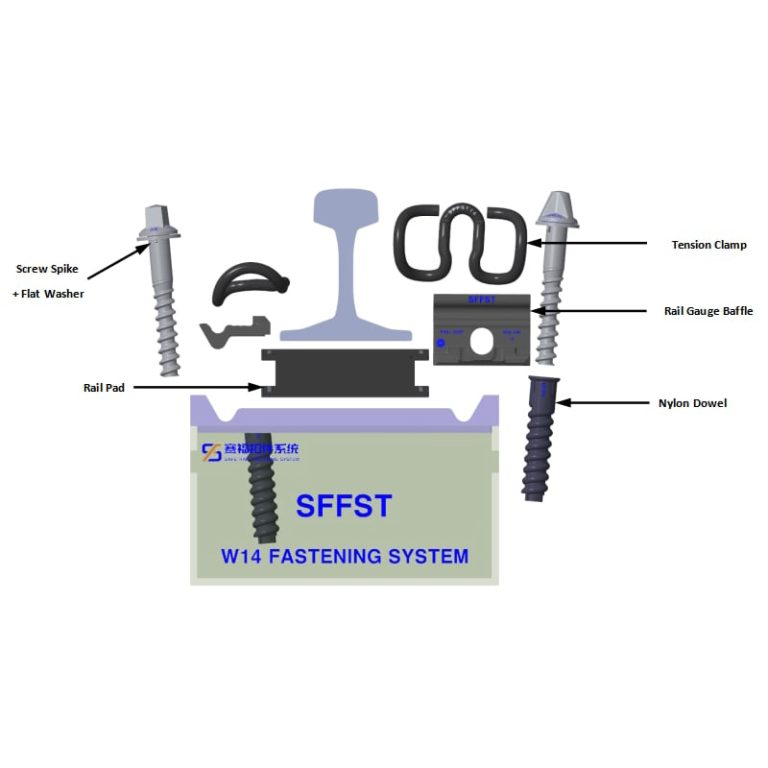
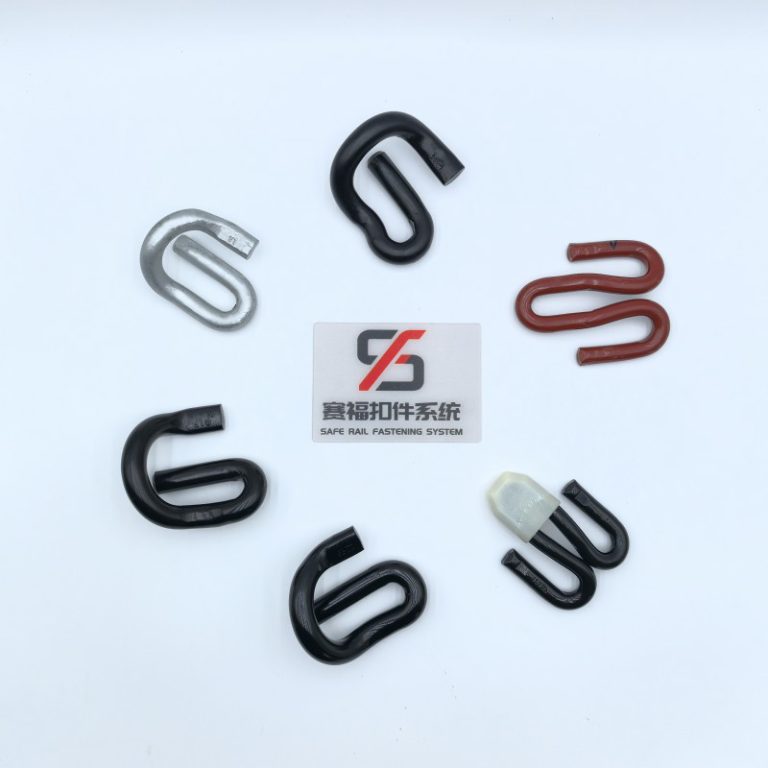
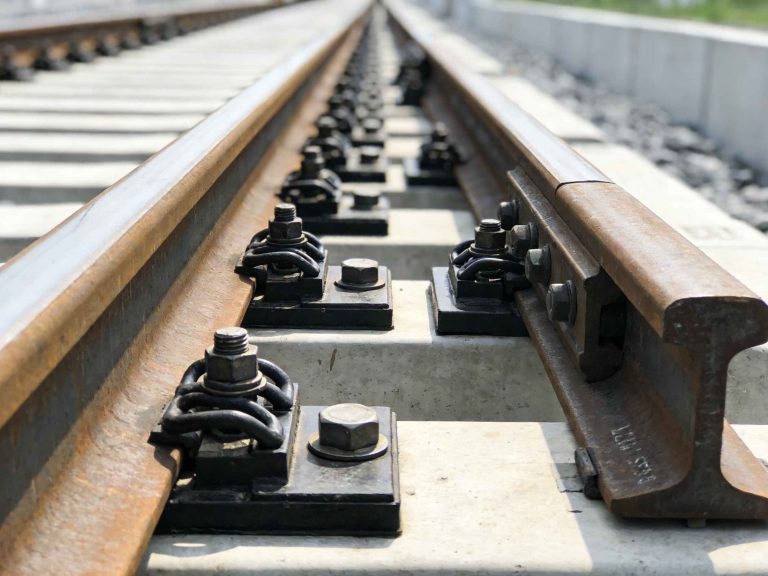
Floating slab mats must pair smoothly with parts like rail clips, tension clamps, and rail tie plates. The mat design has to fit fastening plans without losing support. Our group checks size accuracy to skip clashes with hold-downs or base touches. We’ve designed mats with exact slots for clips, ensuring zero slippage in high-vibe zones.
Interaction with Track Substructure
The right mat thickness and density matter to spread moving loads evenly over ballast or concrete bases. In our EPC+M+O approach, we give expert advice on system plans for noise cut, rider comfort, and lower upkeep costs. This helps clients fine-tune each track layer for lasting work.
Quality Assurance from SFFST
Engineering Validation Processes
We apply Finite Element Analysis (FEA) tools for pressure modeling and shake prediction in design. Every item faces real tests in fake run conditions at our top labs. Our special lines and labs hold over 100 sets of world-class auto and check gear. This makes sure each mat hits global standards.
Project-Specific Formulations
Based on weather or rule needs, projects call for varied material acts. SFFST provides custom PU or mix blends that fit your case, like cold hold in Arctic lines or chemical fight near factories.
Dimensional Adjustments
From mat height to built-in features like pin gaps or water paths, we offer full-size tweaks. SFFST makes sure each floating slab mat fits right into your track setup. This boosts work and setup speed.
Conclusion
Floating slab mats form a core part of current railway builds. They shape ride feel, build soundness, and rule following. Picking the best mat calls for a clear grasp of material traits, strength measures, fire rules, and ties to other rail parts like tie plates, railroad systems, or fastening groups. As a reliable rail fastening system maker, SFFST draws on solid know-how to supply fixes that match run needs and long-term upkeep plans. With over 20 years in the field, we’ve helped dozens of projects worldwide achieve better performance through these tailored mats.
FAQ
Q: What is the purpose of a floating slab mat in rail systems?
A: It isolates vibrations from train movements to protect nearby structures and improve passenger comfort while extending track lifespan.
Q: How do I choose between rubber and polyurethane mats?
A: Rubber is ideal for light-duty applications needing sound absorption; polyurethane suits heavy loads or harsh environmental conditions due to its durability.
Q: What does dynamic stiffness mean in this context?
A: It measures how the mat responds to oscillating forces during train movement—critical for vibration control efficiency.
Q: Are SFFST floating slab mats compliant with fire safety regulations?
A: Yes, all SFFST mats are engineered to meet international fire retardancy standards such as EN 45545 for railway applications.
Q: Can these mats be customized for different rail fastening systems?
A: Absolutely; SFFST offers custom designs compatible with various components of railway infrastructure, including tie plates and railroad setups.