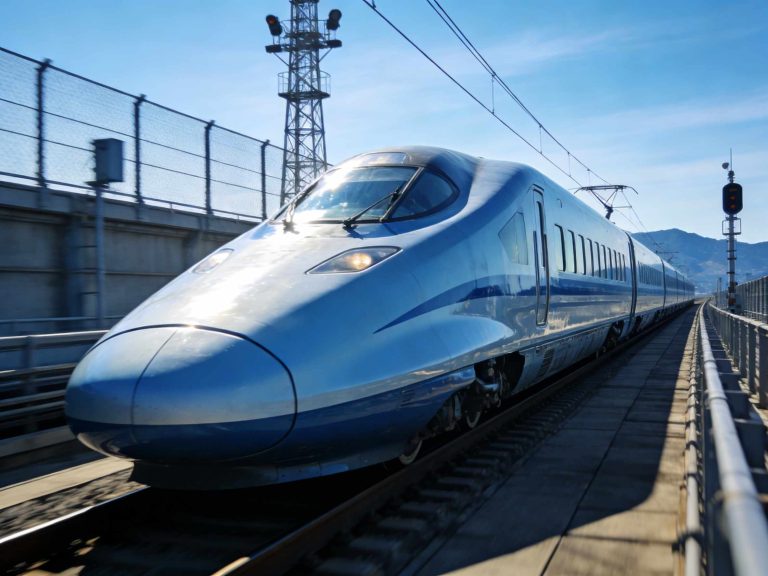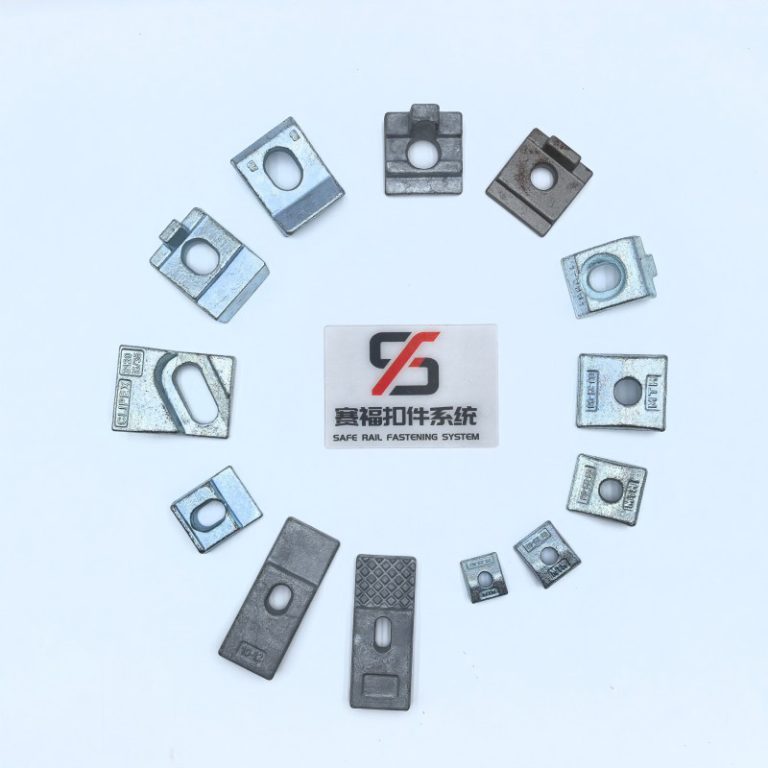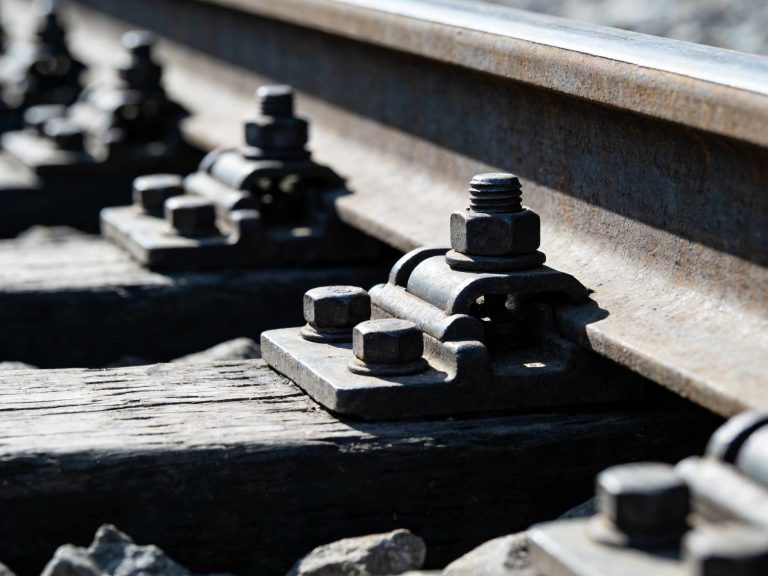
In bustling cities, metro systems serve as the backbone of urban mobility, powering millions of passengers daily. However, beneath the speed and efficiency, a hidden challenge lurks—signal leakage. As urban transit networks expand, the risk of signal interference becomes a critical safety concern. At SFFST, we understand the stakes. Our cutting-edge rubber support and rubber pad products are designed to address the core issues of electrical insulation and stray current control, ensuring metro systems remain safe, reliable, and efficient.
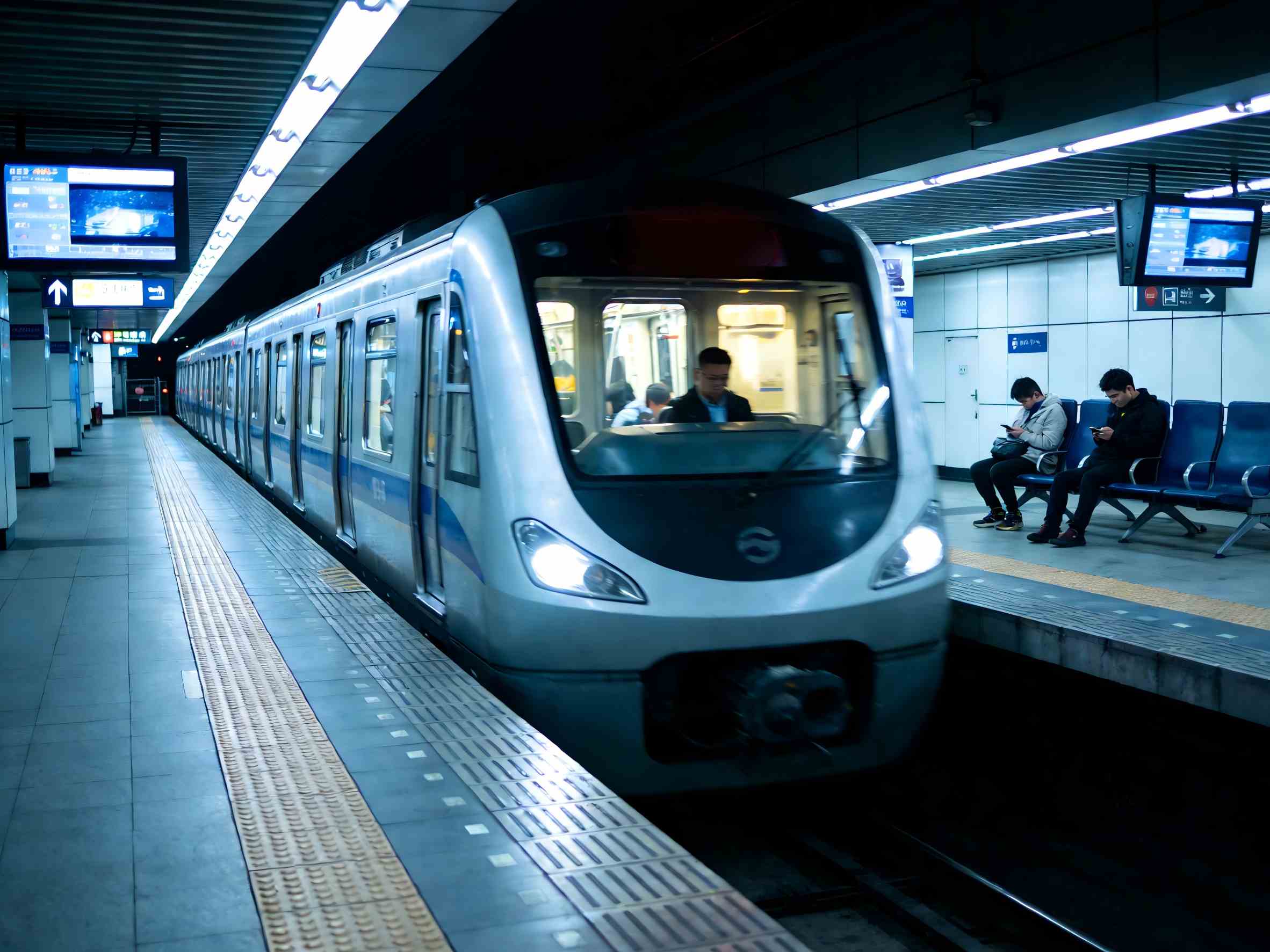
Challenges of Signal Leakage in Metros
Understanding Stray Current Interference
In today’s metro system, steel rails carry the return path for traction current. If the electrical insulation between the rail and nearby structures—like reinforced concrete panels—falls short, current slips into the ground. We call this signal leakage or stray current. It causes major issues for signaling gear. This slip not only messes up signals. It also sparks chemical corrosion in buried metal parts and the steel bars in track beds. That cuts the life of the whole setup.
Operational Risks for Metro Systems
Unchecked signal leakage brings big problems. It might create false signals or make track circuits stop working. This leads to sudden stops or delays that spread across the network. Operators face higher repair bills and safety worries.
SFFST Advanced Electrical Insulation Design
Engineering Precision for Signal Integrity
Our fix centers on the careful build of the rubber support & rubber pad. We place them on both sides of the rail in the panel’s slot. These parts give side-to-side support. At SFFST, we build them to hold the rail firm. They keep the right spacing even when trains push hard around curves. Besides that, their key win is strong electrical insulation. As a non-conducting layer, the rubber support & rubber pad stop the steel rail from touching the panel’s steel bars electrically. So, they keep the signal in its proper path.
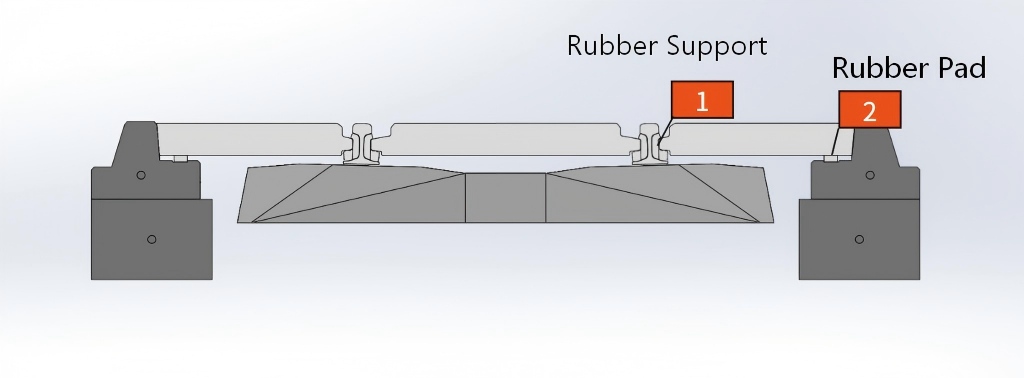
Strategic Layout of Conduction Barriers
We cover all touch points in our insulation plan. These parts go where the panel meets the concrete edges. They handle several jobs. First, they spread loads and soak up shocks. That stops heavy panels from moving under road vehicle weight. They also even out rough spots for a smooth match. Plus, they work as joints for heat expansion. On top, they close off gaps to block water and dirt—things that conduct electricity—from entering below. All this closing keeps the metro system safe from wear and surprise current routes.
Superior Material Advantage of SFFST Products
High-Performance Rubber Material Selection
A part’s insulation power matches its rubber material quality. At SFFST, we run modern rubber products production lines. These include auto mixing, blending, and curing for even results. Our special rubber mixes aim for top electrical resistance. Thus, the rubber support & rubber pad hold their blocking power in wet, buried spots. Regular rubber can break down or let current through as it hardens over time. But ours get checks for lasting strength and press resistance.
Durability Against Environmental Degradation
Metro spots get rough with lots of dampness and steady wear. Basic pads often age fast. They turn hard and lose insulation. We fixed that with big spending—over 20 million RMB—on auto lines and better mixes for tough use. Each non-metal item fits our strict “7S” rules and global checks like ISO 9001 and ISO 14001.
Quality Assurance Through Professional Testing
Advanced Laboratory Validation Protocols
We back our quality with lab proof. Our non-metal lab has a high resistance meter. It checks the electrical insulation of our rubber support & rubber pad. We also use an aging test chamber and an electronic universal testing machine to mimic years of metro use in a short time. Such tests make sure every Rubber Pad and Insulation Buffer Pad from our 50,000 ㎡ plant hits CRCC and EN rules.
Automated Production Line Consistency
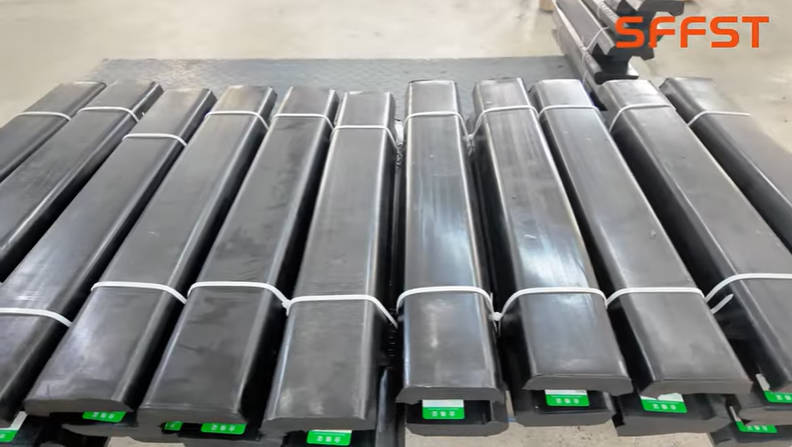
Signal leakage hates uneven work. One bad pad in a 10-km line can ruin it all. To avoid that, SFFST runs full auto lines for non-metal items. From automatic polyurethane pouring machine production lines for resilient tie pad/elastic pad and baseplate pad to rubber curing setups, each stage gets a digital CNC watch. This setup keeps mechanical and electrical traits the same, from the first batch to the five million we make each year.
Conclusion
As cities continue to evolve with smarter, faster transit systems, ensuring that metro networks remain reliable and safe is more crucial than ever. At SFFST, we don’t just provide products—we provide solutions tailored to the unique needs of each metro system. Our high-performance rubber support and rubber pad solutions offer unparalleled electrical insulation, effectively preventing signal leakage while withstanding the harsh environments of underground transit systems.
Ready to take your metro systems to the next level of safety and efficiency? Contact SFFST today to learn more about how our EPC+M+O expertise and advanced rubber solutions can ensure the longevity and smooth operation of your next metro project. Let’s partner for a future of smarter, safer, and more reliable transit!
FAQ
Q: How does the rubber material in your products prevent electrical conduction?
A: Our rubber material uses special polymers that resist current well. Auto mixing in production spreads these traits evenly in the rubber support & rubber pad.
Q: Can your rubber products be customized for specific metro panel designs?
A: Yes. Our EPC+M+O and OEM services allow custom work. We adjust sizes and traits of the rubber support & rubber pad for odd panel slots or shake needs. This gives a tight fit and the best block.
Q: What is the expected lifespan of an SFFST Rubber Pad in an underground environment?
A: We build them for long life. High-grade inputs and curing fight aging. Tests in our Aging test chamber show the Rubber Pad and rubber support & rubber pad keep strength and block power for decades. That cuts upkeep for metro system teams.