Fish plates are vital for maintaining the stability of railway tracks by connecting and aligning rail sections. Understanding their role, material options, and innovations can help ensure the longevity and safety of rail infrastructure. This blog dives into their importance, material choices, and the advancements in their design and manufacturing.
What Are Fish Plates Used For?
Fish plates play a crucial role in the railway infrastructure, acting as essential components that ensure the stability and continuity of rail tracks. Understanding their purpose and material composition is vital for professionals in the field.
Definition and Purpose of Fish Plates
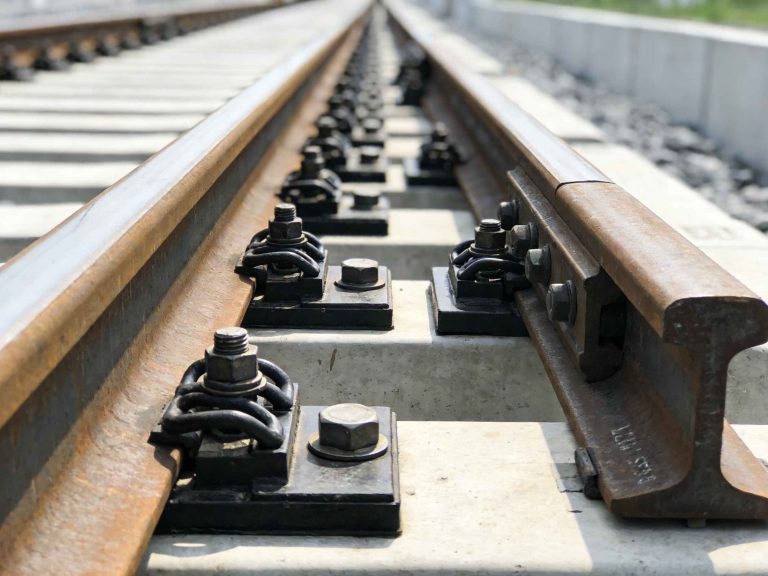
Metal bars called fish plates are secured at the ends of two rails to connect them in a track system effectively and ensure they stay properly aligned and structurally sound at the joints. These elements play a role in evenly distributing weights across the rail connections to reduce any potential stress points that might cause the track to fail.
Importance in Railway Infrastructure
Fish plates play a role in railway systems as they are essential for ensuring the safety and efficiency of train operations by facilitating seamless transitions between different rail sections—a critical requirement for high-speed rails and other demanding transportation networks, like heavy haul rails and metro/subway systems that prioritize reliability and performance standards.
Types of Fish Plates
Different kinds of fish plates are utilized in railway settings to meet needs and adapt to various conditions.
Normal fish plate
Regular fish plates are elements found in traditional railroad tracks offering fundamental support and alignment for standard rail systems.
Compromise fish plate
Fish plate compromises are employed to connect rails of varying sizes or shapes for a transition between different rail sections while preserving the overall track integrity.
Joggled fish plate
Fish plates with a bend or jog are designed to adjust to small misalignments or differences in rail height to keep the track surface smooth and even.
What Materials Are Commonly Used for Fish Plates?
Choosing the material for fish plates is crucial for how well they work and how long they last as different materials provide distinct benefits based on the specific needs of the situation.
Steel as a Primary Material
Steel is frequently chosen as the material for creating fish plates because of its great mechanical features and cost efficiency.
Advantages of Using Steel
- High Strength: Steel provides robust support under significant loads, making it ideal for heavy-duty applications.
- Durability: The wear-resistant nature of steel ensures long service life even under harsh operating conditions.
- Availability: Steel is widely available, facilitating easy sourcing and manufacturing processes.
Limitations of Steel Fish Plates
- Corrosion Susceptibility: Steel can corrode over time if not properly treated or maintained.
- Weight: The relatively high weight of steel components may pose handling challenges during installation and maintenance.
Alternative Materials for Fish Plates
Steel isn’t the material making waves these days; other substances are becoming popular for specialized uses that demand distinct characteristics.
Composite Materials
Composite materials protect environmental elements like moisture and chemicals while also offering superior insulation properties that can be advantageous in specific railway settings.
Aluminum Alloys
Aluminum alloys offer an option that is resistant to corrosion making them beneficial in situations where weight reduction is important without sacrificing strength too much.
How Does Material Choice Affect Fish Plate Performance?

The type of material used significantly affects important performance factors of fish plates and plays a significant role in determining their overall efficiency in railway applications.
Durability and Longevity
The longevity of fish plates heavily relies on the materials used to make them. The use of materials like steel increases their lifespan as they can endure repeated loads without wearing out quickly. However, the impact of factors such as moisture can shorten their durability hence the need for careful material choices or protective measures to maintain their quality over time.
Load Bearing Capacity
The load-bearing capacity of fish plates is influenced by the materials they are made of. Stronger materials such as steel can handle loads and are ideal for tough tasks, like heavy haul railways; on the other hand, lighter materials may not hold as much weight but are easier to work with and install.
Resistance to Environmental Factors
Maintaining the durability of fish plates against elements is essential over time with options such as composite materials and aluminum alloys standing out for their ability to resist corrosion and chemical damage better than conventional steel alternatives making them ideal for environments subject to challenging weather conditions and chemical exposure.
How Does SFFST Ensure Quality in Fish Plate Manufacturing?
In the demanding world of rail fastening systems competitions quality and dependability are factors to consider crucially important aspects of rail fastening systems competitions quality and dependability are key SFFST Rail Fastening System ( Zhejiang ) Co., Ltd is distinguished as a top player in the production of fish plates due to its strict quality control measures and dedication to excellence.
Overview of SFFST as a Supplier
SFFST Rail Fastening System is situated strategically on a land area of over 50 acres in Zhejiang Province, China. Their investment surpasses 50 million RMB with a production capacity exceeding 5 million units of rail fastening systems. These resources enable SFFST to cater to the needs of customers both locally and globally.
The company has an infrastructure that features a sophisticated 3-dimensional warehouse designed to store up to 30 thousand tons of goods efficiently and effectively. SFFST has established production lines and laboratories that are outfitted with more than 100 different imported automated production and testing tools. This cutting-edge arrangement guarantees that each fish plate produced meets quality benchmarks.
Quality Assurance Processes at SFFST
At SFFST, quality assurance practices go beyond meeting industry norms—they aim to surpass them! The business adheres to the guidelines of the ISO9001 Quality Management System and is committed to upholding the ISO14001 Environmental Management System and IS045001 Occupational Health Management System standards as part of its unwavering commitment to top-notch production quality.
Conclusion
The material composition of fish plates significantly impacts their performance in railway applications. By selecting appropriate materials like steel or alternative options such as composite materials and aluminum alloys, you can enhance durability, load-bearing capacity, and resistance to environmental factors.