The Unsung Track Safety Guardian
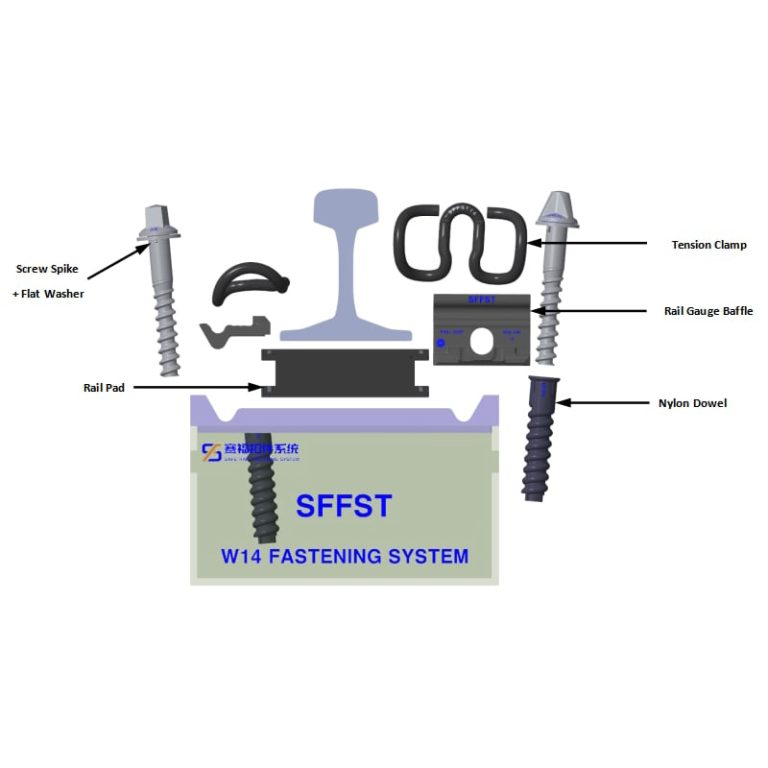
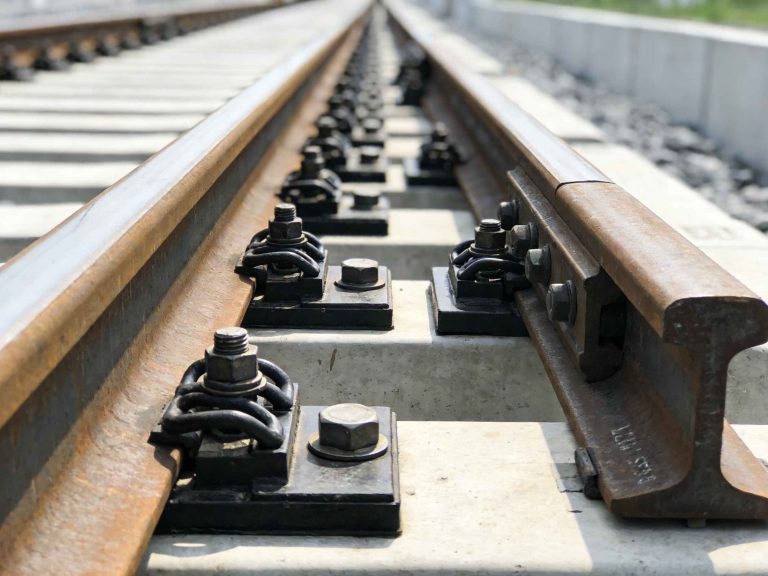
Railway safety supports efficient transport networks worldwide. Every high-speed train, metro line, or heavy-haul network relies on the stability of its track infrastructure. Of the many factors that offer this safety, one often underestimated component plays a pivotal role — the resilient tie pad. Also referred to as an elastic rail pad, the minute but critical component is a shock absorber between the sleeper and the rail, which reduces vibration, provides effective shock absorption, and helps maintain stable track geometry. It functions as a critical yet often overlooked component that ensures long-term safety and reliability of railway systems and dependable for decades of service.
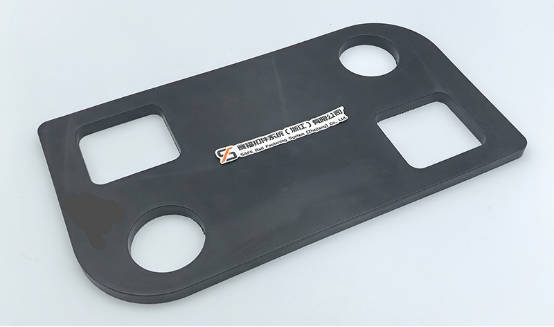
What Is a Resilient Tie Pad and How It Works
A durable resilient tie pad can take the impact loads generated due to passing trains and distribute them evenly to the sleeper. Through stress reduction in concentration, it prevents cracking and deformation of concrete sleepers and ensures rail alignment.
Its primary functions are:
- Shock absorption and vibration damping to reduce dynamic impact.
- Uniform load distribution between the rail and the sleeper.
- Noise reduction ensures quieter operation.
- Electrical insulation between the rail and sleeper, along with abrasion resistance under extreme operating conditions.
By combining these functions at the same time, the resilient tie pad provides lasting stability and security of the entire railway fastening system.
Material and Manufacturing Innovation of SFFST
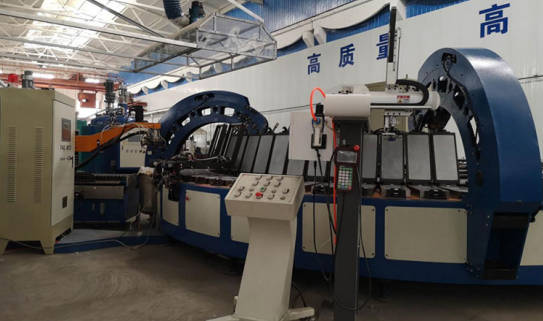
Material quality and manufacturing precision are fundamental to the reliability of any railway fastening system. Our durable resilient tie pads are made from superior quality, abrasion-resistant domestic and international rubber and polyurethane materials. To ensure product consistency, SFFST has invested in completely automatic production plants featuring computer-controlled polyurethane casting and pouring systems. All operations from raw material mixing to demolding of the mold and mold handling are closely monitored to precision. These state-of-the-art plants enable SFFST to manufacture pads with high compressive strength and long-term elastic performance for high-speed and mainline railways — every product conforming to strict performance standards.
Driving Industry Standards and Innovation
SFFST is not just a supplier but also an industry standard-setter in China’s railway fastening market. We assisted in establishing the national standard GB/T 21527-2008 for resilient tie pads, showing that we care about product standardization and leading safety. We are continuously working together with universities and industry partners to create new materials and structure designs that increase elasticity, durability, and temperature strength. This continuous investment in R&D keeps SFFST ahead of the world’s railway innovation.
How Resilient Tie Pads Increase Railway Safety
Absorbing Impact and Minimizing Vibration
Each train movement generates severe dynamic forces. A high-quality resilient tie pad takes up the shocks and dampens vibration before they are transmitted to the sleeper and subgrade. It shields the structural foundation, minimizes noise, and adds passenger comfort.
Distributing Loads Evenly
Premature rail and sleeper failure can be caused by unstable load transfer. Resilient tie pads distribute pressure uniformly, doing away with cracks and providing even support through the track structure — a critical consideration for maintaining long-term stability of track geometry.
Enhanced Service Life and Lower Maintenance
By reducing mechanical wear, long-lasting resilient tie pads extend the service life of both rails and sleepers. Significant cost and frequency of maintenance reductions have been achieved by SFFST customers, with components maintaining stability under heavy-load or high-speed conditions continuously.
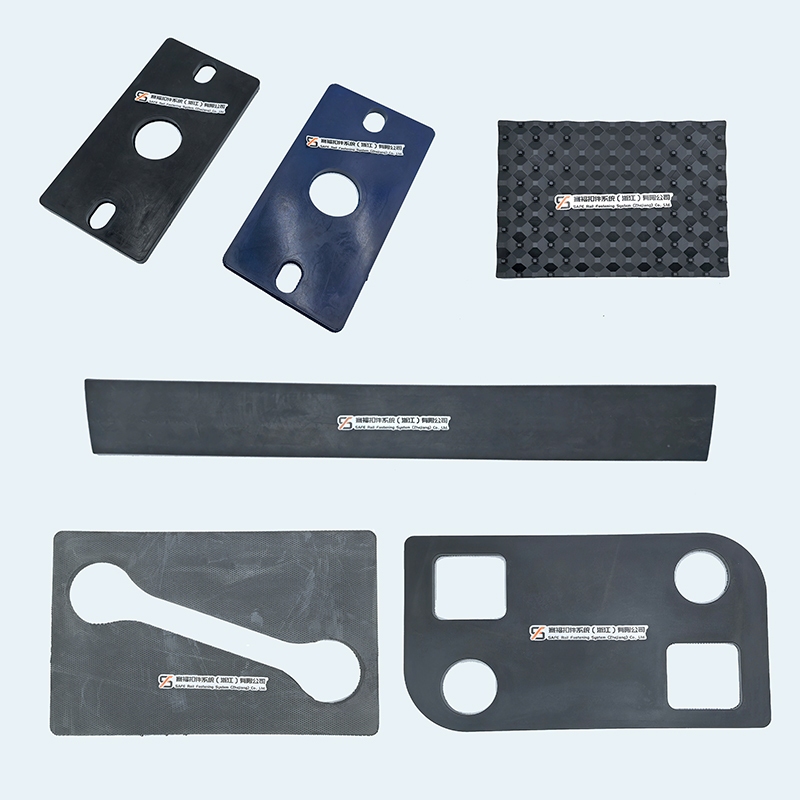
Proven Performance All Over the World
SFFST’s long-lasting resilient tie pads and fastening systems have been successfully employed on high-speed, metro, and heavy-haul projects worldwide, demonstrating their performance under harsh conditions.
- Wuhan–Guangzhou High-Speed Railway – China’s first high-speed line, in service since 2009.
- Datong–Xi’an Passenger Dedicated Line – supplied in 2012–2013 for stable long-term performance.
- Chengdu Metro Line 17 Project (2020) – supplied high-performance elastic pads for smooth urban transit.
- Morocco Kenitra–Marrakech High-Speed Railway (supplied during the project phase)– demonstrated superior heat resistance in desert environments.
- Shaanxi Heavy-Haul Railway (2023) – delivered 130,000 sets of high-strength resilient tie pads for demanding freight operations.
These projects are evidence that SFFST can provide reliable solutions under a great variety of climates and load conditions.
Sustainability and Quality Assurance
We at SFFST promote sustainable and responsible manufacturing. Our operations are certified as:
- ISO9001 Quality Management System.
- ISO14001 Environmental Management System.
- ISO45001 Occupational Health and Safety Management System.
Through the combination of these systems, we reduce environmental impact, maintain energy efficiency, and ensure consistent quality of the product through each batch of production.
Why Choose SFFST for Railway Fastening Systems
- Deep Expertise: Decades of experience in supplying national and international rail projects.
- Manufacturing Integration: More than 100 units of automatic production lines and test equipment guarantee accuracy.
- Tailoring: As an OEM & ODM manufacturer, SFFST can tailor durable resilient tie pads to exact track measurements and operating conditions.
- Compliance and Testing: Products are tested in accordance with EN 13146, EN 13481, and Chinese TB standards.
- End-to-End Reliability: From high-speed passenger routes to heavy-haul freight routes, SFFST solutions provide reliable performance under the toughest conditions.

Conclusion
Behind every smooth, safe train ride, there is an underlying network of precision-designed components. One of them is the hard-working resilient tie pad, an unsung hero — working behind the scenes to safeguard tracks, minimize maintenance requirements, and keep passengers safe day and night. At SFFST, we focus on developing resilient tie pads as a fundamental component supporting long-term railway safety and sustainability. Learn how SFFST’s resilient tie pads can optimize your railway performance and safety level — call us at info@sffst.com or WhatsApp +86 15215826075.
FAQ
Q: How do resilient tie pads improve the service life of rails and sleepers?
A: By reducing mechanical stress, vibration, and uneven load transfer, resilient tie pads minimize wear on rails and sleepers. This extends their service life and significantly lowers maintenance frequency and lifecycle costs.
Q: Are resilient tie pads suitable for high-speed, metro, and heavy-haul railways?
A: Yes. High-quality resilient tie pads are designed to perform reliably under different operating conditions, including high-speed passenger lines, urban metro systems, and heavy-haul freight railways with high axle loads.
Q: Can resilient tie pads be customized for specific railway projects?
A: Yes. As an OEM and ODM manufacturer, SFFST customizes resilient tie pads based on project-specific requirements such as rail type, sleeper design, axle load, operating speed, and environmental conditions.
Q: How do I get more information from SFFST?
A: You may contact us on WhatsApp at +86 15215826075 or email us at info@sffst.com.