Engineers select a rail fastening system by looking at specific track details. They match the clamping force, longitudinal restraint, and gauge behavior to the actual line conditions. These conditions include axle load, train speed, curve radius, and electrical needs. One single product cannot work for every route. For instance, a ballasted main line needs different parts than a heavy-haul corridor. A high-speed slab track and an insulated metro tunnel also have very distinct requirements. Each environment places unique demands on the components that hold and position the rails.
SFFST provides complete rail fastening systems for many applications. These include conventional, high-speed, heavy-haul, and metro tracks. The company organizes its rail fastener catalog using the exact logic that a track engineer follows. First, the specific track type determines the physical loads. Then, those loads determine the proper fastening choice.
Parameters That Define the Fastening Choice
You must evaluate four main parameters before you pick any single component. These factors quickly narrow down your available options. Together, they clearly define the exact class of fastening that your railway line needs.
Axle Load and Operating Speed
The axle load determines the vertical and lateral forces. The rail head then transfers these forces down to the sleeper. At the same time, the operating speed increases the dynamic portion of those loads.
Curve Radius and Lateral Force
A railway line’s minimum curve radius dictates the lateral force. The fastening components must effectively hold back this force. Tight curves push gauge expansion heavily onto each sleeper point. Therefore, the gauge baffle and its holding capacity become the most critical elements. The W300 handles operations up to 350 km/h and curves down to a 600 m radius. It also expands the gauge adjustment range to plus or minus 16 mm. This large range easily accommodates the strong lateral shifting caused by high-speed curves.
Gauge Behavior and Electrical Isolation
Fastenings must do more than just resist physical force. They must also keep the track gauge very stable. Furthermore, they need to maintain electrical isolation on lines that utilize track circuits. SFFST systems successfully restrict dual-rail gauge expansion to a maximum of 6 mm. They also keep the clamping force and longitudinal resistance highly consistent. These values will not change by more than 20 percent, even after harsh environmental exposure. Some signaling networks strictly require electrical isolation. In these cases, an insulated fastening system includes a rail gauge insulator and a buffer pad.
Matching a Rail Fastening System to the Line
These basic parameters help create a short list of suitable system families. Engineers design each family for a specific track environment. The most important physical demand of your line will guide you to the correct choice.
Ballasted Track
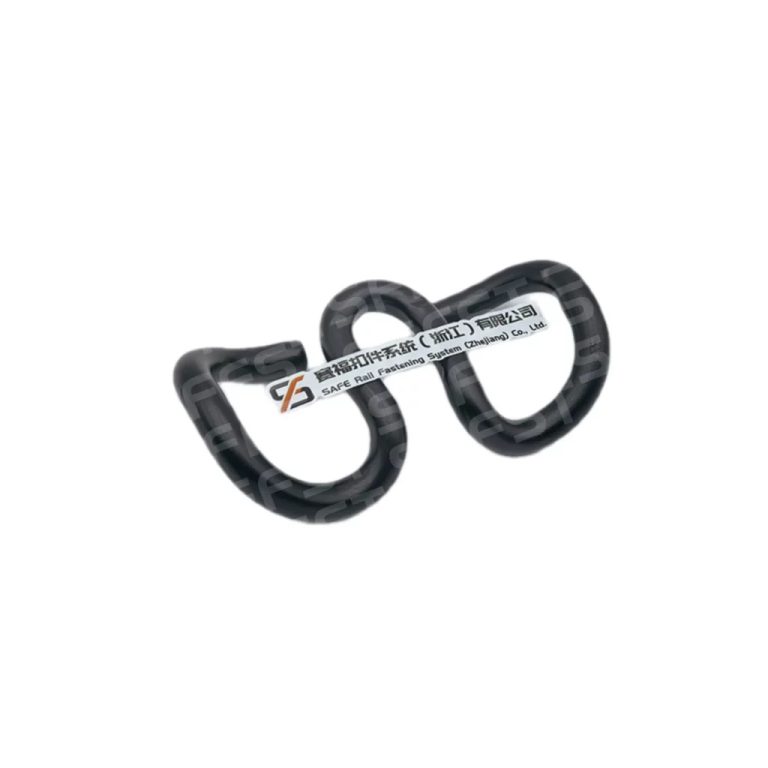
The ballasted track serves as a classic reference case. Here, the stone ballast bed absorbs heavy loads and minor movements. The fastening setup must clamp the rail very securely. However, it must also permit the slight geometry shifts that the ballast bed naturally creates. The W14 relies on the SKL 14 tension clamp and the Zw687 rail pad. It acts as a reliable standard-gauge solution for 26 t axles at speeds up to 250 km/h. Alternatively, the S21 manages that identical load but offers a clamping force of at least 20 kN.
Heavy-Haul Track
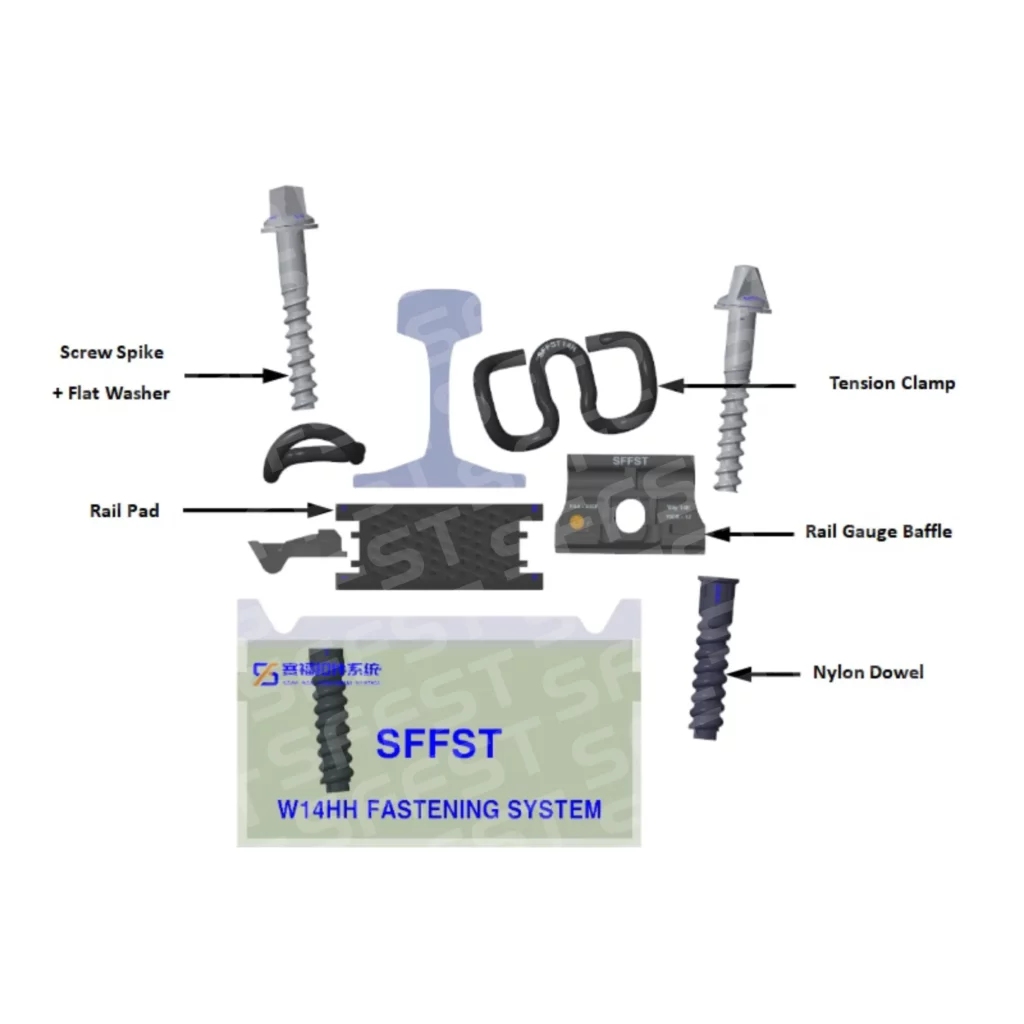
Heavy-haul freight corridors combine massive axle loads with extreme longitudinal forces. Because of this, manufacturers reinforce the clamp and the baffle. They also significantly increase the total clamping force. The W14HH firmly secures 35 t axles at speeds of 160 km/h. It delivers a clamping force of at least 23 kN. The S30HH increases this clamping force to 25 kN for that same heavy load. Both models maintain the track gauge within a strict 10 mm adjustment range. This tight tolerance handles the constant traction and heavy braking of fully loaded trains.
Slab and High-Speed Track
Ballastless slab tracks force the fastening components to absorb the entire load. When trains travel at high speeds, these dynamic forces reach their peak levels. The W300 acts as the top standard for 350 km/h operations. It supports 26 t axles and provides at least 18 kN of clamping force. It also features a plus or minus 16 mm gauge adjustment.
Insulated and Metro Track
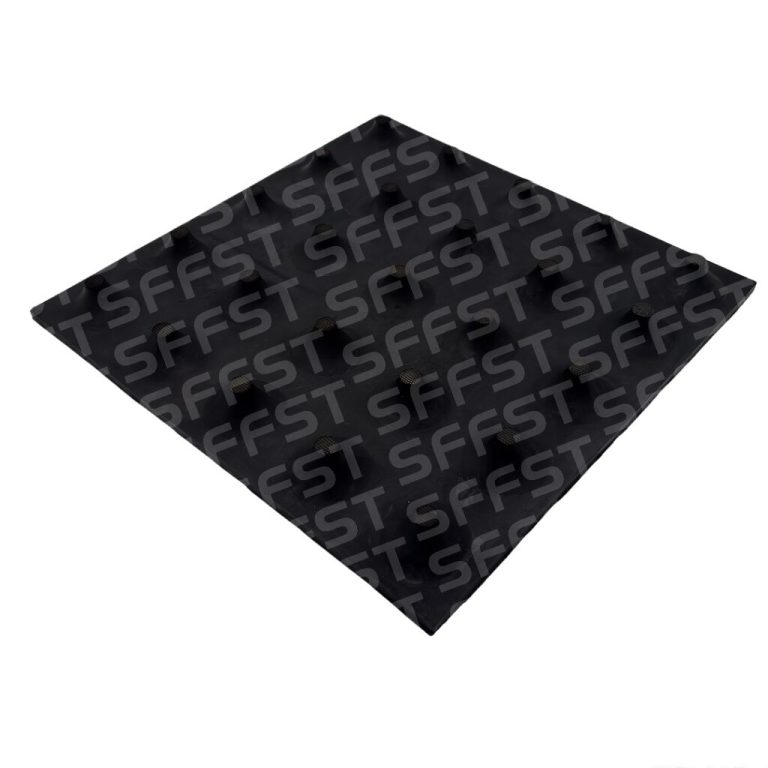
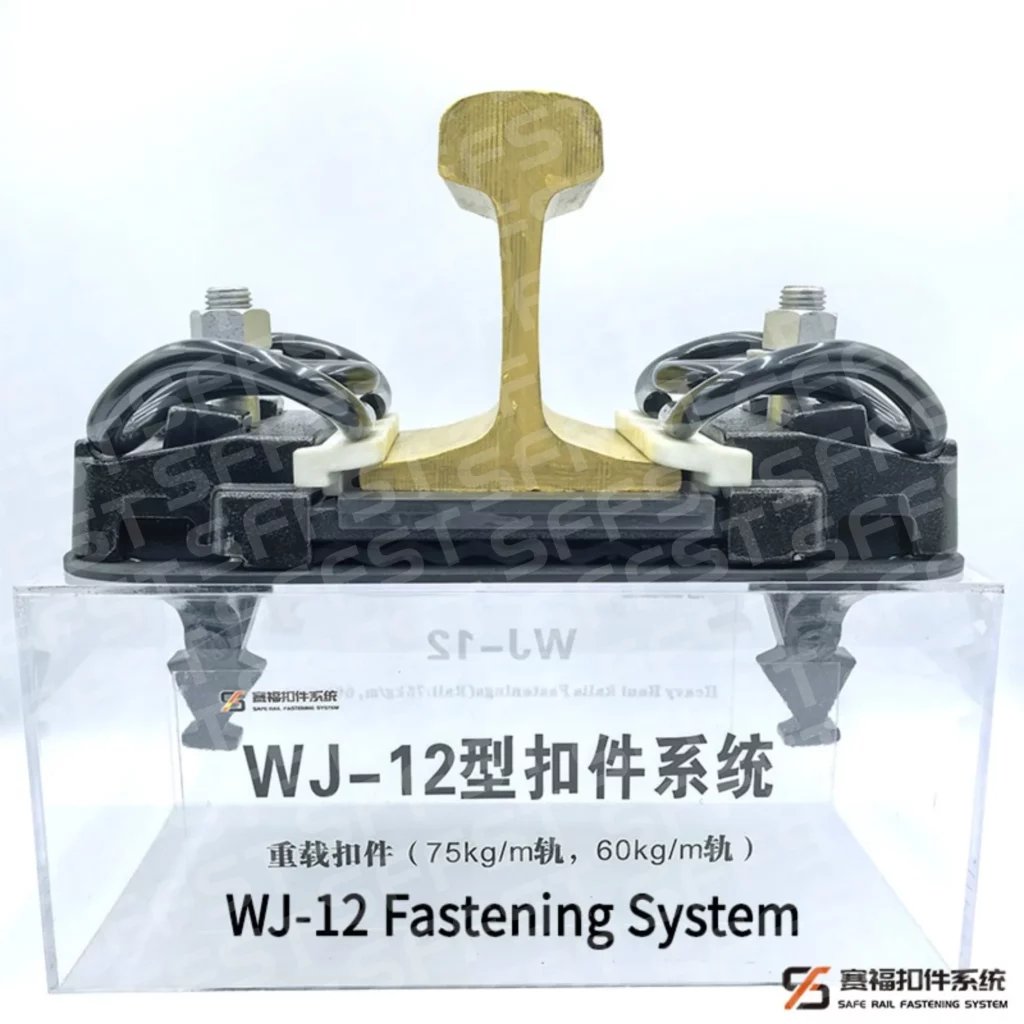
Metro and urban transit lines prioritize electrical insulation and noise reduction. The WJ-12 accommodates 30 t and 35 t axles at speeds up to 120 km/h. It includes an insulated baffle and a dedicated rail gauge insulator. This model also provides a helpful adjustment range from minus 12 mm to plus 8 mm. Meanwhile, the WJ-7 combines a W1/X2 clamp with an insulated gauge baffle. It utilizes a rubber or compound rail pad specifically for track-circuit routes. As a result, the rail remains completely isolated. At the same time, the fastening effectively dampens vibrations reaching the sleeper.
Consistency From Component to Complete System
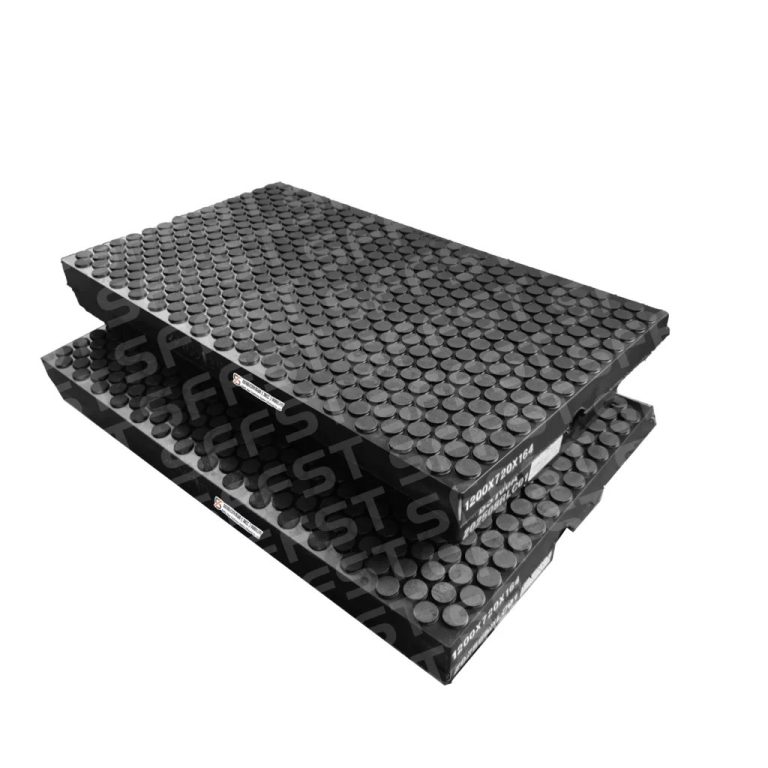
Suppliers deliver a fastening system as a fully matched set of parts. They do not just ship a random catalog of loose components. The manufacturing consistency behind every single piece is highly important. In fact, reliable production matters just as much as the written technical specification.
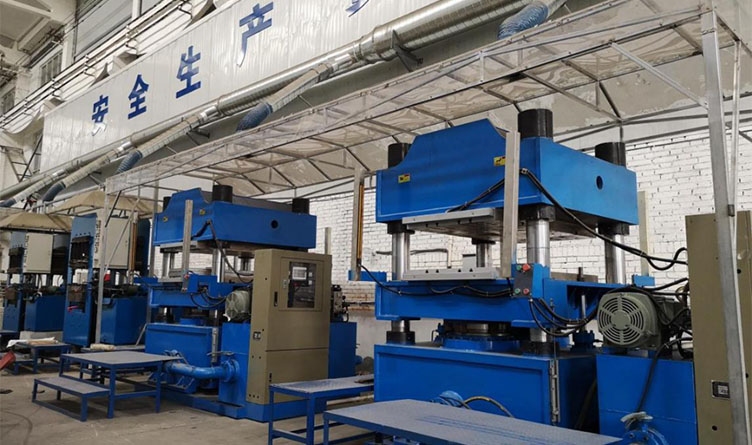
Producción automática de componentes
Each distinct material group runs on its own dedicated manufacturing line. For example, metal parts use the automatic tension clamp line. Resilient tie pads and rail pads move through the polyurethane line. The rubber line handles all molded components. Finally, insulators, baffles, and adjustment pads go through the injection molding line. Factory workers then stage these finished components in an automated 3D warehouse. This smart storage method ensures that a complete system is assembled from the exact same material lot.
Laboratory Testing Before Delivery
Quality control is very strict. The metal laboratory carefully checks for hardness and decarburization. It also tests fatigue limits and anti-rust performance. On the other hand, the non-metal laboratory evaluates stiffness and material fatigue. It also verifies hot-air aging and insulation resistance. The production facility proudly holds ISO 9001, ISO 14001, and ISO 45001 certifications. It manufactures all fastening systems as fully CRCC-certified products. Therefore, every number you read on a data sheet directly matches real, measured behavior.
Conclusión
A proper rail fastening system is chosen based on the actual track conditions. It is never just randomly assembled from spare parts. Once installed, it performs its heavy-duty job quietly for many decades. The clamps provide the necessary gripping force. The pads deliver crucial elasticity. The baffles and insulators maintain structural order. Finally, rigorous tests confirm that these elements work together flawlessly under real railway loads. Ultimately, the long-term stability of the track proves the quality of your choice.
You can explore the complete range of systems and our specific configurations online. Contáctanos hoy to explore more.
Preguntas frecuentes
Q: How is a rail fastening system selected for a line?
A: Engineers select a rail fastening system by evaluating multiple track factors. They match the product’s clamping force, longitudinal restraint, and gauge behavior to the route’s specific needs. These needs include the axle load, operating speed, minimum curve radius, and electrical requirements. Different environments require distinct fastening classes. Examples include ballasted lines, heavy-haul routes, high-speed slab tracks, and insulated metro tunnels. Buyers choose a system family to satisfy all these operational demands at the same time. They never look at just one single factor in isolation.
Q: Which SFFST fastening system suits heavy-haul track?
A: Heavy-haul service involves very high axle loads and massive longitudinal forces. For these demanding routes, the W14HH and S30HH systems are the most relevant choices. The W14HH securely holds 35 t axles at 160 km/h. It provides a reliable clamping force of at least 23 kN. The S30HH increases that clamping force to 25 kN for the exact same load. Both robust models keep the track gauge safely within a 10 mm adjustment range.
Q: How does an insulated fastening system differ from a standard one?
A: An insulated fastening system introduces necessary electrical isolation between the steel rail and the sleeper. This extra protection ensures that track circuits and signaling equipment remain completely reliable. Within the SFFST product range, the WJ-12 and WJ-7 systems utilize a rail gauge insulator and an insulated baffle. When required, they also include a buffer pad. These components work together to hold the electrical resistance at 5 k-ohm or above. Meanwhile, the core clamping strength and vibration damping behavior of the fastening remain totally unchanged.