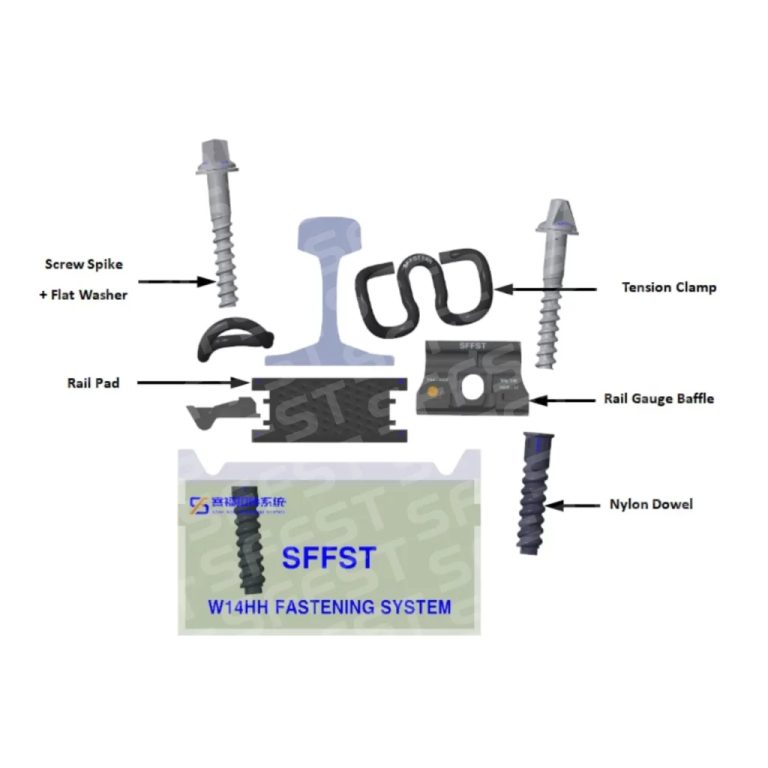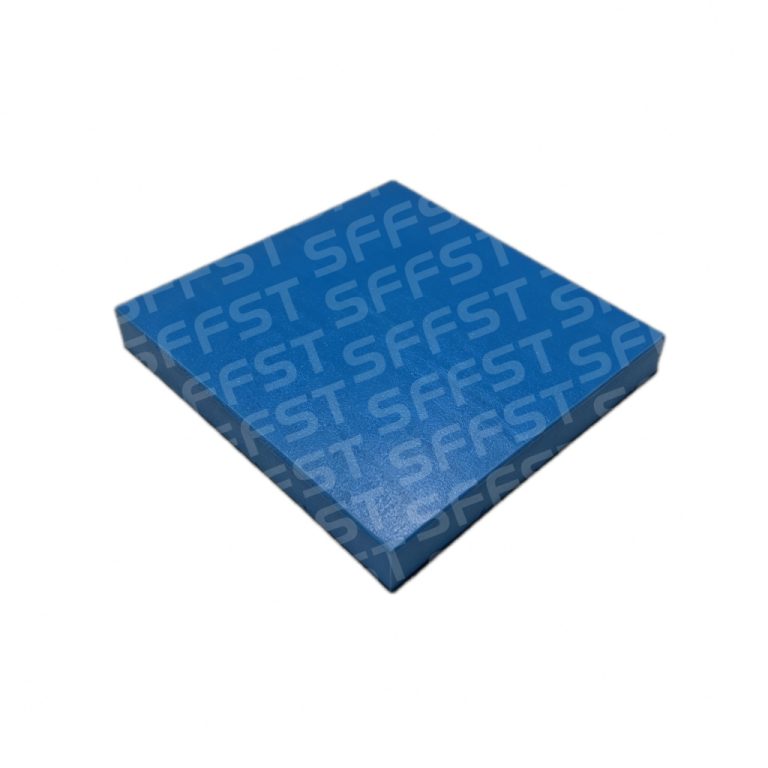
Rail fastening testing assesses the mechanical properties, structural integrity, electrical resistance and durability of the individual fasteners or assembled rail fastening system. The test parameters vary depending upon the type of standard and application of track, and include longitudinal restraint capability, clamping load, fatigue, static/dynamic stiffness, electrical resistance and material verification among others.
Why Rail Fastening System Testing Matters
System Performance at the Rail-Support Interface
A rail fastening system is a device which keeps the rail in place with respect to its supporting system and offers restraint and support in the required direction based on the track design. Depending on the rail fastening system type, there will be restraint in vertical, lateral, and longitudinal directions. In certain cases, depending on their usage, the fastening system can perform functions such as load transfer, electrical resistance, vibration dampening, and track gauge regulation. Based on the design of the rail fastening system, it could consist of rail clips or rail clamps, screws or spikes, nuts and washers, rail pads, gauge insulators or baffles, dowels, baseplates, and integral shoulders. While each of the components performs its specific functions, the performance of the rail fastening system has to be evaluated as an assembly.
Testing links design, production, and field reliability
Laboratory testing is most valuable if it is done using the same blueprint, material code, and process as used on the delivered part. Testing data will assist in product design evaluation, sample approval, incoming inspection, and maintenance analysis. Test data may also assist designers to determine whether the failure is caused by the material, fabrication, installation, deterioration of the component, or incompatibility with the track structure.
The specific test program would vary according to the nature of the fastening system design, standards, loading conditions, and the particular use on the railroad track. Where the fastening system is designed for heavy axle loadings or cycling loading, the test program could put more weight on cyclic loading ability, fatigue resistance, longitudinal restraint, clamping force, etc.
Mechanical Testing of Rail Fastening Systems and Components
Hardness and Material Verification
Hardness testing is mainly employed to confirm material and production control. With spring steel clips, bolts, spikes, and other metallic fasteners, hardness could be employed to verify the intended condition of the material or its heat treatment outcome. For polymeric parts, Shore A or Rockwell plastic hardness tests can be conducted where specified.
Longitudinal Rail Restraint Testing
The longitudinal rail restraint test measures the resistance of a fastening system against the longitudinal displacement of the rail. This resistance depends on the clamp force, the state of the rail pad, the geometry of the contact, the support, and the installation. Thus, a proper test will capture the system configuration instead of a resistance value.
The tensile or pull-out test can be conducted on cast-in-place fastening parts, such as cast shoulders, based on the design of the fastener system and relevant product specification. It is necessary for the test configuration to specify the part under loading, direction of loading, support conditions, and acceptance criteria. With this high level of specification, mechanical testing of rail fastening systems can have a value in both design and manufacturing applications.
Rail Clip Fatigue Testing and Metal Inspection
Fatigue loading and elastic performance
The mechanism of the rail clip involves successive elastic deformations due to passage of the train and due to the reaction of the rail seat assembly under load. Rail clip fatigue testing should aim at identifying loss of elastic deformation capabilities, formation of cracks, permanent deformation, or other types of deterioration which cannot be detected during a quick visual examination.
Fatigue performance must be analyzed considering the clip manufacturing process, heat treatment, surface condition, geometry, and physical characteristics. The surface condition, residual stresses, hardness, and geometry may affect the fatigue performance. There are several available fatigue test procedures mentioned in SFFST which include fatigue performance of the clip, universal material test, and electro-hydraulic servo fatigue test, among others.
Surface, structure, and defect checks
Bolts, spikes, nuts, washers, clamps, and cast shoulders should not be evaluated based on the same check list. Clamps require analysis of their elasticity and fatigue resistance; anchors or shoulders require evaluation of their load carrying capacity and ability to withstand pull out force; while bolts require dimensional, thread, hardness, and tensile examination depending upon the specifications of the bolt.
Rail Pad Durability and Insulation Testing
Hardness, stiffness, abrasion, and aging
almohadillas para rieles, resilient tie pads, baseplate pads, rubber boots, and related elastic parts can change with repeated compression, temperature, moisture, and service time. Depending on the fastening-system specification and applicable standard, rail pads may be evaluated for Shore A hardness, static stiffness, dynamic stiffness, dynamic-to-static stiffness ratio, fatigue performance, abrasion resistance, aging resistance, and permanent deformation.
Static stiffness measurements can be carried out by means of quasi-static loading; dynamic stiffness, however, is determined during cyclic loading at a given frequency, amplitude, preload, and temperature. Thus, all stiffness data obtained should be interpreted within the context of corresponding testing conditions. Stiffness measurements shall be presented along with all test conditions, including the temperature, preload, frequency, specimen geometry, and specimen conditioning history. The SFFST testing facility covers static and dynamic stiffness, tensile behavior, fatigue, Shore A hardness, and hot-air aging tests of certain non-metal railway materials.
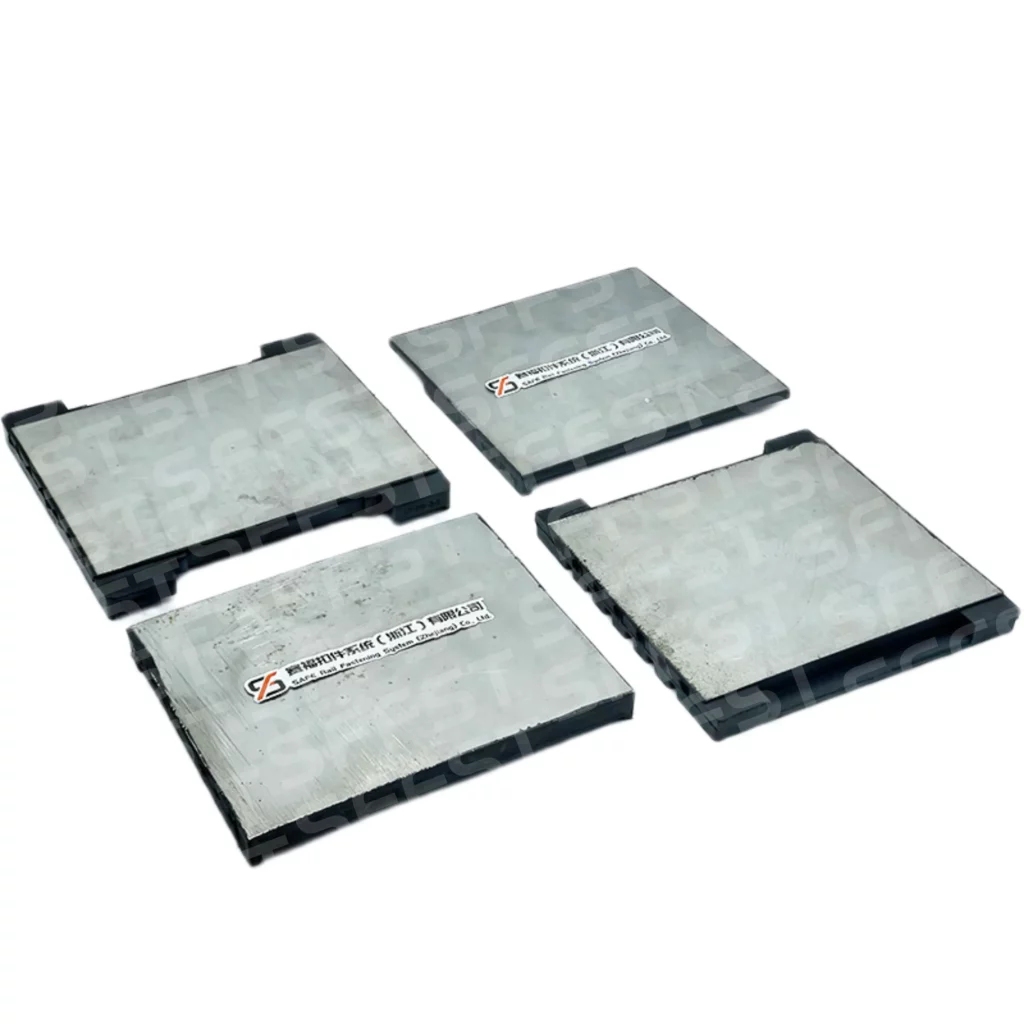
Electrical Resistance Testing of Rail Fastening Systems
The electrical resistance test checks the electrical resistance offered by the full fastener assembly. According to the EN 13146-5 standard, the test measures the resistance between the running rails under wet conditions and is pertinent to the signaling system. The test must not be confused with the dielectric strength of a single polymeric element.
How SFFST Connects Testing With Production
Production lines for repeatable components
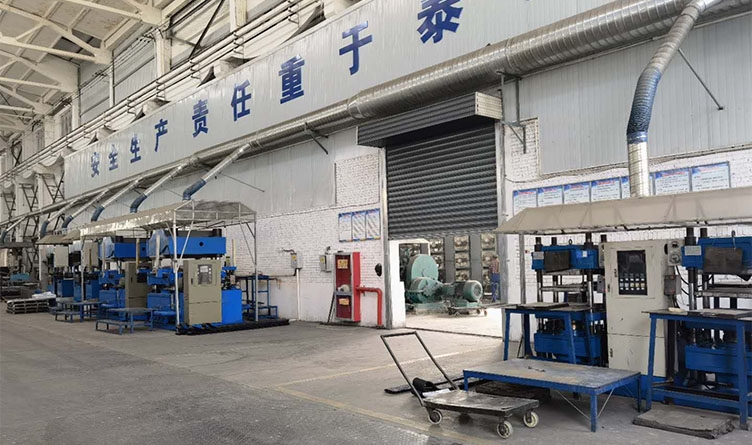
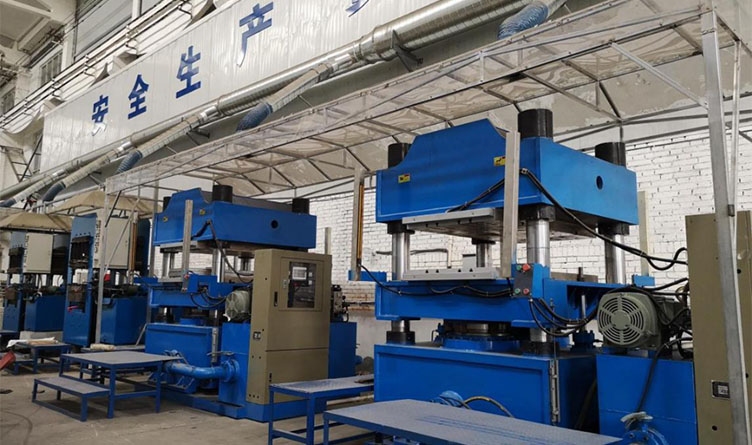
SFFST describes automated production lines for rail clips and tension clamps, polyurethane pouring for resilient tie pads, elastic pads, baseplate pads, and rail pads, plus rubber-product and injection-molding lines. For production qualification and quality control, test specimens should be representative of the specified material, manufacturing process, heat treatment, tooling, and finishing condition of the supplied component.
In case of non-metallic parts including rail gauge insulators, gauge baffles, dowels, and height adjustment pads, repeatable molding process will make the part fit consistently at the rail-side interface. For metal parts, controlled machining, heat treating, molding, quenching, tempering, surfacing, corrosion resistant finishing, and packaging are used to maintain connection between the test configuration and the delivered part.
Using test evidence for system selection
When engineers evaluate a rail fastening system supplier, they should ask how test evidence maps to the actual system. Start with the rail profile, sleeper or baseplate, fastening family, traffic conditions, adjustment needs, and electrical requirements. Then identify which tests apply to the clip, pad, bolt, insulator, shoulder, or complete assembly, and make sure the sample identification remains traceable.
SFFST’s rail fastening products can be reviewed alongside its production lines and laboratory capabilities to understand how component supply, process control, and testing relate. The useful question is not whether a supplier lists many tests, but whether the selected test method addresses the relevant failure mode and performance requirement for the intended track application.
Conclusión
Rail fastening system testing gives track engineers a structured way to evaluate restraint, elasticity, insulation, durability, and manufacturing consistency. Mechanical tests reveal how clips, bolts, spikes, shoulders, and assemblies carry load; material and fatigue checks expose weaknesses that visual inspection can miss; pad and insulation tests show whether non-metal interfaces continue to support the rail-seat design.
A robust testing program aligns the test specimen and test boundary with the actual fastening-system configuration, approved drawing, applicable standards, and service environment. SFFST brings product coverage, automated production, and laboratory testing into that system-level review, helping teams choose evidence that is relevant to the rail interface rather than a standalone number. Review SFFST’s rail fastening system solutions when qualifying a fastening system for a specific track application.
Preguntas frecuentes
Q: What is rail fastening system testing?
A: Testing of rail fastening system involves the determination of the whole rail seating system and its parts. It could be longitudinal rail restraint, clamp load, fatigue loading, stiffness – static and dynamic, electrical resistance, fatigue of the clip, hardness testing, dimensioning, aging, material verification, etc., depending on the fastening system used. The appropriate test method will depend on the fastener family, mounting conditions, service loading, and whether the sample is one component of the fastening system or the entire fastening system itself.
Q: How are rail pads evaluated?
A: Rail pad testing includes assessing hardness, static stiffness, dynamic stiffness, fatigue, wear, aging, and residual deformation. The procedure must account for temperature, preload, frequency, sample geometry, and conditioning since these affect the outcome.
Q: Why does laboratory capability matter when selecting a supplier?
A: Lab ability is important because the supplier needs to be capable of correlating the test data with the part being supplied, process, drawing, and fastener system design. The lab will help in validating design, reviewing batches, analyzing failures, and choosing appropriate components. The critical point is relevance – the test limits and procedures must correlate with the risk of the track application.