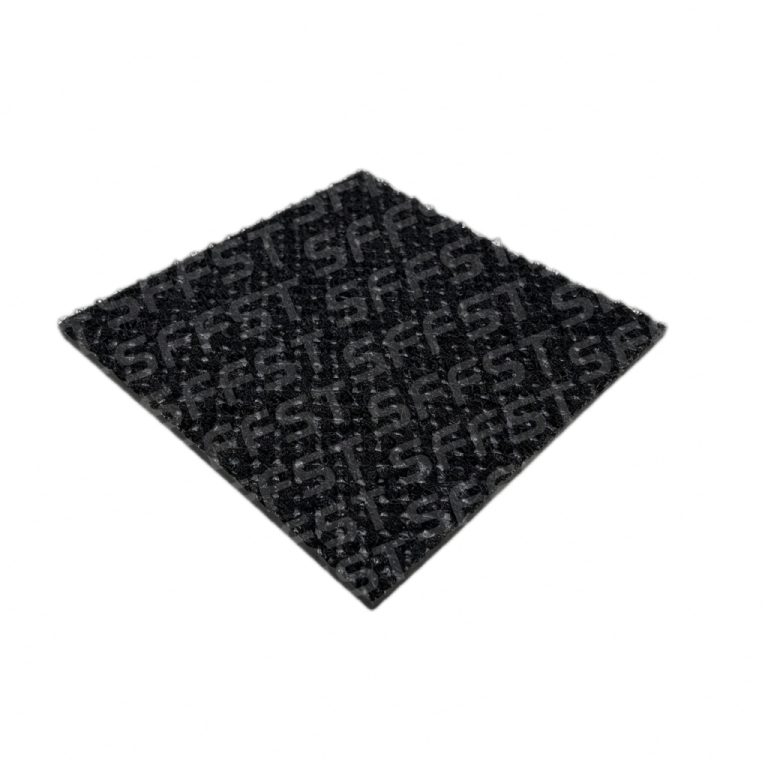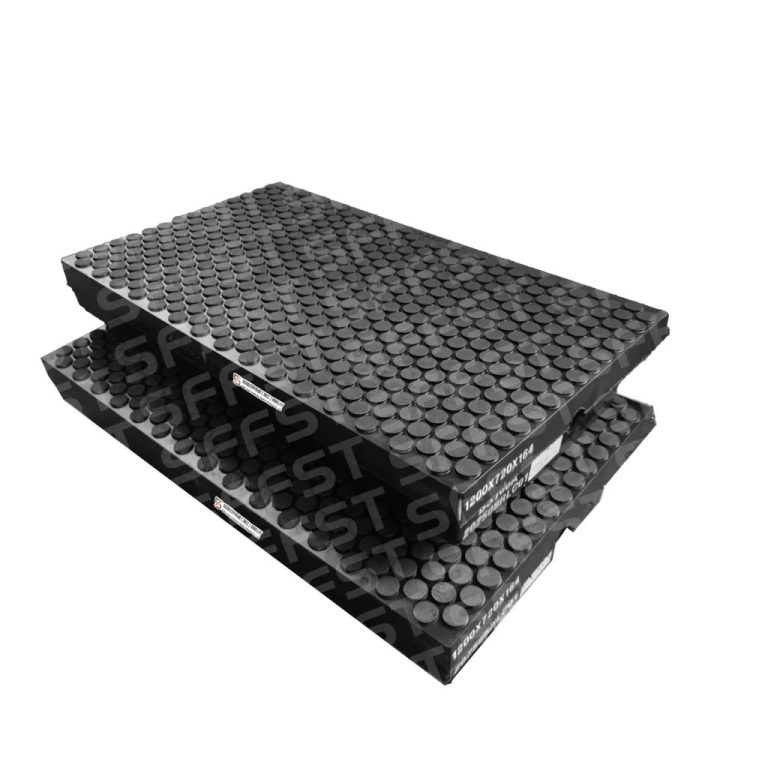
Rail pad stiffness is one of the key parameters used to characterize the vertical load-deflection behavior and dynamic response of a rail fastening system. However, stiffness should be assessed together with material properties, fastening preload, fatigue performance, insulation, environmental resistance, and the requirements of the complete fastening assembly.
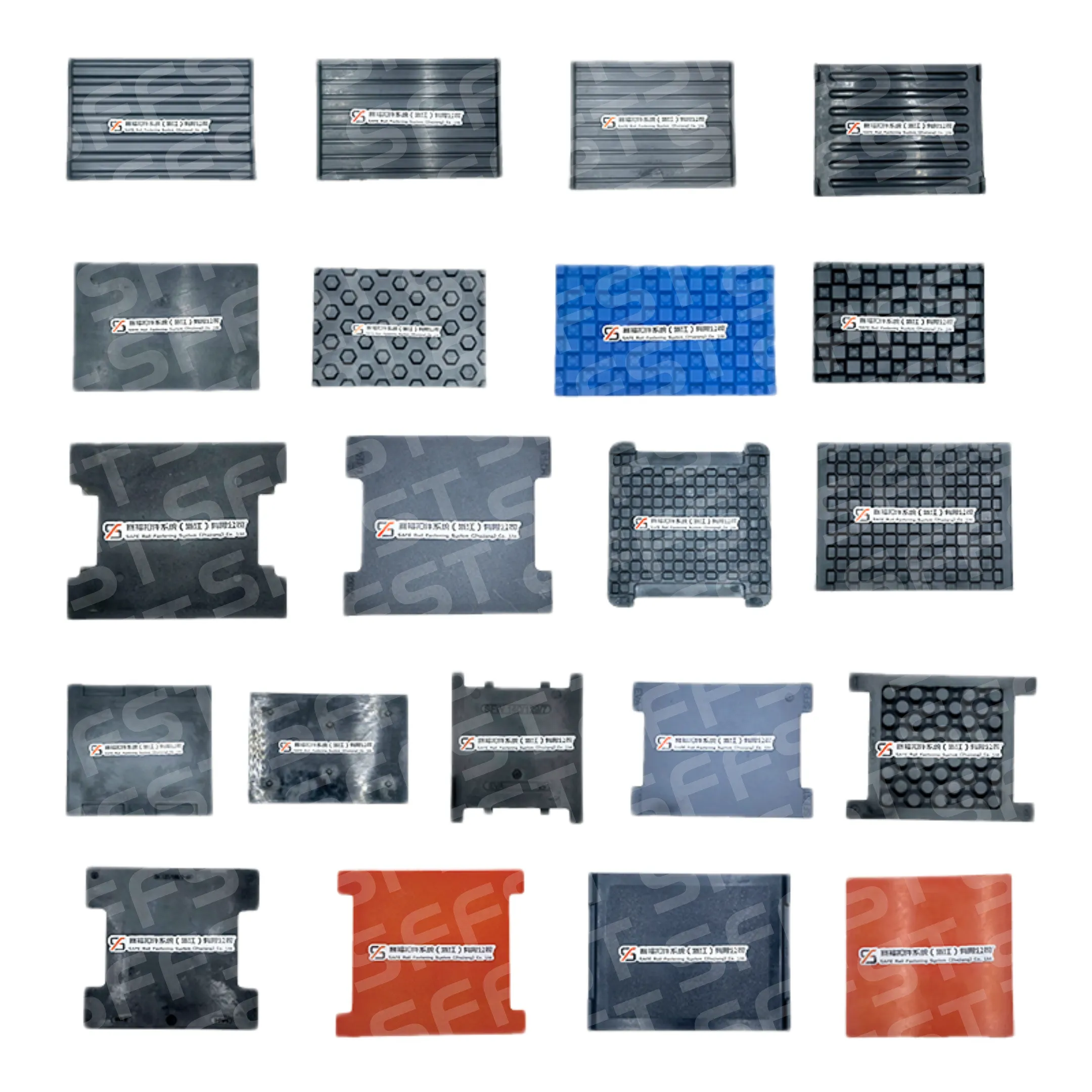
Why Rail Pad Stiffness Matters
Load Transfer Beneath the Rail
A almohadilla de riel is installed between the rail and the supporting element, such as a baseplate or sleeper. It provides resilient support and contributes to the transfer and distribution of vertical loads through the fastening assembly. If the pad stiffness is too low, excessive rail-seat deflection may occur under service loading. If it is too high, the fastening system may provide insufficient compliance and may transmit higher dynamic loads to adjacent components. The optimum stiffness therefore depends on the requirements of the complete fastening assembly and track structure.
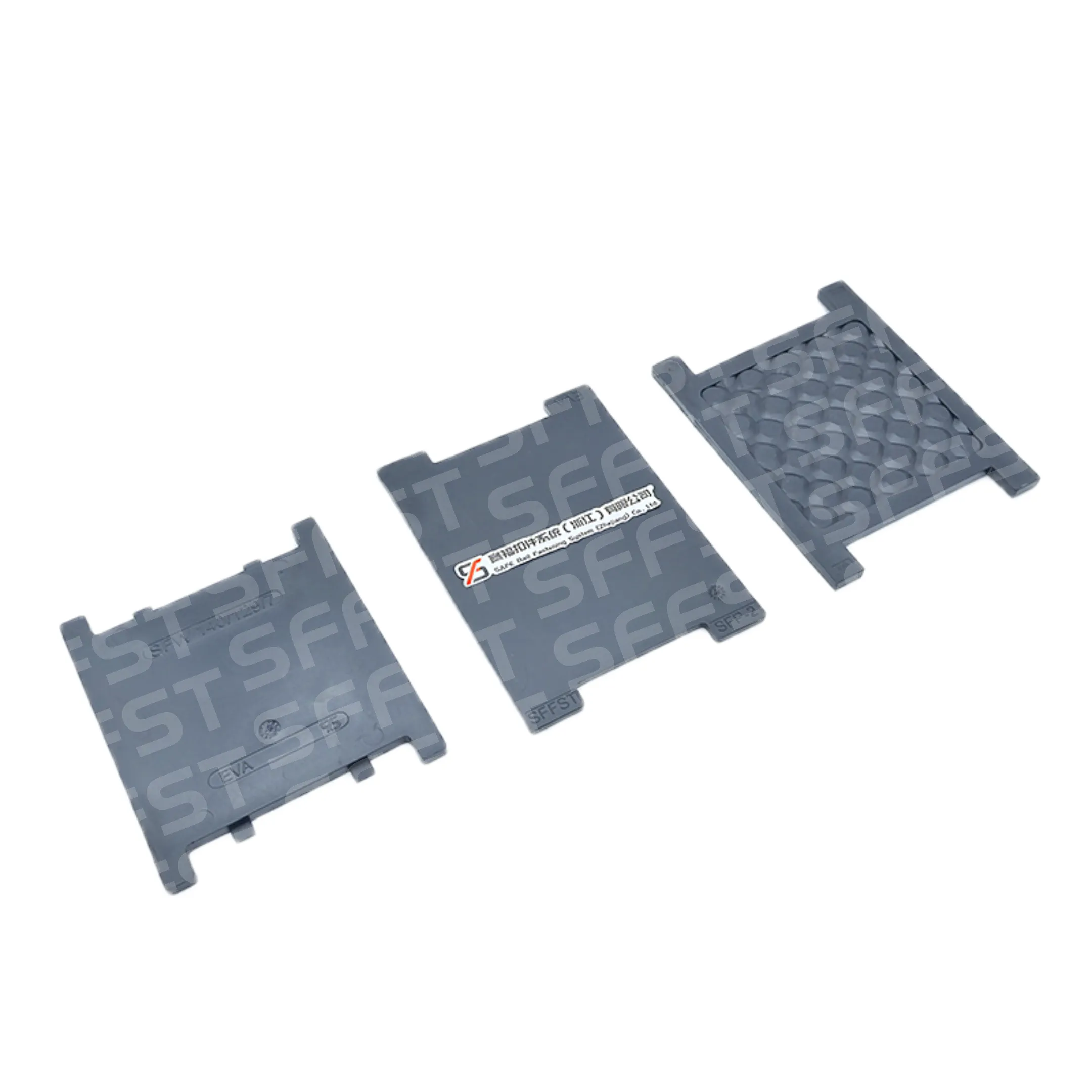
In practical use, the pad is part of the rail support path, not a standalone product. The surrounding rail seat, clip, sleeper, and baseplate all influence how the pad responds, which is why the same pad may exhibit different system-level stiffness and load-distribution characteristics when installed in different fastening assemblies.
Vibration, Support, and Insulation
Rail pads can contribute to vibration reduction by providing resilient support and can also provide electrical insulation where required by the fastening-system design. A rail pad must also satisfy the specified electrical resistance, dimensional, and surface-quality requirements of the fastening system. Selection should therefore combine mechanical stiffness with the insulation and durability data for the target system.
That is especially important on lines where repeated loading and noise control both matter. The pad has to stay stable under service conditions while still giving the rail enough compliance to perform as designed.
Static Stiffness and Dynamic Response
What Static Stiffness Means
Static stiffness is the stiffness determined from the force–displacement response of the rail pad under a specified static loading procedure. It is normally expressed as force per unit vertical displacement, such as kN/mm or MN/m. SFFST identifies a rubber rail pad in the Type III fastening system with static stiffness of 55 to 80 kN/mm, showing that the accepted working range is defined at the system level, not as a universal value for every railway pad.
This range provides the specified stiffness criterion for the Type III fastening system and illustrates why rail-pad stiffness should be selected according to the applicable fastening-system specification.
Why the Dynamic and Static Stiffness Ratio Matters
Dynamic stiffness is determined under cyclic loading at specified test conditions and frequencies, rather than under a steady compressive load. The dynamic-to-static stiffness ratio provides an indication of how the pad’s stiffness changes between static and dynamic loading conditions.
SFFST lists a ratio of not more than 2.0 for both the Type III rubber rail pad and the Type VII TPEE rail pad, which provides a specified limit for the difference between static and dynamic stiffness.
A specified dynamic-to-static stiffness ratio helps control the difference between the pad’s static and dynamic stiffness characteristics and provides a defined acceptance criterion for the fastening-system design.
Rail Pad Materials: Rubber, Polyurethane, TPEE and Composites
Almohadillas de goma para rieles
Rubber rail pads are widely used in railway fastening systems because of their resilience, load-bearing characteristics, durability, and electrical insulation properties where specified. For the SFFST Type III fastening system, the rubber rail pad is specified with a static stiffness of 55 to 80 kN/mm, a dynamic-to-static stiffness ratio of ≤2.0, Shore A hardness of at least 65.
These values link material choice to track function. Shore A hardness is a material-property indicator and should not be treated as a direct substitute for rail-pad static stiffness. Both parameters should be controlled according to the applicable product specification and test method.
TPEE and Other Engineering Options
SFFST also lists a TPEE rail pad in the Type VII fastening system with a static stiffness of 140±20 kN/mm and a dynamic and static stiffness ratio not greater than 2.0. This illustrates how different fastening-system configurations can use rail pads with different specified stiffness characteristics.
How to Match Rail Pad Stiffness to a Fastening System
Type III Rail Pad Requirements
The Type III rail rubber pad is part of a defined fastening assembly with linked material, hardness, stiffness, and insulation requirements.
The Type III system uses a lower specified rail-pad stiffness range than the Type VII system. However, the two pads should not be compared solely by stiffness because they are specified for different fastening-system configurations and operating requirements.
Type VII Rail Pad Requirements
The Type VII system uses a TPEE rail pad at 140±20 kN/mm. The higher specified stiffness distinguishes the Type VII pad from the Type III pad, but the selection should be based on the complete fastening-system specification and applicable design requirements rather than stiffness alone.
Type VII is not a substitute for Type III. The right choice depends on installation geometry, support target, and rail-seat behavior.
Rail Pad Inspection and Installation Checks
Rail Seat and Baseplate Interface
Before installation, check the rail seat, baseplate, and companion fastening parts so the pad sits flat and fully supported. A rail pad that rocks, twists, or leaves an uneven contact area will not perform as expected, even when the material specification complies with the documented requirements.
The fit should align with the drawing and the intended contact zone. This catches problems before the track enters service.
Hardness, Insulation, and Surface Quality
Hardness and insulation need to be judged together with surface condition.
A pad with visible deformation, obvious contamination, or poor molding quality should be treated with caution. Dimensional deviations, surface defects, or local deformation may affect contact conditions and load distribution and should therefore be controlled before installation.
Rail Pad Manufacturing, Testing and Quality Control
Production Lines and Process Consistency
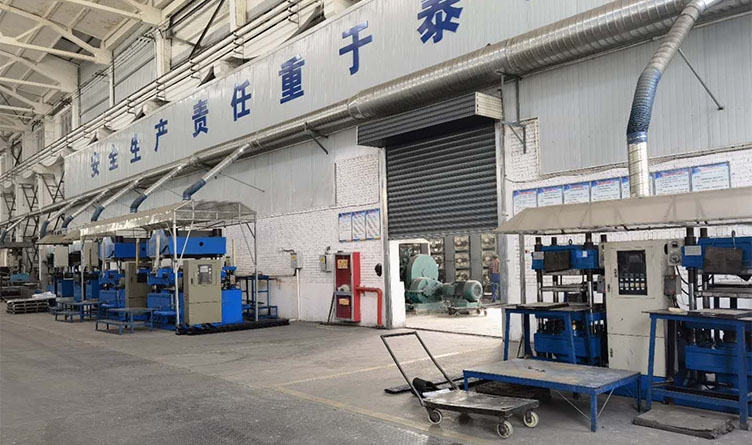
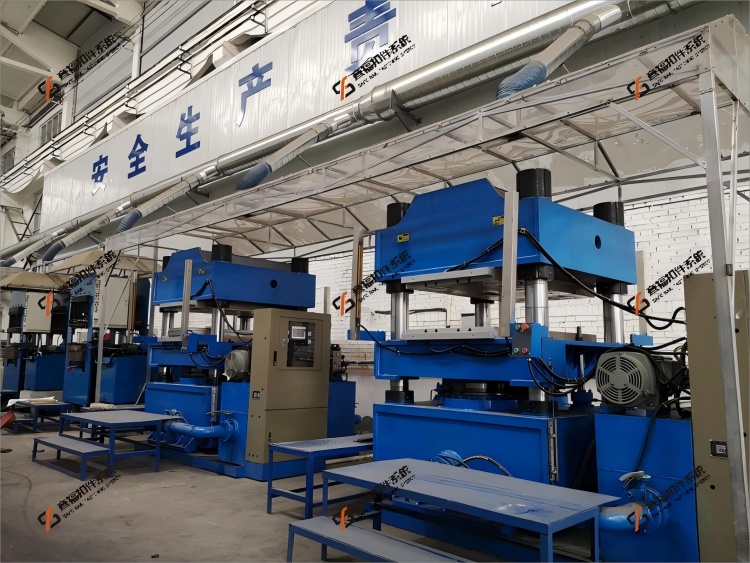
SFFST states that its production lines include automatic polyurethane pouring equipment and related manufacturing capacity for elastic pads, baseplate pads, and rail pads.
Choosing a Supplier by System Fit
The strongest selection habit is to begin with the fastening system, then compare the material, stiffness range, and insulation target. Type III fastening system and Type VII fastening system give two different reference points, which helps prevent the selection of a rail pad whose stiffness or material properties are inconsistent with the specified fastening-system requirements.
Conclusión
Rail pad stiffness is only meaningful when it is matched to the correct fastening system, material, and track interface. The right pad balances static support, dynamic response, insulation, and durability so the rail can stay stable under real service loads.
If you are comparing rail pad options for a project, start with the SFFST product family and match the fastening system before anything else.
Preguntas frecuentes
Q: What is rail pad stiffness?
A: Rail pad stiffness describes how a rail pad resists compression under load. It helps determine how much support and flexibility the rail receives in a fastening system. In railway applications, stiffness should always be judged together with the pad material, the rail seat, and the system drawing rather than as a standalone number.
Q: Is higher rail pad stiffness always better?
A: Not necessarily. Higher stiffness can improve support in some systems, but it can also reduce compliance if the pad becomes too firm for the track design. The right value depends on the fastening family, the rail environment, and the balance needed between load support, vibration control, and durability.
Q: What materials are used for rail pads?
A: SFFST identifies rubber rail pads in Type III systems and TPEE rail pads in Type VII systems. The product family also allows other materials such as polyurethane and composite options on the company’s rail pad page. The correct choice depends on the approved fastening system and the required stiffness target.
Q: How should rail pads be selected for a railway fastening system?
A: Start with the fastening system designation, then confirm the material, static stiffness, dynamic and static stiffness ratio, hardness, and insulation target. Check the rail seat and baseplate interface as well. The safest selection is the one that matches the system drawing and the published technical values.