The durability and security of a rail track system rely greatly on the dependability of the parts that secure it. Rail operators often face high total lifecycle expenses for their infrastructure. These costs can worsen due to unplanned fixes and unexpected stoppages. Without a clear plan, the rail fastening system may turn into the main weak spot. This leads to quicker wear, track bending, and potential dangers to safety. At SFFST , we focus on “Fastening Excellence.” With more than 40 years in the field, we do not just supply top-quality rail components. Instead, we deliver a complete EPC+M+O package. This helps cut maintenance needs, lower expenses, and lengthen the working life of each part of the railroad track. This guide offers a practical path for maintenance leaders. It shows how to move from sudden fixes to a full-lifecycle approach.
Addressing Railway Lifecycle Cost Challenges
Financial Impact of Reactive Maintenance
Sudden fixes typically bring steeper expenses. These come from urgent repairs, time lost in operations, and a cut-short lifespan for assets. When a rail fastening system gets attention only after it breaks, the harm often spreads to sleepers and rails. At SFFST, we stress that replacing a part only when it fails is the costliest method to handle a rail track system. For instance, in busy lines like urban metros, one loose clip can halt trains for hours, adding thousands in delay costs.
Advantages of a Proactive Lifecycle Strategy
A forward-thinking plan aims to stop problems before they start. By using our MANAGEMENT services, we assist rail operators in staying on budget. We also make sure they hit strong quality marks through tailored project oversight from start to finish. Such a method cuts down the “Total Cost of Ownership” a lot. It does this by keeping rail fastening components like SKL Tension Clamps or e-Clips in top shape over their full planned use.

Establishing Rigorous Daily Inspection Protocols
Visual Assessment of Metal Fastening Parts
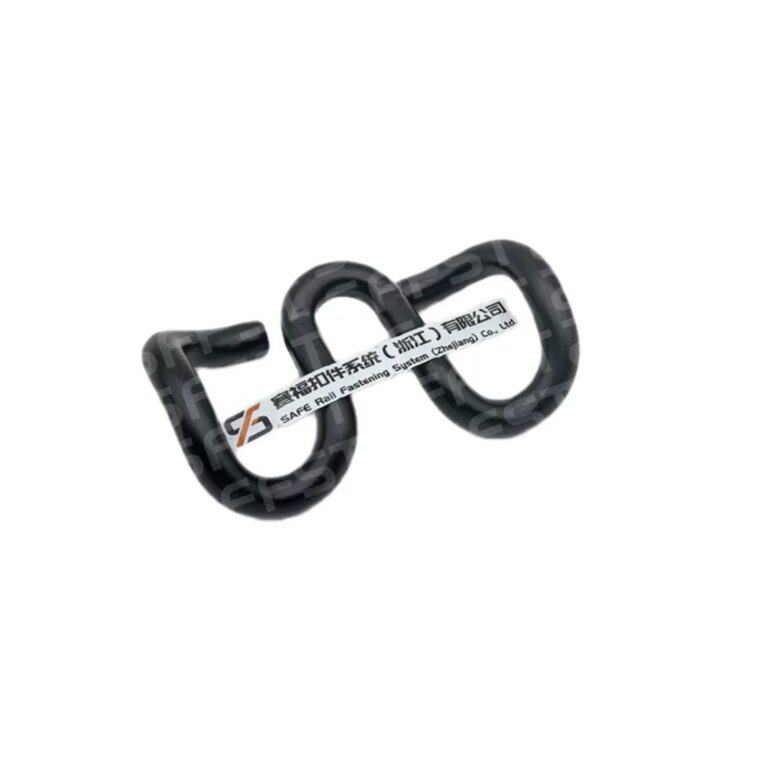
Regular sight checks form the basic shield against track shifts. Teams should often examine metal parts such as Bolts, Spikes, Nuts, and Washers. They need to spot rust or slackness. Extra care goes to the SKL Tension Clamp, Fast Clip, and Nabla Blade. Look for clear breaks or lasting bends that signal tiredness. Our Automatic rail clip/tension clamp production lines make these items with steady metal traits to handle ongoing pressure. Field teams in places like freight yards report catching issues early this way, avoiding bigger breakdowns.
Evaluating Performance of Resilient Rail Pads
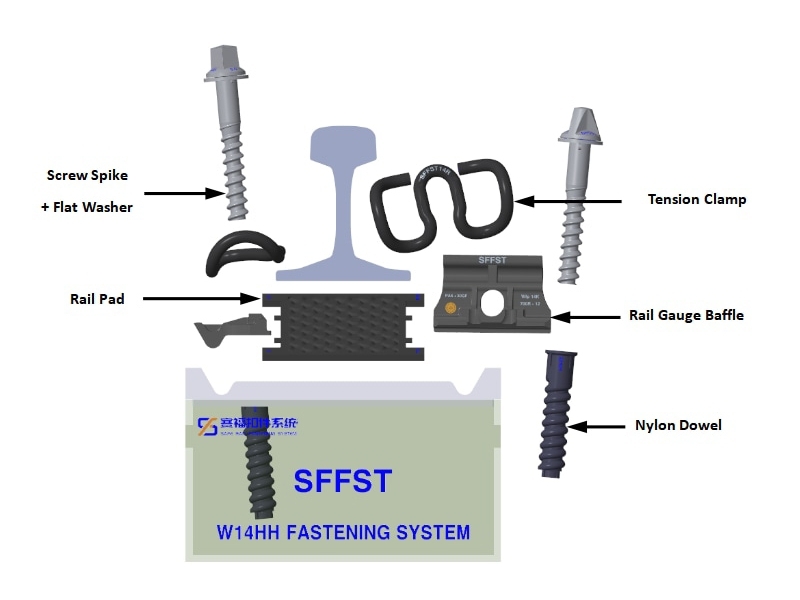
The non-metal parts in a rail fastening system, including the Rail Pad and Resilient Tie Pad/Elastic Pad, play a key role in absorbing shocks and curbing noise. In checks, staff should watch for hardening, splits, or swelling in these flexible items. Our Automatic polyurethane pouring machine production lines create sturdy Baseplate Pads and Rubber Pads.
Optimizing Rail Maintenance Torque Calibration
Risks of Improper Fastening Tension
Keeping the right rail maintenance torque is essential for track steadiness. Too little torque lets rail components slacken, which causes rail slide and gauge loss. Too much torque stresses the Tension Clamp and Bolts overly, bringing early wear-out. We learned the value of exact torque in fast lines like the Shangqiu-Hefei-Hangzhou High-speed Railway Project, where small errors led to gauge shifts in tests.
Standardizing Torque for SFFST Fastening Systems
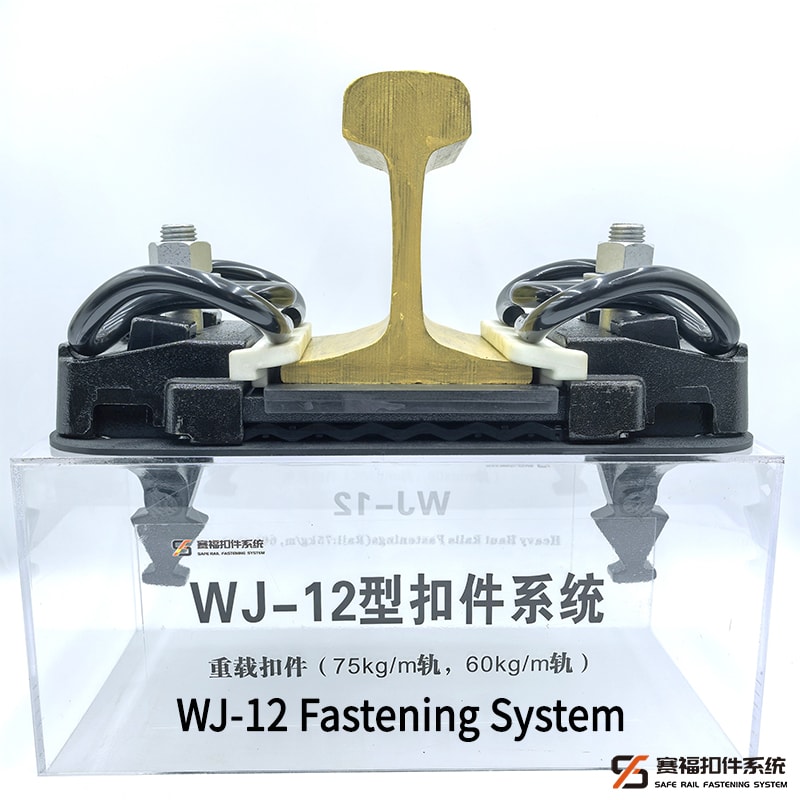
We give clear torque guidelines for all our setups, such as the WJ-7 Fastening System, WJ-8 Fastening System, and WJ-12 Fastening System. Through our PROCUREMENT aid, we supply custom checking jigs and gear for setup. This lets on-site staff use the precise pull needed. Our International Joint R&D Center runs detailed mechanical checks to figure out the best load spread for every SKL Tension Clamp.
Managing Component Replacement Life Cycles
Durability Standards for SFFST Metal Parts
To handle swap times well, operators need to grasp the strengths of their railway components. Our Metal Lab has a Clip fatigue testing machine and a Rockwell hardness machine. These confirm that our metal parts match or beat rules like TB/T 3395.2 and EN 13481. Take our Type Ⅳ Fastening System, for example. It is built for lasting use in quick routes, with pieces set to endure millions of stress rounds. Data from lab runs shows these parts hold up under 5 million cycles without cracks.
Fatigue Life of Resilient Non-Metal Components
Non-metal parts show wear patterns unlike those of metal ones. In our Non-metal Lab, we employ Electronic universal testing machines and Aging test chambers. These mimic long years of weather hits and physical strain. The results let us suggest exact swap times for Rail Gauge Insulators, Embedded Dowels, and Height Adjustment Pads. We do this to replace them before they drop their protective and springy traits.
SFFST Integrated Maintenance Service Model
Specialized EPC+M+O Operation and Management
Our EPC+M+O setup is a full-package fix for a railway build’s whole span. In the OPERATION stage, we offer broad steady-run plans. These include local tech help and everyday upkeep advice to keep the rail track system running without breaks. This forward care stops the traps of scattered upkeep timetables.
Expert On-Site Field Technical Support
We take pride in our CONSTRUCTION backing, which covers On-site construction counselling and On-site worker system training. Our skilled tech group can head to build spots—from the Morocco Kenitra-Marrakech High-Speed Railway Project to city subway routes. There, they give direct aid and confirm setups meet top pro levels.
Strategic Maintenance Planning for Efficiency
Developing Data-Driven Maintenance Schedules
Forward upkeep calls for timetables rooted in real output facts and site weather. By drawing on our Laboratory’s Track Fastener Longitudinal Resistance Testing Machine and Drop Hammer Impact Test System, we aid operators in crafting upkeep plans fit to their track’s special needs. High-wear spots get closer checks, while steady areas use fewer resources for the rail track system.
Training Personnel for Standardized Installation
Even the finest rail fastening components will fall short if set up incorrectly. We highlight the need to teach upkeep groups proper setup methods for setups like the W14 Fastening System or W300 Fastening System. Our teaching sessions cover right part fitting, accurate rail maintenance, torque use, and spotting the first signs of part breakdown. This equips workers to uphold “Fastening Excellence” each day.
Conclusion
Stretching the life of a rail track system means changing how we see rail fastening components. We should view them not as basic gear but as vital pieces in a detailed lifespan setup. Through steady checks, spot-on rail maintenance torque settings, and ordered swap rounds, operators can ease big upkeep bills and surprise breakdowns. SFFST serves as your steady lifespan ally. We use our cutting-edge Laboratory tools, Automation Leading build lines, and wide EPC+M+O aids to keep your setup safe and smooth-running. With ongoing advances and tech skills, we aid in creating a stronger, more dependable rail base for years ahead.
Contact SFFST today to consult with our experts on a customized EPC+M+O maintenance strategy and discover how our high-performance rail fastening systems can reduce your long-term operational costs.
FAQ
Q: What are the signs of failure in rail fastening components?
A: Watch for slack Bolts or Nuts, split SKL Tension Clamps, and worn or pressed-flat Rubber Pads. In our Laboratory, we apply Clip fatigue testing machines and Aging test chambers to study these breakdown types. This helps upkeep groups spot when rail components are near their safe end of life.
Q: Can proactive maintenance reduce the total cost of ownership?
A: Yes. With SFFST’s MANAGEMENT and OPERATION aids, builds stay in budget and hold firm quality levels. This stops costly troubles like track bends or “rail creep.” Forward care costs far less than rush fixes after a large part of the railroad track breaks down.
Q: Does SFFST provide training for maintenance crews?
A: Absolutely. In our CONSTRUCTION part of the EPC+M+O setup, we give full On-site worker system training. This makes sure upkeep teams master new setup skills and rail maintenance torque rules for items like the WJ-7 or Type Ⅳ Fastening System.