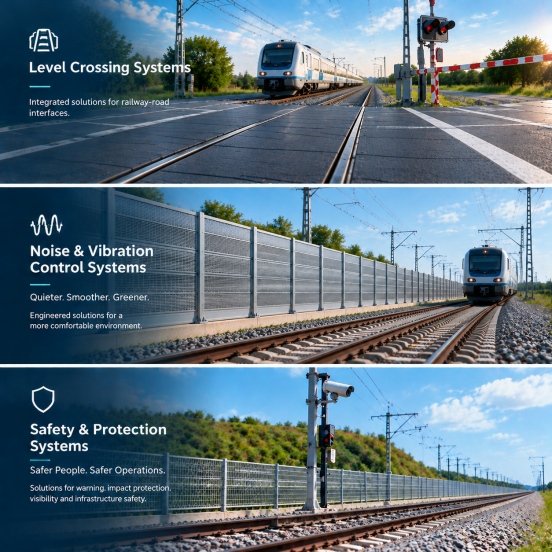
In the tough field of today’s infrastructure, high-speed trains and heavy freight lines demand total accuracy. The strength of the rail track system cannot be ignored. Each trip depends on the hidden power of the rail fastening system. Still, one major challenge for maintenance crews involves controlling rail maintenance torque exactly. Wrong tightening—either too slack or too firm—might cause serious track shifts, part wear, or a drop in holding power along the rail. As a dedicated maker focused on “Fastening Excellence,” SFFST supplies top-notch rail components. We also offer technical know-how and EPC+M+O services. This guide looks at key torque rules for maintenance. It shows how SFFST aids rail managers in keeping a solid, dependable base.
The Critical Role of Rail Maintenance Torque
Defining Torque in Rail Fastening Systems
In a rail track system, torque means the turning force put on Bolts and Nuts. This creates a set clamping pressure between the rail and the sleeper. Such pressure makes sure that rail fastening components, like the SKL Tension Clamp or e-Clip, press the right amount on the rail base. At SFFST, we see torque as more than a figure. It stands for safety rules that hold rails straight under heavy moving loads.
Impact on Rail Track System Stability
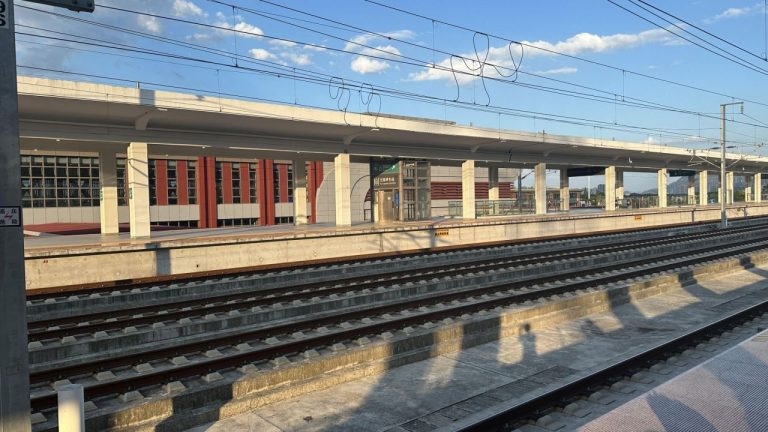
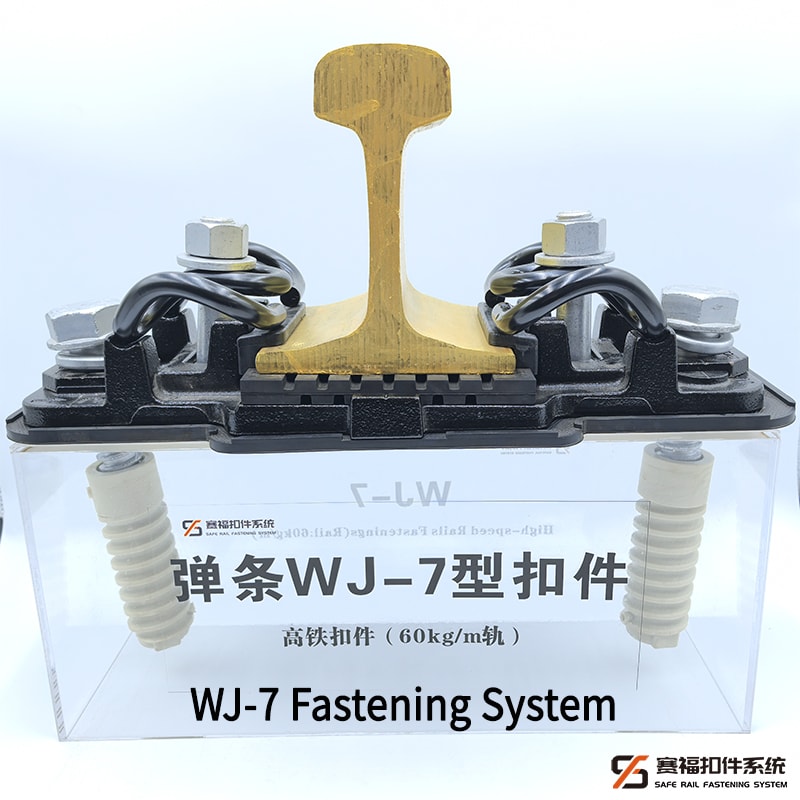
The whole rail track system relies on steady rail maintenance torque. When applied just right, it keeps the track width steady and stops the rail from leaning or slipping. On fast lines, like the Shangqiu-Hefei-Hangzhou High-speed Railway Project, this steady hold matters a lot for rider ease and cutting noise. Our WJ-7 Fastening System and W14 Fastening System fit specific torque levels. They help reduce noise and shakes well.
Risks of Improper Fastening Torque
Dangers of Under-Tightening and Loose Parts
Under-tightening often leads to rail components getting loose as time passes. If rail maintenance torque falls short, the Tension Clamp fails to give enough foot pressure. As a result, holding power along the rail drops. This might cause “rail creep,” where the rail shifts away from sleepers on its own. It could then lead to track twists or openings.
Hazards of Over-Tightening and Material Fatigue
On the other hand, over-tightening brings big risks too. Too much rail maintenance torque adds extra strain on Bolts, Spikes, and Tension Clamps. It can bring about “plastic deformation,” where metal loses its bend and energy-take-up ability. Over the years, this causes material tiredness and quick breaks. We use our Metal Lab, with Rockwell hardness machines and Clip fatigue testing machines, to check that our metal parts handle high strains. But they need to be fitted within set torque bounds to last long.
Standards for Rail Fastening Components
International Compliance and CRCC Standards
We make sure our products hit the top world and local rules. Our rail fastening system range gets CRCC certification backing (Standards: TB/T 3065, TB/T 3570, TB/T 3395.2, TB/T 3395.3). It also follows European rules like EN 13146 and EN 13481. These rules set the needed strength details and torque ranges for various track kinds, from standard rails to heavy freight setups like those in the Fenghong and Jingshen Railway project.
SFFST Specifications for Tension Clamps
Our International Joint R&D Center focuses on exact strength number work. For each setup we build, like the Type Ⅳ Fastening System or Type Ⅴ Fastening System, we give clear torque advice. These come from better strain spread studies for spring clips. Thus, the rail maintenance torque used turns straight into the needed clamp force. It avoids pushing the material too hard.
Essential Components of Railway Tracks
Critical Metal Fastening Parts
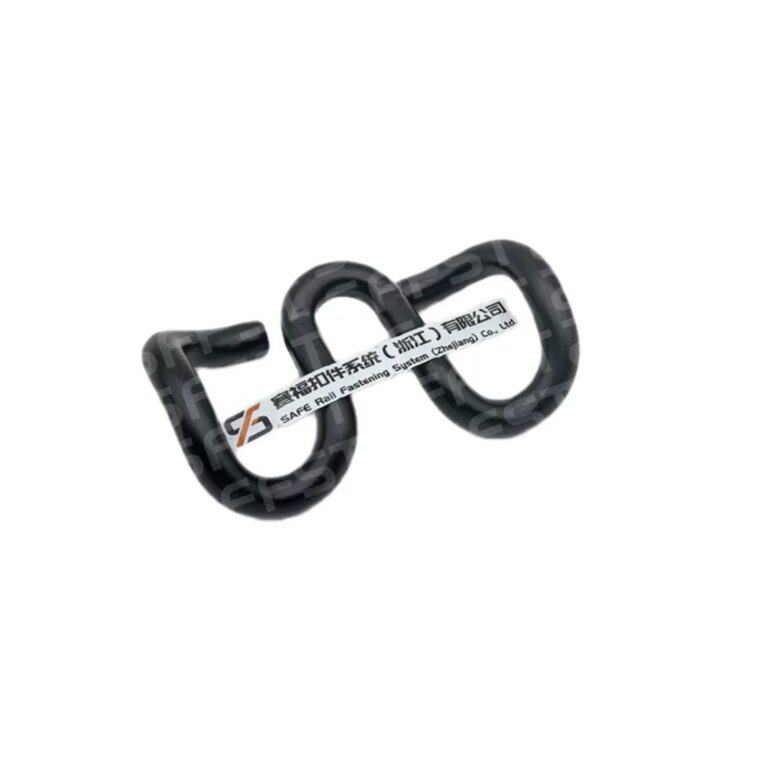
A strong rail fastening system includes key metal parts. These cover Tension Clamps, Bolts, Spikes, Nuts, and Washers. Our Automatic rail clip/tension clamp production lines apply modern heating and hardening steps. They make sure every Nabla Blade or SKL Tension Clamp shows even metal traits. This evenness counts because uneven hardness leads to different responses to the same torque.
Resilient Non-Metal Rail Components
Torque influences how non-metal parts work, too. Items like the Rail Gauge Insulator, Embedded Dowel, and Height Adjustment Pad need proper seating. This happens through the right tightening of the full fastening group. Our Automatic Polyurethane Pouring Machine Production lines create tough Baseplate Pads and Rubber Pads. They give the right shock absorption and isolation. If the torque goes wrong, these parts face uneven pressure. That brings early breakdown and loss of electric shielding.
SFFST Precision Testing and Validation
Advanced Metal and Non-Metal Laboratories
To fix the issue of torque mistakes, we put a lot into testing. Our Laboratory has more than 100 pieces of modern test gear. In the Non-metal Lab, we run Electronic universal testing machines and Aging test chambers. They check how our pads act under long squeeze times. This confirms that with the right rail maintenance torque, the pads keep their bounce for their full work span.
Assembly Testing for Longitudinal Resistance
One key device we use is the Track Fastener Longitudinal Resistance Testing Machine. It copies real forces and figures out the exact rail maintenance torque to stop rail shifts.
Systematic Torque Detection Methods
Manual Inspection and Tool Calibration
Steady hand checks form a basic part of railway upkeep. Crews should use set torque tools to confirm the fit of Bolts and Nuts. At SFFST, through our Procurement help, we design and supply checking jigs and exact tools for fitting. These aid on-site precision.
Automated Monitoring for High-Speed Rail
For new fast networks like the Wuhan-Guangzhou High-Speed Railway, hand checks get added support from auto setups. These spots lose rail components right away. Our push for automation is leading to making spreads to back smart upkeep tools. They let managers watch the state of their rail fastening components better.
Best Practices for Maintenance Personnel
Selecting Proper Installation Tools
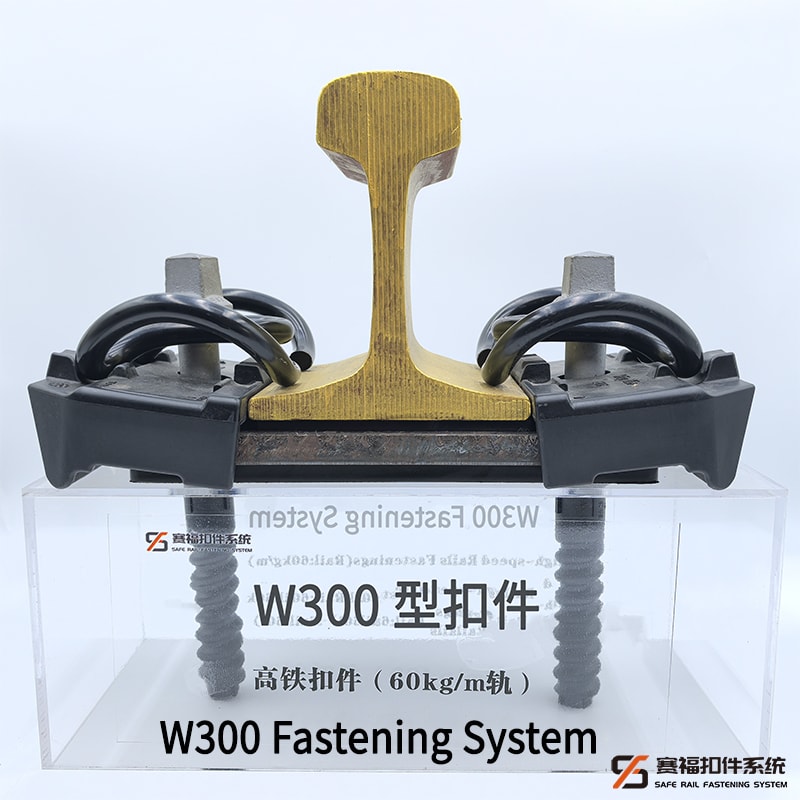
Picking the correct tool matters as much as knowing the right torque amount. We suggest using solid hydraulic or battery-powered torque tools. Set them to the needed levels for our WJ-12 Railway Fastening System or W300 Fastening System. This cuts down on worker slips and brings evenness to thousands of points.
Standardized Operating Procedures for Workers
Steady upkeep needs set steps. Staff must learn to spot signs of under-tightening, like shake marks or loose washers. They also watch for over-tightening, such as split clips or stretched bolts. Via our EPC+M+O approach, especially in the Construction and Operation stages, we give the needed tech aid to set these strict rules at work sites. Procedures include daily logs and weekly spot checks to build habits.
SFFST Technical Support and Training
Expert On-Site Construction Counseling
We do more than send goods. We deliver “Fastening Excellence” with direct help. Our specialists provide On-site construction counseling.
Comprehensive Worker System Training Programs
For lasting safety, we run On-site worker system training. It centers on the real use of rail maintenance torque. It teaches local teams how to fit and care for our rail fastening system correctly. By giving workers skills, we aid partners in lowering upkeep costs and stretching the life of their rail track system. Programs last 40 hours and cover hands-on torque application on mock tracks.
Conclusion
Getting rail maintenance torque right forms a core base for railway safety. It shapes the length of service for parts of the railroad track and the full network’s steadiness. With strict lab work and a drive for new ideas, SFFST stays a reliable ally for rail managers around the world. We offer the “Fastening Excellence” to avoid risks from over-tightening and under-tightening. By mixing exact-made rail fastening components with skilled on-site teaching and tech aid via our EPC+M+O full plan, we help upkeep groups beat daily hurdles. This builds long-term trust in world rail setups.
Contact SFFST today to discover how our professional technical support and high-precision rail fastening solutions can enhance the safety and efficiency of your rail maintenance operations.
FAQ
Q: What is the recommended torque for a rail fastening system?
A: The exact torque changes with the system kind (e.g., WJ-7, W14, or SKL systems) and world rules such as EN 13481 or TB/T 3395. SFFST gives full tech details and the exact strength number for each item. This helps upkeep teams use the right force for the best clamp hold.
Q: How does over-tightening affect rail components?
A: Over-tightening spreads too much strain in spring clips and bolts. It causes plastic shifts or early tiredness breaks. This shortens the working life of the components of the railway and can bring sudden snaps under train-moving loads.
Q: Why is rail maintenance torque critical for high-speed rail?
A: Fast rail needs top care to handle shakes and keep track shape. Steady rail maintenance torque makes the rail fastening system give the right holding power along the rail and shock cut. This brings rider ease and work safety at quick speeds.