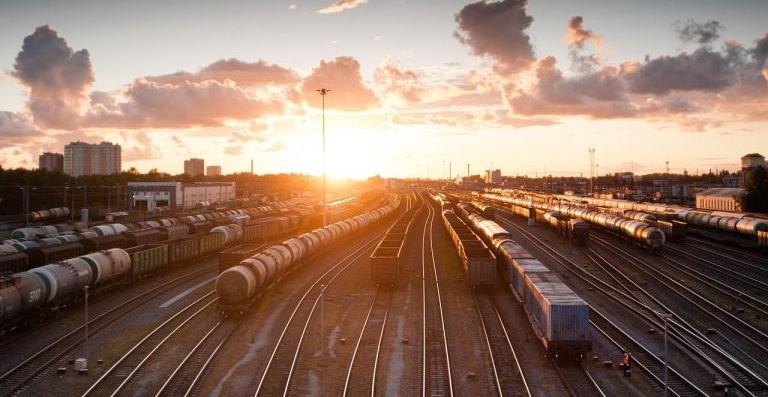
Modern railway systems operate under increasingly high axle loads and operating speeds, while urban and high-density rail networks are often located close to residential, commercial, and sensitive buildings. Because of this, railway noise and vibration control is vital. Effective railway noise and vibration control helps maintain track performance and infrastructure integrity while improving passenger comfort and minimizing disturbance to surrounding communities. It also keeps passengers comfortable and helps local communities. At SFFST, we build railway fastening systems and track parts. We also make specific noise and vibration control products. These work for regular, high-speed, metro, intercity, and heavy-haul trains.
What Causes Railway Noise and Vibration?
Wheel-Rail Interaction
Wheel–rail contact is a primary source of railway noise and vibration. As wheels continuously interact with the rail, surface roughness, corrugation, joints, welds, and other track irregularities can generate dynamic wheel–rail forces. Trains roll over the tracks constantly. Wheel and rail surface irregularities, rail corrugation, joints, welds, and other discontinuities can increase dynamic wheel–rail forces. Rail joints, corrugation, weld irregularities, and localized track geometry defects can generate significant dynamic forces. These forces travel into the rail and the base below it. Afterward, these dynamic forces can generate airborne noise and propagate vibration through the track structure and surrounding ground. It can also cause the ground and buildings to shake. Sometimes, it does both.
Track Irregularities and Impacts
Track geometry and support conditions can change over time due to settlement, degradation, maintenance conditions, and variations in track stiffness. Variations in track support stiffness can also increase dynamic wheel–rail forces and vibration transmission. These shifts cause heavier moving loads. When a track changes from one style to another, it might bend unevenly. Trains hit these spots over and over. This repeated pounding makes the shaking worse. It wears out the track parts faster.
Speed and Axle Loads
Train speed and axle load are key parameters influencing dynamic wheel–rail forces, vibration excitation, and noise generation. The track design and the building materials also change how vibrations act. Heavy-haul railways operate under high axle loads and demanding cumulative tonnage conditions. They need very tough, stretchy parts to handle the constant stress. On the other hand, metro tunnels and raised tracks face different issues. They usually need strict limits on sound and shaking that travel through concrete and steel.
Types of Railway Noise and Vibration
Airborne Railway Noise
Airborne railway noise propagates through the air from sources such as wheel–rail interaction, traction equipment, auxiliary systems, and aerodynamic effects at higher speeds. Wheel–rail rolling noise is one of the primary sources of airborne railway noise, particularly in conventional and high-speed rail systems. Train motors and gear also make loud sounds. This noise often reaches houses, schools, or quiet zones. Railway noise barriers can reduce the propagation of airborne noise between the railway and nearby residential, commercial, and other noise-sensitive areas.
Ground-Borne Vibration
Shaking can move through the ground. It goes from the track down into the base materials. Then, it travels through the dirt to nearby houses and offices. Adding flexible layers under the track helps a lot. Resilient track isolation layers can attenuate vibration transmission by introducing controlled flexibility and damping into the track structure.
Structure-Borne Noise
Structure-borne noise occurs when vibration transmitted through the track or structural elements excites building components, which subsequently radiate audible noise into occupied spaces. We call this structure-borne noise. Tunnels and bridges face this issue often. Concrete slab tracks and close buildings suffer from it too.
How Railway Vibration Control Works
Control Vibration at Source
One good method puts flexible parts right next to the rail. SFFST Rail Pad items sit between the steel rail and the baseplate. They can also go on top of the sleeper. We make them from rubber, polyurethane, or special plastics. Mixed materials work well too. They provide controlled vertical stiffness, resilience, damping, electrical insulation, and load distribution while reducing dynamic wheel–rail forces and vibration transmission.
SFFST Baseplate Pads are installed between the rail baseplate and sleeper to provide resilient support, electrical insulation, and vibration attenuation. You can pick the exact material and details for your needs.
Interrupt Vibration Transmission
Onder slaapmatjes (USP) are installed beneath concrete sleepers to provide resilient support, reduce dynamic loads, and mitigate vibration transmission to the ballast and substructure. They help reduce ballast stress, abrasion, and degradation while improving load distribution.
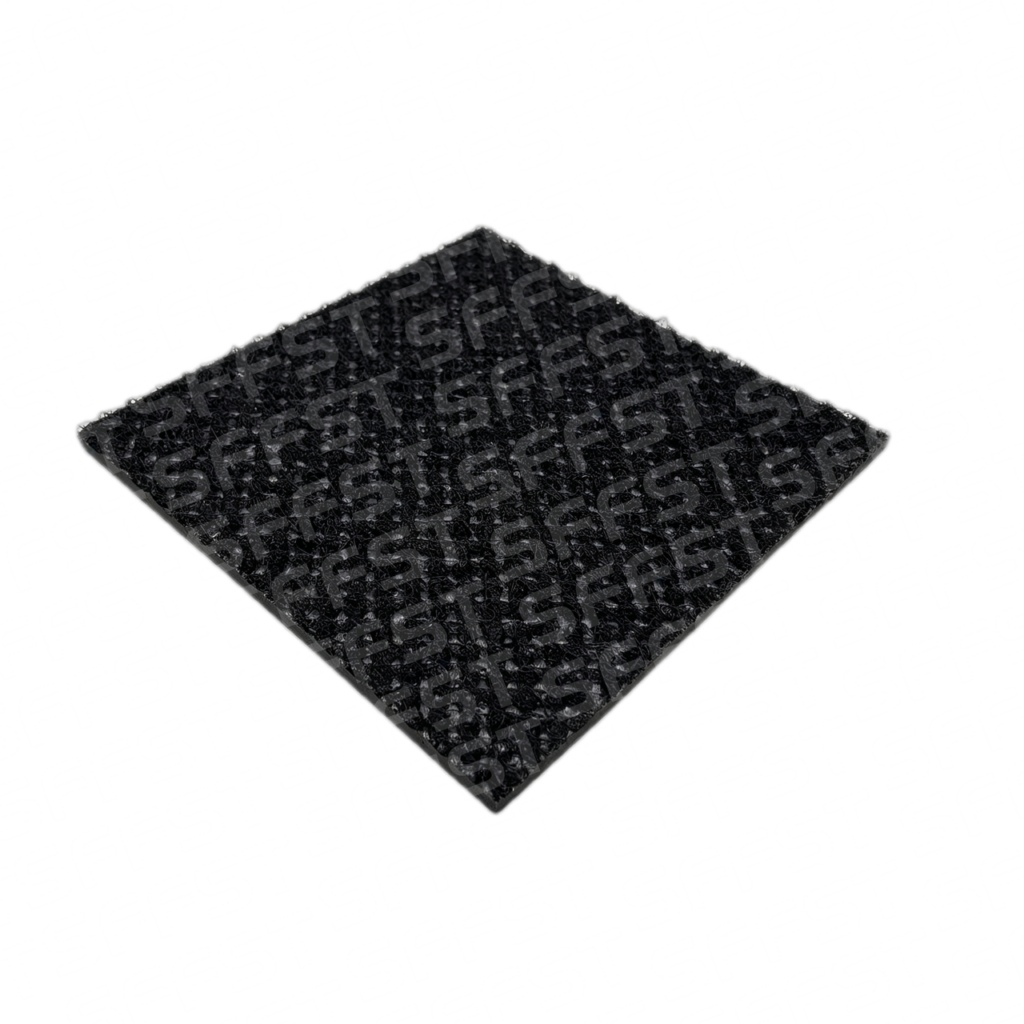
De SFFST Under Ballast Mat (Standard Vibration Attenuation) goes under the stone bed. The Under Ballast Mat forms a continuous resilient layer beneath the ballast bed. It modifies the vertical dynamic stiffness of the track system and attenuates vibration transmission into the substructure and surrounding ground. It blocks shaking from moving into the dirt and nearby walls. The normal density ranges from 200 to 850 kg/m³. You can choose a thickness between 10 and 50 mm. SFFST evaluates Under Ballast Mats according to applicable requirements and test methods, including GB/T 39705, EN 17282, and DIN 45673-5, where applicable.
Reduce Noise at Receiver
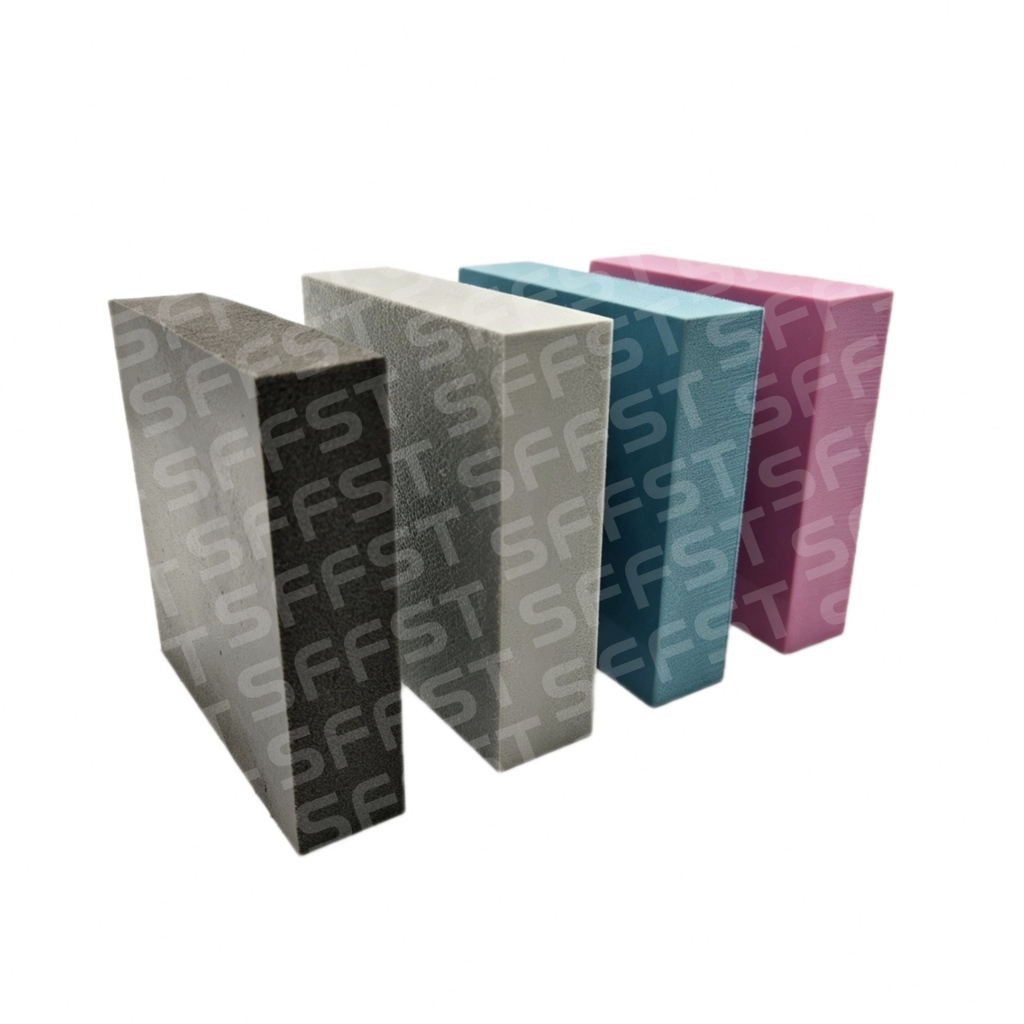
The SFFST Noise Barrier stops loud sounds in the air. It blocks the noise before it hits nearby houses. For train lines, we build the sound parts to meet TB/T 3122-2019 rules. The Rw score is 30 dB or higher. The NRC score reaches 0.70 or more for the foam parts. You can pick different materials and shapes for your project.
SFFST Noise and Vibration Solutions
Sleeper Rubber Boots and Slab Mats
Some railways do not use loose stones. For these applications, the SFFST Sleeper Rubber Boot provides resilient isolation between the sleeper and concrete track support. It fits twin-block tracks and long, buried sleepers. It wraps around the bottom and the edges of the concrete tie. The rubber boot forms a resilient interface between the sleeper and concrete support structure, helping to reduce vibration transmission and accommodate dynamic loading.
The standard hardness falls between 60 and 75 Shore A. The electrical resistance is at least 1.0 × 10¹⁰ Ω·cm. We adjust the stiffness to fit your specific track needs. It also provides electrical insulation and can help mitigate stray-current-related risks where required by the track system. Finally, it keeps out unwanted water and dirt.
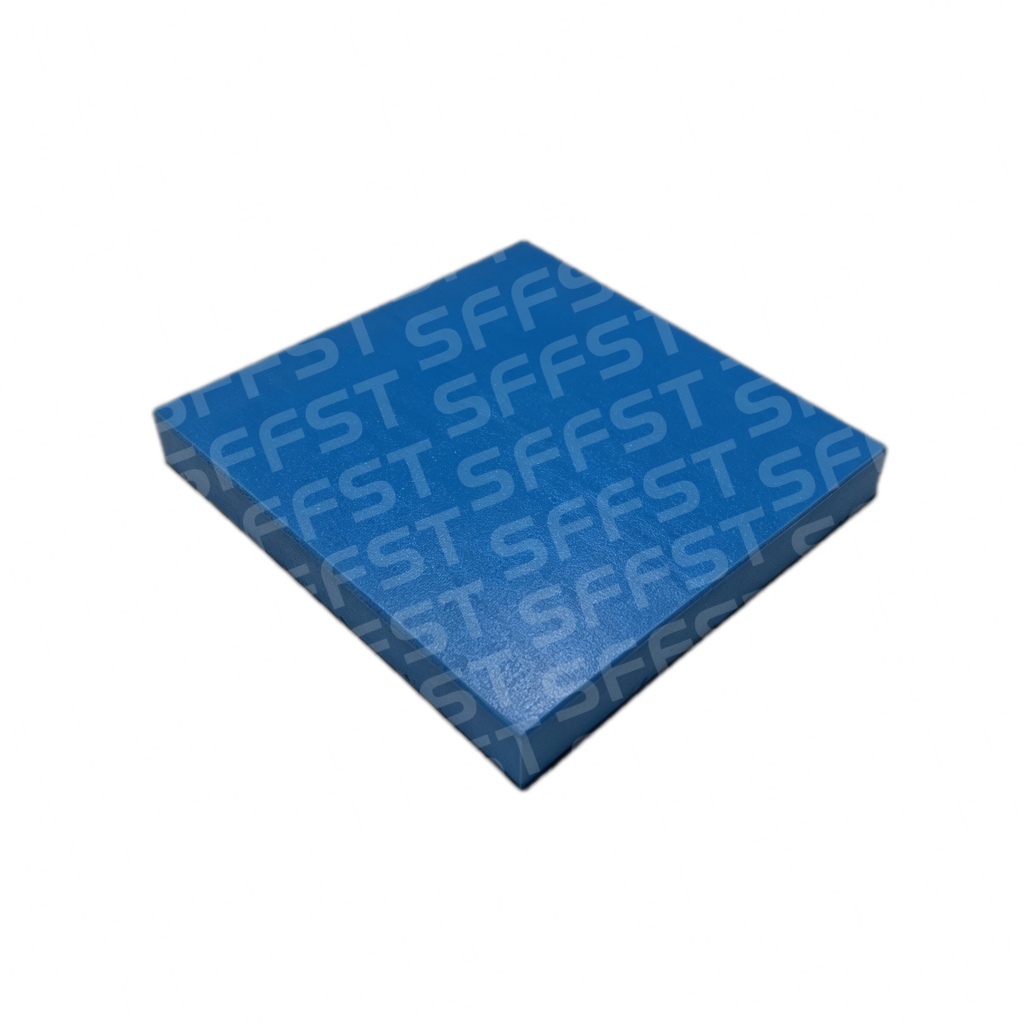
The SFFST Slab Track Mat/Strip/Pad fits solid concrete track setups. It provides resilient support under sustained static and dynamic loading. It reduces impact forces and shaking.
Manufacturing and Testing Support
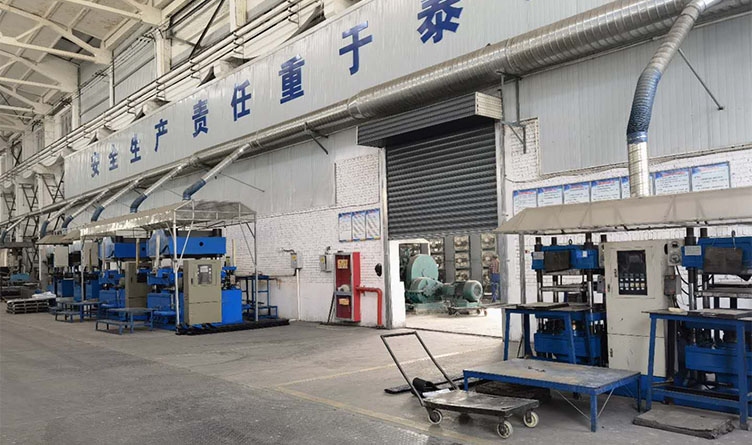
SFFST operates automated production lines for polyurethane rail pads and baseplate pads, as well as automated rubber mixing, molding, and curing processes. We have automatic pouring lines for polyurethane rail pads and baseplate pads. We also run rubber lines with automatic mixing and curing steps.
Choosing the Right Control Solution
Identify the Track Type
First, identify the track structure: ballasted track, slab track, embedded track, twin-block track, or other specialized track forms. It might also be a shift zone between two track types. Knowing this fact shrinks your product choices right away.
For instance, an Under Ballast Mat focuses on shielding the stone bed. On the other hand, a Slab Track Mat/Strip/Pad gives soft support right under a hard concrete track.
Assess the Transmission Path
Next, figure out the main problem. The dominant transmission path may involve airborne noise, rail vibration, ground-borne vibration, or structure-borne noise within nearby buildings.
A noise barrier and an under ballast mat address different transmission mechanisms and should therefore be selected according to the dominant noise or vibration pathway. You cannot swap one for the other. The wall blocks sounds flying through the air. The mat adds softness under the track to stop ground shaking.
Define Performance Requirements
Picking the right part takes careful thought. You must look at train speed and wheel weight. Think about the needed stiffness and weather rules. Check the wear limits and electrical safety needs. Do not forget the fitting rules and the official safety standards.
We love custom projects. We can use your exact rules, sizes, and material lists. We also work with tech drawings or rough sketches through our OEM service. This method fits the part to your real-world needs.
Applications Across Railway Systems
Metro and High-Speed Rail
Metro tunnels and raised tracks need strict shaking control. Fast rail lines need this too. Products like the Sleeper Rubber Boot and Slab Track Mat/Strip/Pad help a lot. The Under Sleeper Pad and Under Ballast Mat also add soft layers. They sit in different spots inside the track base.
The right spot for these parts changes. It depends on the track shape and the needed blocking power. Surrounding building conditions, environmental requirements, local regulations, and project-specific noise and vibration limits also influence the selection.
Heavy-Haul and Transition Zones
Heavy-haul railway systems require vibration control solutions capable of handling high axle loads, repeated dynamic loading, and long-term fatigue exposure. They focus on high weight limits, long life, and water flow. Managing track stiffness is vital too. Shift zones need close watching. Abrupt changes in track support stiffness can increase dynamic impact, differential deformation, and vibration.
In these tough spots, the Under Ballast Mat (Heavy-Haul & Transition Zone) works great. It offers a smart way to mix shaking control with smooth stiffness changes. It also handles water flow well. You should always pick parts based on the real track design and daily train traffic.
Conclusie
Effective railway noise and vibration mitigation requires a system-level approach that considers the complete transmission path. Engineers should evaluate the complete vibration and noise transmission path from the source through the track structure and ground to the receiving building or occupied space. They need to check the source, the track frame, and the base layers. They also must watch the dirt, the buildings, and the final listener. No single item can cure every train noise or shaking issue.
At SFFST, we combine railway fastening engineering expertise with specialized noise and vibration control products. We offer the Rail Pad, Baseplate Pad, and Under Sleeper Pad. We also make the Under Ballast Mat, Sleeper Rubber Boot, and Slab Track Mat/Strip/Pad. Our Noise Barrier choices fit many track styles and weather zones. Our tech team helps with system advice, planning, and testing. We also assist with buying and full project backing.
Neem vandaag nog contact op met SFFST.. We can discuss a railway noise and vibration control plan for you. We will tailor it to your track layout, weight needs, and exact project goals.
Veelgestelde vragen
Q: What causes railway noise and vibration?
A: Many things create these issues. The wheel hitting the rail is a big one. Rough tracks, sudden bumps, and shifts in track stiffness add to it. Train speed and wheel weights matter too. This shaking moves through rails, ties, stones, concrete, dirt, and nearby buildings.
Q: What is the difference between a noise barrier and vibration isolation?
A: A Noise Barrier mostly handles loud sounds flying through the air. It stands between the track and the houses. Vibration isolation parts sit inside or under the track. They reduce physical shaking and stop it from moving through the ground or buildings.
Q: How do I choose a railway vibration control system?
A: You must look at the track style, train speed, and wheel weight. Find the main shaking source and the needed blocking power. Check the stiffness, local weather, part life, and electrical needs.