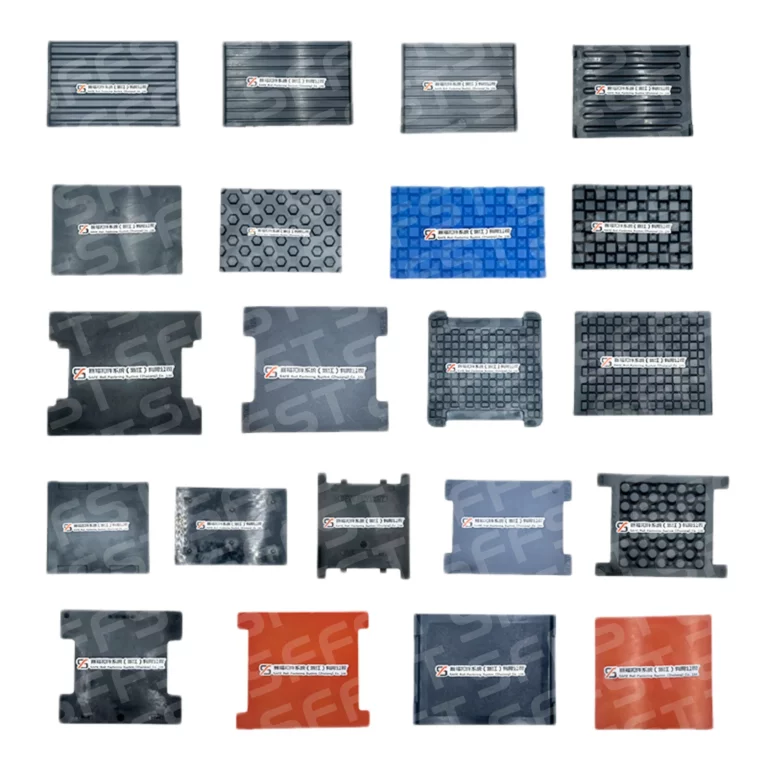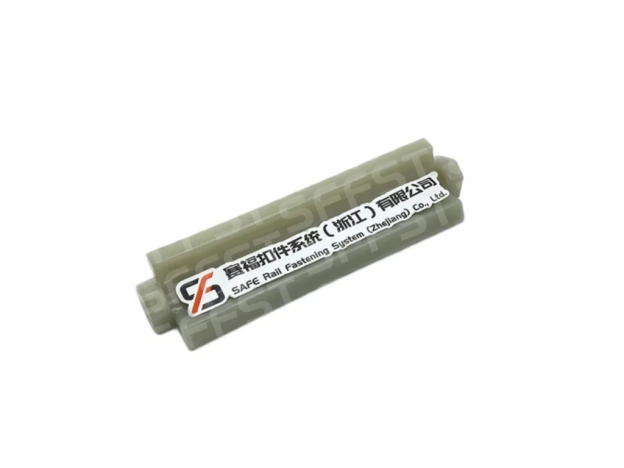
Selecting an under ballast mat requires evaluation of multiple engineering parameters, including static stiffness, dynamic stiffness, load capacity, vibration attenuation performance, thickness, durability, and compatibility with the overall track system. The right solution must match the track structure, operating loads, vibration mitigation requirements, installation conditions, and long-term maintenance requirements.
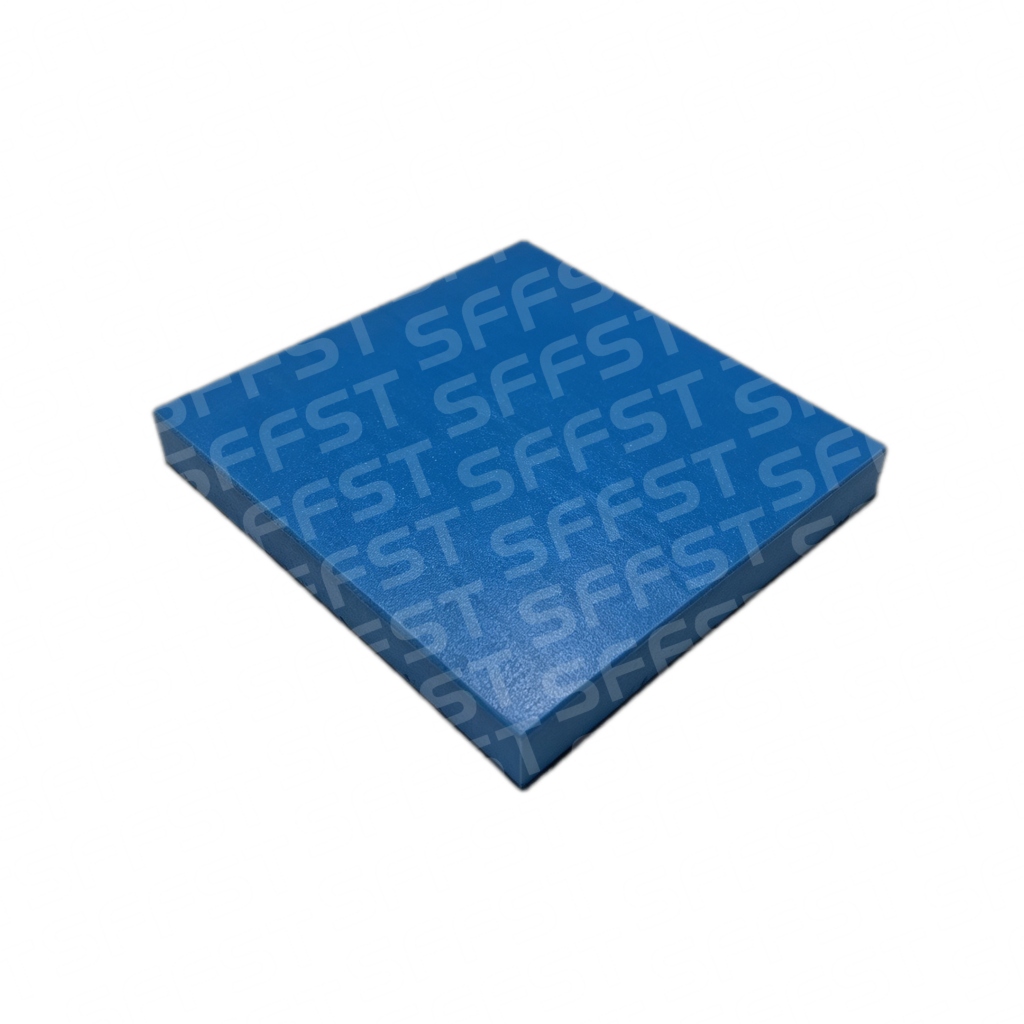
O SFFST, we manufacture railway fastening systems and vibration-control components. Our Under Ballast Mat (Standard Vibration Attenuation) is designed for ballasted track and installed beneath the ballast bed as a continuous resilient isolation layer.
Start with the Project Requirements
Prior to choosing an under ballast mat, establish the working and structural conditions for the track. Among the critical parameters to be considered are the following: railway use, wheel properties, axle load, speed, ballast thickness, support system, environment, and vibration damping capabilities. For a metro tunnel, vibration isolation might be the major consideration, but this would not be the case for a mainline or elevated railway. SFFST identifies ballasted mainlines, urban transit systems, tunnels, and elevated bridges as typical applications for Podložná rohož (štandardné tlmenie vibrácií).
In this case, the most important issue is to determine the purpose of the under ballast mat, such as its ability to reduce vibrations, noise, improve load transfer characteristics, or modify the stiffness of the track. The response could be any one of these goals or a combination of these purposes.
Evaluate Static and Dynamic Stiffness
Another parameter that is critical to the choice of under ballast mats is stiffness, because the under ballast mat is an integral part of the track’s elastic foundation system.
In railroad engineering, stiffness and other similar parameters are usually represented using such indices as static bedding modulus, low frequency dynamic bedding modulus, and dynamic stiffness. Dynamic stiffness is the property of the material to respond to repetitive frequency-dependent loading.
Not all mats that are softer will be more suitable for the task. The overly flexible nature of the mat might result in deflections, loss of stability in track geometry, or an unsuitable dynamic behavior of the mat, while at the same time the overly stiff mats might fail to give adequate isolation from vibrations.
Choose Thickness and Density as Part of a System
While thickness comparison is simple, it must never serve as the sole criterion for vibration performance.
SFFST provides Under Ballast Mat (Standard Vibration Attenuation) in 10-50 mm thickness. The standard thicknesses include 12.5 mm, 25 mm, and 50 mm, while customized thicknesses are also provided. The reported density range is 200-850 kg/m³.
Consider Ballast Contact and Long-Term Durability
Underballast mat is used in a harsh environment. Localized stress on the surface of underballast mats is experienced by the presence of ballast aggregates.
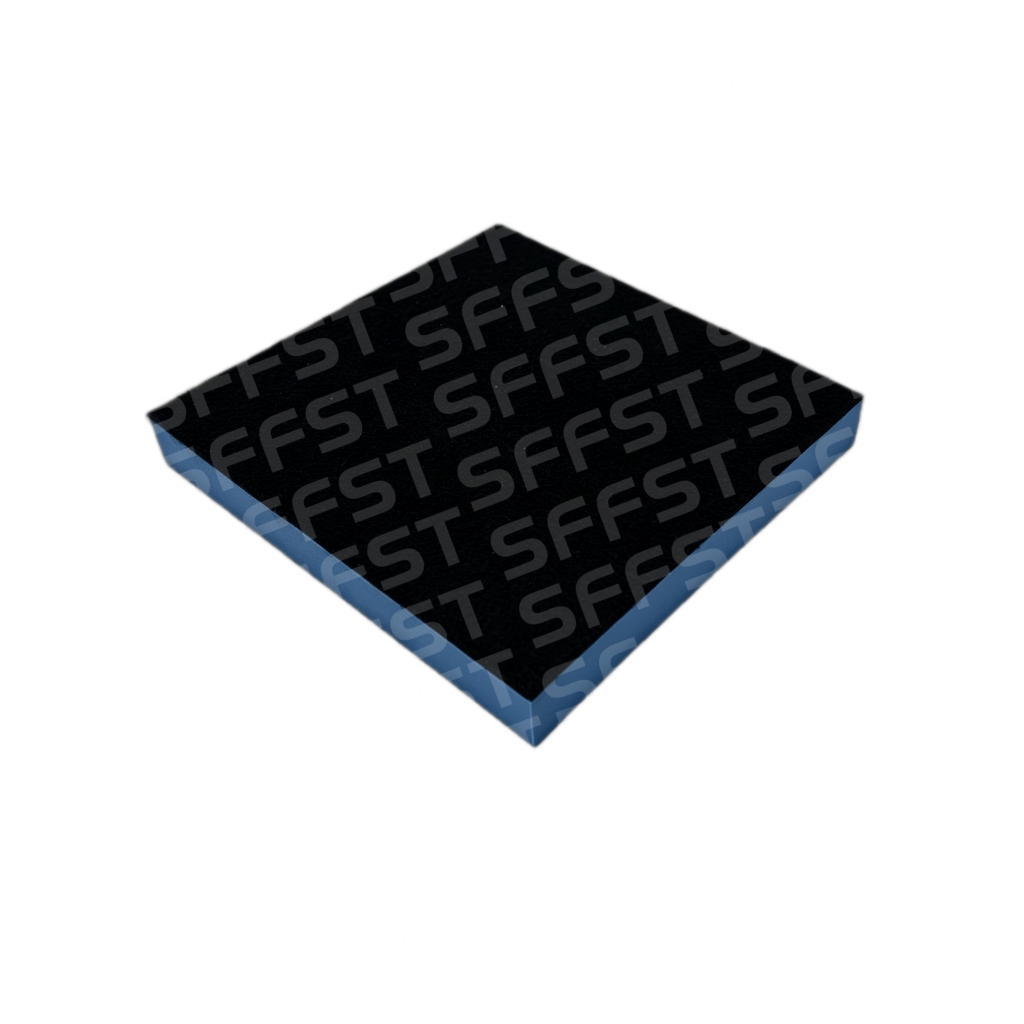
In view of the above consideration, the selection criteria for underballast mats must consider the issue of durability to physical damage. The Under Ballast Mat (Standard Vibration Attenuation) is made using hard, pliable coatings on both sides of the mat to make it puncture and abrasive resistant.
Ease of installation is another consideration that comes into play. It can be cut in the field to suit any topography.
Match the Mat to the Railway Application
Various railway environments have different selection criteria.
Groundborne vibration and structure-borne noise control may be particularly significant for urban metro applications. When using tunnels, one should take into consideration the supporting structure, installation space, drainage, and vibration transmission simultaneously. On elevated bridges and conventional main lines, one should achieve a good compromise between vibration performance and structural factors.
The key is not to select an under ballast mat solely by railway category. Instead, use the application to identify the loading, structural, environmental, and vibration conditions that need to be evaluated.
The project-based method is in line with EN 17282. The standard specifies testing procedures and criteria for evaluating under ballast mats, but the purchaser is tasked with the definition of the required functional specifications for the project.

Verify Testing Standards and Product Data
A reliable selection process requires more than a general product description. Project teams should review technical data, test methods, and applicable railway standards.
SFFST lists GB/T 39705, EN 17282, and DIN 45673-5 as testing standards for Under Ballast Mat (Standard Vibration Attenuation). EN 17282 covers areas including stiffness testing, fatigue testing, severe environmental-condition testing, design approval tests, and routine tests for under ballast mats.
At SFFST, our Non-metal Lab and Assembly Testing Lab include equipment such as an electro-hydraulic servo fatigue testing machine, Shore hardness tester, Akron abrasion machine, aging test chamber, MTS Servo-Hydraulic Testing System (25T), and a 15 m high-performance track and wheel-rail coupling test section.
This matters because vibration-control components should be evaluated as engineering parts rather than purchased by dimensions alone.
Under Ballast Mat or Under Sleeper Pad?
An under ballast mat and an under sleeper pad are both elastic track components, but they are installed in different positions.
The under ballast mat is an elastomeric material placed continuously under the ballast layer, whereas the under sleeper pad is installed below individual sleepers. Hence, their effect on track elasticity, ballast behavior, laying, and maintenance would be dissimilar.
Technical Information Required for Under Ballast Mat Specification
For an effective technical communication, the project information should be as detailed as possible before requesting advice or quotation. This information will include the kind of railway whether it is a passenger railway or freight, maximum axle loading, speed, type of track construction, depth of ballast, supporting structure, required vibration criterion, frequency range, stiffness requirement, size restriction, environment, and approximate quantity.
We offer services to the OEM customers as well. The clients are able to provide us with their specifications including the dimensions, materials, and functions needed by them. Additionally, we have rubber product manufacturing processes that consist of the processes such as automatic batching, automatic mixing, and vulcanizing.
Under Ballast Mat Selection Checklist
Before finalizing a product, confirm the operating loads, required elastic performance, thickness and density, ballast-contact conditions, applicable standards, and required documentation.
A well-selected under ballast mat should be treated as part of the complete railway track system. Early coordination between designers, contractors, vibration specialists, and manufacturers can reduce specification uncertainty and make product selection more efficient.
Záver
SFFST provides engineering support, testing capability, and customization services to help customers match under ballast mats with specific track requirements. By combining railway product manufacturing, testing capabilities, and customization support, we can work with customers to identify a solution that better matches the actual track structure and project requirements. Kontaktujte nás ešte dnes to learn more!
Často kladené otázky
Q: Is a softer under ballast mat always better for vibration reduction?
A: No. A softer mat increases track elasticity, but excessive softness may produce unsuitable deformation or system response. Static and dynamic stiffness should be selected according to the complete track structure, operating conditions, and required vibration-control performance.
Q: Where can an under ballast mat be used?
A: SFFST identifies ballasted mainlines, urban transit systems, tunnels, and elevated bridges as suitable application scenarios for Under Ballast Mat (Standard Vibration Attenuation).
Q: Can SFFST customize an under ballast mat?
A: Yes. For Under Ballast Mat (Standard Vibration Attenuation), SFFST states that density, thickness, and color can be customized. Customers requiring OEM support can also provide detailed specifications, dimensions, material and functional requirements, and technical drawings for project-specific communication and evaluation.