The Importance of Track Alignment
Keeping the railway track alignment exact stands as the basis for a secure and even rail system. Tracks lined up right let wheels and rails touch properly. This cuts down on damage, sound, and the chance of trains coming off the rails. If things go out of line, though, shakes can build up too much. Riders feel uneasy. In bad cases, trains might derail or cause crashes.
Linking Safety to Holiday Travel
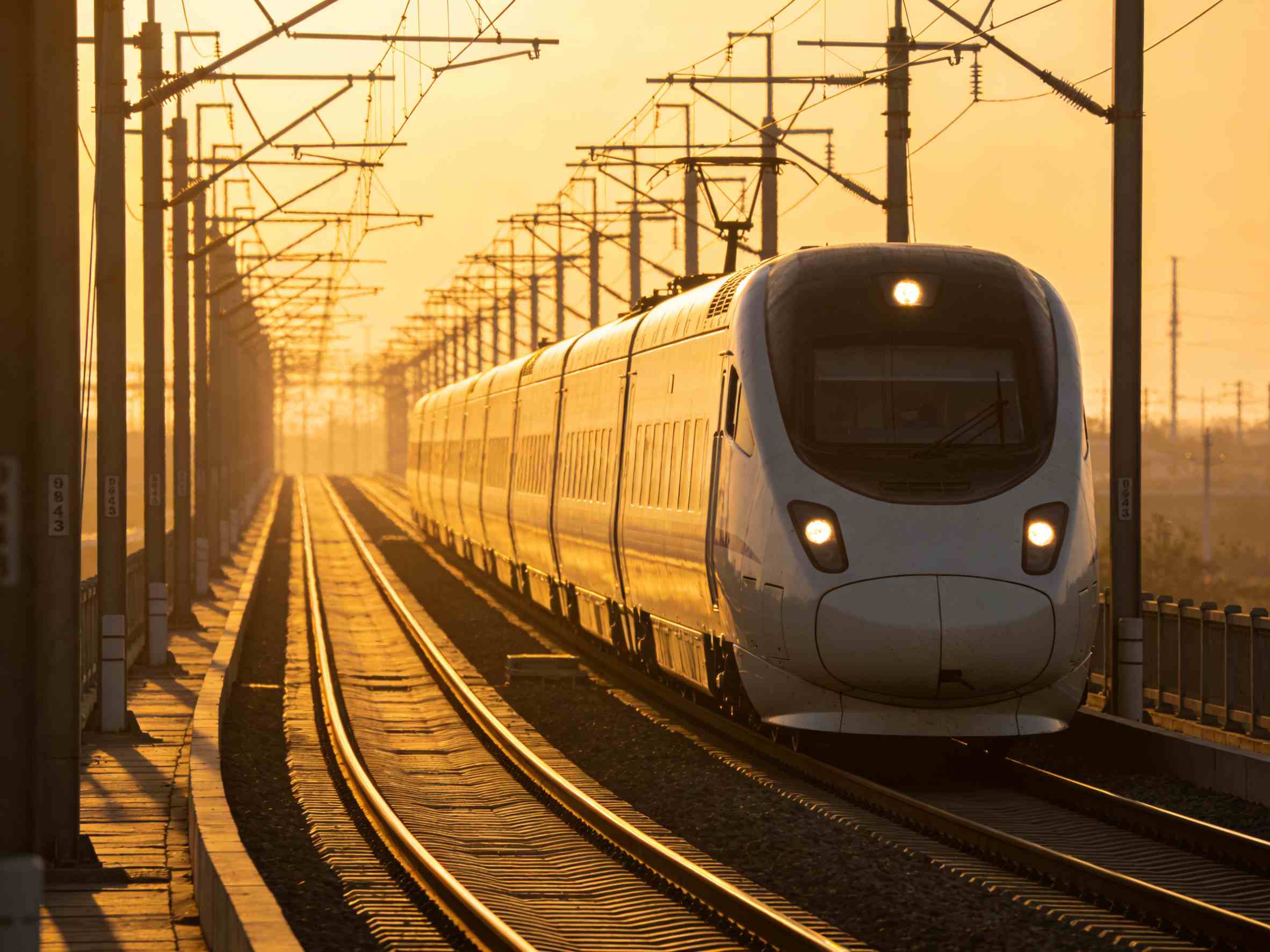
Holidays and big festivals, such as the Chinese Spring Festival, bring a sharp rise in people using trains. Millions count on these rides to meet up with kin over long stretches. In those busy days, safety turns into more than just a plan. It feels like a personal need. A trip without bumps covers more than keeping to time. It builds faith in the rail setup among everyday users.
Introducing the Role of Fish Plates
Out of the various parts that help with track lining and protection, fish plates fill an under-the-radar but key spot. These steel links tie single rail pieces into one long route. They hold the line steady and let the weight pass smoothly from one section to the next. At SFFST, we focus on making strong fish plates built for different rail jobs.
Understanding Railway Track Alignment
Key Components of a Railway Track
A track that runs well is made from several tied-together pieces. Rails guide the train wheels along the path. Sleepers keep the space between rails steady. Ballast spreads weight and lets water drain away. Fasteners lock rails to sleepers. Fish plates join the ends of rails. Each one helps share the weight and keeps the shape correct. This way, the track stands up to the moving forces from trains. It avoids bending or breaking.
Causes of Track Misalignment
Shifts in the track line can happen from a range of causes. Heat swelling in harsh weather stands out as one. Ground slides from nature or nearby building work add to the list. Every day use wears things down slowly, too. The biggest worry often hits at rail ends. Weak links there create breaks in the flow. These can harm the whole track’s strength. That’s when good fish plates step in as a must.
The Function of Fish Plates in Rail Joints
What Is a Railway Fishplate?
A fish plate serves as a steel bar fixed with bolts to the tips of two rails. It holds them tight. Its main jobs cover keeping the length flow going, letting wheels cross joints without jerks, and spreading weight in a balanced manner. At SFFST, this range shifts to fit many rail kinds and daily needs.
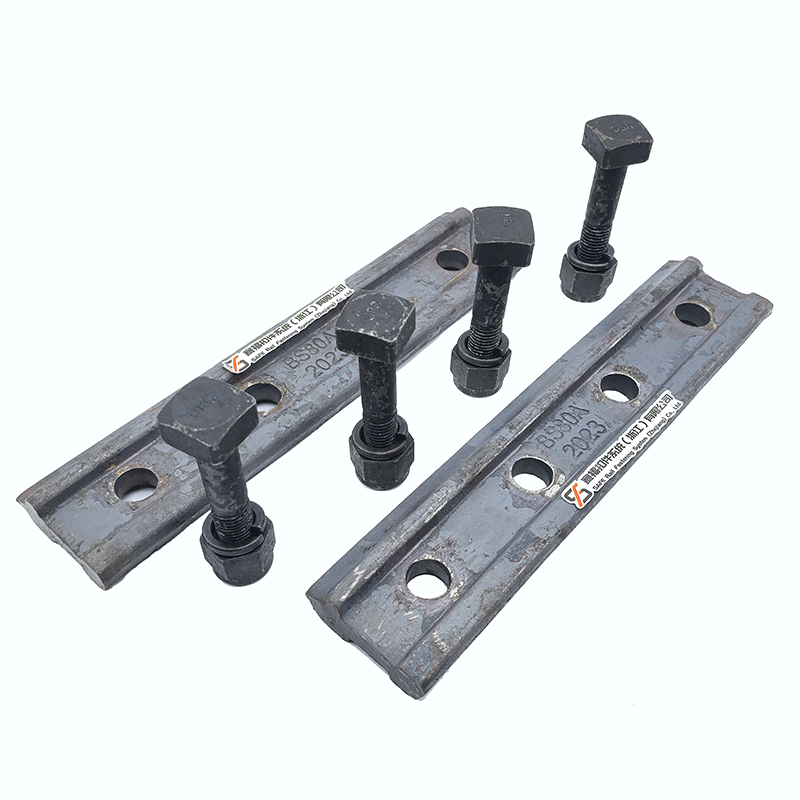
How Fish Plates Prevent Misalignment
Builders design fish plates to push back against the side, and up-down shifts at rail joints. They close any spaces that might spark shakes or extra noise. Plus, they take in built-up pressure that could hurt the track otherwise. When set up correctly, they keep the line straight. This holds even with big and repeated train weights.
SFFST Fish Plates: Engineering for Safety
Technical Specifications of SFFST Products
At SFFST, we craft our fish plates from tough stuff like carbon steel and alloy steel. We add layers to fight off rust. As an OEM & OBM manufacturer, SFFST is capable of not only producing a wide range of internationally common types of fish plates, but also customizing products tailored to our customers’ specific requirements. Our items meet tough rules. These cover EN 13146 & EN 13481 from abroad and TB/T 3,065 series at home.
Performance Under Load and Stress
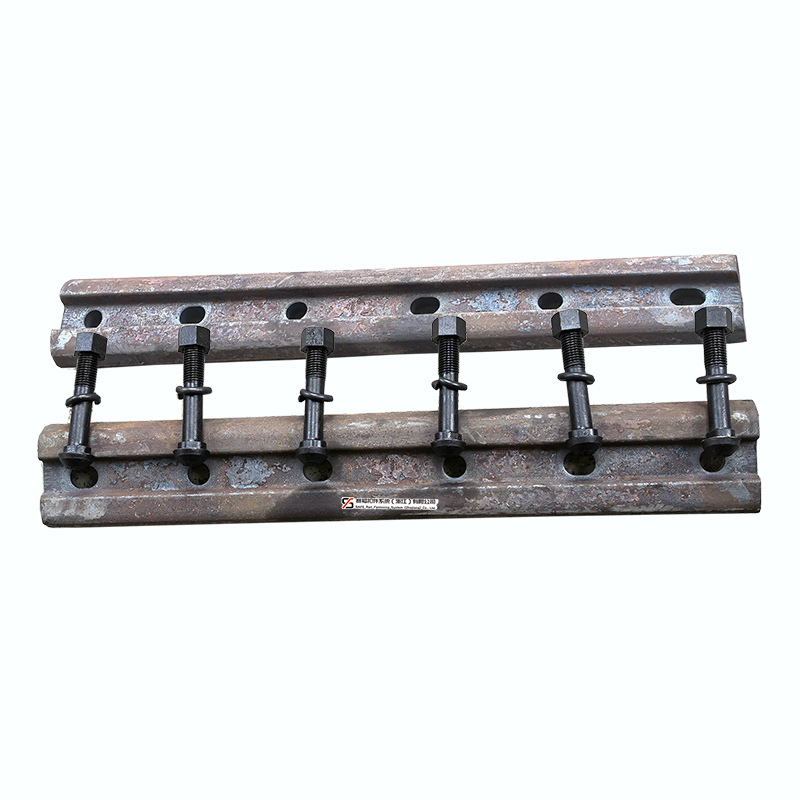
SFFST fish plates face hard checks in our own labs. Our specialized production lines and laboratories are equipped with over 100 sets of advanced international automation and testing equipment to ensure consistent contact surfaces and optimal mechanical performance. Close work on shapes makes sure every plate keeps rails in line. It does this under strong moving weights from fast or heavy trains.
Impact on Travel During Peak Seasons
Supporting Safe Rail Operations During Holidays
Peak travel times, like China’s Spring Festival, demand solid setups. How SFFST’s W14HH Fastening System Ensures Heavy-Haul Railway Safety During Chinese New Year Travel Rush shows how we tackle these tough spots. Our fish plates cut the call for quick fixes. They help keep runs going without stops.
Enabling Timely Reunions with Family and Friends
Trip smoothness rests on firm tracks. With SFFST fish plates fitted, crews can add more runs with less worry. This steady work leads to fewer holdups and safer paths. In turn, riders make it to meetups right on schedule.
Maintenance and Inspection Best Practices
Routine Checks for Joint Integrity
To stop failures from wear at joints, crews must do steady looks. This means testing bolt tightness. It also covers eyeing the shape of fish plates for tiredness or bends.
Indicators for Replacement or Repair
Clues that a fish plate calls for a swap include cracks you can see, rust buildup, or shaky joints. Fake or off-spec stand-ins can risk safety. Sticking with real SFFST replacements brings back proven strength and exact fits.
Integration with Other Railway Components
Compatibility with Modern Rail Systems
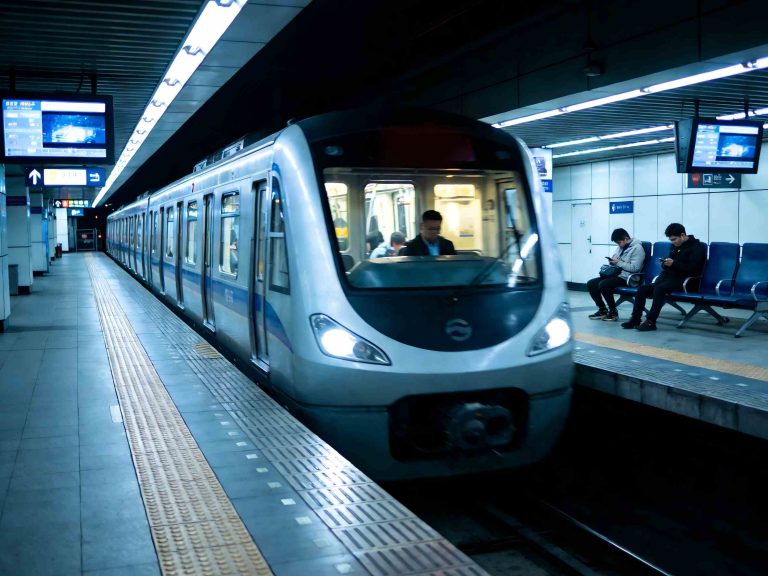
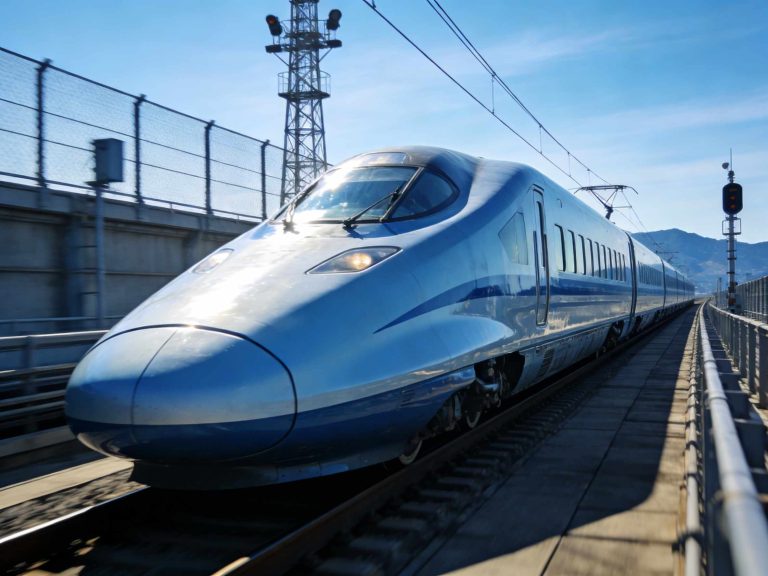
SFFST shapes its fish plates to work with diverse rail forms in standard rails, city subways, fast lines, and load-heavy paths. SFFST is capable of customizing products tailored to our customers’ specific requirements. This lets them blend into old setups and new auto-check gear without hassle.
Role in Overall Track Longevity
Firm joins ease strain on close parts like sleepers and fasteners. They spread weight better over the full track build. This boosts how long the whole system lasts. It matters most on paths with lots of traffic.
Conclusion
SFFST leads as a maker of rail fastening systems. We aim to supply top-grade answers for rail work worldwide. Our drive for new ideas, strict test rules, and made-to-order goods means every fish plate we build aids tracks and countless trips. Keep your railway tracks in top shape with SFFST’s precision-engineered fish plates. Explore our customizable solutions and enhance track safety today!
FAQ
Q: What is the purpose of a railway fishplate?
A: A railway fishplate connects two rail ends, ensuring alignment and stability across joints to prevent misalignment or failure under load. In field use, like on freight sidings, it handles shear forces up to 500 kN without buckling.
Q: How do fish plates improve rail safety?
A: They maintain continuous rail geometry, absorb stress at joints, and prevent displacement that could lead to derailments or accidents. Studies from the International Union of Railways show they reduce vibration-related wear by 25% on jointed tracks.
Q: Why are SFFST fish plates recommended for modern tracks?
A: SFFST products offer high strength, precision manufacturing, corrosion resistance, and compatibility with various track systems — ensuring long-term reliability. For instance, in desert climates of the Middle East, our coated versions resist sand abrasion for over a decade.
Q: When should a fish plate be replaced?
A: Replacement is necessary if there are signs of cracking, rusting, loose bolts, or if the joint shows instability during inspections. Rail engineers often spot these via ultrasonic testing, which detects internal flaws before they surface.
Q: Are fish plates still relevant in welded track systems?
A: Yes, even in welded systems, fish plates are used in temporary joints or during maintenance work where quick assembly is required without compromising safety. During emergency repairs on China’s Beijing-Shanghai high-speed line, they enabled 4-hour track restores, minimizing service gaps.