In the world of railway infrastructure, the integrity of a track network is only as strong as its smallest components. The railway fastening system is a masterpiece of engineering designed to maintain track geometry, provide electrical insulation, and absorb the massive dynamic loads of passing trains. However, when these systems fail, the consequences range from increased maintenance costs and operational delays to the severe risk of derailment. At SFFST, we have dedicated over 40 years to mastering rail infrastructure, providing comprehensive EPC+M+O solutions. We understand that preventing failure starts with understanding the “why.” In this guide, we analyze common fastening problems and how our advanced manufacturing and maintenance strategies ensure long-term rail safety.
Common Failure Modes in Rail Fastening Systems
Analyzing the Causes of Rail Clip Fracture
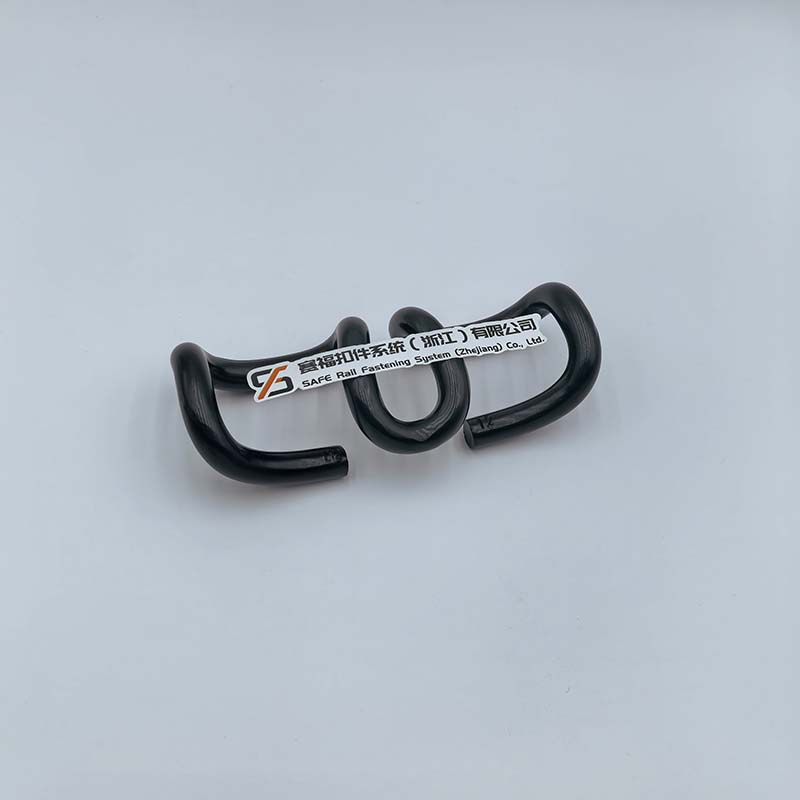
One of the most frequent issues in railway track maintenance is rail clip failure and fracture. A Rail Clip or Tension Clamp is constantly subjected to high-frequency vibrations and cyclic loading. Failure typically occurs due to metal fatigue when the material can no longer withstand the stress. At SFFST, we mitigate this through our Automatic Rail Clip/Tension Clamp Production lines, which feature fully automated quenching and tempering processes to ensure uniform hardness and superior fatigue resistance. By testing our products, such as the SKL Tension Clamp, in our specialized Metal Lab using Clip fatigue testing machines, we ensure consistent fatigue resistance and product reliability.
Impact of Rail Bolt Loosening Problems
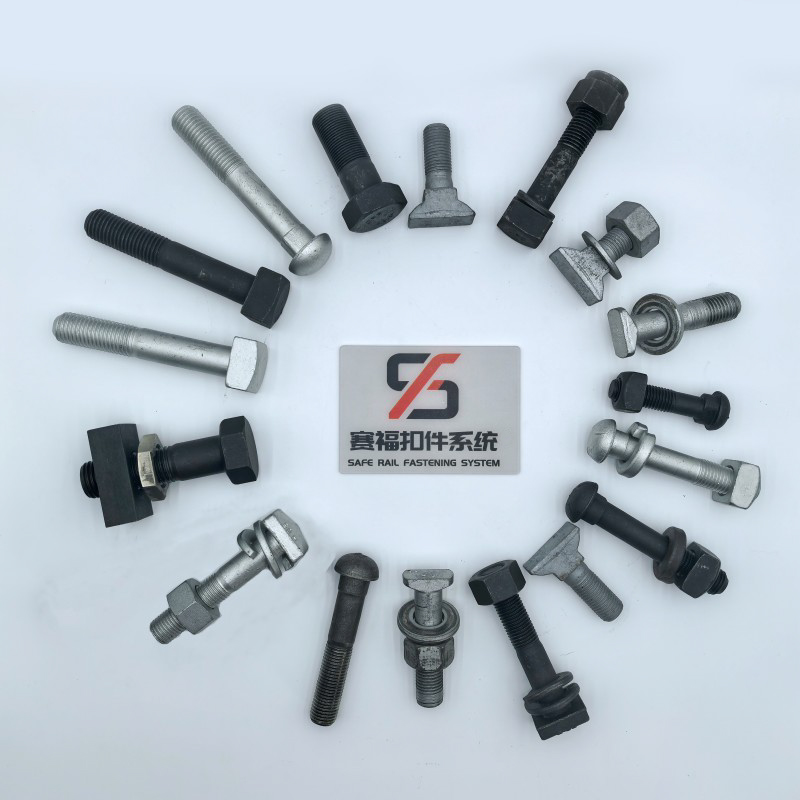
Rail bolt loosening problems are a silent threat to track stability. Vibrations from high-speed or heavy-haul trains can cause Bolts, Spikes, and Nuts to lose their design torque over time. Once a fastener loosens, the clamping force on the rail diminishes, leading to component wear and potential safety hazards. We address this by manufacturing high-precision Bolts and Nuts through automated turning and thread-cutting operations to ensure a perfect fit. Furthermore, our EPC+M+O service includes On-site worker system training to ensure maintenance teams apply the correct torque, preventing the risks associated with both under-tightening and over-tightening.
Risks Associated with Rail Gauge Deviation
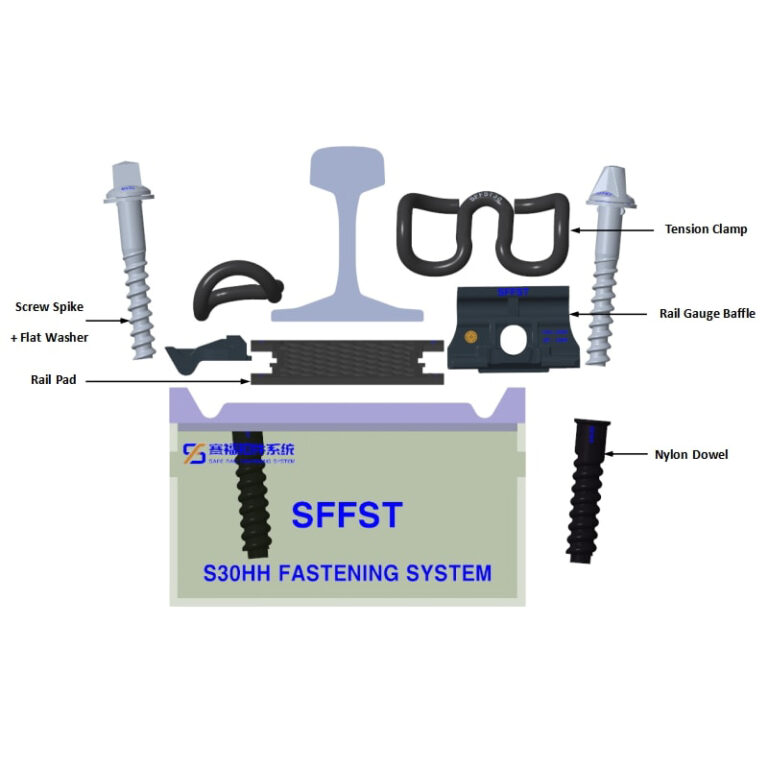
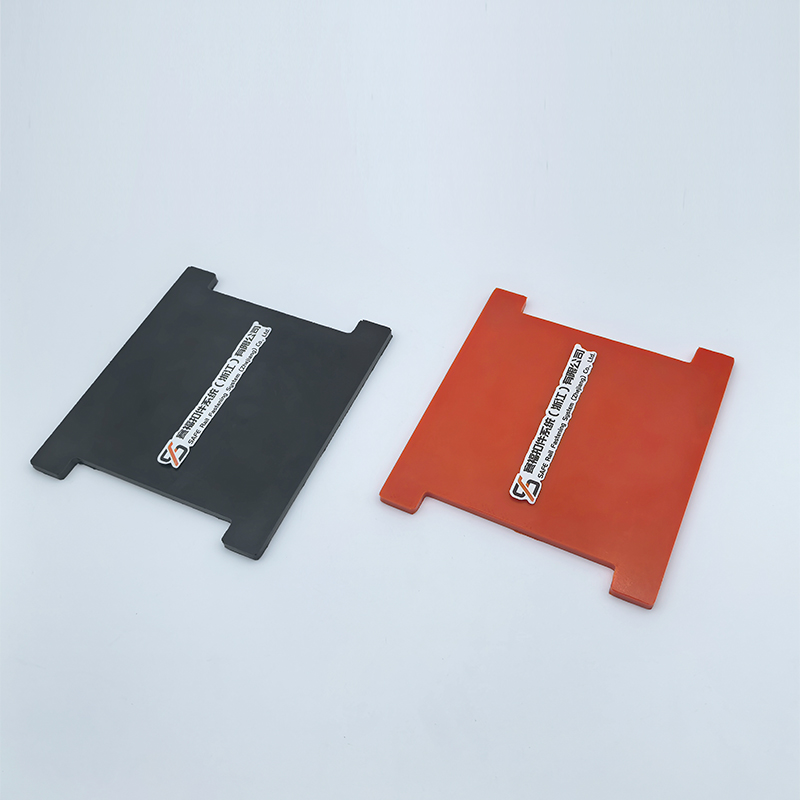
Rail gauge deviation occurs when the distance between the two rails shifts beyond safety tolerances. This is often caused by the wear or failure of gauge-holding components like the Rail Gauge Baffle or the Rail Gauge Insulator. If the gauge widens or narrows, it can lead to erratic train movement or derailment. Our WJ-12 Fastening System is specifically designed to solve these issues, offering advanced adjustment capabilities to restore perfect maintain track geometry and track stability. Additionally, our Injection Molding Production lines produce high-strength Rail Gauge Insulators that provide the structural rigidity needed to maintain gauge stability under extreme mechanical loads.
Environmental and Operational Performance Challenges
Addressing Excessive Track Vibration Problems
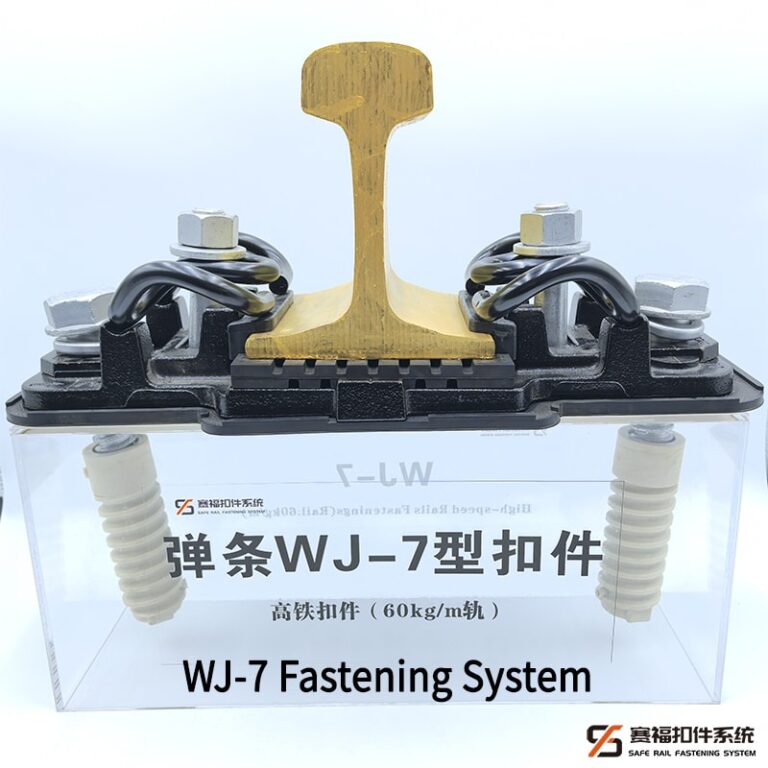
Excessive track vibration problems accelerate the degradation of the entire rail structure, including the ballast and sleepers. Poor vibration damping leads to noise pollution and higher “hidden” maintenance costs. To counter this, SFFST provides high-performance Non-metal Parts such as the Resilient Tie Pad and the Under Sleeper Pad (USP). These components, manufactured on our Automatic Polyurethane Pouring Machine Production lines, act as shock absorbers to dampen vibrations and protect the infrastructure. By integrating these into systems like the WJ-7 Fastening System, we significantly enhance passenger comfort and extend the lifespan of the track.
Preventing Critical Rail Insulation Failure Issues
In modern rail networks, the railway fastening system must provide reliable electrical insulation to ensure the integrity of signaling systems. Insulation failure often occurs when non-metal components like the Rail Pad. At SFFST, we use premium materials in our Injection Molding Production lines to create Rail Gauge Insulators and Dowels with high dielectric strength. Our Non-metal Lab conducts Insulation Resistance testing and Aging tests to ensure these parts maintain their protective properties even in the harshest environments.
Managing Corrosion in Aggressive Railway Environments
Corrosion is a primary cause of rail fastening system failure in coastal or industrial areas. Rust weakens metal components like Spikes, Bolts, and Fish Plates, leading to premature failure. We protect our metal products with automated anti-corrosion and surface treatments directly on the production line. To verify long-term durability, we utilize corrosion resistance testing equipment in our laboratory to simulate years of environmental exposure, ensuring our fasteners remain reliable throughout their service life.
SFFST High-Performance Component Solutions
Superior Fatigue Life with SKL Tension Clamp
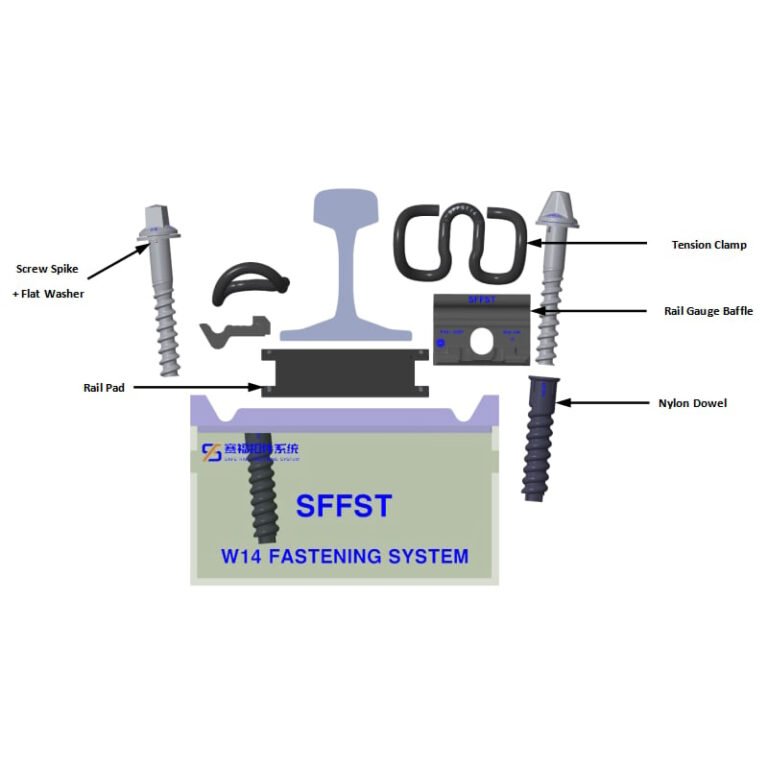
The SKL Tension Clamp is a cornerstone of our high-speed and conventional rail solutions, such as the W14 Fastening System. Designed for high elasticity and permanent clamping force, the SKL 14 clamp is engineered to withstand millions of load cycles. By using high-quality raw materials and automated heat treatment, we ensure these clips maintain their structural integrity, effectively preventing rail clip failure on busy mainlines.
Versatile Performance of SFFST e-Clip and Fast-Clip
For projects requiring rapid installation and high reliability, our e-Clip and Fast-Clip solutions offer exceptional performance. These “fit-and-forget” systems are manufactured to strict tolerances on our automated lines, ensuring consistent quality. Their design simplifies rail fastening maintenance, as they provide predictable clamping force without the need for constant adjustment, making them ideal for both new constructions and track renewals.
Optimized Load Distribution Using Advanced Rail Pad
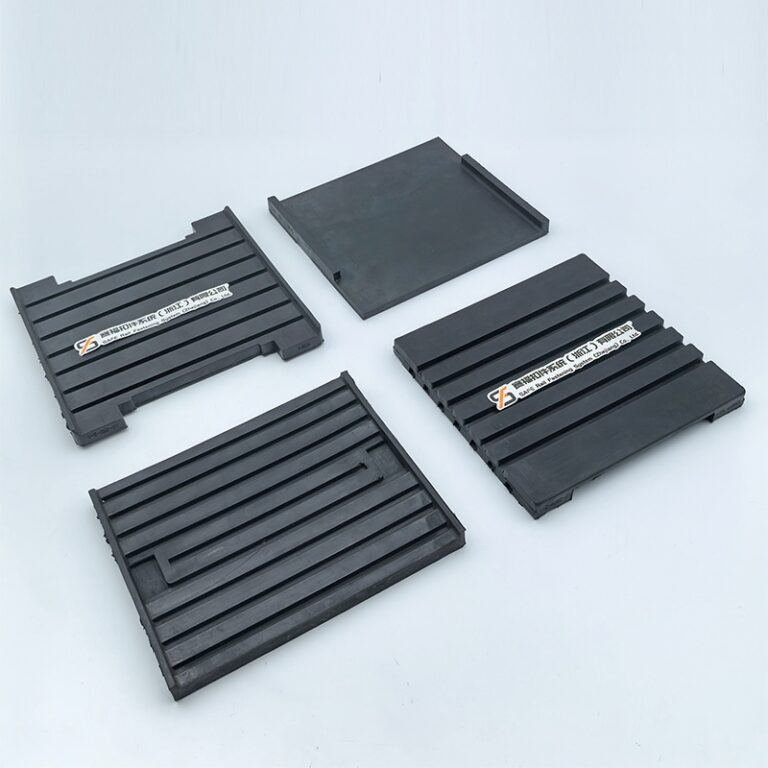
Poor load distribution can cause localized stress points on the sleeper, leading to cracks and failure. SFFST solves this with our advanced Rail Pad and Baseplate Pad products. By utilizing specialized formulations of TPU (Thermoplastic Polyurethane) and EVA (Ethylene-Vinyl Acetate), we produce pads that distribute the train’s weight evenly across the track bed. These pads are tested in our Assembly Testing Lab using the advanced dynamic fatigue testing equipment to ensure they maintain their elastic properties under extreme pressure.
Advanced Manufacturing and Preventive Maintenance
SFFST Automated Heat Treatment for Metal Parts
The secret to the durability of our Bolts, Spikes, and Rail Clips lies in our automated heat treatment process. Integrated into our Automatic Rail Clip Production lines, this process includes precise heating, molding, and quenching.
Precision Testing at SFFST Specialized Laboratories
We believe that safety is verified, not assumed. Our laboratory facilities, including the Metal Lab, Non-metal Lab, and Assembly Testing Lab, are equipped with over 100 sets of advanced testing equipment. We conduct Laboratory fatigue testing on complete assemblies using the rail clip fatigue testing equipment and evaluate real-world performance on our simulated rail operating condition testing.
Proactive Strategies for Rail Fastening Maintenance
Through our EPC+M+O model, we help operators move from reactive repairs to proactive rail fastening maintenance. We provide Engineering consultation to optimize system selection and Management services to oversee the entire implementation process. By offering On-site construction counselling, we ensure that components are installed correctly from day one, which is the most effective way to prevent long-term rail fastening problems.
Conclusion
Understanding the root causes of rail fastening system failure—from rail clip fracture to insulation failure—is essential for maintaining a safe and efficient railway. At SFFST, we combine 40 years of manufacturing heritage with cutting-edge technology and EPC+M+O entire solutions to eliminate these infrastructure pain points. Whether it is through our automated production of the SKL Tension Clamp, the high-performance damping of our Under Sleeper Pad, or the precision of our WJ-7 Fastening System, we are committed to “Fastening Excellence”. By choosing a partner that prioritizes rigorous laboratory testing and certified quality standards, you ensure a rail network that is built to last.
Contact SFFST today to access premium rail fastening solutions and ensure the long-term safety and stability of your rail infrastructure.
FAQ
Q: What are the primary causes of rail clip failure?
A: The most common rail clip failure causes include metal fatigue from repetitive dynamic loading, environmental corrosion, and improper installation torque. SFFST prevents these issues by using Automatic Rail Clip/Tension Clamp Production lines for precise heat treatment and conducting rigorous Clip fatigue testing in our Metal Lab.
Q: How does rail gauge deviation affect track safety?
A: Rail gauge deviation compromises the stability of the train and significantly increases the risk of derailment. It is often caused by worn Rail Gauge Insulator components or loose Bolts. Using high-strength Casting Parts like our Rail Tie Plate and high-precision adjustment systems like the WJ-12 helps maintain perfect gauge alignment.
Q: How can I prevent rail bolt loosening problems?
A: Preventing loosening requires high-quality Bolts and Nuts manufactured to strict tolerances and the application of the correct maintenance torque. SFFST offers On-site worker system training through our EPC+M+O services to ensure every fastener is installed to professional standards, preventing vibration-induced loosening.