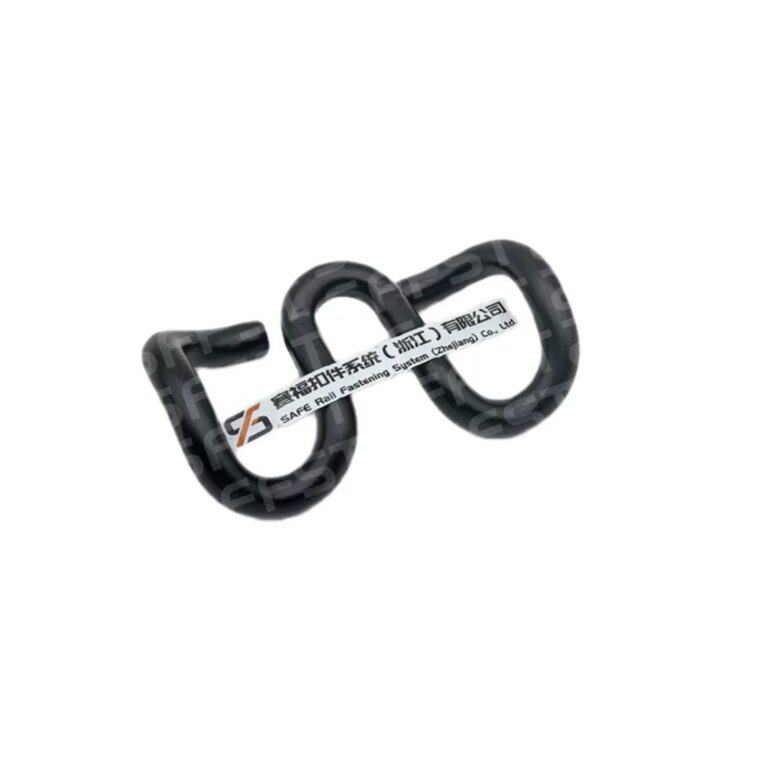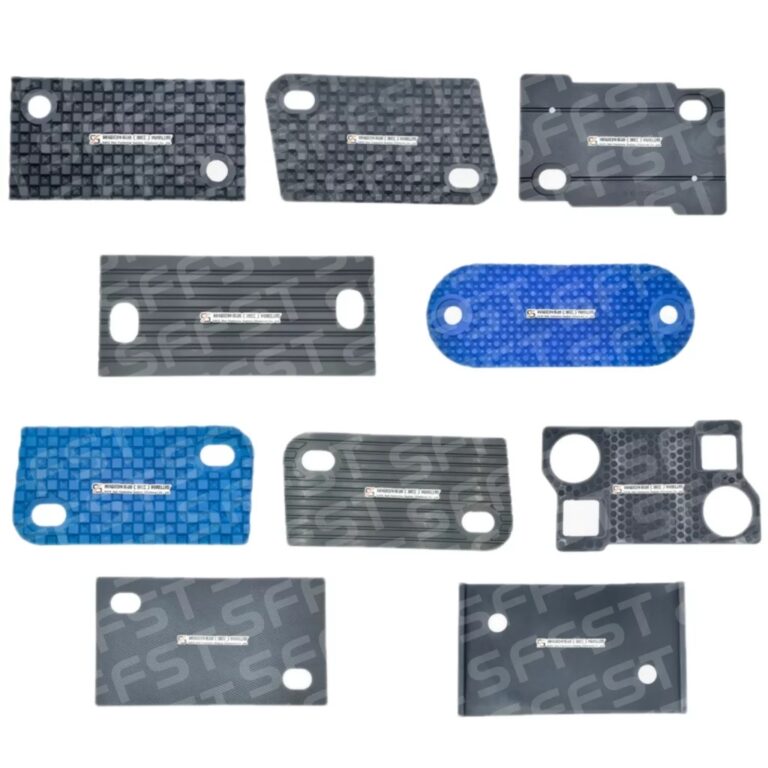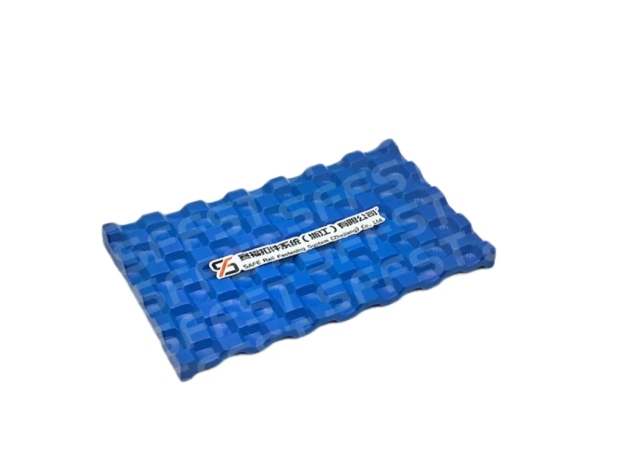
In the rapidly evolving landscape of global transit, the demand for high-speed, heavy-haul, and urban metro networks has never been greater. However, as train speeds increase and urban centers become more densely populated, the challenges of noise pollution and structural vibration have moved to the forefront of railway engineering. At SFFST, we understand that “Fastening Excellence” is found in the meticulous design of every individual component. While often primarily recognized for their role in electrical isolation, we have engineered our rail insulator products to serve a critical dual purpose: providing high-performance rail track isolation to dampen the relentless energy generated by modern rail traffic. By integrating advanced polymer science with precision manufacturing, we ensure that every rail track system utilizing our components operates with superior stability and significantly reduced acoustic impact.
Role of Rail Insulators in Rail Track Systems
Primary Functions of a Rail Insulator
Within a standard rail track system, the rail insulator is strategically positioned between the rail foot and the Rail Gauge Baffle or Cast Shoulder. Traditionally, its most visible role is providing electrical insulation, ensuring that signaling currents remain within the rails to prevent “signal leakage,” a common pain point in metro operations. However, from our perspective as specialist manufacturers, the insulator’s mechanical function is equally vital. It acts as a primary buffer, preventing direct metal-to-metal contact that would otherwise transmit high-frequency vibrations directly into the concrete sleeper and the surrounding track bed.
Essential Components of Railway Infrastructure
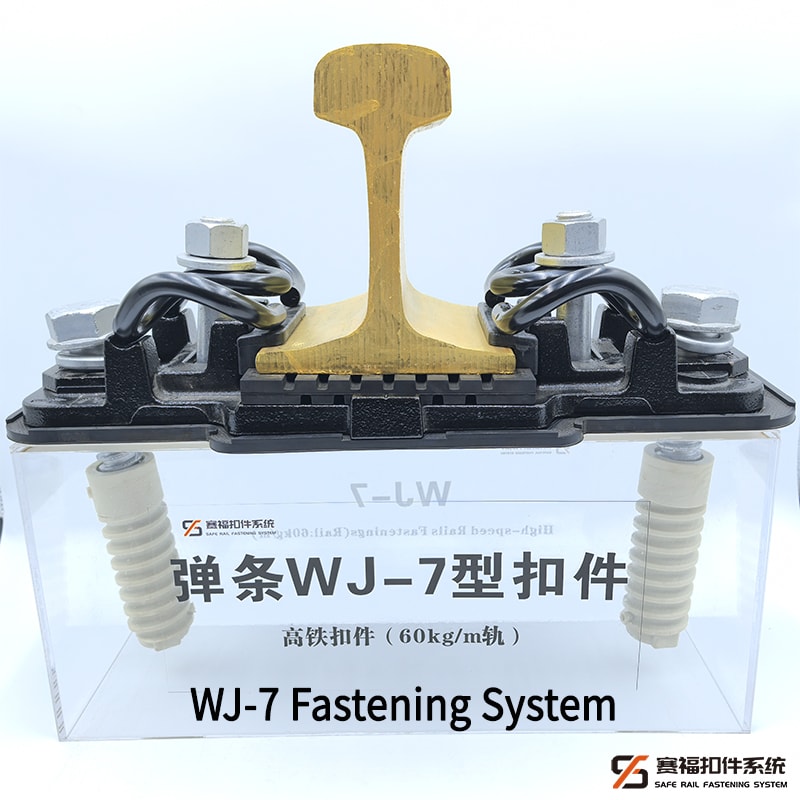
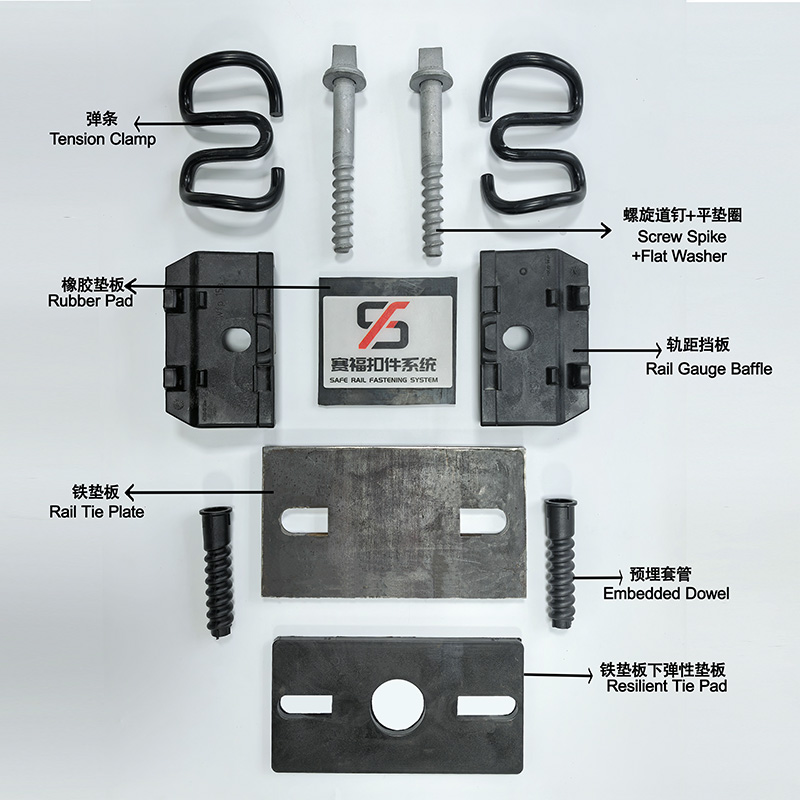
A quiet and stable track is a result of a holistic assembly of components of railway infrastructure working in unison. Our rail insulator does not work in a vacuum; it is a key part of our integrated fastening solutions, such as the W12 Fastening System or the WJ-7 Fastening System. By providing a resilient interface on both sides of the rail, the insulator complements the vertical damping provided by the rail pad. Together, these rail components form a protective envelope around the rail, managing the dynamic loads and ensuring that the structural integrity of the entire rail track system is preserved over millions of load cycles.
Material Properties and Noise Control Performance
High-Performance Polymers for Sound Absorption
The effectiveness of vibration damping is dictated by material science. At SFFST, we utilize high-performance thermoplastic polymers, such as reinforced Nylon (PA66), processed through our state-of-the-art Injection Molding Production lines. These materials are selected for their specific viscoelastic properties, which allow them to absorb and dissipate kinetic energy rather than reflecting it. When a train passes, the wheels generate intense vibration; our Rail Gauge Insulator converts a portion of this energy into negligible amounts of heat within the polymer matrix, effectively lowering the “roaring” noise that typically radiates from the track.
Rail Track Isolation Through Advanced Materials
Effective rail track isolation requires a material that can withstand extreme mechanical stress without losing its damping characteristics. Our production process features a fully automatic central feeding system that ensures the consistency of the polymer blend. This precision is why our rail insulator units maintain their shore hardness and impact resistance even in harsh environments.
Impact of Installation on Vibration Control
Optimal Placement for Maximum Damping
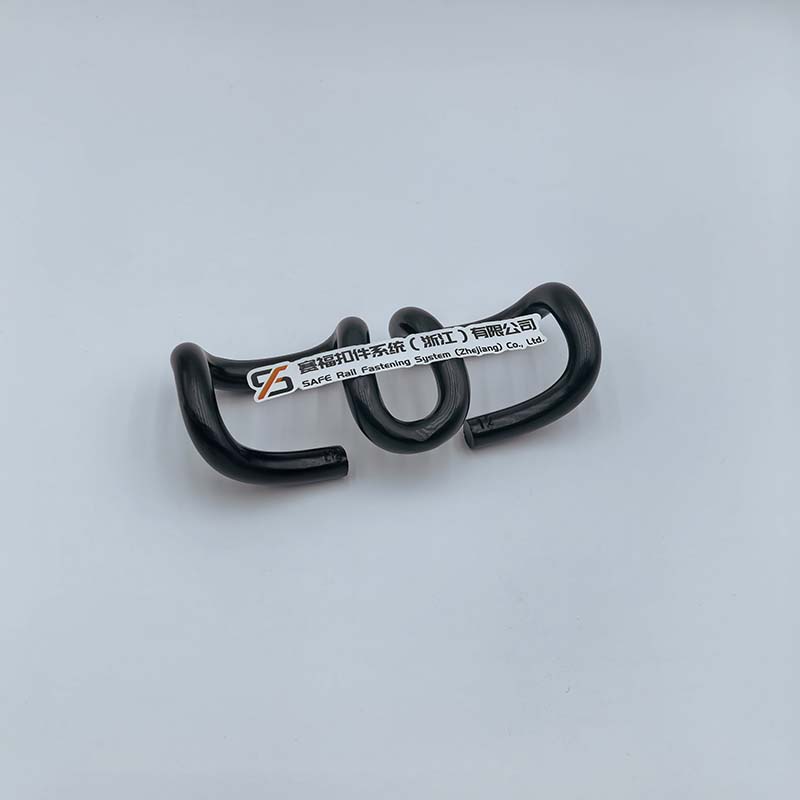
The installation of rail components is a science in itself. During the engineering phase of our EPC+M+O services, we consult with rail designers to ensure that the Rail Gauge Insulator is perfectly seated to handle lateral forces. If the insulator is not properly aligned with the SKL Tension Clamp (such as our SKL12 or SKL14 models), the vibration damping is compromised, leading to uneven wear and increased acoustic emissions.
Synergistic Effects with SFFST Rail Pad
Vibration control is most effective when our rail insulator works synergistically with our rail pad or Resilient Tie Pad. In systems like the W300 Fastening System, the rail pad handles the vertical shock absorption, while the Rail Gauge Insulator manages the lateral vibrations and prevents them from reaching the gauge baffles. Our Automatic Polyurethane Pouring Machine Production lines produce pads with high elasticity that, when paired with our precision insulators, create a multi-layered damping environment.
Consequences of Poor Quality Insulators
Structural Degradation and Increased Noise
When low-quality or missing rail components are used, the results are both loud and costly. A compromised rail insulator allows for high-impact metal-to-metal contact between the rail and the sleeper. This “clattering” not only increases the decibel levels in surrounding urban areas but also accelerates the fatigue of the entire rail track system. Over time, this uncontrolled vibration can lead to the cracking of concrete sleepers and the loosening of bolts, significantly increasing the frequency of required maintenance. Our proactive maintenance strategies, supported by our MANAGEMENT and OPERATION services, focus on the early detection of insulator wear to prevent these catastrophic failures.
Risks of Signal Leakage and Fatigue
In addition to noise, poor quality insulators fail in their primary task of electrical isolation. We have observed that degraded insulators can lead to signal leakage, which disrupts the automated control systems of modern railways. This is particularly critical in heavy-haul lines where the mechanical loads are extreme. Using substandard materials that cannot handle the pressure results in “crushing” of the insulator, which destroys both the electrical barrier and the vibration damping interface. By choosing SFFST’s CRCC-certified products, operators avoid these risks, ensuring that their safety systems and noise control measures remain robust throughout the project’s lifespan.
SFFST Precision Manufacturing and Testing
Automated Injection Molding Production Lines
Our commitment to quality begins on the factory floor. Our Injection Molding Production lines are fully automated, utilizing robotic arms and real-time computer monitoring to eliminate human error. This ensures that every Rail Gauge Insulator meets the exact dimensional tolerances required for a tight fit within the fastening assembly. Precision fit is essential for noise control; even a millimeter of play can allow vibrations to bypass the damping material and resonate through the track. Our “7S” management and ERP systems allow us to track the production of every batch, ensuring that the 5 million sets of fastening systems we produce annually meet the highest international standards, such as ISO 9001.
Rigorous Validation at SFFST Labs
Before any product leaves our facility, it undergoes grueling tests at SFFST Labs. Our Non-metal Lab is equipped with Shore hardness testers, Electronic universal testing machines, and Aging test chambers to simulate decades of use in just a few weeks. Furthermore, our ASSEMBLY TESTING Lab features a 15m High-performance Track and Wheel-Rail Coupling Test Section, where we measure the actual noise and vibration attenuation of our complete systems. By utilizing the MTS Servo-Hydraulic Testing System and the Electro-Hydraulic Servo Rail Clip Fatigue Testing Machine, we can guarantee that our rail insulator products will perform reliably under the dynamic loads of high-speed rail and heavy freight.
Conclusion
The role of the rail insulator in modern railway engineering extends far beyond simple electrical safety. As we have seen, it is a fundamental pillar of noise and vibration control, essential for the comfort of passengers and the sustainability of urban infrastructure.
Contact SFFST today to receive a customized quotation and discover how our advanced rail fastening solutions can optimize your track’s performance.
FAQ
Q: How does a rail insulator specifically reduce noise in urban areas?
A: In a rail track system, noise is often the result of structural vibrations traveling from the rail into the sleepers and ground. The rail insulator acts as a mechanical break, using high-performance polymers to absorb high-frequency vibrations at the source. This prevents the “radiating” effect where the entire track structure acts like a speaker, significantly lowering decibel levels in surrounding neighborhoods.
Q: Can rail insulators be customized for specific environmental conditions?
A: Yes. At SFFST, we offer SFFST OEM/ODM Rail Solutions where we can adjust the material composition of our Rail Gauge Insulator products. For example, for heavy-haul lines, we can increase the impact resistance, while for high-speed metro lines, we can focus on maximizing vibration damping and preventing signal leakage through specialized polymer blends.
Q: What is the typical lifespan of an SFFST rail insulator under heavy loads?
A: While the lifespan depends on the specific tonnage and frequency of the line, our products are tested at SFFST Labs using Electro-Hydraulic Servo Rail Clip Fatigue Testing Machines to ensure they can withstand millions of cycles. By utilizing our proactive maintenance and OPERATION services, we help operators monitor wear and replace insulators at the optimal time to prevent any increase in noise or vibration.