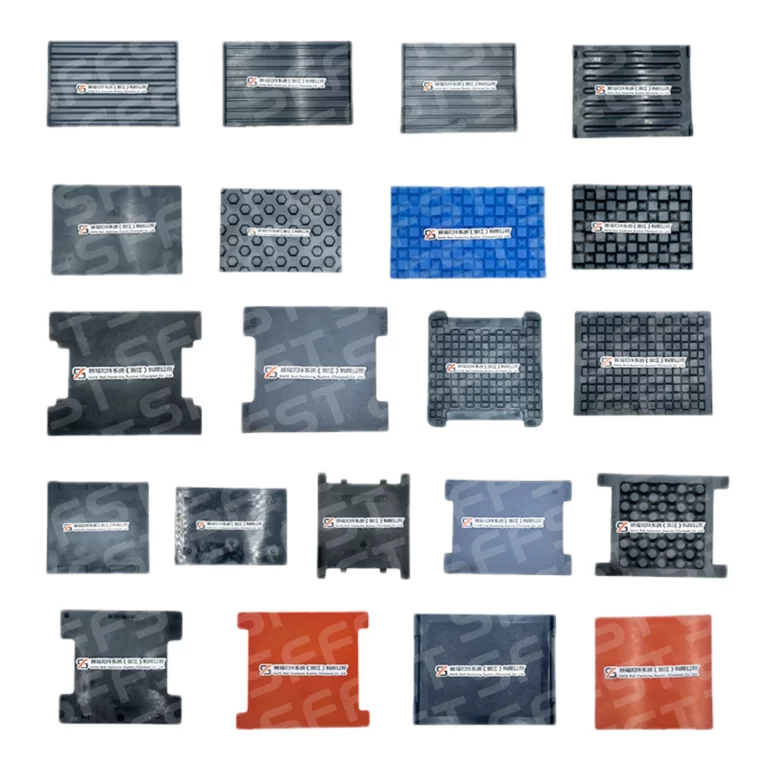
Railway level crossings represent some of the most high-stress environments in modern transportation infrastructure. For railway operators, balancing the safety of heavy axle loads with the need for long-term structural performance is a constant challenge. This is where high-performance rubber level crossings become essential. As a professional manufacturer dedicated to fastening excellence, we at SFFST provide advanced railway crossing panels engineered to withstand extreme conditions while minimizing the burden of frequent repairs. By understanding the common causes of wear and implementing proactive maintenance tips for rubber level crossings, operators can significantly extend service life and achieve a substantial reduction in overall railway maintenance expenditures. In this guide, we explore how SFFST’s innovative solutions help infrastructure managers maintain safe, low-noise, and low-maintenance railway crossings.

Rubber Crossing Panel Lifespan: How Long Do Rubber Level Crossings Last
Expected Longevity of SFFST Rubber Level Crossings
Modern railway requirements demand materials that can survive more than just basic traffic. Our Railway Rubber Level Crossing is designed for remarkable durability. Laboratory simulation tests indicate that the optimized design improves durability from approximately 150,000 loading cycles to over 450,000 loading cycles under specified testing conditions.
Factors Defining Durable Rubber Crossing Panels
What makes a panel “durable”? For SFFST, it starts with a proprietary rubber compound. We incorporate nylon wires or utilize advanced meridian synthesis in our rubber carcass to ensure the panels maintain their dimensional stability under pressure. These durable rubber crossing panels feature high strength, excellent shockproof performance, and high resilience. Unlike traditional reinforced concrete pavement, our rubber solutions exhibit minimal permanent deformation after repeated loading cycles, which is vital for maintaining a level surface between the road and the rail.
Common Causes of Rubber Level Crossing Wear
Impact of Heavy Traffic and Dynamic Loads
The primary enemy of any railway level crossing is the constant dynamic load from both trains and heavy motor vehicles. Over time, repeated wheel loading can lead to abrasive wear. However, the SFFST Railway Rubber Level Crossing is specifically designed to handle these loads, compatible with rail profiles such as P43Kg, P50Kg, and P60Kg. When the wrong specification is used—for instance, using a standard panel for a heavy-haul line without the proper meridian synthesis reinforcement—the material may fatigue faster than expected.

Environmental Stress and Material Aging Factors
Environmental factors like UV exposure, extreme temperature fluctuations, and moisture can accelerate the aging of rubber. Moisture, in particular, can lead to mud pumping if the sealing is inadequate. Our panels are designed with aging-resistant and moisture-proof properties to keep the surface dry and stable in various weather conditions. Furthermore, our products are compatible with both wooden sleepers and concrete sleepers, ensuring a secure fit that prevents environmental debris from infiltrating the substructure.
Effective Maintenance Tips for Rubber Level Crossings
Comprehensive Railway Crossing Inspection Guide
Regular inspections should focus on the “integrity” of the crossing. We recommend checking the connection between the panels and the underlying fasteners. Our railway crossing panels are securely attached to railway spikes and sleepers. Inspectors should look for loose spikes or bolts, as these can cause the panels to shift, leading to uneven wear or noise. At SFFST, we produce a wide range of metal parts, including Spike Groups, Bolts, and Nuts, which are vital for maintaining this tight connection.
Proper Cleaning and Debris Management Protocols
Debris accumulation is a common but avoidable cause of failure. The SFFST Railway Rubber Level Crossing is designed with a specific wheel flange groove that is easy to clean. We advise operators to clear this groove regularly to ensure the smooth passage of train wheels. Accumulated grit or metal shards in the groove can act as abrasives, wearing down the rubber carcass prematurely. A clean crossing also ensures better insulation performance, which is a key safety feature of our rubber products.
How to Extend the Service Life of Rubber Level Crossings
Utilizing SFFST High-Strength Meridian Synthesis Formula
The most effective way to extend service life is to start with a product built for the task. By choosing the SFFST Railway Rubber Level Crossing with meridian synthesis, you are investing in a product that resists aging and wear better than traditional materials. Our panels provide high resilience and minimal permanent deformation, ensuring that the crossing remains safe for both pedestrians and vehicles over a decade of use. We also offer customized services to produce panels of various specifications and material ratios to meet specific application scenarios, such as urban light rails or freight yards.
Implementation of a Railway Crossing Maintenance Checklist
To ensure no detail is missed, we recommend a railway crossing maintenance checklist. This should include:
Checking surface wear for signs of extreme abrasion.
Verifying the security of Rail Clips (such as our SKI 12 or SKL Tension Clamps) near the crossing zone.
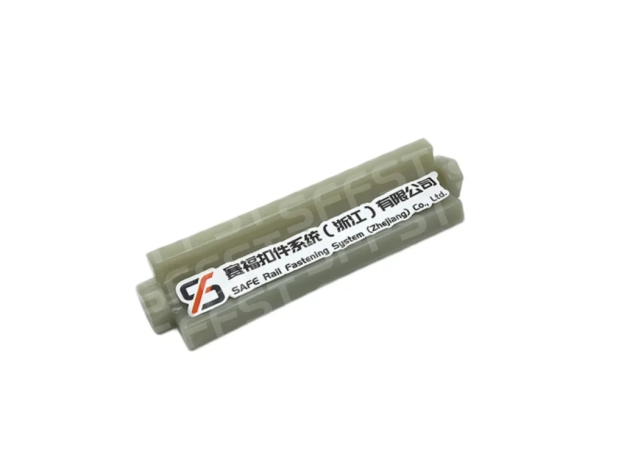
Inspecting the Railway Rubber Insertion Strip for gaps that could allow water ingress.
Ensuring the Rubber Rail Pads or PU Rail Pads beneath the rails are still providing adequate vibration damping. Consistent monitoring using this checklist prevents small issues from becoming expensive railway crossing panel replacement projects.
How Long-Lasting Rubber Crossings Reduce Railway Maintenance Costs
Economic Benefits of Long-lasting Rubber Crossings
While the initial investment in rubber may differ from that in concrete, the long-term savings are substantial. SFFST rubber crossings reduce the frequency of maintenance. The reduction in mud pumping alone saves countless hours of labor and material costs associated with cleaning and repairing the track bed.
Choosing SFFST for Reliable Railway Infrastructure Maintenance
Beyond just products, we offer an EPC+M+O solution. This means we don’t just sell you a panel; we can help with the Engineering design to reduce maintenance costs from the start and manage the Procurement of all components (like WJ-7, WJ-8, or WJ-12 fastening systems). Our expertise, backed by CRCC and ISO certifications, ensures that your railway infrastructure is built to last.
Conclusion
Maintaining the integrity of rubber railway crossings is not just about safety—it is a strategic investment in the efficiency of the entire rail network. By selecting high-quality rubber crossing panels from SFFST and adhering to a rigorous rubber level crossing maintenance schedule, operators can prevent premature railway crossing panel replacement and ensure smooth passage for both trains and motor vehicles. We have successfully supplied high-performance solutions to major projects like the Wuhan-Huangshi Intercity Railway Project and the Chengdu Metro Line 17 Project, proving our reliability in high-stakes environments. SFFST remains committed to providing low-maintenance railway crossings that combine safety, economy, and environmental sustainability, helping you meet the rigorous demands of modern rail transit.
Ready to upgrade your infrastructure with the best rubber crossing panels for heavy traffic? Contact SFFST today to discuss your project and reduce your railway maintenance costs!
FAQ
Q: How long do rubber level crossings last?
A: High-quality rubber level crossings, such as those manufactured by SFFST, are designed for remarkable durability. Through advanced formulas and rigorous simulation testing (reaching 450,000 cycles), the rubber crossing panel lifespan typically ranges from 10 to 15 years in practical usage scenarios, even under the increasing speeds of modern railways.
Q: What are the best rubber crossing panels for heavy traffic?
A: The best rubber crossing panels for heavy traffic are those featuring high strength, excellent shockproof performance, and resistance to deformation. SFFST products utilize a brand-new formula incorporating nylon wires or meridian synthesis, specifically designed to handle the intense dynamic loads of heavy-haul, conventional, and urban light rail systems.
Q: How to maintain rubber level crossings to ensure safety?
A: To effectively maintain rubber level crossings, operators should follow a regular railway crossing inspection guide. This includes checking the wheel flange grooves for debris, ensuring the panels are securely attached to the railway spikes and sleepers, and monitoring for signs of surface wear or aging to prevent “mud turning over”.