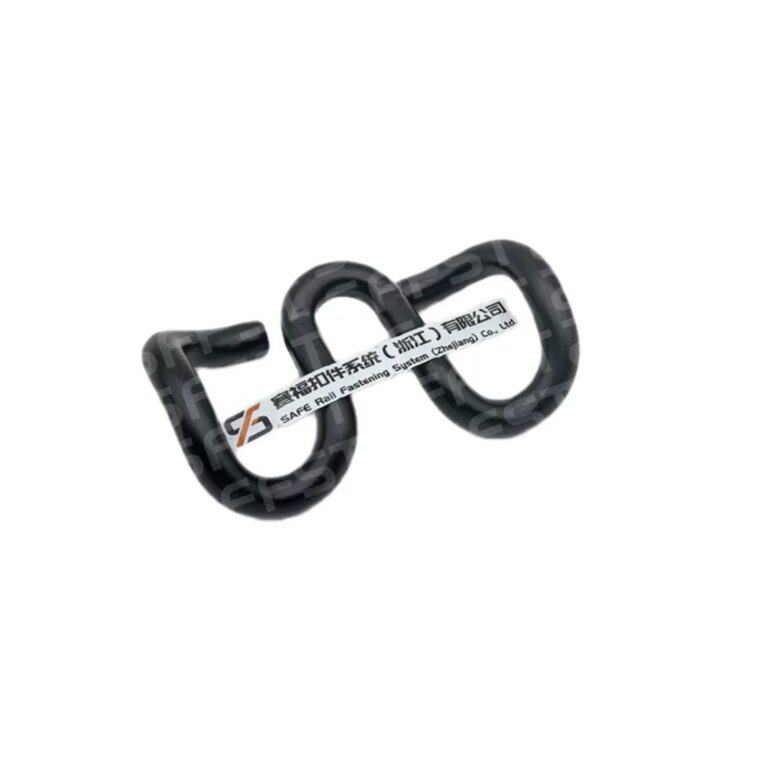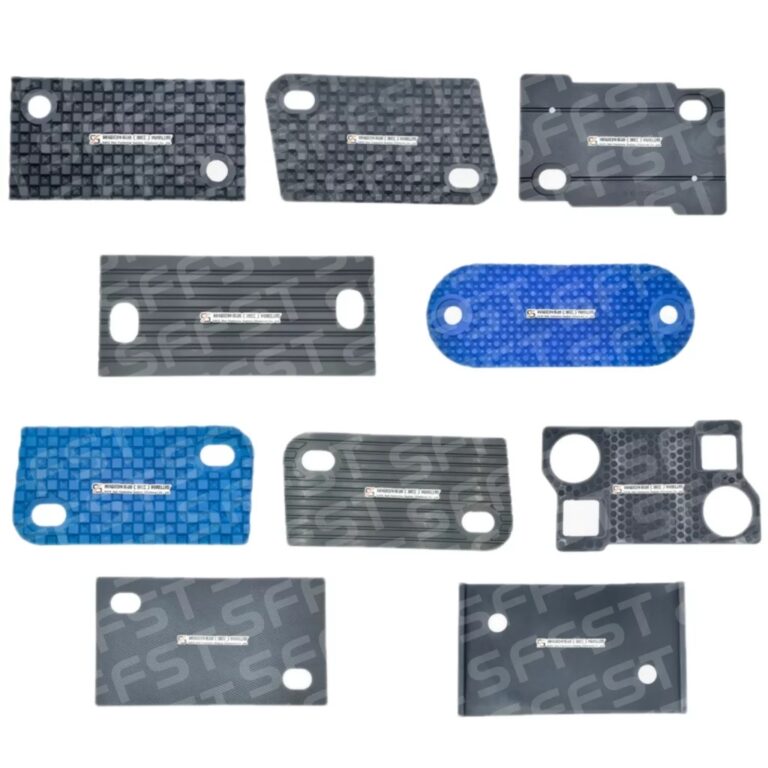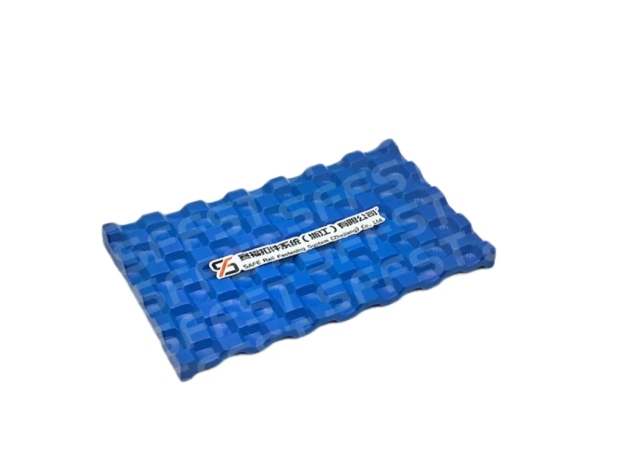
In the detailed design of a modern rail fastening system, even the tiniest parts handle the toughest tasks. For purchasing specialists and rail planners, picking the right rail pad affects track shape stability, sound control, and the total life of the setup. As a professional rail pad manufacturer, SFFST provides railway fastening solutions designed for demanding railway applications worldwide. Supported by advanced rubber production lines, polyurethane casting systems, and comprehensive laboratory testing, SFFST helps customers select the right rail pads for heavy-haul, metro, and high-speed railway fastening systems.
In this guide, we compare rubber and polyurethane rail pads in terms of vibration control, durability, stiffness performance, and lifecycle cost to help you choose the best solution for modern railway infrastructure.
The Critical Function of Rail Pads
Achieving Superior Track Vibration Reduction
The main job of any rail pad involves rail vibration damping. It sits between the rail base and the sleeper, working as a key buffer. This setup softens the quick shakes from train wheels rolling by. In fast rail setups like the WJ-7 Fastening System or the WJ-8 Fastening System, these pads cut down stress on concrete sleepers. They stop to reduce stress concentration and concrete fatigue damage. Through better track vibration reduction, rides become smoother for travelers. Plus, the ballast layer stays solid.
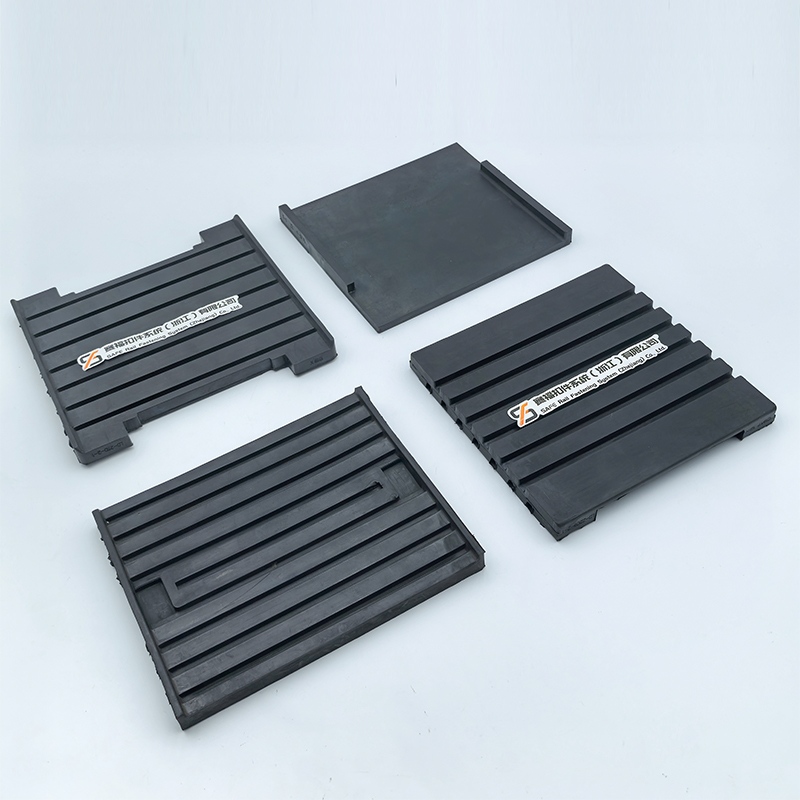
Protecting Sleepers and Infrastructure Integrity
Aside from shakes, a rail pad stops direct rubbing between the rail and the sleeper. In a heavy haul rail fastening system, side and up-down forces hit hard. Without a solid pad, steel on concrete wears fast. This leads to track width shifts. Our designs, like the S30HH Heavy-Haul Fastening System, use exact pads to keep a steady side pull and avoid rail leans.
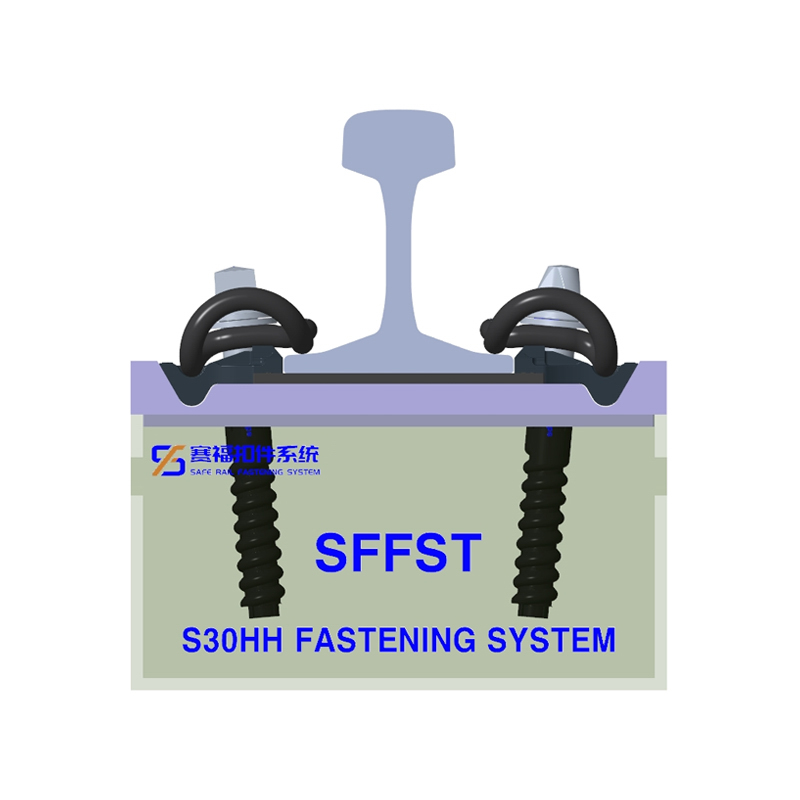
Rubber Rail Pads: The Time-Tested Standard
SFFST’s Legacy in Rubber Manufacturing
Rubber stays common in railway fasteners for its built-in bounce and low price. At SFFST, our Rubber Products Production lines feature auto mixing, blending, and curing tools. We source top natural and man-made rubber from trusted big suppliers.
Applications in Conventional Rail Systems
For regular and commuter rail jobs, such as the Wuhan-Huangshi Intercity Railway project, rubber hits the right mix of flex and strength. It works well where strong electric blocking is needed to avoid signal spills. This issue pops up often in city subway lines. Our Rubber Pads hold their key traits over broad heat levels. Thus, the rail fastening system stays firm in varied spots around the world.
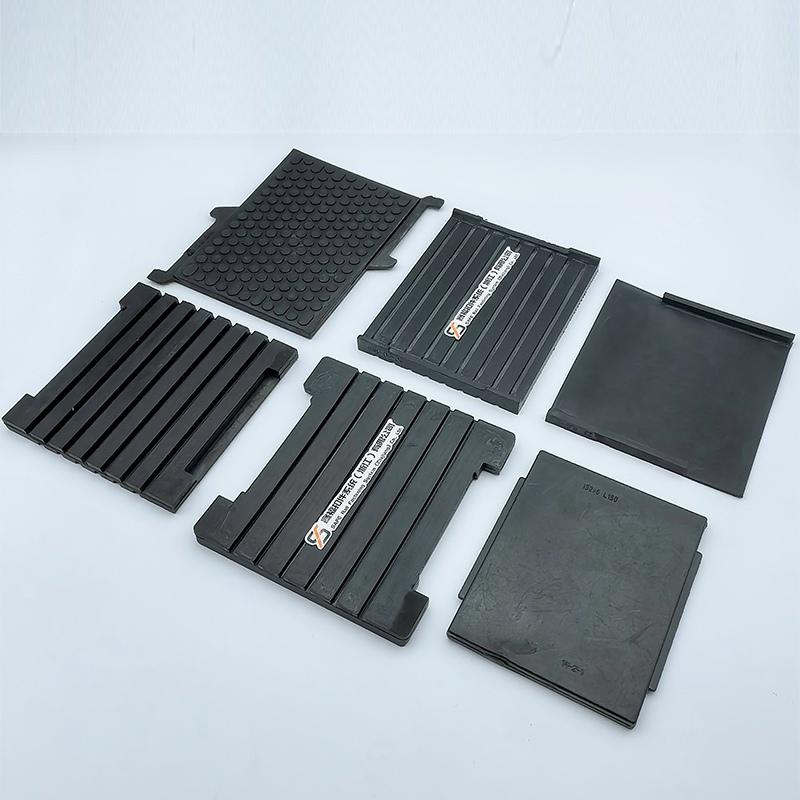
Polyurethane Rail Pads: The Heavy-Duty Alternative
Resilience for Heavy Haul Rail Fastening Systems
With rising freight needs for bigger wheel weights, the polyurethane rail pad stands out in tough spots. It handles much heavier weights and resists scraping better than usual rubber. This fits best for heavy haul rail fastening system uses, like the Fenghong and Jingshen Railway projects.
Precision through CNC Automatic Pouring
We build our polyurethane parts with Automatic Polyurethane Pouring Machine Production lines. These use computer-guided controls for all steps, from filling molds to closing and removing. Such control guarantees even thickness and firmness in every Resilient Tie Pad or Rail Pad. That sameness matters for steady rail pad stiffness over long rail stretches.
Comparing Performance and Stiffness Profiles
Analyzing Static and Dynamic Stiffness
A rail pad’s work hinges on its firmness. In our Non-metal Lab, we run thorough checks on both Static Stiffness and Dynamic Stiffness. Rubber types often show a smaller shift from steady to moving firmness. This gives great shake blocking for light, quick trains. On the other hand, polyurethane allows tweaks for different firmness needs. So, we tailor railway fastening solutions to match wheel weights and rail shapes.
Impact on Maintenance and Life Cycles
How long a material lasts ties directly to upkeep expenses. A rubber rail pad suits normal uses well, yet it can flatten out after years of hard work. Polyurethane holds its shape better under constant high pressures. Picking the proper railroad pad durability lets teams stretch out check times for the whole rail fastening system.
Quality Control at SFFST Non-Metal Labs
Advanced Testing for Reliable Performance
Top quality drives our “Fastening Excellence” approach. Our Non-metal Lab holds more than 100 pieces of modern test gear. This includes Shore hardness testers, Tensile performance checkers, and Akron abrasion machines. We also run Aging test chambers to mimic years of weather wear in short periods. As a result, our rail fastening components avoid getting stiff or weak during real use.
Compliance with Global Railway Standards
For global efforts like the Morocco Kenitra-Marrakech High-Speed Railway Project, we make sure all non-metal parts hit worldwide marks.
Conclusion
Choosing the right rail pad material is critical to the long-term performance of any rail fastening system. Rubber rail pads provide reliable vibration damping, electrical insulation, and cost-effective performance for conventional and urban railway applications. Polyurethane rail pads, on the other hand, offer superior wear resistance, dimensional stability, and durability under heavy axle loads and demanding operating conditions.
The best solution depends on factors such as axle load, train speed, environmental conditions, track structure, and maintenance requirements. By combining material expertise, advanced production technologies, and strict laboratory testing, SFFST delivers rail fastening components that meet the performance demands of modern railway infrastructure.
Boost your rail work with material pros—Reach out to SFFST now for tailored rail pad options and full tech advice.
FAQ
Q: What is the primary purpose of a rail pad in a railway fastening system?
A: The primary purpose of a rail pad is to provide rail vibration damping and track vibration reduction. It serves as a flexible layer between the steel rail and the sleeper. This absorbs hit forces from moving trains. It guards the concrete sleeper and the ballast layer from harm.
Q: How does rail pad stiffness affect track safety?
A: Rail pad stiffness needs careful balance. A too-soft pad might let the rail bend or lean too much. This risks track width issues. A too-hard pad skips shake absorption. That causes more sleeper wear and extra noise. SFFST applies exact math checks to set firmness per job.
Q: Why is insulation resistance testing important for rail pads?
A: In subway and fast rail setups, rail pads (and Insulation Buffer Pads) block signal flow from rails to earth. Our Non-metal Lab checks Insulation Resistance.