Railway operators worldwide are under constant pressure to reduce maintenance costs while ensuring maximum track safety and performance. Frequent rail clip failures, rising replacement expenses, and unplanned downtime can significantly impact operational efficiency—especially in high-speed rail systems where precision and reliability are critical. SFFST has built a solid reputation in the railway sector for its reliable rail fastening products. So, how can you extend the lifespan of rail clips while minimizing maintenance cycles and lifecycle costs? This article explores practical, field-tested strategies—from advanced materials and corrosion protection to predictive maintenance and optimized replacement cycles. It also highlights how SFFST’s tension clamp solutions address these challenges, helping railway projects achieve long-term durability, cost control, and consistent track stability.
SFFST has built a solid reputation in the railway sector for its reliable rail fastening products.
Understanding Rail Clip Performance
The Role of Rail Clips in Track Stability
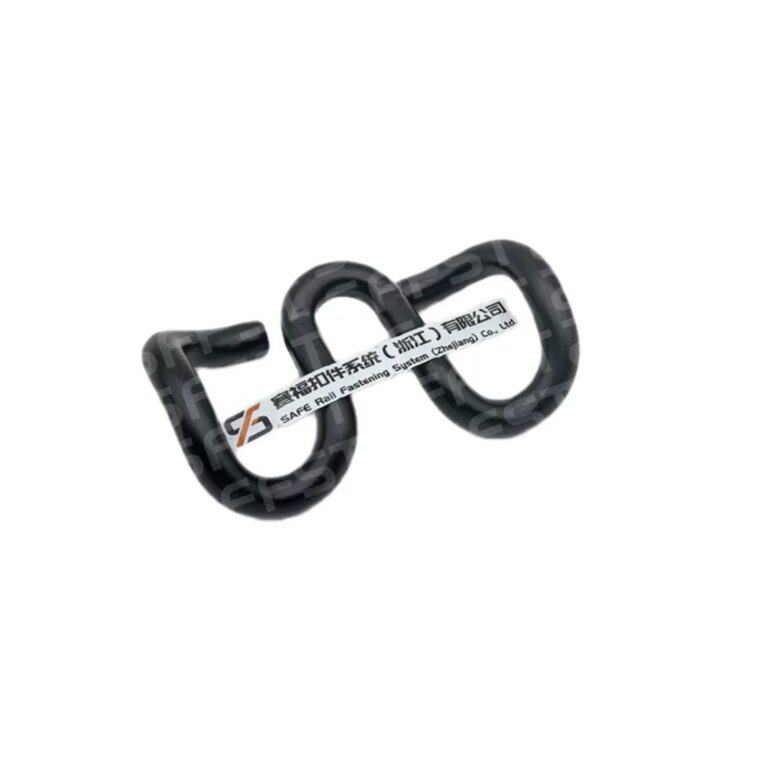
Rail clips hold rails in place on sleepers. They keep the gauge and alignment correct. Moreover, they take in vibrations and spread loads evenly over the track setup. A smartly made clip also stops track shifts from heat shifts or heavy weights. From SFFST’s product details, a Rail Clip (also known as a Tension Clamp) serves as a key part that fastens the rail firmly to the sleeper or baseplate. At the same time, it lets the rail expand and shrink a bit due to temperature shifts. Top-notch clips cut down wear on rails and fasteners alike. They hold steady clamping power in changing conditions.
Common Causes of Rail Clip Degradation
Ongoing shakes and shifting loads cause metal fatigue as time passes. Rust from water, salt mist, or factory chemicals eats away at material strength. Wrong setup torque or too much tightening can spark early breakdowns by cutting back on springiness. In places near the sea or in dry areas, outside factors speed up wear if rust-proof steps are skipped.
Maintenance Strategies for Longer Lifespan
Regular Inspection Practices
Rail teams need to plan steady checks for splits, bends, and tension drops. Tools like ultrasonic scans or close visual look spot tiredness early, before big failures hit. Keeping upkeep records points out repeated problems tied to certain paths or weather setups. This proves vital for forward-looking upkeep plans.
Lubrication and Cleaning Methods
Apply rust-fighting oils now and then to stop rust on touching parts. Clear out dirt like gravel powder to lessen scraping that wears down surfaces. But too much oil draws in dirt that holds water and speeds up rust. So, a careful balance in use is key.
Replacement Cycle Optimization
Swap out clips based on load cycles, not set times. Track performance facts to guess the best swap point. This cuts waste. SFFST offers clever tracking setups in its EPC+M+O service setup. These let real-time checks across wide networks.
SFFST Material and Surface Treatment Advantages
Advanced Alloy Composition
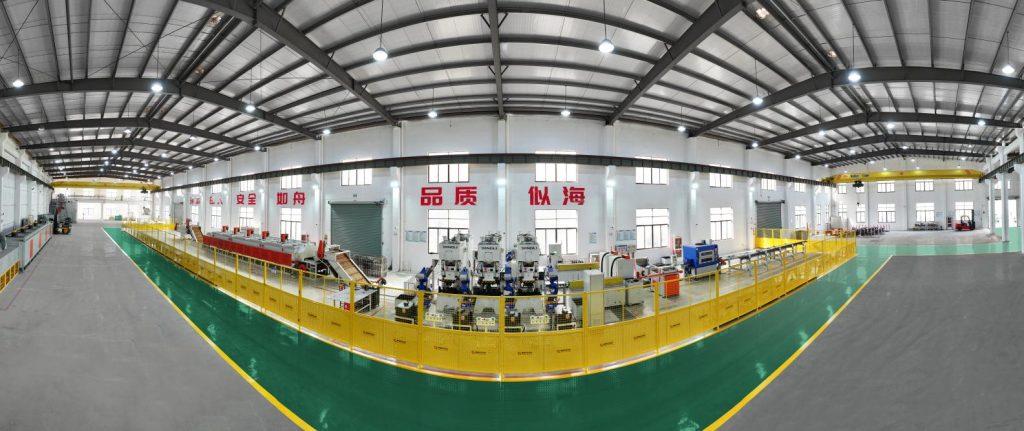
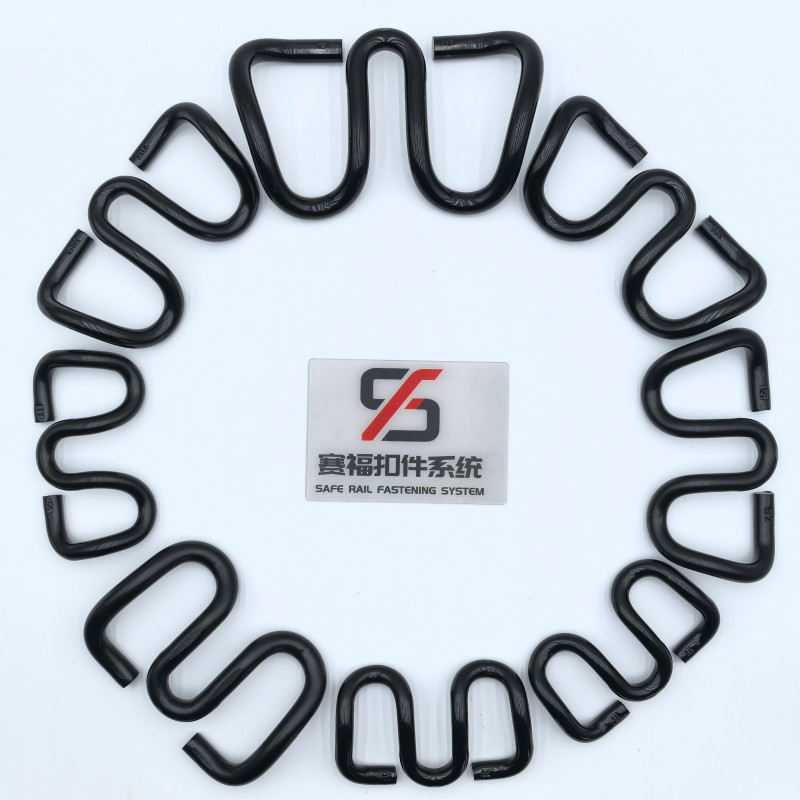
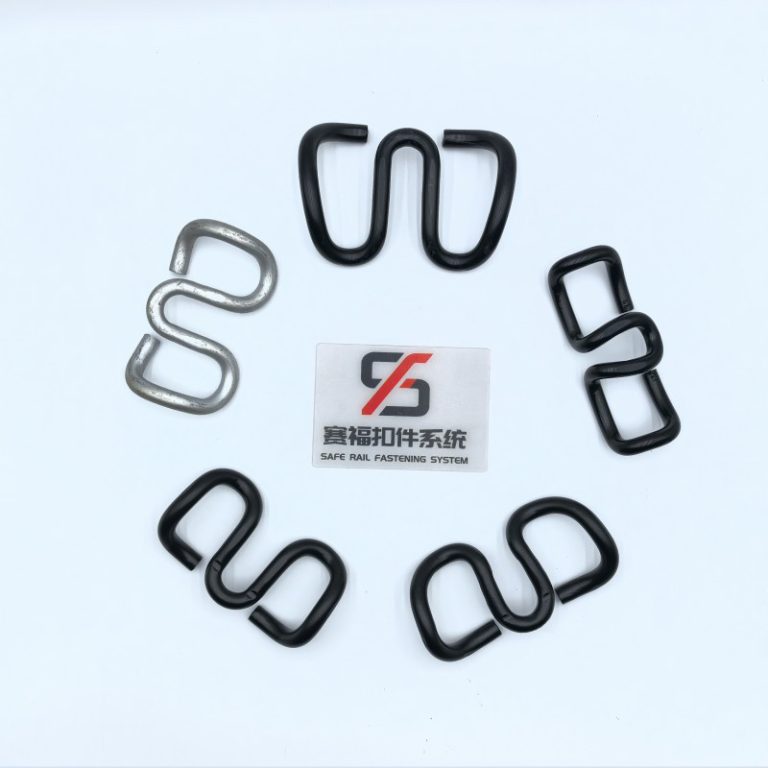
Automatic rail clip/tension clamp production lines turn out various rail clips/tension clamps for the fastening setup. These cover E-Clip, Fast-Clip, SKL Tension Clamp, and Nabla Blade types. They come from spring steel bar or plate with exact heat processes like quenching and tempering (Innovative Rail Production Lines – SFFST). High-strength alloy steel gives better bounce-back and tiredness fight-back, even under repeated loads common in fast rail runs.
Anti-Corrosion Surface Coatings
Every clip gets modern surface work, including rust-proof layers that guard against air reaction and chemical hits over long use (E Rail Clip – SFFST). These layers cut swap rates a lot. They also drop total rail clip maintenance bills by boosting toughness in rough weather.
Reducing Lifecycle Costs with SFFST Solutions
Lowering Maintenance Frequency
Strong materials plus machine-made accuracy shrink check times without risking safety rules. SFFST’s lines have over 100 pieces of top global auto and test gear. This makes sure each item hits tight quality marks before shipping. Less stop time means better run rates for passenger and cargo rail works.
Improving Cost Efficiency in Railway Projects
Longer part life cuts buy needs and worker costs for swaps. By adding SFFST’s full EPC+M+O plan—from plan talks to run oversight—rail teams gain steady cost handling over network life. This full method keeps every fastening setup at top work through its full run.
Integrating SFFST Technology into High-Speed Rail Systems
Compatibility with Modern Track Designs
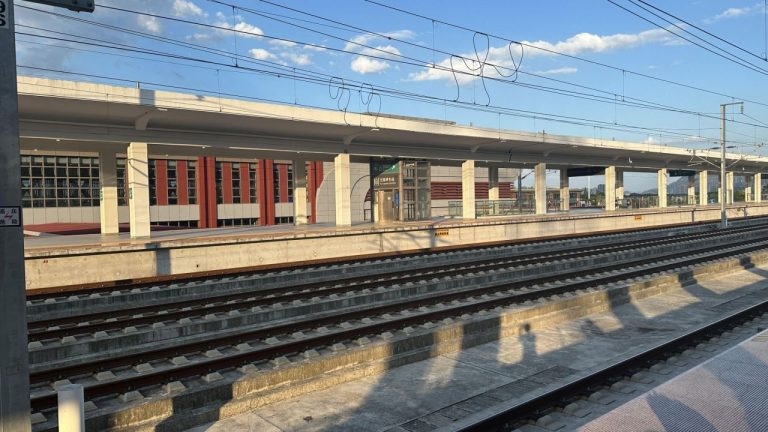
SFFST builds fit both concrete sleeper setups and trackless beds in fast uses, like the Shangqiu-Hefei-Hangzhou High-speed Railway Project. The firm’s parts are built for simple setup in new builds or old upgrades. They save put-together time while holding the exact line-up.
Enhancing Safety and Reliability Standards
Steady hold power keeps the track shape firm at speeds over 300 km/h. In 2025, with our exact making and full quality watch system, our firm sent key parts—Nabla G4 blades for switches—to the Kenitra–Marrakech High-Speed Rail Project in Morocco. Through tailored tech fixes, we handled tough ground fits. This shows how SFFST tech builds worldwide trust via tested steadiness in varied run setups.
Conclusion
Stretching rail clip lifespan calls for more than strong stuff. It needs a full plan that mixes check routines, oil handling, rust guards, and sharp life tracking. With solid alloy mix, machine-made exactness, and world project know-how from China to Morocco, SFFST tension clamp systems give top steadiness and cost savings to meet today’s rail hurdles globally. Pick SFFST to firm up your tracks—and your profits—via lasting new ideas.
Find out how SFFST rail clips can cut rail costs and stretch service time—contact SFFST today.
FAQ
Q: How often should rail clips be inspected?
A: Check frequency ties to traffic load levels; still, every three months works well for busy lines with ultrasonic or visual tools to spot early tiredness signs.
Q: What causes rail clips to fail prematurely?
A: Key factors include too much shake from heavy trains, wrong setup torque that builds stress spots, outside rust from salt or wet air, or low-grade stuff without the right surface work.
Q: How does SFFST improve rail clip lifespan?
A: It uses high-pull alloy steel with rust-proof layers run through auto heat lines (Innovative Rail Production Lines – SFFST), keeping bounce under harsh stress.