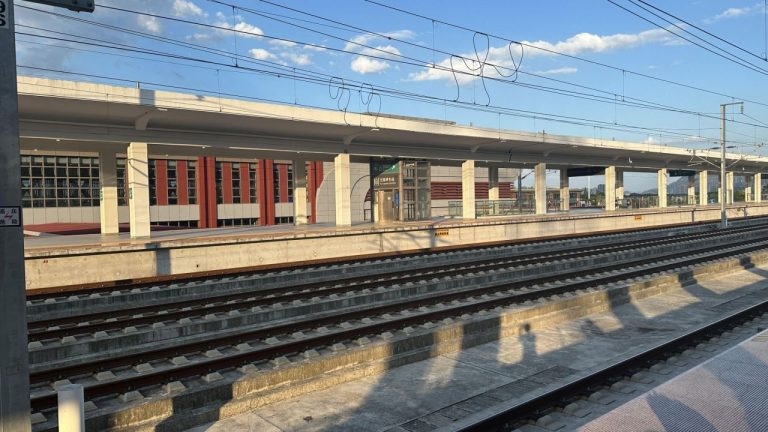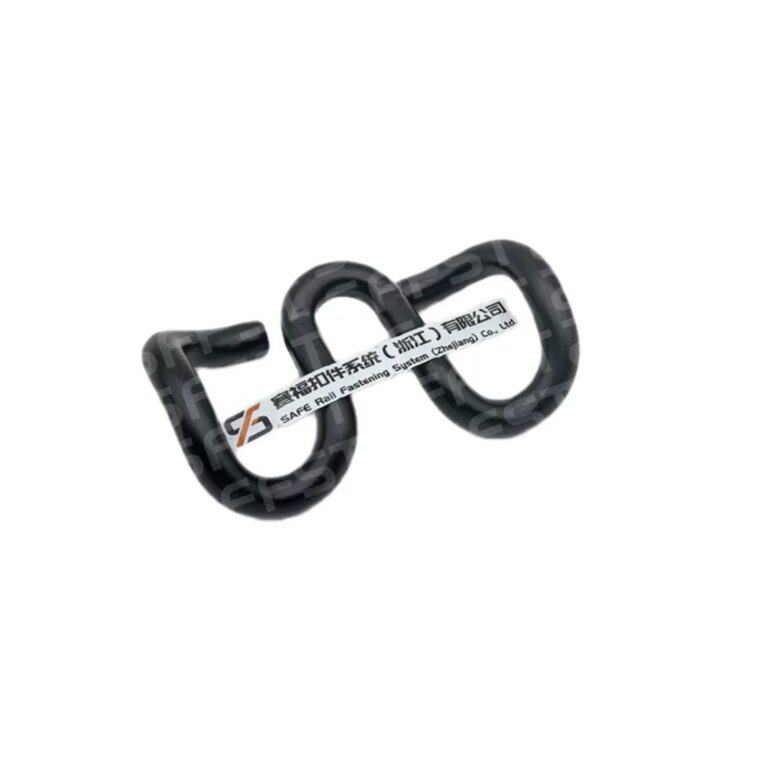
In the world of railway infrastructure, the rail fastening system may not be the most glamorous component, but it plays a crucial role in ensuring the safety, durability, and performance of railway tracks worldwide. These systems not only stabilize the track gauge but also absorb the immense forces generated by high-speed trains and heavy loads. However, for engineers and teams sourcing components from international suppliers, ensuring compliance with the right safety certifications is a significant challenge. Understanding the importance of international standards like EN 13481, EN 13146, AREMA, and CRCC is key to avoiding legal risks, maintaining quality, and ensuring the long-term success of railway projects. In this article, we explore why meeting these global standards is critical for building trust in railway infrastructure and how SFFST’s approach to compliance ensures that your railway projects are built on a foundation of safety and reliability.
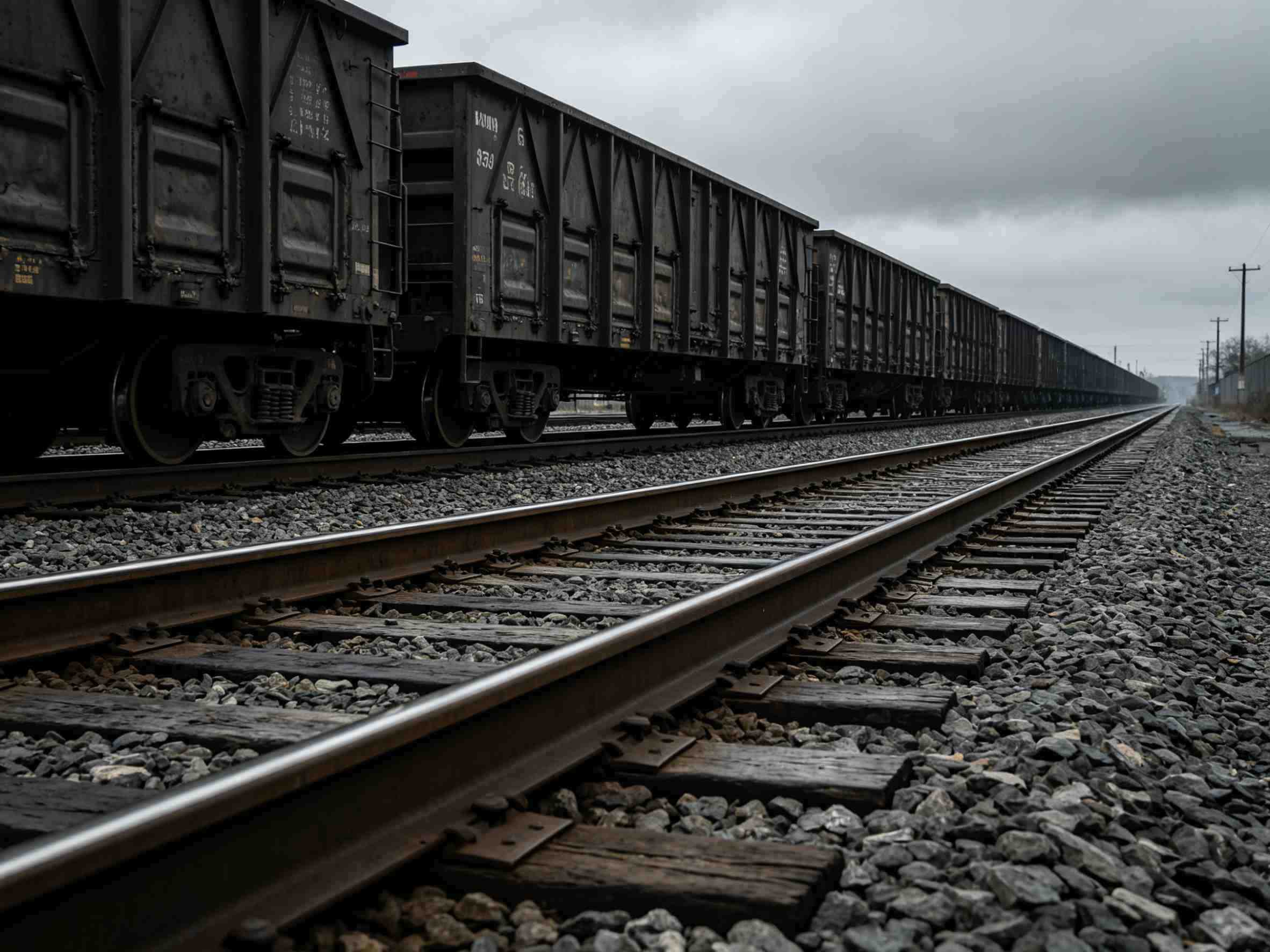
Major International Rail Fastening Standards
Understanding EN 13481 and EN 13146 Standards
European Norms (EN) rank as a top choice for rail work across the globe. In detail, EN 13481 lays out how fastening systems must perform. Meanwhile, EN 13146 spells out tough ways to check them. At SFFST, we team up tight with TÜV NORD so our setups—including fresh types like the W300 Fastening System and NABLA C1 Fastening System—hit these strict European marks.
Compliance with AREMA and TB/T Requirements
For jobs in North America and those tied to Chinese rules in the “One Belt, One Road” plan, matching AREMA and TB/T rules is a must. We carry full CRCC approvals. These cover items like TB/T 3065, TB/T 3570, and TB/T 3395.
Hidden Risks of Using Non-Certified Rail Components
Legal and Financial Liability in Overseas Projects
Putting in unapproved components of railway setups can bring harsh legal hits and cash fines if something goes wrong. In bids abroad, fresh approvals such as ISO 9001, ISO 14001, and ISO 45001 often serve as entry tickets. We put these quality rules first. This shields our partners from the burdens of poor build practices.
Compromised Safety and Increased Maintenance Costs
Unapproved parts tend to wear out early or tire faster in materials. Take a resilient tie pad that skips safety rules—it may lose bounce soon. Then, noise and shakes grow, which harm the track base. Such issues drive up fix bills and raise dangers for passengers. Projects pick approved SFFST goods, like our high-strength rubber pads. In turn, they dodge these unseen expenses.
How SFFST Guarantees International Compliance Excellence
SFFST Partnership with TÜV NORD for Certification
To get our goods ready for the world market, we built a steady link with TÜV NORD. This tie lets us check our rail fastening components hard against global standards. So, setups like the E2091TAV Fastening System and E54AV Fastening System deliver top safety and lasting power.
Leading Manufacturing Standards with CRCC and ISO
Our drive for quality draws from our past. We ranked among the first to gain CRCC rail product approval. Our auto lines, such as the Automatic Tension clamp/rail clip production lines, mix robot work and live checks. This way, each e-clip or fast-clip comes out with an exact fit, time after time.
Rigorous Testing for Reliable Rail Fastening Systems
Precision Metal and Non-Metal Laboratory Validation
We run focused labs with over 100 pieces of cutting-edge global test gear. Our metal lab holds a direct reading spectrometer for checking materials. It also has an SO₂ salt spray tester to judge rust resistance in our bolts, spikes, and nuts. On the other hand, our non-metal lab uses an Akron abrasion machine and an Aging test chamber. These tools confirm the toughness of our Rubber Boots and Rail Pads.
Full-Scale Assembly Fatigue and Impact Testing
We go past single-part checks with full setup trials in our ASSEMBLY TESTING Lab. Tools like the MTS Servo-Hydraulic Testing System (25T) and the drop hammer Impact Test System mimic years of use in just weeks. This approach makes sure tricky setups, including the WJ-7 Fastening System and WJ-8 Fastening System, bear the moving weights of fast rails without fail.
Providing EPC+M+O Solutions for Global Export Success
One-Stop Engineering and Quality Management
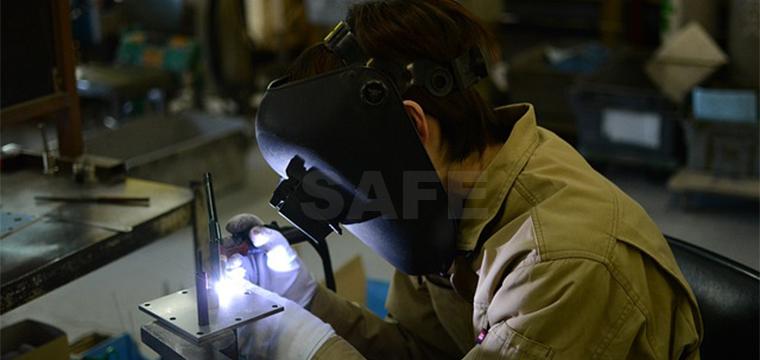
We give more than basic pieces. We supply a full EPC+M+O package—covering Engineering, Procurement, Construction, Management, and Operation. Our International Joint R&D Center works with pros on fastening system design and mechanical parameter calculation. Hence, the system fits just right to the job’s local area and tech details.
Global Service Network for Ongoing Compliance
Our help lasts beyond shipment. Via operation aid, we run a global service network for round-the-clock tech help and on-site fixes. This keeps our rail fastening system manufacturers’ skills close throughout the job’s run. It backs steady rule-following and better work in spots from Morocco to Thailand.
Conclusion
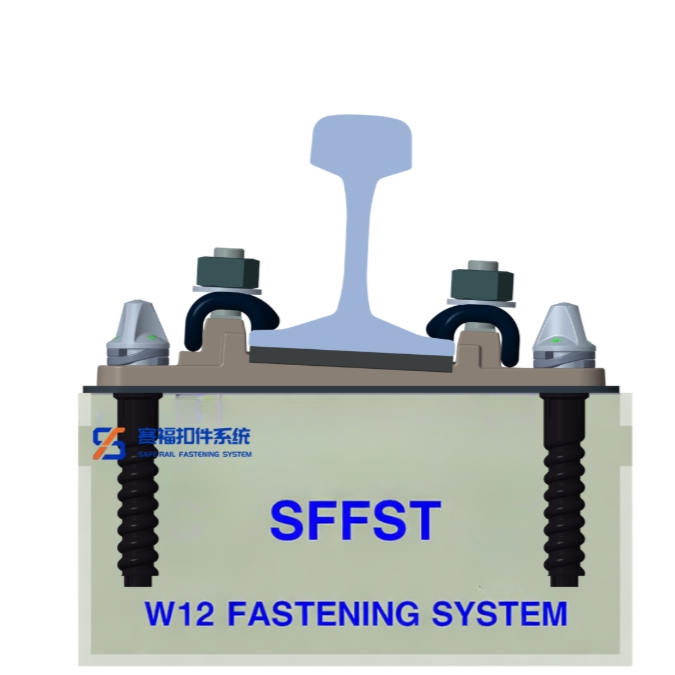
Handling the tough parts of world rail jobs needs a teammate who puts safety and rule-keeping first. Picking an approved rail fastening system stands as the best path to eliminate work risks, cut down future spending, and guard the well-being of countless travelers. Be it the Type IV Fastening System for firm bases or the WJ-12 Railway Fastening System for new city lines, we fill needs in global rail builds with solid and fresh fixes. By sticking to rules like EN and CRCC, SFFST stays as your sure ally for the hardest rail spots.
Contact SFFST today to learn how our world-class solutions can help you meet international safety standards and achieve long-term project success. Let us help you build safe, efficient, and reliable railway infrastructure, no matter where your project is located!
FAQ
Q: Why are rail fastening system certifications important for global projects?
A: Approvals like EN 13481 and CRCC make sure rail fastening components meet firm mechanical and safety levels. They offer proof that the setup can take set strains, like fast shakes or big-load weights. Thus, they block track bends and mishaps.
Q: What are the most common international standards for rail components?
A: Key ones include European Norms (EN 13146 and EN 13481), U.S. AREMA rules, and China’s CRCC (TB/T) guides. SFFST goods get checked and stamped under these tough setups for smooth world use and safety.
Q: How do you ensure the quality of its rail track system?
A: We hold a full quality watch plan, with ISO 9001, 14001, and 45001 admin stamps. Plus, our special metal, non-metal, and setup test labs run wear, hit, and salt spray checks. Gear like the Clip fatigue testing machine proves each part solid.
Q: Can SFFST provide customized solutions for regional railway standards?
A: Yes. Our International Joint R&D Center and EPC+M+O setup lets us give tailored plans, checks, and builds. We adjust our railway fastening systems China options—like the Type V Fastening System—to match any area’s tech and rule needs.