
Railway lines form the core of today’s shipping and travel systems. Still, they deal with a steady issue: large amounts of waste build up during upkeep routines. Steel clips get thrown out too soon. Specialized bolts pile up in excess. Such waste pulls heavily on budgets and harms the natural surroundings.
At SFFST, we work as a dedicated maker of rail fastening systems and railway components. We see that a lasting future depends on careful design, strong build quality, and wise buying choices.
The Hidden Costs of Component Waste
Financial Impact of Over-Maintenance
Classic railway upkeep sticks to strict schedules based on time alone. These plans ignore the real state of the rail track system. So, this extra upkeep causes the early discard of rail fastening components with plenty of useful time left. Operators replace thousands of sets before they need to. This pushes up capital spending (CAPEX) without reason. For any manager, it adds up to millions of dollars wasted right along the tracks. The parts cost money, of course. But frequent, unneeded work also brings extra worker time and stops in service.
Resource Inefficiency in Idle Inventories
One common but ignored waste source comes from “inventory bloat.” Buying teams often grab huge batches of rail components to dodge possible shortages. This fills storage areas with unused supplies of railway spikes or bolts. As years pass, these items face damage from weather or become outdated with new system changes. The locked funds block spending on key areas of the network. It also feeds a chain of supply that wastes resources.
SFFST Sustainable Rail Fastening Solutions
High-Durability Rail Fastening Components
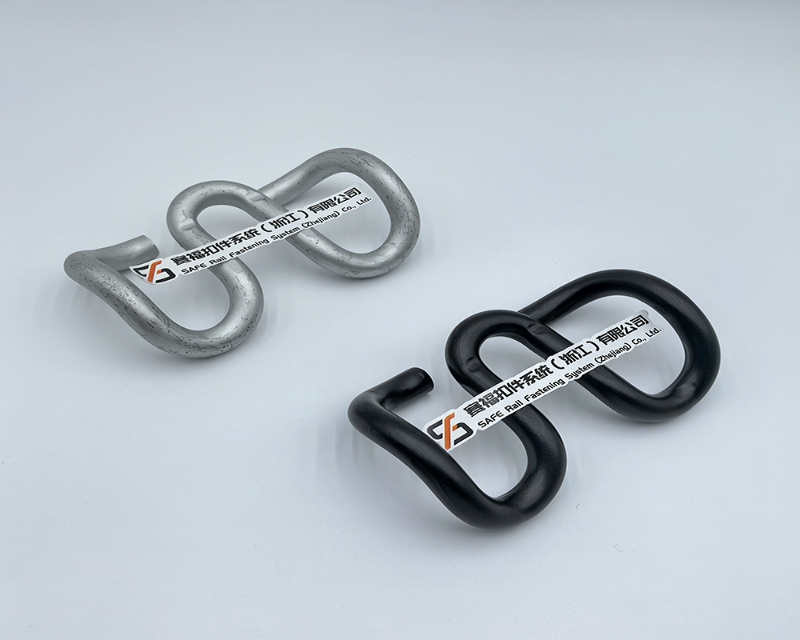
At SFFST, lasting use begins with how long a product holds up. We build rail fastening systems to stand against wear and rust. This stretches out the time between swaps. Take our SKL tension clamps, for example. Models like the SKL1, SKL3, and SKL12 series use top-grade spring steel. We apply careful heat treatments, too. They deliver a strong hold at the toe and fight off tiredness from repeated stress. Rail teams using the SFFST SKL Fastening System cut down on breakdowns.
Precision Testing for Extended Life
We fight early swaps by drawing on our labs. This is our modern testing center. It gives solid facts on how long parts last. The lab has an Electro-Hydraulic Servo Rail Clip Fatigue Testing Machine (100T). It also includes an MTS Servo-Hydraulic Testing System (25T). These tools mimic millions of force repeats on SFFST rail fastening components. From that, we figure out their real endpoint.
Strategic Procurement and Demand-Driven Production
Benefits of SFFST OEM Customization
Off-the-shelf parts lead to poor matches. A piece ends up in a spot not built for it. This speeds up damage. SFFST fixes that with OEM and ODM tailoring options. We go beyond simple sales. Instead, we offer custom fits. Our OEM work makes sure each part suits the track’s exact setup. Such accuracy eases strain on the full rail track system. It also drops the waste from parts that don’t fit well.
JIT Manufacturing to Eliminate Waste
Idle stock poses a clear problem. We tackle it with Just-In-Time (JIT) inside our EPC+M+O setup. This covers engineering, buying, building, running, and oversight. Our automated lines handle spikes, bolts, and casting parts with speed. They match order sizes right away. Clients avoid big, fixed buys that sit unused. SFFST backs adaptable buying tied to real needs. The build-when-required way delivers new, solid rail fastening components at the perfect moment for upkeep. It ends the drag of long storage.
Implementing Sustainable Railway Maintenance Practices
Selective Replacement of Rail Components
Lasting practices hide in small choices. A typical rail fastening system sees parts wear at different speeds. The rail pad or nylon insulator may fray first. Yet the steel clamp often stays sound. Our build style with modules pushes for targeted swaps. We supply strong single Non-metal Parts. Examples include the SFFST HDPE insulator. Crews then change just the worn bits. This method spares valuable metal from trash. It also trims the overall flow of materials in upkeep work.
Recycling Programs for Rail Track System
A part’s end on fast tracks need not end its worth. SFFST makes steel rail components that are fully. We push a loop economy. Old railway spikes, bolts, and SKL clips get gathered and sent back for metal reuse. Plus, some less vital pieces shift to lighter duties, like factory tracks. This follows strict safety checks in SAFE Labs.
Environmental Stewardship in Rail Production
Eco-Friendly Manufacturing at SFFST
Our drive for lasting ways covers sales and making. SFFST plants use smart power controls to cut down on carbon from production. For casting parts and hammered spikes, we use exact heat and cool steps. These have lower power loss. The production lines cut scrap from raw stock via computer placement and tuned forging tools. Nearly every kilo of steel turns into a working rail fastening system part.
Energy-Efficient Production for Greener Rails
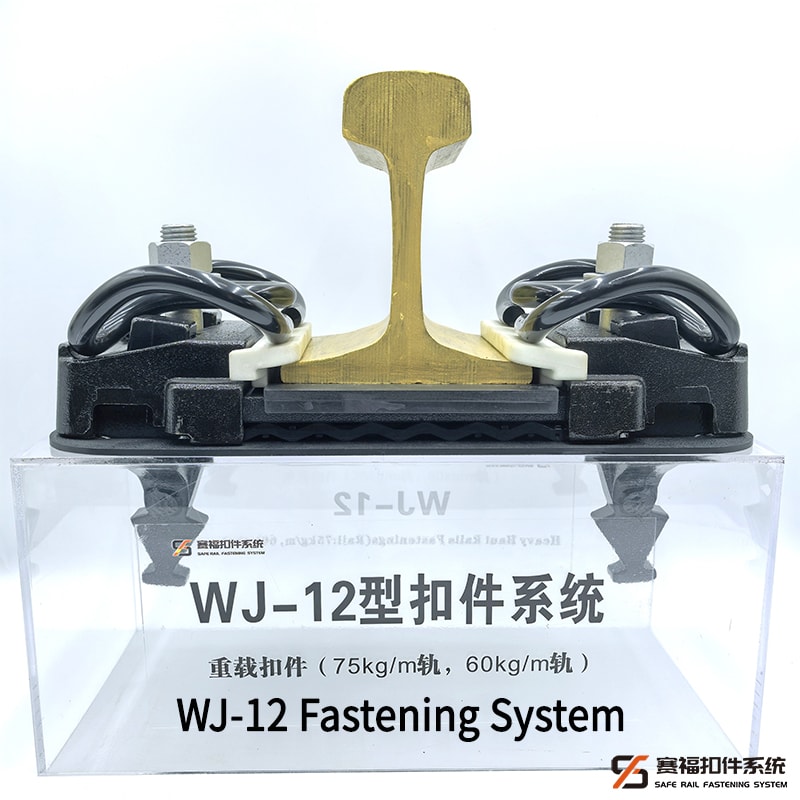
Picking SFFST means backing a chain that puts the earth first. Our WJ-12 Railway Fastening System and Heavy-haul Rail options aim to lessen the harm of travel to nature. Our rail pads that dampen shakes guard the tracks. They also quiet down the city noise. This matters in green urban designs.
Conclusion
Reducing waste in railway maintenance is a complex challenge, but one that is entirely within reach. By prioritizing sustainability, rail operators can not only protect the environment but also reduce maintenance costs, enhance operational efficiency, and prolong the life of their infrastructure. SFFST’s commitment to durable rail fastening systems, combined with tailored OEM solutions and a Just-In-Time (JIT) manufacturing process, is a game-changer for the railway industry. Our focus on sustainability, energy efficiency, and waste reduction makes us a trusted partner for the future of global rail travel.
Ready to cut maintenance costs and improve sustainability with high-performance rail fastening solutions? Contact us today to learn how our customized rail fastening components can help you achieve your maintenance goals while reducing waste. Let’s work together to build a greener, more efficient rail network for the future.
FAQ
Q: How can we reduce waste in railway maintenance?
A: Cut waste by moving from time-based to wear-based upkeep. SFFST supplies exact rail fastening components. Tests check their strength against tiredness. This lets managers stretch swap times. Also, swap single rail components like rail pads. Skip the full system change. That slashes material loss a lot.
Q: Why is a sustainable rail fastening system important?
A: A lasting rail fastening system shrinks the harm to nature from building. It uses less raw stock and cuts factory gases. On the money side, it steadies upkeep funds. Breakdowns happen less often. Stock and worker costs drop, too.
Q: What are the benefits of OEM for railway components?
A: SFFST’s OEM services build parts for exact weather and force needs. The rail track system runs with less strain. Wear comes later. Each railway spike or bolt works fully. No waste from oversized stock parts.


