In the demanding world of global heavy-haul logistics, the strength of a railway fastening system depends on its basic parts. For buying and engineering groups, picking the right railroad spike material goes beyond a simple choice; it is a key safety step. We deliver “Fastening Excellence” via a full EPC+M+O method. As a leading railway spike manufacturer, we know that weak materials cause early wear, track shifts, and major breakdowns in tough settings. Through our SFFST advanced testing laboratories, we make sure each railroad spike—from basic Screw Spikes to custom Drive Spikes—handles the tough needs of today’s high-load rail setups.
Understanding Heavy-Duty Railway Spike Demands
The Burden of Heavy Haul Rail Systems
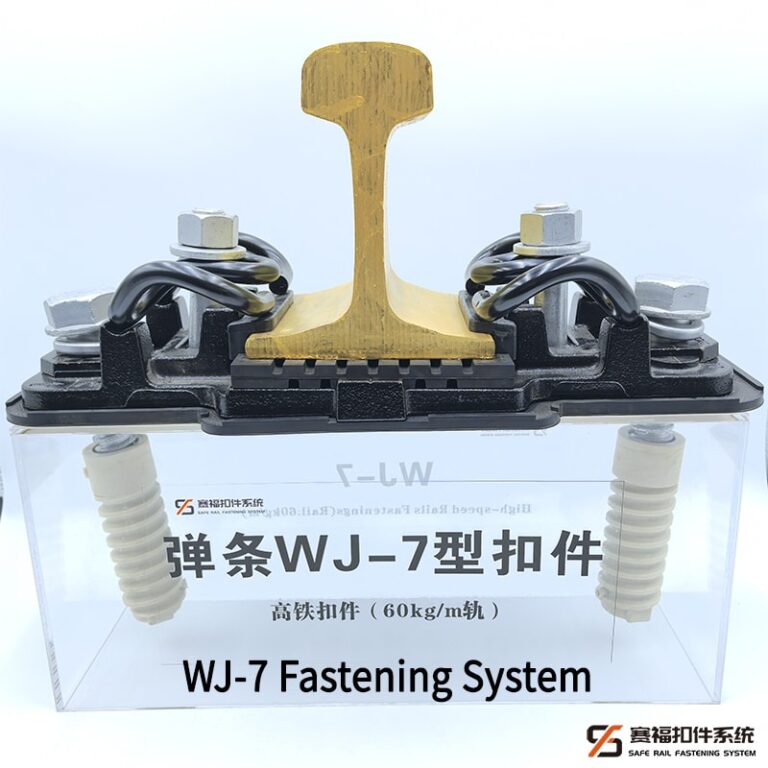
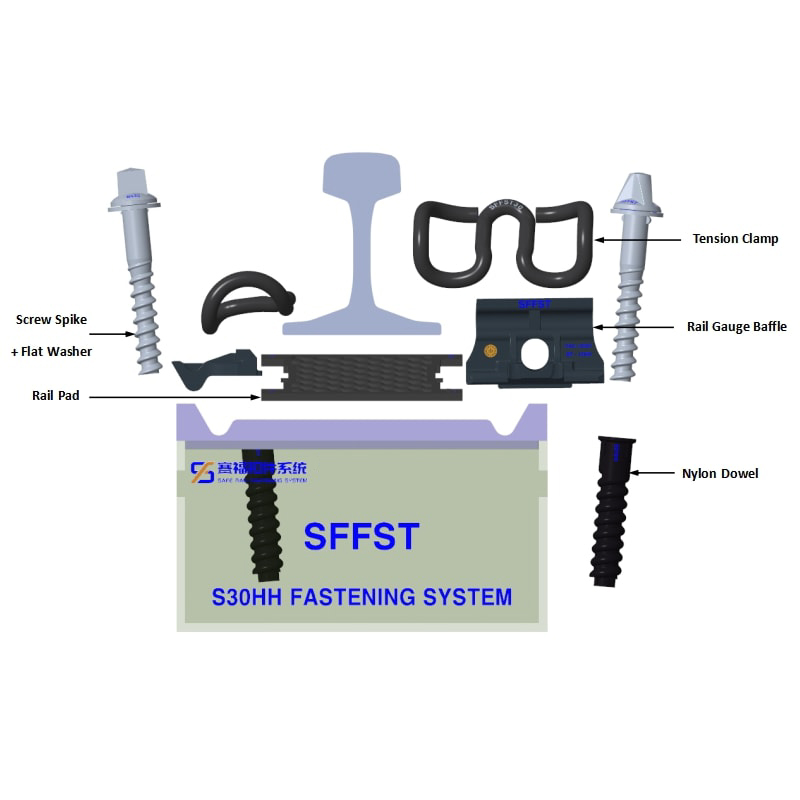
Heavy-haul railway lines, like those we provided for the Fenghong and Jingshen Railway projects, manage huge weights that create intense pressure on railway fasteners. These tracks differ from passenger routes because they face large axle weights and constant shaking. In such conditions, a railroad spike must keep the track width steady and stop rail tilting from strong side forces. Our solutions for heavy-haul, such as the S30HH Fastening System and W14HH Fastening System, are built to spread these pressures across the sleeper in a better way. Yet, the effectiveness of these systems starts with the core material of the spike itself.
Risks of Selecting Substandard Materials
For those in charge of buying, the real price of a low-cost rail spike shows up after it’s too late. Materials without the correct makeup can break sharply or rust quickly. In places with much moisture or chemical contact, a basic railroad spike might develop corrosion-related fatigue damage, which can ruin the whole rail fastening system. Also, uneven material quality may lead to thread damage in Screw Spikes. This cuts down the track’s hold along its length and raises the chance of width changes. At SFFST, we avoid these problems by getting raw supplies only from trusted big companies at home and abroad.
Material Deep Dive: Carbon vs. Alloy Steel
High Carbon Steel Railroad Spikes
High-carbon steel serves as the common choice for many standard railway fasteners because it strikes a good balance between firmness and affordability. This steel gives the needed resistance to wear from rail movement friction. The greater carbon level helps the spike hold its form under downward force. As a result, the rail fastening components stay firmly attached to the sleeper. That said, high-carbon steel needs careful heat processing to avoid becoming overly fragile. We have fine-tuned this in our automated lines over the years of practice.
Alloy Steel for Extreme Conditions
For jobs in harsh weather or very high-load routes, alloy steel stands out as the better railroad spike material. We add items like chromium, molybdenum, or nickel to boost the spike’s sturdiness and protection against rust. Such alloy steel railroad spikes manage the heating and cooling shifts well in dry desert tracks or cold northern lines. Take our work on the Morocco Kenitra-Marrakech High-Speed Railway Project, for instance. There, we picked materials not only for their power but also for lasting against weather damage over many years of use.
Comparison of Mechanical Performance
Deciding between carbon and alloy steel usually hinges on key mechanical traits: yield strength, tensile strength, and resistance to impacts. Carbon steel delivers solid outer firmness, but alloy steel provides stronger inner toughness and better endurance against repeated stress. In our SFFST metal labs, we apply a Direct Reading Spectrometer to check the exact chemical mix of each batch. Then, we run tests on our Universal Material Testing Machine to confirm the traits match global rules like EN 13481 or TB/T 3065.
Advanced Manufacturing: Forging and Heat Treatment
Strength Through Forged Railroad Spikes
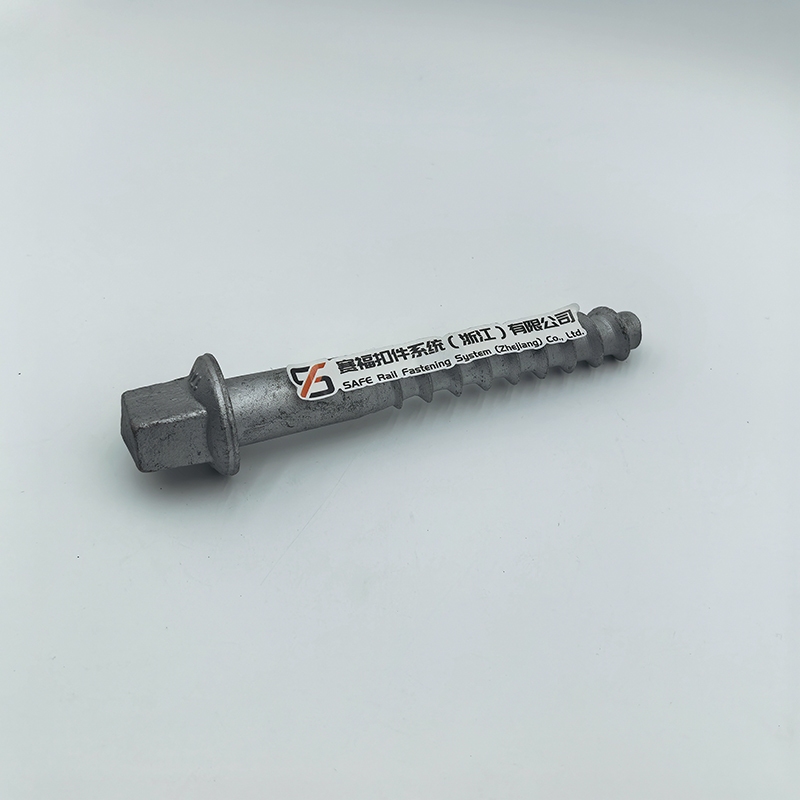
Building a solid railroad spike means more than choosing good steel; the way it’s shaped matters just as much. Forged railroad spikes beat cast ones because forging smooths out the metal’s inner grains and matches them to the spike’s form. This steady grain pattern leads to greater power and lasting quality. Our Automatic Spike Production Line combines cutting, warming, and forming into one smooth flow. Robots watch the process closely, so every Screw Spike and Track Spike meets exact size standards.
Impact of Heat-Treated Railroad Spikes
Heat treatment forms the heart of a long-lasting railroad spike. After shaping, our spikes go through a tightly managed quenching and tempering stage. This Heat-Treated Railroad Spikes method fine-tunes the mix of firmness and flexibility. We check with our Rockwell Hardness Machine and Brinell Hardness Machine to see if the spike resists wear yet takes hits from trains without splitting. This careful approach explains why SFFST ranks as a reliable railroad spike supplier for fast rail lines that demand top safety levels.
The SFFST Advantage in Technical Excellence
International Joint R&D Center Innovation
We go beyond making parts; we create fresh railway fastening solutions. Our International Joint R&D Center works closely with industry and academic partners on a blend of studies, industry needs, and market demands. This setup lets us calculate mechanical details accurately and improve how stress spreads in parts like the SKL Tension Clamp and different railroad spikes. By mimicking actual track situations, we craft tailored material blends for customers facing special ground issues.
Rigorous Testing at SFFST Metal Labs
At SFFST, quality checks are a must. Our labs hold over 100 pieces of top testing gear to examine every part of our heavy haul rail fastening system items.
Metallographic Analysis: With Inverted Metallographic Microscopes, we look inside the steel for any flaws or lost carbon layers.
Durability Testing: We run Clip Fatigue Testing Machines and Electro-Hydraulic Servo Fatigue Testing Machines to copy millions of load repeats. This confirms our railroad spikes hold up without early breakdowns from shaking.
Environmental Simulation: The SO₂ Salt Spray Tester checks how well our rust-proof coatings work over time. This proves vital for railway fasteners near seas or factories, where we’ve seen untreated spikes may experience significantly faster corrosion in coastal and industrial environments in real coastal setups.
Conclusion
Selecting the proper material for railroad spikes involves many factors that affect safety, service life, and upkeep expenses across the rail network. If you need the budget-friendly firmness from high-carbon steel or the rugged strength of alloy steel, SFFST offers the know-how and building skills for a dependable fix. Drawing on our 40-year background plus fresh R&D and a “Fastening Excellence” mindset, we make each railway spike a strong base for global heavy-haul and high-speed tracks.
Secure your infrastructure with the experts in rail fastening—Contact SFFST today for high-performance railroad spikes and comprehensive EPC+M+O solutions.
FAQ
Q: What is the main difference between a drive spike and a screw spike in heavy-haul systems?
A: A Drive Spike works well for quick fitting in wood sleepers. On the other hand, a Screw Spike gives much stronger hold along the length and downward grip by screwing into a plug or sleeper. In heavy haul rail fastening systems, Screw Spikes tend to be the top pick. They excel at keeping track with stability under heavy pressures.
Q: Why are forged railroad spikes preferred over cast alternatives?
A: Forged railroad spikes get shaped in a way that smooths the metal’s inner grains. This removes hidden gaps and boosts resistance to repeated stress. Casting often leaves small holes inside that focus stress points. Such issues make cast spikes unfit for the hard-hitting world of a current rail fastening system.
Q: How does heat treatment improve the lifespan of a rail spike?
A: Heat treatment, through steps like quenching and tempering in our Automatic Production Lines, adjusts the steel’s firmness and bendability. In turn, it cuts down on track fixes and supports ongoing safety, as seen in tracks where treated spikes outlast others by years under daily freight traffic.