Rail baseplate wear can appear as corrosion, cracking, deformation, worn fastening areas, uneven seating, or unintended relative movement or displacement at the rail fastening interface. A proper rail baseplate inspection should also consider the rail pad, baseplate pad, clips, bolts or spikes, and sleeper interface before deciding whether replacement is necessary.
The inspection should therefore identify both the condition of the baseplate and the underlying cause of the deterioration.
What Is a Rail Baseplate?
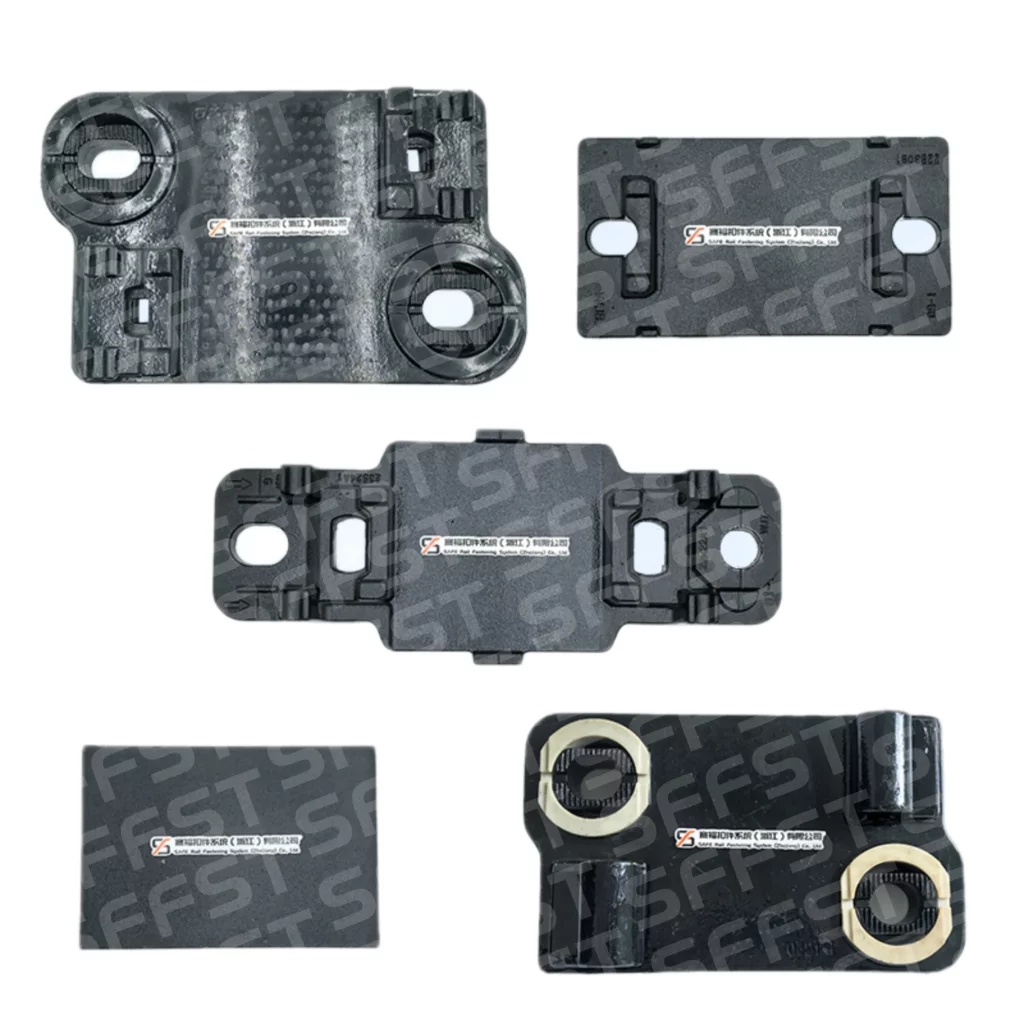
A rail baseplate is a structural component used in certain rail fastening systems to support the rail and transfer loads between the rail fastening interface and the supporting structure. Depending on the fastening configuration, the baseplate may work with rail pads, baseplate pads, clips, bolts, screws, spikes, shoulders, or other fastening components.
Common Signs of Rail Baseplate Wear
Its exact geometry and fastening arrangement vary with the system, so wear should always be judged against the approved drawing, design position, and project maintenance requirements.
Cracks and Structural Damage
Visible cracking is one of the clearest signs that a rail baseplate requires closer examination. Inspectors should note the crack location, whether the crack is associated with a fastening hole, shoulder, clip interface, bearing surface, or other highly stressed area, and whether surrounding components show evidence of unintended relative movement, displacement, or loss of fastening restraint.
Corrosion and Surface Deterioration
Railway baseplate corrosion can range from superficial surface oxidation to localized corrosion, pitting, or corrosion-induced section loss. Surface appearance alone does not determine whether a plate must be replaced. The more important question is whether corrosion has affected critical contact surfaces, fastening areas, geometry, or the ability of the baseplate to maintain the specified bearing condition and assembly geometry.
Where corrosion is concentrated around holes or contact zones, the surrounding fasteners should also be examined.
Wear at Fastening Interfaces
Depending on the fastening design, inspect bolt or screw holes, spike locations, shoulders, clip interfaces, and other load-bearing or fastening features for evidence of relative movement, deformation, or excessive wear. Signs such as enlarged wear patterns, polished contact areas, or fretting may indicate repeated contact or relative movement and should be assessed together with fastener condition and dimensional changes.
Deformation and Abnormal Movement
A baseplate that no longer sits evenly or remains in its intended position requires further investigation. Deformation, tilting, or movement can change how loads pass through the fastening assembly.
What Causes Rail Baseplate Wear and Failure?
Rail baseplate degradation should be assessed as part of the rail fastening system because loading and restraint are shared among the rail, pad, baseplate, fasteners, and supporting structure. Repeated railway loading is one factor, but service conditions, component compatibility, support condition, installation, and maintenance can all influence the pattern of wear.
Repeated Dynamic Loading and Long-Term Service Exposure
Rail fastening components are subjected to repeated vertical, lateral, and longitudinal forces, together with dynamic loading and environmental exposure throughout service. Over time, contact surfaces and fastening areas may show gradual wear. The rate and form of wear depend on the track structure, traffic conditions, fastening arrangement, support condition, and environmental exposure.
Uneven Bearing and Support Conditions
The baseplate should maintain the specified bearing and support condition throughout service. Where the fastening design includes a Baseplate Pad, that component sits between the baseplate and sleeper and contributes to the supporting interface.
Damage, displacement, or uneven support beneath the baseplate can create localized loading. Therefore, visible rail baseplate wear should trigger an inspection of the surface below it rather than an immediate component-only replacement.
Loose or Worn Fastening Components
Bolts, screws, spikes, clips, nuts, and washers contribute to maintaining the specified fastening condition, clamping force, and resistance to rail movement, depending on the fastening design. If one becomes loose or worn, repeated relative movement can develop around the baseplate.
Incorrect Installation or Component Mismatch
Incorrect dimensions, misaligned holes, unsuitable fastening parts, or poor seating can also contribute to abnormal wear. A replacement baseplate should therefore be checked against the required rail section, sleeper interface, fastening arrangement, dimensions, and project drawing.
How to Inspect a Rail Baseplate
A useful rail baseplate inspection should move from visible condition to interface condition.
Start with the plate surface. Look for cracking, corrosion, deformation, material loss, or polished, fretted, or abraded contact areas. Then examine the rail-seat and support areas for evidence of uneven contact or relative movement.
Next, check bolt holes, spike positions, and other fastening locations. Wear around these areas may indicate movement between components.
The position of the baseplate should also be compared with the intended assembly geometry. Any evidence of unintended displacement, tilting, loss of seating, or misalignment should trigger inspection of the complete fastening assembly.
Finally, compare the observed condition with approved drawings, specified tolerances, maintenance requirements, and the rules applicable to the project. No universal visual wear limit should be applied across all baseplate designs; acceptance criteria should be based on the applicable standard, approved drawing, maintenance specification, and project requirements.
Inspect the Baseplate as Part of the Complete Rail Fastening Assembly
If a rail baseplate is worn, inspect the Rail Pad for displacement, surface damage, or poor seating. Where a Baseplate Pad is used, examine whether it remains evenly supported and correctly positioned.
Clips, bolts, spikes, washers, and other fastening components should then be checked for looseness, wear, or abnormal contact. Finally, inspect the sleeper and rail-seat area. A damaged or uneven supporting surface may continue to create problems even after a new baseplate is installed.
When Should a Rail Baseplate Be Replaced?
Not every visible mark requires immediate rail baseplate replacement. Minor surface changes may only require monitoring if the plate remains correctly seated and its important interfaces remain within the applicable maintenance requirements.
Further inspection becomes important when there is progressive corrosion, cracking, deformation, movement, abnormal hole wear, or uneven seating. The surrounding fastening components should be checked at the same time.
Replacement should be evaluated when damage affects the baseplate’s ability to maintain its required position, contact condition, fastening interface, or specified geometry. The final decision should follow the applicable railway maintenance specification, project documentation, approved drawings, and dimensional requirements.
Replacing only the baseplate may not solve the problem if the actual cause is a damaged sleeper, deteriorated pad, loose fastener, incorrect assembly, or unsuitable component combination.
How to Prevent Recurring Rail Baseplate Failures
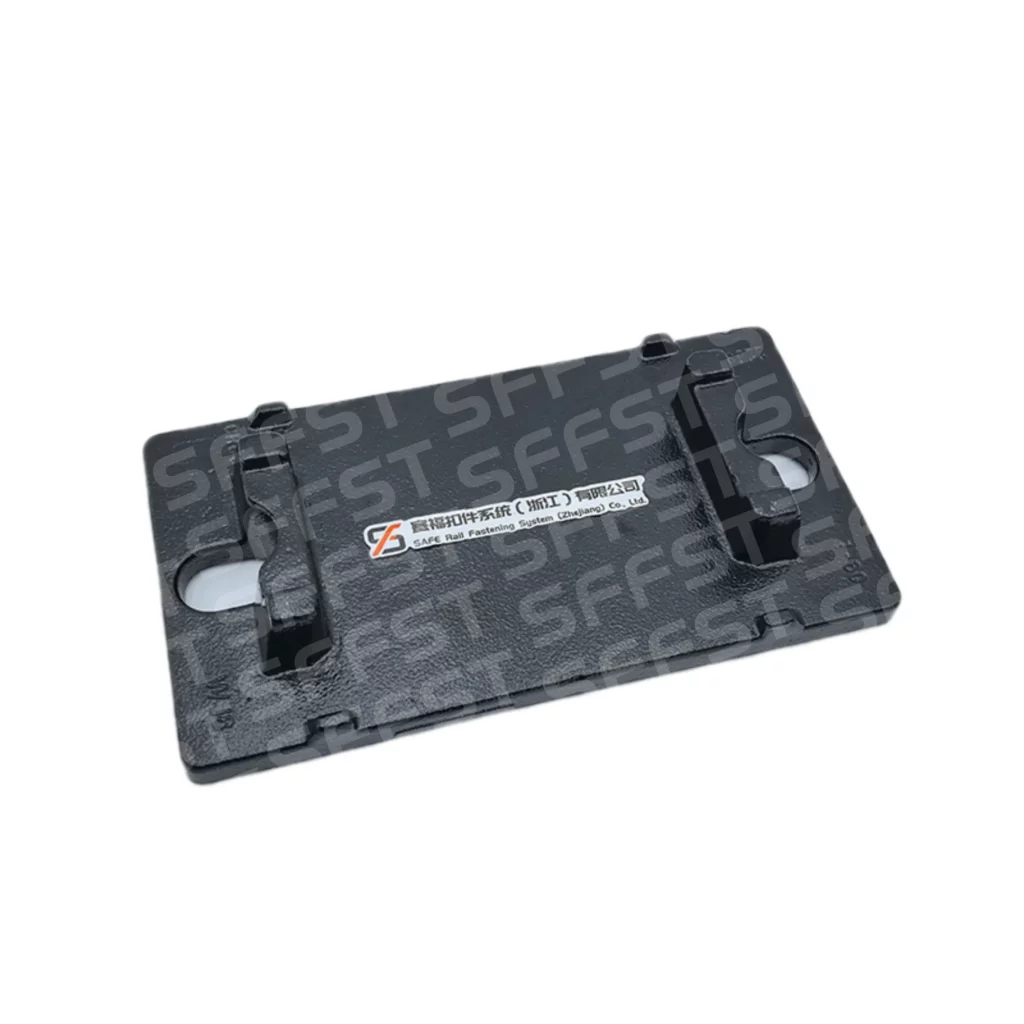
Prevention starts with correct component selection. The Rail Tie Plate/Rail Baseplate must match the fastening system, rail interface, supporting structure, hole arrangement, and associated components.
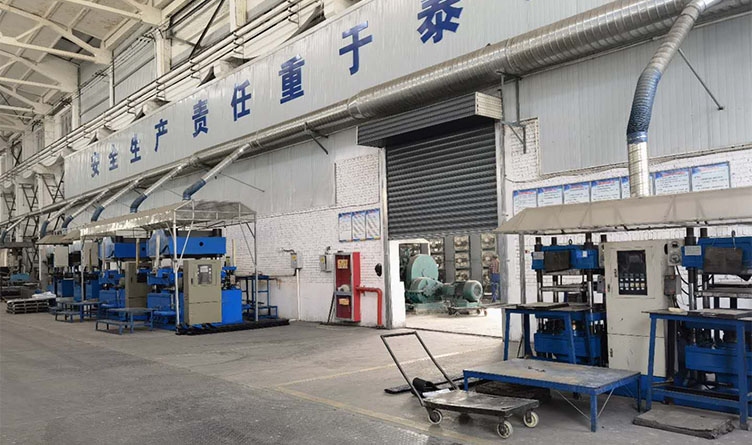
Manufacturing control is also important. SFFST operates casting production lines that manufacture Rail Tie Plate/Rail Baseplate and other cast railway components.
Inspection and testing support quality control before components enter service. SFFST’s laboratory facilities support material, non-metal, corrosion, fatigue, and fastening-system testing.
SFFST Rail Baseplate and Rail Fastening System Solutions
For custom projects, we can work from product specifications, dimensions, materials, functions, and technical drawings. Our EPC+M+O capabilities also extend beyond individual components to fastening-system consultation, design, testing, component production and assembly, test-report support, packing, shipping, and installation-related services.
This means buyers can discuss not only a replacement plate but also how that plate interacts with pads, clips, bolts, and other fastening components.
Conclusion
The most effective maintenance process is to identify the visible problem, inspect the complete interface, determine the underlying cause, compare the condition with project requirements, and then decide whether monitoring or replacement is appropriate.
For new projects, replacement programs, or customized fastening requirements, contact SFFST to discuss Rail Tie Plate/Rail Baseplate manufacturing and coordinated rail fastening component solutions.
FAQ
Q: What can cause a rail baseplate to move?
A: Possible causes include loose or worn fastening components, damaged pads, uneven support beneath the baseplate, sleeper-interface problems, incorrect installation, or mismatched components. The complete fastening interface should be inspected before the cause is assigned to the baseplate alone.
Q: When should a rail baseplate be replaced?
A: Replacement may be required when damage compromises the baseplate’s structural integrity, geometry, fastening interface, or required bearing condition. The decision should follow the applicable maintenance specification and project requirements.
Q: Should rail pads and fasteners be checked when a baseplate is damaged?
A: Yes. The rail pad, baseplate pad where applicable, fasteners, sleeper, and related interfaces should be inspected to identify the underlying cause and prevent recurring damage.