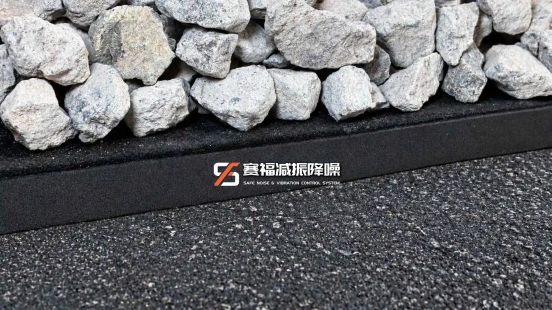
Rubber Level Crossing Panels are engineered to form a resilient vehicle-bearing surface across railway level crossings, providing road access while accommodating the rail and sleeper arrangement. Railway Rubber Insertion Strips are designed as localized rubber components for railway crossing areas and incorporate a wheel flange groove. Railway Rubber Insertion Strips are localized rubber components used around the rail groove and incorporate a wheel flange groove for railway crossing applications. The appropriate solution depends on whether the project requires a vehicle-bearing crossing surface or a localized, removable component for the rail groove.
A crossing is a transition zone where tires, rail wheels, sleepers, fasteners, drainage, and maintenance access meet. SFFST offers rubber crossing products for these interfaces, but selection should begin with the physical problem at the track surface.
Rubber Level Crossing Panels vs Insertion Strips: Key Differences
Rubber Level Crossing Panels for Vehicle-Bearing Crossing Surfaces
Rubber Level Crossing Panels form a continuous crossing surface across the road path. They provide a continuous crossing surface for road traffic and a more controlled interface around the rail compared with fragmented or uneven crossing surfaces. The panel system provides a defined interface between the road surface and the underlying track structure.
SFFST identifies high load-bearing capacity, impact resistance, electrical insulation, wear resistance, aging resistance, low permanent deformation under repeated compression, and high strength as key product characteristics. The crossing surface is subjected to repeated road traffic loads, including vertical wheel loads, braking forces, and lateral forces from turning vehicles.
Flangeway and Rail-Groove Management
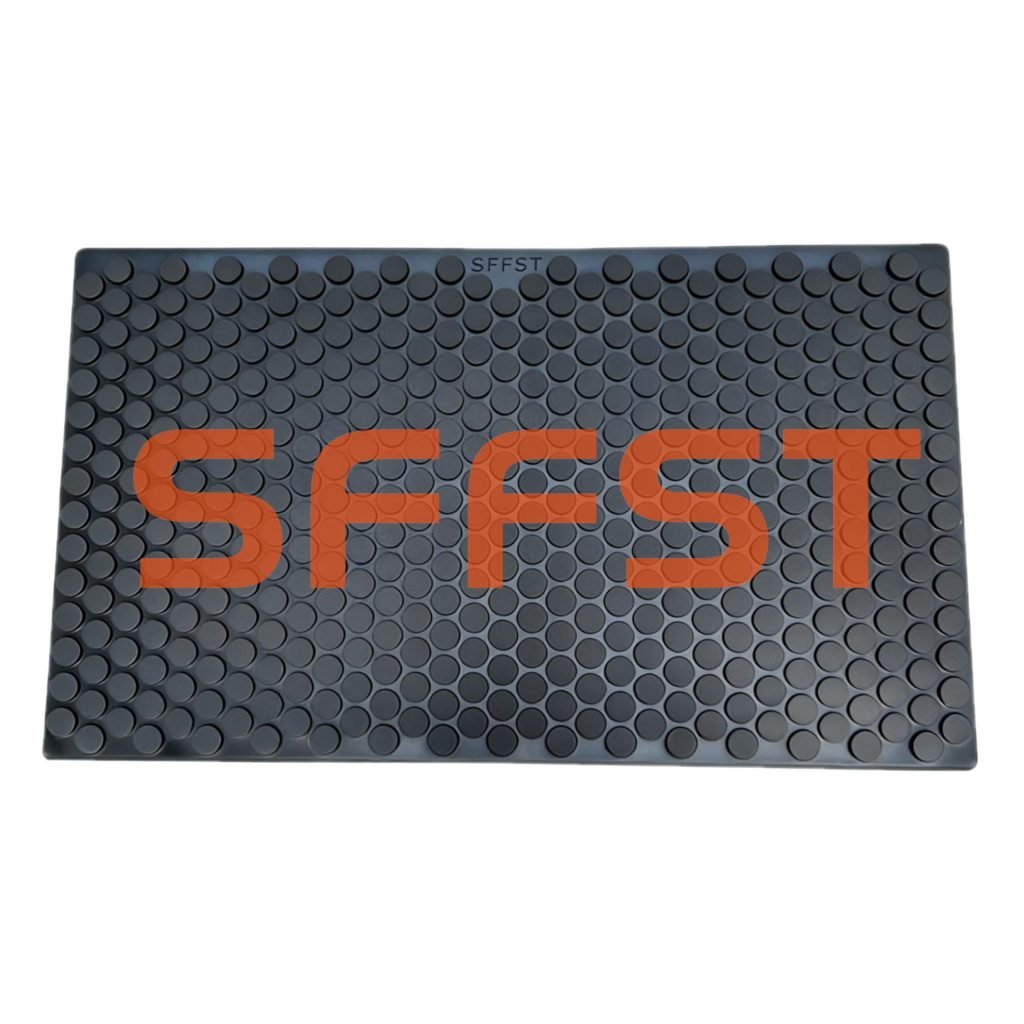
A railway rubber insertion strip is more focused. Instead of covering the whole crossing width, it is used around the rail groove where the wheel flange must remain clear.
A project that needs a complete vehicle-bearing deck will usually start with crossing panels. Where the primary requirement is localized flangeway treatment and maintainability, a Railway Rubber Insertion Strip may be considered.
Rubber Level Crossing Panels for Railway Road Crossings
Wheel Flange Groove and Rail Compatibility
The wheel flange groove is central to crossing design because the rail wheel must pass while road vehicles need a stable surface nearby. The panel incorporates a wheel flange groove and is designed to interface with the rail, sleepers, and fastening/retaining components. This allows the crossing surface to be integrated with the existing rail and sleeper arrangement while maintaining the required clearances. SFFST product information identifies compatibility with P43, P50, and P60 rail profiles, as well as wooden and concrete sleepers.
Panel Lengths and Layout Planning
SFFST lists a standard product length of 1.1 m/set, with 1.65 and 2.2 linear meters per set also developed. These panel lengths provide configuration options for different crossing widths, track layouts, and installation arrangements.
Panels also need to work with the foundation, drainage route, rail clearance, and edge transitions. The crossing layout should also account for rail clearance, drainage, panel support, edge transitions, and access for maintenance and inspection.
Railway Rubber Insertion Strips and Flangeway Applications
Separated Structure for Removal
SFFST specifies a standard length of 2.1 m, a width of 210 mm, and a height of 220 mm for the rubber insertion strip. Its up-down separated design facilitates installation, disassembly, and maintenance, particularly where access to the rail groove is required.
This makes an insertion strip useful where the crossing surface is already defined, but the flangeway requires a removable resilient component. It may be considered for railway-highway crossings, station crossings, high-speed railway stations, and metro station areas.
Maintenance Around the Flange Path
The flangeway must maintain the required wheel-flange clearance, while the surrounding rubber component should withstand moisture, debris, wear, and repeated loading. A removable strip can make cleaning, inspection, or localized replacement easier than disturbing a larger crossing surface.
If the full vehicle surface is worn or unstable, Rubber Level Crossing Panels are the more relevant solution. If the rail groove component is the primary maintenance area, an insertion strip may be more appropriate for localized flangeway maintenance.
Rubber Level Crossing Panel Performance Requirements
Reinforcement, Compression, and Recovery
Rubber crossing products must resist repeated compression without quickly losing their intended geometry. SFFST describes the crossing panels as using nylon line or warp synthetic structure, with relatively low permanent deformation after repeated compression.
The crossing surface is exposed to repeated wheel loads, road traffic, moisture, debris, abrasion, and environmental exposure. Wear resistance and aging resistance are therefore practical requirements. The crossing system should support surface continuity while allowing inspection when operating conditions change.
Electrical Insulation, Sealing, and Slip Resistance
Electrical insulation is important because crossing products sit close to the track system. SFFST identifies insulation as a product feature for rubber level crossing solutions, and the rubber flangeway filler information also emphasizes insulation. Final requirements should match the line’s signaling and track circuit design.
The crossing design should also account for drainage and surface conditions under wet-weather operation. These features matter where contamination and water can affect operation and maintenance.
Application Scenarios for SFFST Crossing Products
Stations, Depots, and Freight Yards
Applications include railway-highway level crossings, urban light-rail level crossings, station platforms and luggage-cart access areas, freight yards, vehicle-depot maintenance areas, and dedicated industrial or mining railway crossings. In all of them, a stable surface must coexist with rail movement and track access.
In a freight yard, crossing panels provide a durable surface for repeated vehicle movement across railway tracks. In a station or depot, the interface must also consider inspection access and surface cleanliness. In an industrial or mining railway, customized dimensions may be needed.
Crossings Near Sensitive Track Sections
Where a level crossing forms part of a vibration-sensitive rail corridor, the crossing system can be coordinated with other resilient track components as required by the overall track design.
The crossing panel, flangeway component, rail fastening system, and resilient track components may each solve a different part of the same interface problem. SFFST can support this component matching through its rubber product and rail fastening range.
How to Choose Between Crossing Panels and Insertion Strips
Selection Criteria: Crossing Surface vs Flangeway Interface
Choose Rubber Level Crossing Panels when the main problem is the full road-rail crossing surface: vehicle passage, surface continuity, crossing width, sleeper compatibility, and panel stability. Check rail type, sleeper type, panel length, road approach, drainage, and maintenance sequence.
Review Manufacturing and Testing Context
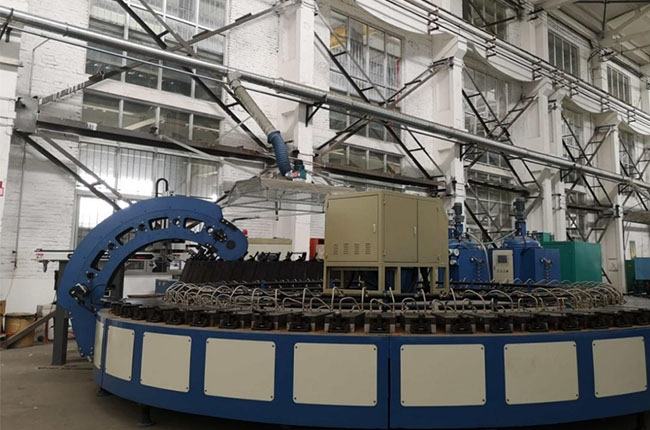
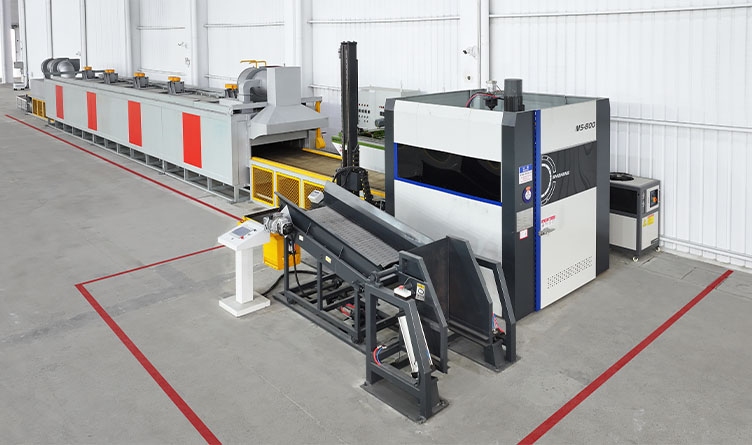
SFFST rubber product production lines include automatic batching, automatic mixing, and vulcanization for rubber pads, rubber boots, railway rubber crossing plates, and related rubber products. Consistent material behavior matters under repeated loads and environmental exposure.
Testing resources also support material and component evaluation. SFFST’s testing capabilities include non-metallic material and component testing, supported by equipment such as Shore hardness testers, Akron abrasion testing equipment, aging test chambers, and electronic universal testing machines.
Conclusion
Rubber Level Crossing Panels function as engineered road-rail crossing components that provide a resilient vehicle-bearing surface while accommodating rail, sleeper, and flangeway geometry. Insertion strips or flangeway fillers serve a narrower role where the rail groove needs a removable elastic component. Product selection should be based on the specific interface condition, rail and sleeper configuration, crossing geometry, drainage requirements, and maintenance strategy.
For projects comparing crossing panels and rail-groove components, choose an SFFST rubber crossing solution that matches the rail type, sleeper condition, layout, drainage, and long-term maintenance plan.
FAQ
Q: Which rail types can SFFST Rubber Level Crossing Panels fit?
A: SFFST product information identifies compatibility with P43, P50, and P60 rails. The panels can also be used with wooden sleepers and concrete sleepers. Standard product length is 1.1 linear meters per set, with 1.65 and 2.2 linear meter options also developed.
Q: When is a rubber flangeway filler more practical?
A: A rubber flangeway filler is practical when the rail groove needs a removable elastic element for easier installation, disassembly, and maintenance access. It is not a full crossing deck. It is better considered when the main engineering problem is the wheel flange groove rather than the entire road surface.
Q: Can SFFST customize railway rubber crossing products?
A: Yes. SFFST product information indicates that specifications can be customized according to project requirements. Customization should be determined by the rail profile, sleeper type, crossing geometry, required dimensions, drainage conditions, and maintenance requirements.