A rail fastening system is the assembly that fixes the rail to the sleeper and holds the track gauge against dynamic traffic. It combines metal parts that clamp and locate the rail — the clamp, the T-bolt or spike, the baseplate and the fish plate at joints — with resilient parts that cushion, insulate and compensate: the rail pad, the baseplate pad, the gauge baffle and the gauge insulator. Each component solves one part of the problem; only when the parts are matched to the rail profile, the sleeper and the traffic does the track keep its geometry, its damping and its electrical behavior.
SFFST supplies complete rail fastening systems to conventional, high-speed, heavy-haul and metro lines as OEM and OBM products, covering the W14, W12, W14HH, WJ-7 and WJ-12 families. The components are examined in turn: how they share the load, which lines they serve, and the production and testing behind each.
How a Rail Fastening System Holds the Track
There are four functions taking place at each rail fastening location, which include the vertical securing of the rail against wheel loads, longitudinal constraint against thermal and braking forces, gauge maintenance, and resilience and electrical insulation when needed. These functions are provided by the metallic parts of the assembly and the non-metallic parts, respectively.
The Metal Parts That Clamp the Rail
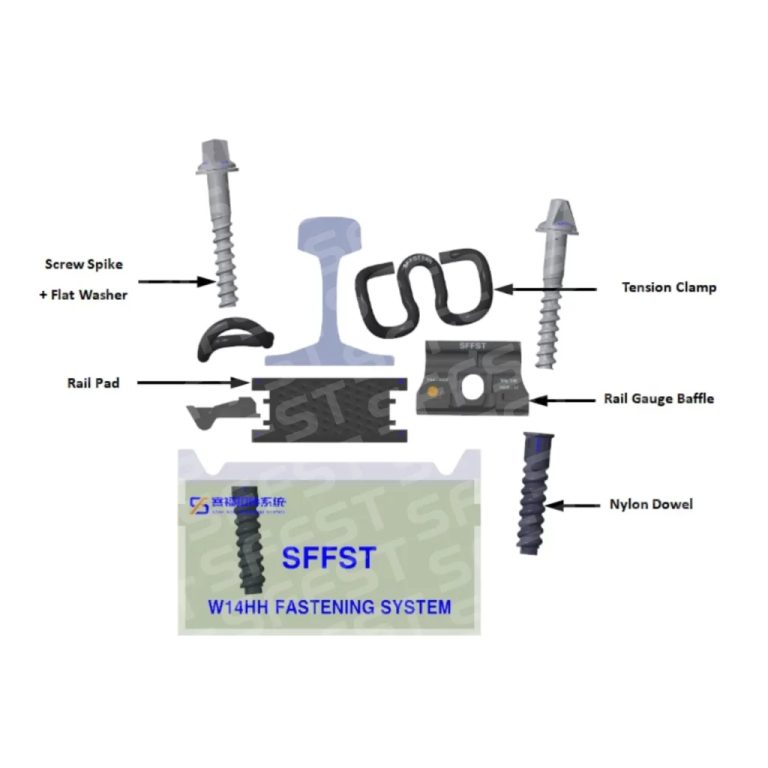
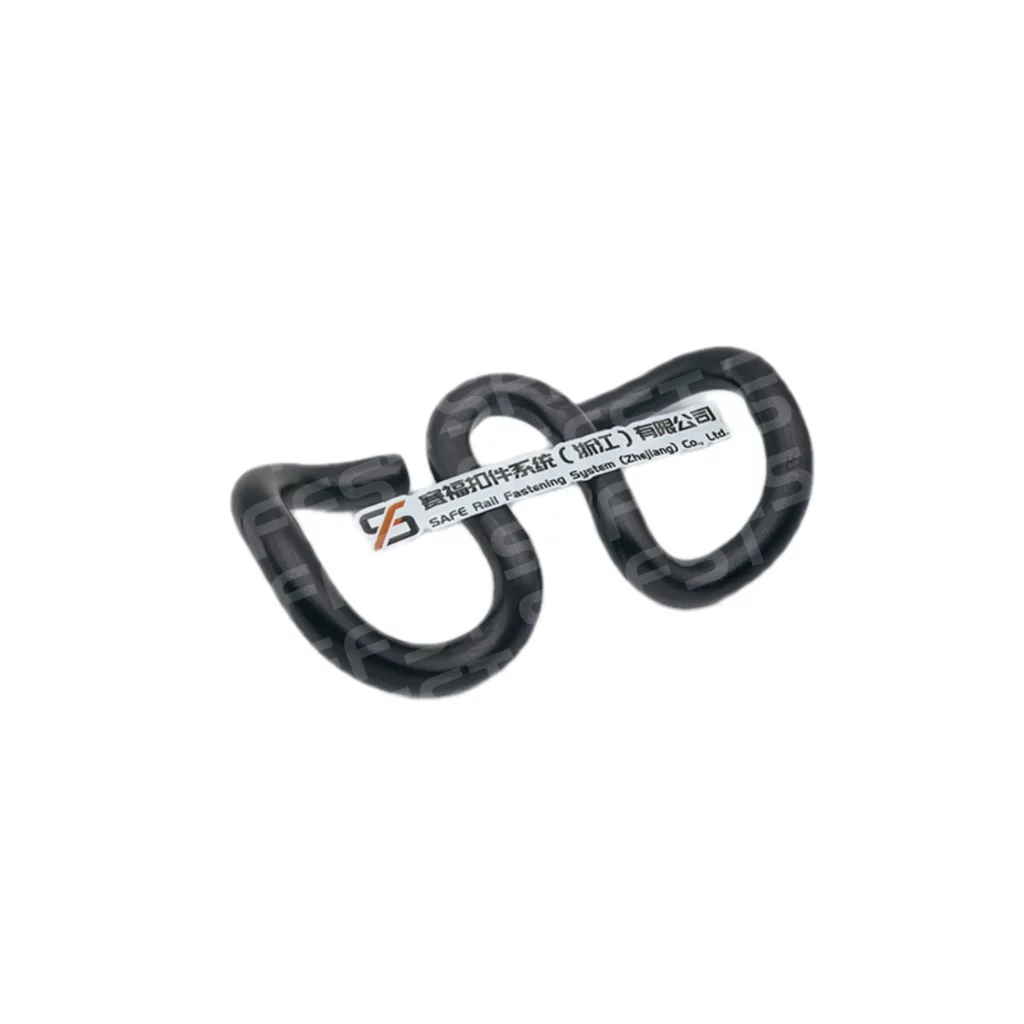
In some fastening designs, the spring clip provides the elastic clamping force through its own spring action. However, the complete fastening assembly may still include T-bolts, nuts or screw spikes to secure the clip, shoulder or baseplate. Where a mechanical clamp is necessary, a T-bolt and nut or screw spike apply the downward pressure. The baseplate distributes the total load onto the sleeper, while the rail gauge baffle, located against the web, is the lateral restraint against the gauge widening.
The Resilient Non-Metal Parts
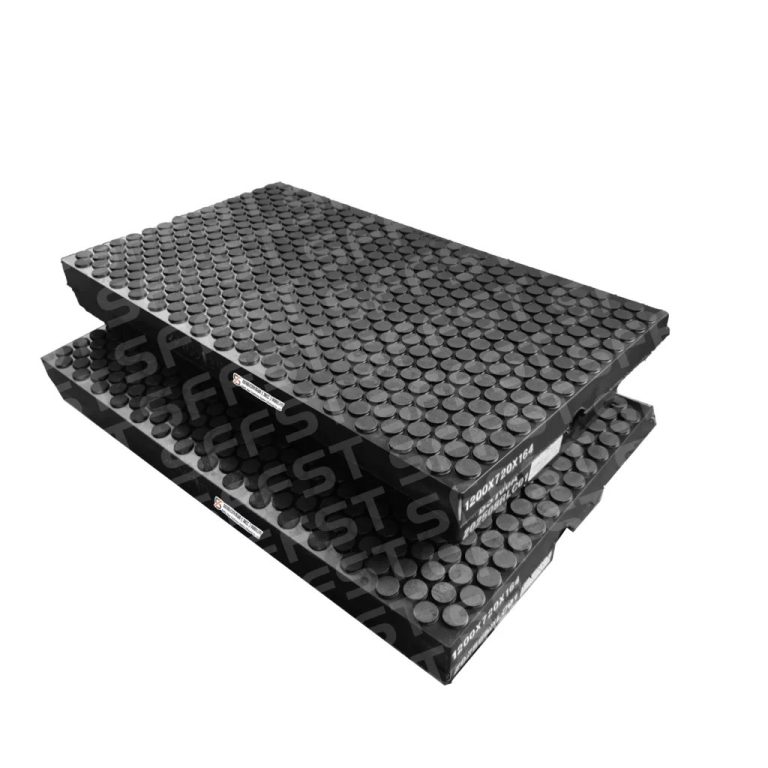
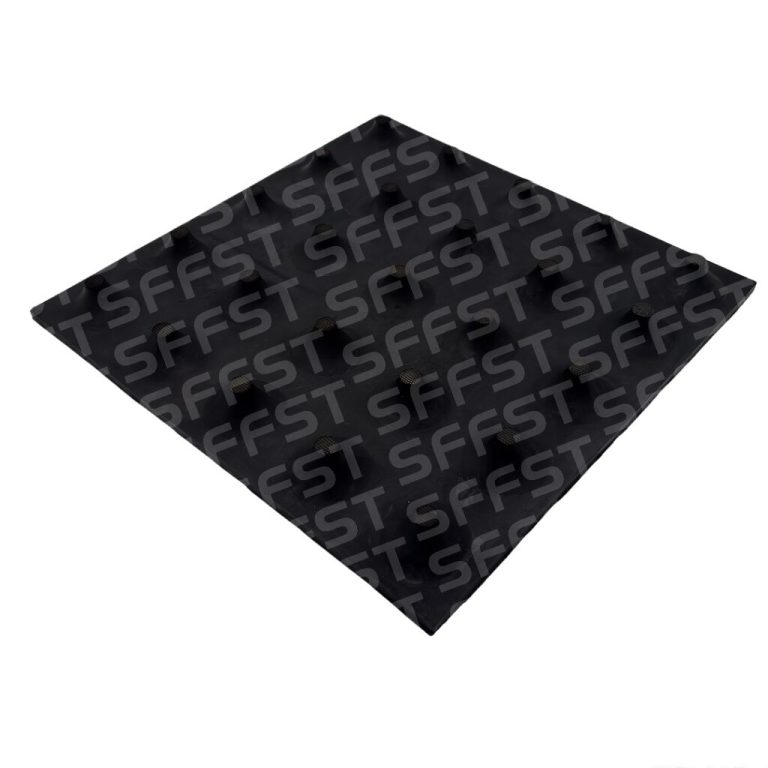
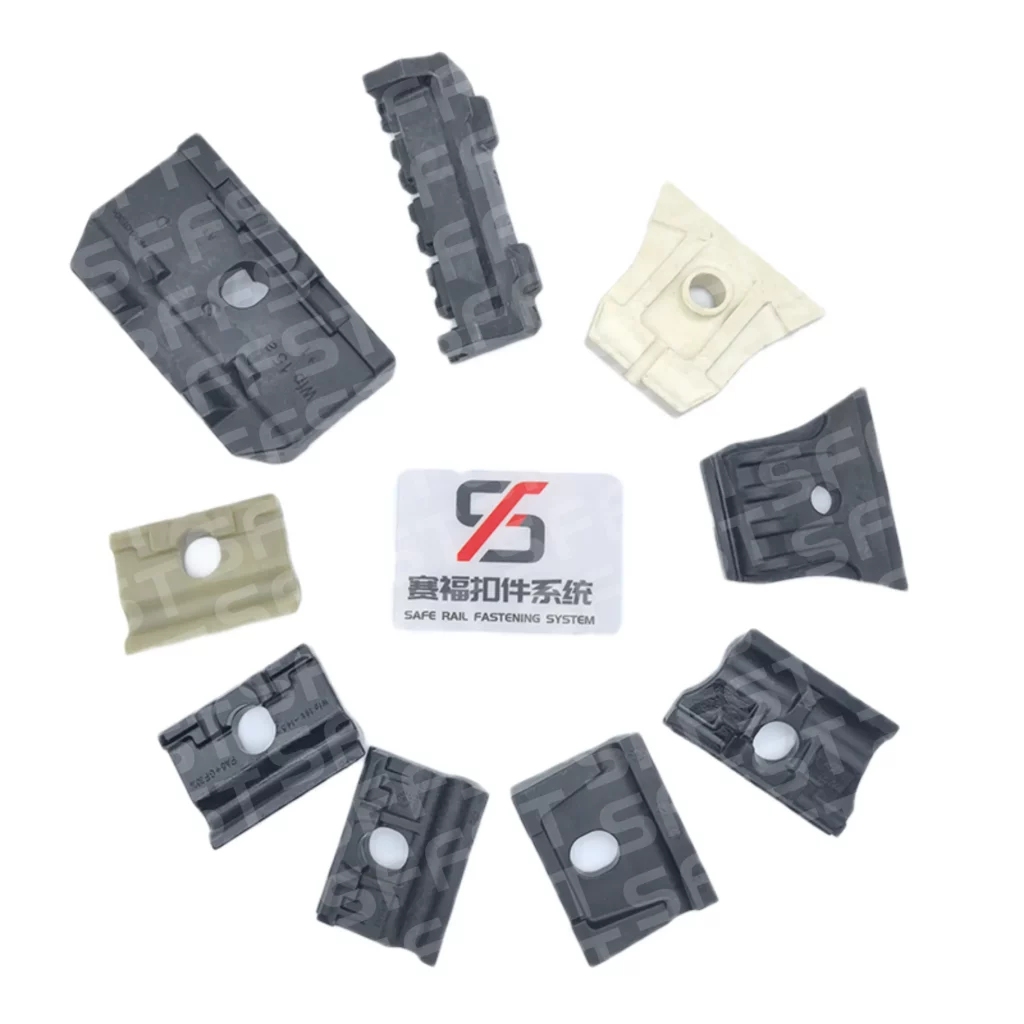
The rubber or polyurethane rail pad or the composite rail pad placed under the rail foot is the main elastic component providing cushioning to the sleeper and setting the stiffness of the fastening system vertically. The base plate pad installed between the base plate and the sleeper provides another elastic element when there is a need for lower support stiffness. The rail gauge insulator and buffer pad provide electrical insulation of the rail in case of insulated systems.
Reading the Core Components
The two families meet at the rail head. The clamp sets the clamping force and the fatigue resistance; the pad and the baseplate set stiffness and damping; the baffle and the insulator set gauge behavior and electrical integrity. Together they form the working components of a rail fastening system.
Tension Clamps and Rail Clips
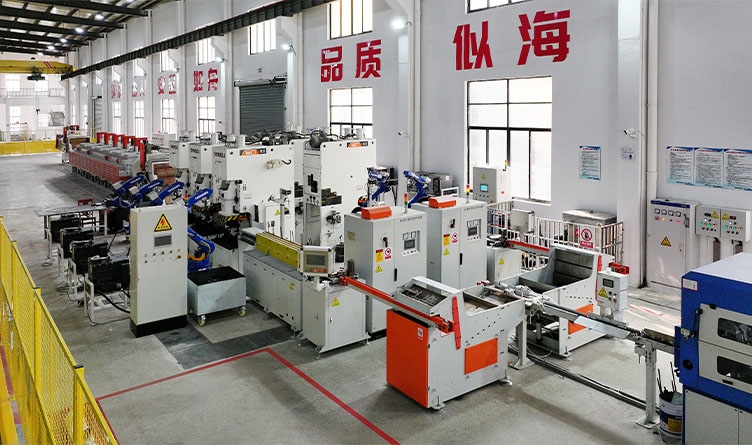
SFFST’s automatic tension clamp line runs the full sequence from cutting, heating, and molding through quenching, tempering, surface treatment, packaging, and warehousing, so the clip’s spring behavior stays consistent piece to piece. The range covers the W clamp as well as e-Clip, Fast-Clip, SKL and Nabla Blade types, and the same components serve the Type I, II, V, VI and VII systems and WJ-2A, WJ-7, WJ-8, WJ-12 and W300.
Baseplates, Fish Plates, and Gauge Baffles
The baseplate is also known as the rail tie plate, which is responsible for transferring the rail loads onto the sleeper. It is made from a certain material based on the fastening system used. The fish plate assumes the responsibility when it comes to the joint area, wherein the joint bar spanning the gap in the rail end transfers the forces using joint bolts and ensures that the running surface is continuous. The rail gauge baffle, along with the insulating component if necessary, locates the web and, in case of insulated fastenings, the electrical path as well.
Matching a System to the Line
Choosing a fastening system is line selection in reverse: the traffic, the rail profile and the sleeper type define the axle load, the speed and the damping the fastening must deliver, and the system family is then chosen to meet them.
Conventional and High-Speed Track
The W14 system is the reference standard-gauge fastening in the SFFST range: a SKL 14 tension clamp, screw spike, rail gauge baffle and Zw687 rail pad, rated for a maximum axle load of 26 t, a minimum curve radius of 150 m up to 250 km/h and 400 m above, a system clamping force of at least 18 kN and a longitudinal restraint of at least 9 kN. The W12 extends the same principle to axle loads from 18 t to 35 t, with a SKL 12 clamp and a clamping force of at least 24 kN.
Heavy-Haul and Metro Track
Heavy-haul lines push the fastening further. The W14HH system holds 35 t axle loads at speeds up to 160 km/h with a clamping force of at least 23 kN, and the WJ-12 serves 30 t and 35 t at speeds up to 120 km/h with a clamping force of at least 20 kN and a gauge adjustment from -12 mm to +8 mm. Metro and urban lines often place greater emphasis on electrical insulation, vibration control and maintenance requirements. The WJ-7 system is an insulated configuration that includes rail gauge insulation, insulation buffer pads and rubber or compound rail pads.
From Component to Complete System
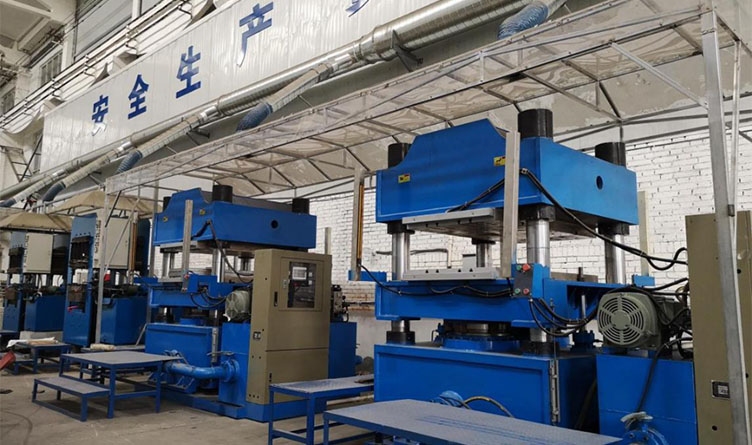
A fastening system is delivered as matched components, so the consistency of the range matters as much as any single part. The production lines cover each material family: the automatic clamp line for metal parts, the polyurethane line for resilient tie pads and rail pads, the rubber line for molded components, and the injection molding line for insulators, baffles and adjustment pads.
Automatic Component Production
Each line runs under mechanized control from raw material to finished part, and the components are staged in an automated 3D warehouse with a capacity of 30,000 tons, supporting inventory control, component matching and complete-system supply. SFFST states that its annual output of rail fastening systems reaches 5 million sets, and it operates under ISO 9001, ISO 14001, and ISO 45001, with CRCC product certification and cooperation with TÜV NORD against EN 13146 and EN 13481.
Testing Before Delivery
In the metal laboratory, there is checking of hardness, metal structure, decarburization zone, residual strain, fatigue resistance, and anti-corrosion properties of the raw material, semifinished products, and finished products; in the non-metal laboratory, there is testing capabilities related to material strength, Shore hardness, aging, fatigue performance and electrical insulation.
Conclusion
A rail fastening system is less a product than a contract between the rail, the sleeper and the traffic on them: the clamps supply the force, the pads the elasticity, the baffles and insulators the order, and the tests prove that the three hold together. Chosen component by component and matched to the line, it does its work quietly for decades; the stability of the track above it is the measure of the work.
Explore the complete rail fastening system range and its component specifications at the SFFST rail fastening systems category page.
FAQ
Q: What are the main components of a rail fastening system?
A: The main components are the tension clamp or rail clip, the T-bolt or spike, the baseplate, the rail pad, the rail gauge baffle and the rail gauge insulator, with fish plates added at joints. The metal parts clamp and locate the rail; the resilient parts damp the load, insulate the rail electrically, and allow gauge and height adjustment at installation.
Q: What does the rail clip do in a fastening system?
A: The rail clip is the primary vertical clamp. Spring-steel clips are formed and heat-treated to provide the specified elastic clamping force. Depending on the fastening design, the assembly may also use bolts, nuts, screw spikes or other anchoring components. Its fatigue and corrosion-related performance can be evaluated using the listed laboratory equipment, while the clip, rail pad, baseplate pad and supporting components jointly determine the fastening system’s stiffness and load-transfer behavior.
Q: Can SFFST supply fastening systems for international projects?
A: Yes. SFFST produces rail fastening systems as OEM and OBM products for conventional, high-speed, heavy-haul and metro lines, with components available to EN 13146 and EN 13481 through cooperation with TÜV NORD and to Chinese TB standards. Specifications are matched to the rail profile, the sleeper, and the traffic the line will carry.