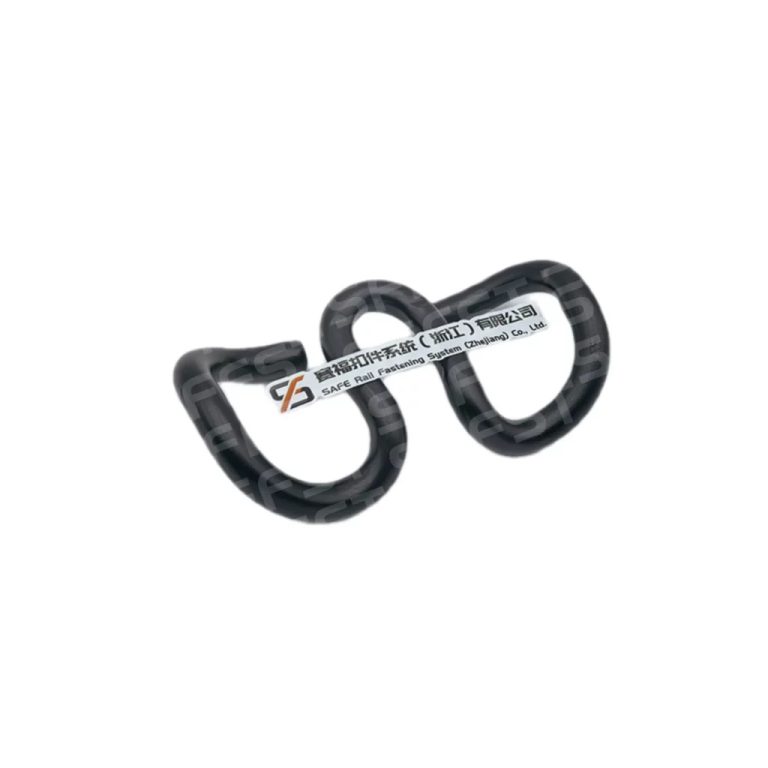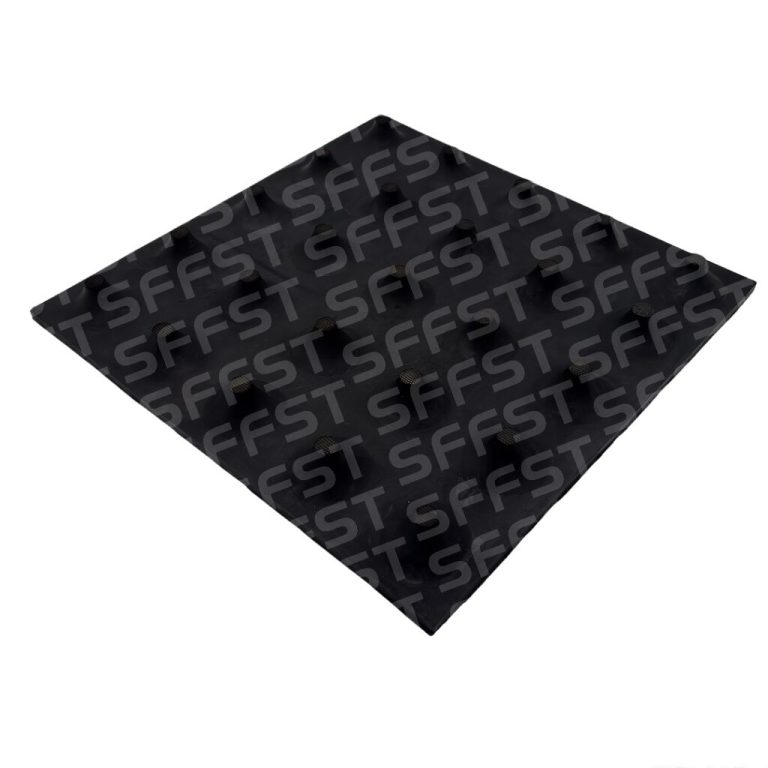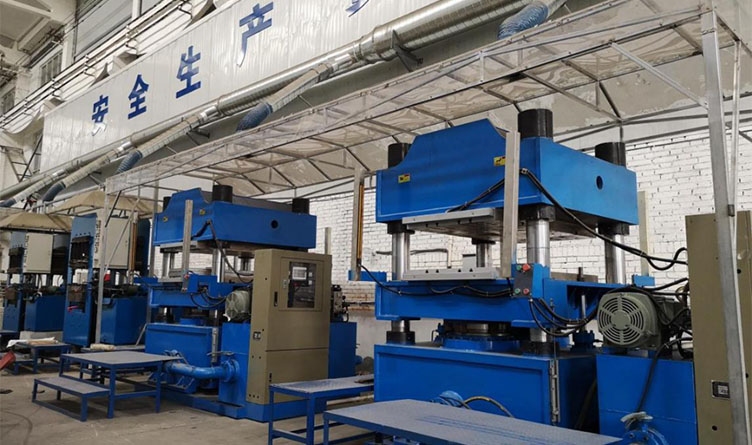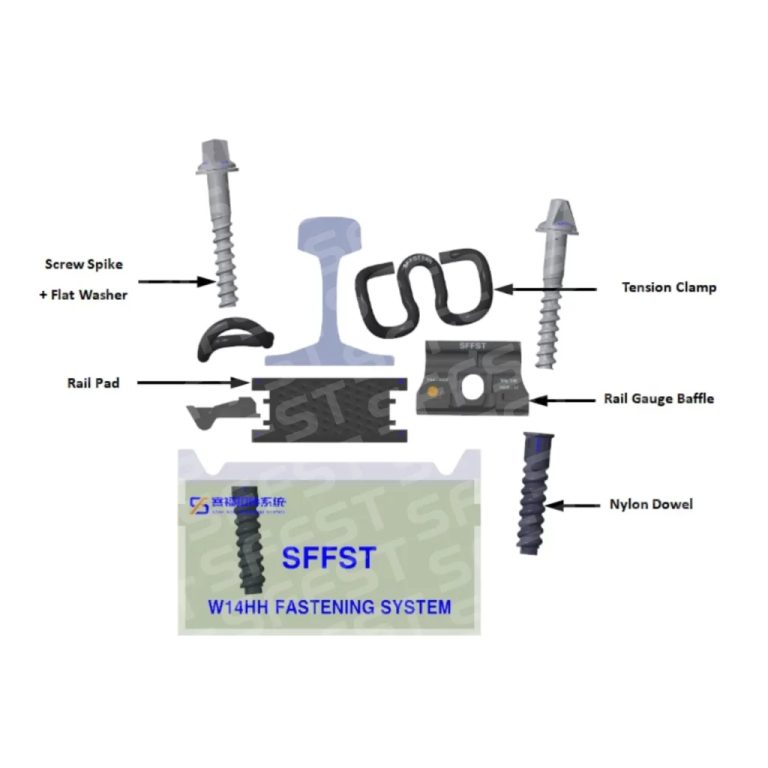
Selecting the right rubber level crossing panels affects road-rail interface performance, vehicle and pedestrian ride quality, maintenance requirements, drainage and lifecycle cost. It also affects how long installation takes and the total cost of upkeep over time. At SFFST, we build rail fastening systems, level crossing systems, and traffic safety and protection products. We know that every crossing is a vital part of a whole rail network, not just a simple surface slab.
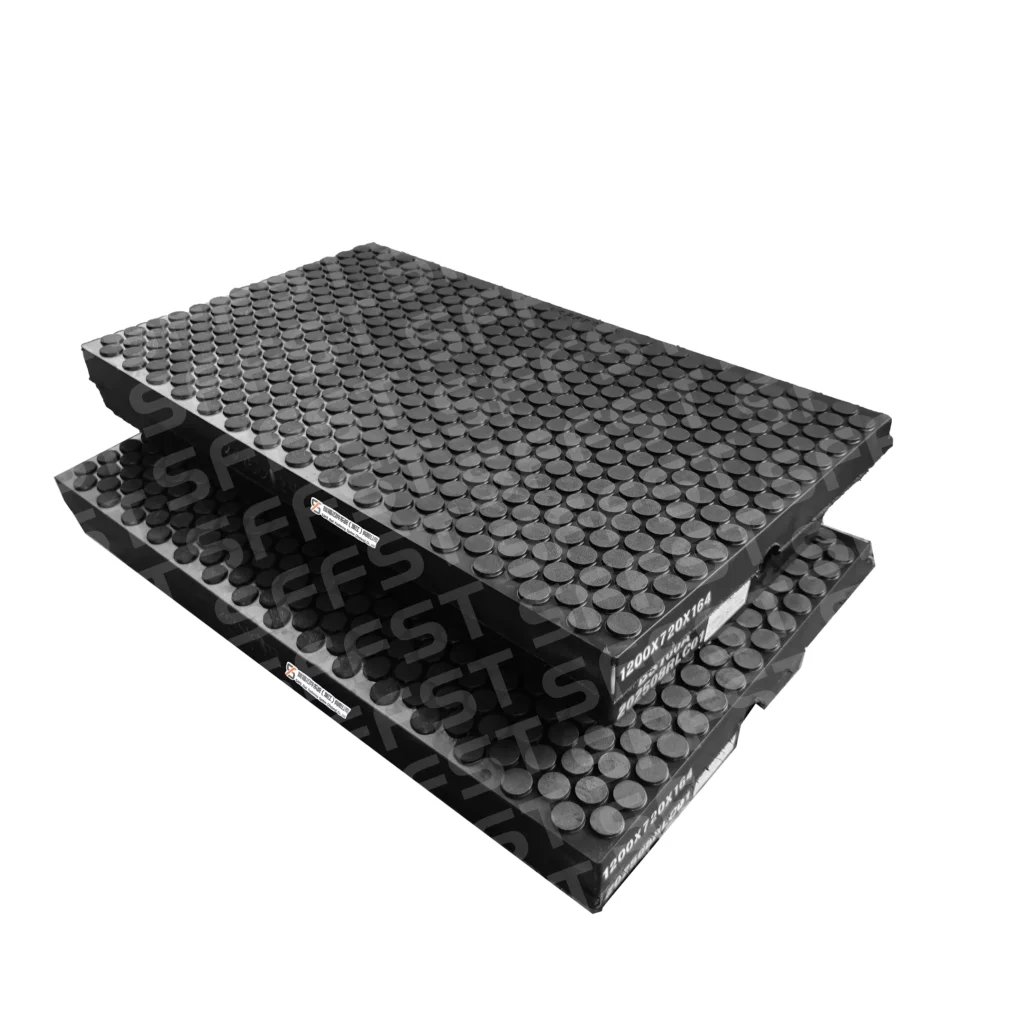
What Are Rubber Panels?
Rubber Level Crossing Panels sit where roads and rails meet. They provide a flat, steady surface for cars, people, and work trucks. Compared with conventional reinforced-concrete crossing surfaces, rubber panels provide a resilient and modular crossing surface that can simplify maintenance and replacement. They make traffic move more easily and are much simpler to facilitate inspection, removal and replacement during maintenance activities.
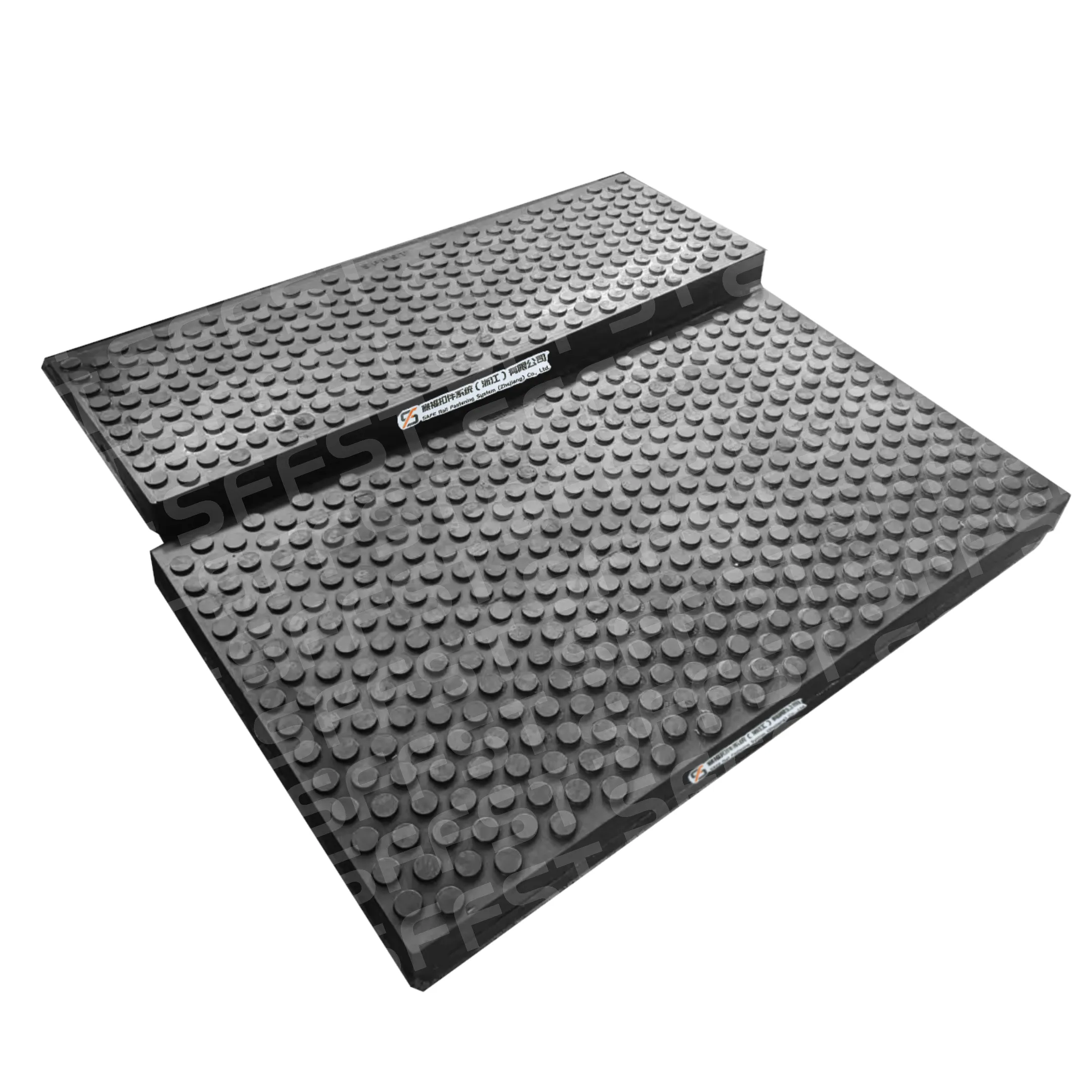
SFFST Rubber Level Crossing Panels use a modern rubber mix. Depending on the design, they include nylon or meridian cords for extra strength. SFFST rubber level crossing panels are available for P43, P50 and P60 rail profiles, subject to the specific crossing configuration. You can use them with both wood and concrete sleepers. Standard sets come in 1.1-meter lengths. We also offer 1.65-meter and 2.2-meter versions to fit different project needs.
Why Choose SFFST Panels?
Strength is the top priority for any crossing. These areas face heavy wheels, train shakes, rain, and hot sun every day. SFFST Rubber Level Crossing Panels are built to carry heavy loads and resist wear. They handle vibration well and do not age quickly, even in tough weather.
Data from SFFST shows products now last through 450,000 test cycles, up from 150,000.
Safety is another big plus. The rubber surface helps cars and walkers cross without bumps. Each panel has a built-in wheel flange groove. The whole setup stays tight against railway spikes and sleepers.
Key Selection Factors
Traffic Load
First of all, it is necessary to consider the users of the crossing point. The panel in the freight yard or a mining location should be more robust compared to the one for the pedestrian path. In case of the heavy trucks, weight and durability, and elasticity of the rubber should be considered. In case of pedestrian paths, ease of installation and levelness should be considered.
Track Gauge
Track gauge is one of the key parameters when selecting a rubber level crossing system. SFFST offers configurations for meter gauge, standard gauge, and broad gauge applications. However, gauge alone is not sufficient for final selection; the rail profile, sleeper arrangement, road width, flangeway clearance, and fastening configuration should also be confirmed.
Rail Type
The rail shape is a major factor. SFFST Rubber Level Crossing Panels fit rails such as P43Kg, P50Kg, and P60Kg. When requesting a quotation, provide the rail profile, track gauge, sleeper type and sleeper spacing, together with the crossing and road-surface dimensions. This helps us find the best fit for your new build or upgrade.
Sleeper Type
The type of sleeper and fastener play an important role in determining how the panels will be supported, fixed, and installed. The SFFST system can be designed for wood and concrete sleepers, depending on the specific product design. In case of any track conditions where special designs need to be made, the track should be illustrated through drawings and photos.
Panel Size
The panel lengths available are 1.1m, 1.65m and 2.2m each set. The length that is most suitable will depend on the type of crossings, the type of rail tracks and installation needs. Use of longer panels may assist in reducing joints for some types of crossings, but the exact design should be verified using the project plans.
Site Environment
A dry yard is different from a wet tropical area or a dusty factory site. You should think about mud, oil, and how much sun the area gets. Drainage should be considered together with the panel layout, pavement interface and track formation. The panel system should be installed so that water, mud and debris do not accumulate around the rail and flangeway.
Choose by Application
Highway Crossings
On main roads, the goal is smooth driving and high grip. SFFST Rubber Level Crossing Panels are designed for road-rail interfaces where a durable and maintainable crossing surface is required. They reduce the chance of cars getting stuck or slipping when crossing the tracks.
Freight Yards
Freight yards can subject crossing surfaces to frequent heavy-vehicle loading, turning movements and repeated impact. The crossing system should therefore be selected according to traffic loading, panel support and flangeway requirements. You need strong edges and a flange groove that is easy to sweep. Using Rubber Flangeway Filler and Rubber Wedge & Rubber Strip with our panels creates a much tougher system for these busy spots.
Urban Rail
City tracks are often near people and stations. Safety and noise control are key. The rubber material can provide electrical insulation properties, subject to the complete track and crossing system design.
Station Areas
For station areas, the appropriate product depends on whether the surface is intended for vehicles or pedestrians. SFFST provides heavy-load rubber level crossing panels as well as dedicated rubber pedestrian walking boards for lower-load pedestrian applications. They make it easy to roll carts and keep the area looking tidy. They are also very easy to wash down.
Industrial Railways
Mines and factories have the hardest jobs. We can adjust our rubber mixes and sizes to meet these heavy demands. SFFST can build custom parts if your project has unique needs.
Why Work With SFFST?
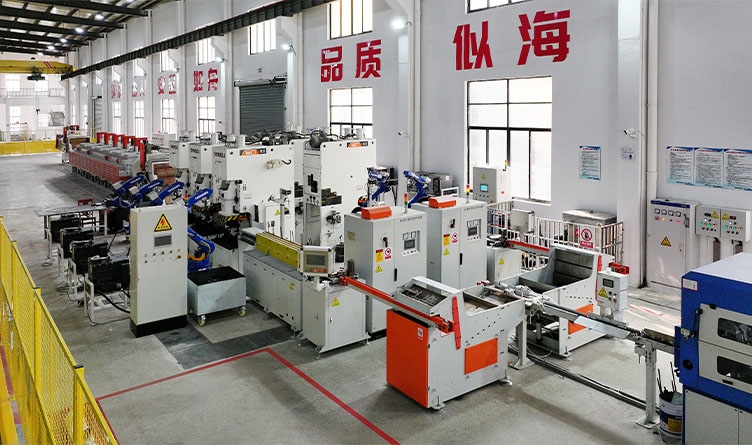
SFFST brings years of factory and field experience. Based in Zhejiang, SFFST reports an annual output of 5 million sets of rail fastening systems. We have a massive 30,000-ton warehouse and follow ISO quality rules. Our labs test everything from rubber hardness to how well the parts handle long-term stress.
We have proven our skills in the real world. For example, in Ayutthaya, Thailand, SFFST installed full crossing systems at nine different spots. This helped the local trains and cars move safely together.
Conclusion
Choosing the right panels means looking at the whole picture. You must consider the weight of the trucks, the rail size, and the local weather. By using SFFST Rubber Level Crossing Panels along with our Rubber Flangeway Filler and Rubber Wedge & Rubber Strip, you get a crossing that is safe, quiet, and built to last.
Contact SFFST today to find the best rubber level crossing solution for your project.
FAQ
Q: How do rubber level crossing panels compare with concrete crossings?
A: Rubber and concrete crossing systems have different performance characteristics. Rubber panels can provide a resilient, modular crossing surface and can simplify removal and replacement during maintenance. The appropriate solution depends on traffic loading, track configuration, installation requirements and lifecycle considerations.
Q: What sizes are available for rubber level crossing panels?
A: SFFST standard rubber level crossing panels are available in 1.1 m, 1.65 m, and 2.2 m lengths, depending on the crossing configuration. Custom sizes can also be manufactured according to project drawings and requirements.
Q: Can rubber level crossing panels be customized?
A: Yes. SFFST can manufacture customized rubber level crossing components according to project drawings, rail profiles, track gauge, sleeper type, dimensions, and installation requirements. For non-standard projects, providing track drawings or site photographs helps confirm the appropriate configuration.