
Railway track systems operate under continuous dynamic loads, vibration, impact, and environmental exposure. Over time, these conditions can affect fastening interfaces, increase vibration transmission, and accelerate component wear if proper elastic protection is not applied.
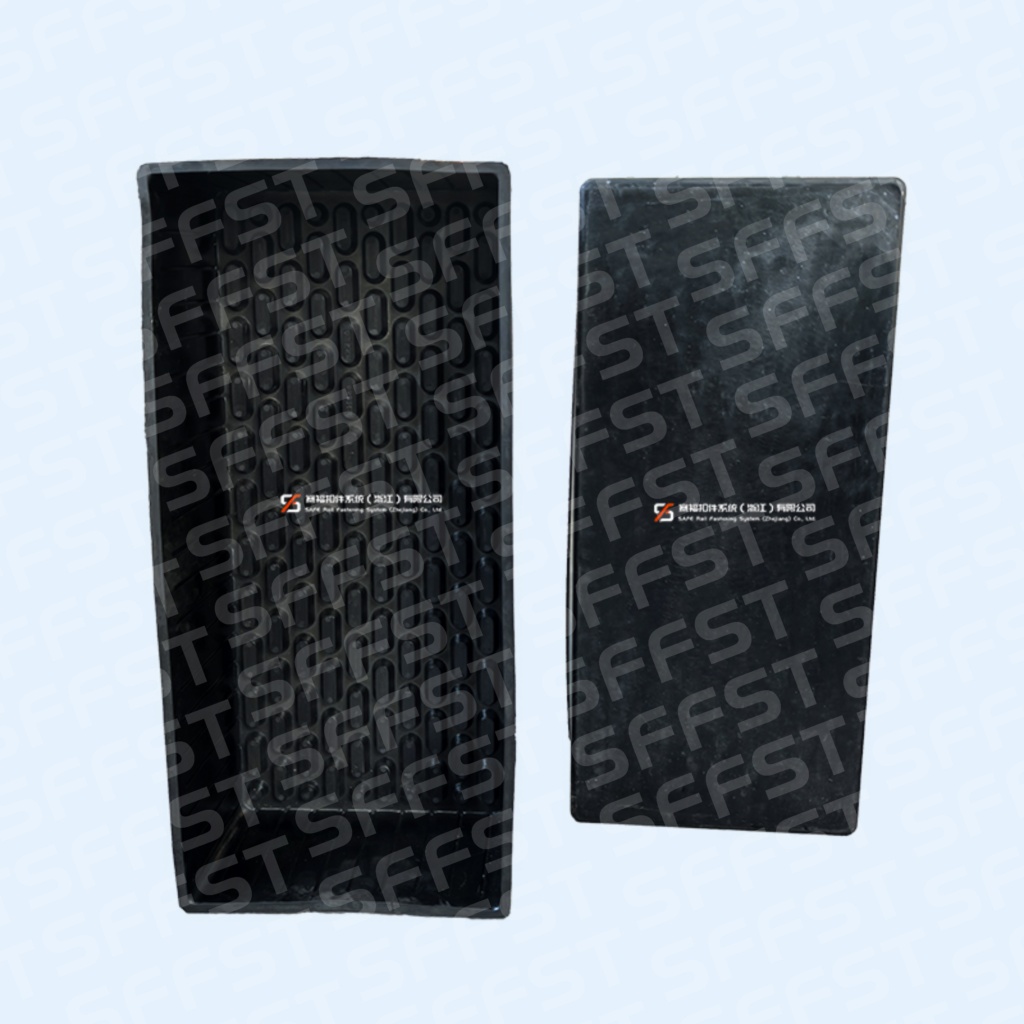
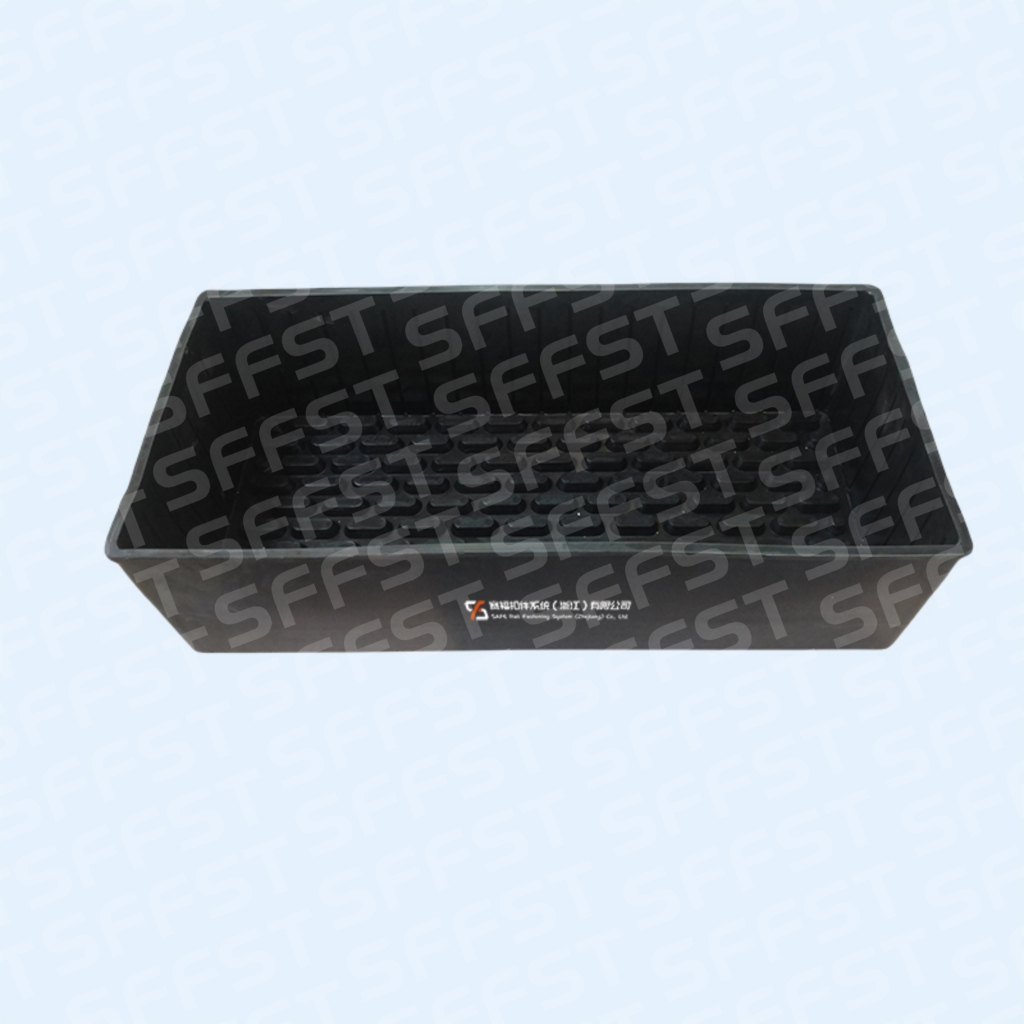
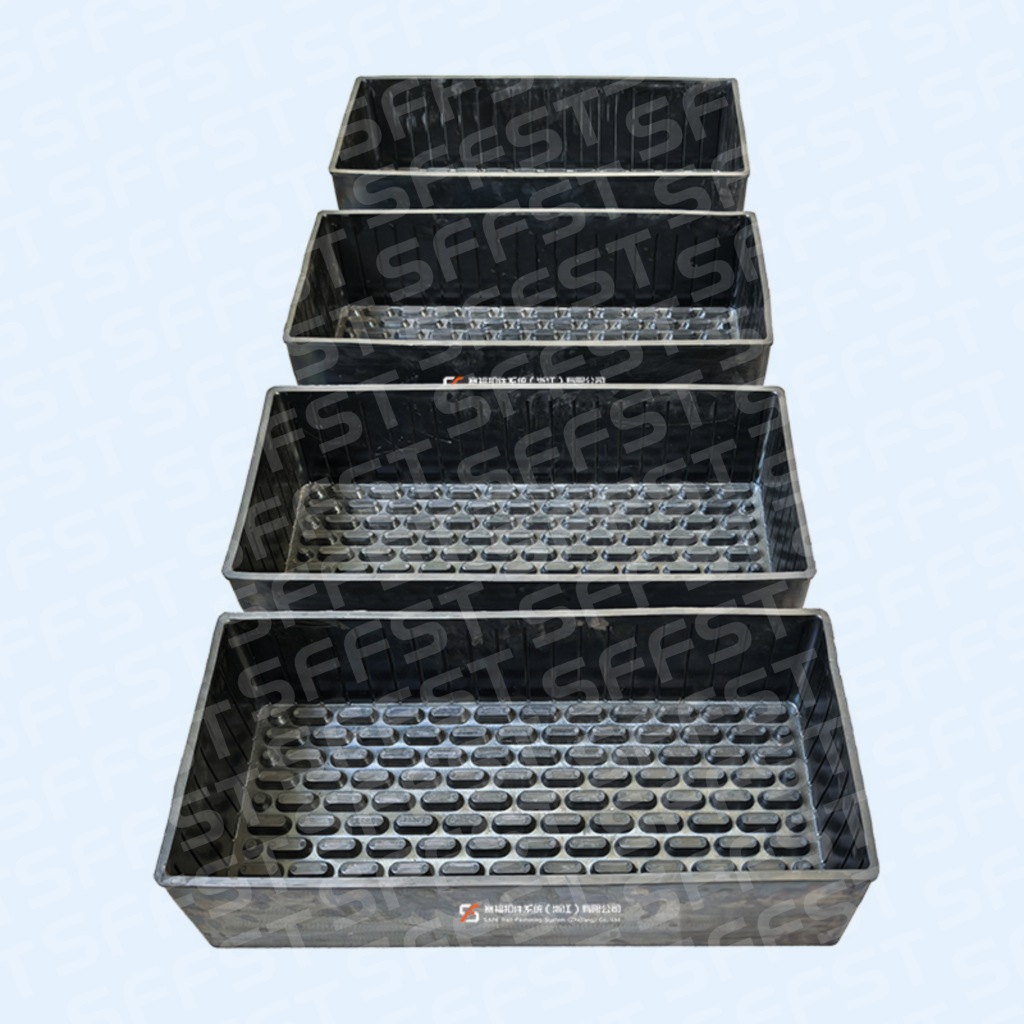
A Railway Rubber Boot is an elastic protection and isolation component used around sleeper-related fastening or track interface areas. Unlike a flat rubber pad, a rubber boot provides a three-dimensional elastic interface around specific sleeper-related fastening areas. SFFST offers customizable rubber boot solutions for railway applications where shock absorption, noise reduction, and stable track support must work together.
Why Sleeper Rubber Boot Matters in Rail Systems
Protection Around the Sleeper Interface
The sleeper interface is exposed to repeated vibration, compression, moisture, dust, and mechanical contact. A Sleeper Rubber Boot helps create a protective elastic interface around this area so the sleeper and surrounding track components are not left fully exposed to direct impact. This role is different from general cushioning because the boot also supports positioning and containment.
Isolation for Vibration and Noise Control
Rail vibration moves through several layers, including the rail seat, fastening system, sleeper, slab or ballast bed, and surrounding structure. A rubber boot contributes by adding elastic separation at the sleeper-related interface. It can reduce harsh contact and help limit the transmission path that often contributes to structure-borne vibration.
A rubber boot should not be viewed as a universal noise cure. Its value depends on how it is matched with rail pads, baseplate pads, under sleeper pads, fastening parts, and the full track design.
Product Details That Define Performance
Material Options for Railway Rubber Boots
Manufactured from high-grade, weather-resistant rubber compounds, it buffers high-frequency impact force, attenuates structure-borne noise, and maintains a tight geometric seal to prevent water and debris infiltration.
Material choice should follow the operating environment and the functional role of the boot. For example, a vibration-sensitive section may prioritize controlled elasticity, while a harsher exposed location may require better weathering resistance, abrasion resistance or chemical resistance.
Key Functions in Track Operation
A railway rubber boot can support several track functions at the same time. Shock absorption helps soften repeated dynamic loads. Vibration isolation can contribute to railway noise mitigation by reducing structure-borne vibration transmission. Insulation supports electrical separation where required by the fastening or track system.
Protection and fixation are also important. The boot can help shield the sleeper-related interface and keep the rubber boundary working in the intended position. Support performance matters because railway rubber components must remain useful under repeated compression, not only during initial installation.
Where Railway Rubber Boots Are Applied
Metro, Conventional and Heavy-Haul Rail
Metro lines often need rubber components that help reduce vibration near stations, tunnels, and urban structures. Conventional railways may need durable interface protection and maintainable rubber products for long-term operation. Heavy-haul routes place stronger emphasis on repeated load, compression behavior, and long-term fatigue resistance under repeated dynamic loading conditions.
SFFST railway fastening and rubber product information covers high-speed rail, conventional rail, heavy-haul rail, metro and subway rail applications. A Sleeper Rubber Boot can be considered where the sleeper area needs protection, vibration control, insulation, or environmental adaptation in those broader railway settings.
Track Sections Exposed to Stress and Movement
Rubber boots are commonly considered for applications involving vibration, moisture exposure, mechanical impact and interface protection requirements. These conditions may appear near transition areas, slab track interfaces, stations, curves, or other maintenance-sensitive locations. The product selection should begin with the stress path rather than only the outside dimension.
Engineers should consider sleeper type, track structure, installation space, expected vibration path, drainage, surrounding concrete or ballast condition, and compatibility with adjacent elastic components. If the rubber boot is customized, these details help define shape, material, wall behavior, and support function.
How SFFST Improves Vibration Isolation, Interface Protection and Track Stability
Rubber Product Production Process
SFFST rubber product production information includes automatic batching, automatic mixing, and vulcanization for rubber products. The same production capability can support railway rubber pads, rubber boots, railway rubber crossing plates, and other customized components. Consistent processing is important because rubber product behavior depends on compound preparation and molding quality.
SFFST production lines support process consistency and repeatable manufacturing quality. A rubber boot must keep its intended shape, elasticity, and interface function across the project, not only look correct when new. Stable production helps support predictable installation and more dependable field performance.
OEM and Application Matching
Rubber boots can be produced in international common types and customized according to application requirements. This is important because rail projects may differ in sleeper geometry, embedded space, environmental exposure, and system stiffness. SFFST can align the rubber boot with broader track product needs instead of considering it as an independent replacement component without system compatibility.
Testing Priorities for Rubber Railway Components
Hardness, Aging and Abrasion Testing
For rubber railway components, material tests help confirm whether the product can meet its intended function. Shore hardness testing supports elasticity and firmness evaluation. Abrasion and aging tests help assess how the rubber may respond to repeated contact and environmental exposure.
SFFST laboratory includes non-metal testing equipment. These tools are relevant to rubber boot evaluation because the product must maintain stable mechanical properties, elasticity and dimensional performance during long-term service.
Fatigue, Impact and Insulation Checks
Fatigue and impact behavior are important because railway components face repeated loading rather than a single static force. SFFST laboratory resources include electro-hydraulic servo fatigue testing, longitudinal resistance testing, a Drop Hammer Impact Test System, an MTS Servo-Hydraulic Testing System marked 25T, and a rail clip fatigue testing machine marked 100T.
Conclusion
A Sleeper Rubber Boot adds value by combining protection, shock absorption, vibration control, insulation, fixation, support, and environmental adaptation around the sleeper-related interface. Its performance depends on material choice, shape, installation condition, and compatibility with nearby rail components. SFFST supports this product through customizable rubber materials, rail-focused production processes, and laboratory-backed evaluation.
For railway projects that need enhanced protection for sleeper-related track interfaces and more controlled vibration behavior, choose SFFST rubber boot solutions that match the full track environment. Contact us today to explore more!
FAQ
Q: What is a railway rubber boot used for in rail fastening systems?
A: A railway rubber boot is an elastic isolation component installed around sleeper-related fastening interfaces to provide protection, vibration isolation and environmental resistance. It can also support insulation, fixation, noise reduction, and environmental adaptation, depending on the track structure and the way it is matched with other railway rubber components.
Q: Is a rubber boot the same as an under sleeper pad?
A: No. An under sleeper pad is generally an elastic layer installed below the sleeper, while a rubber boot is shaped to protect, contain, or support the sleeper-related interface. Both can contribute to vibration control, but their geometry, contact area, and installation role are different.
Q: What should engineers check before choosing a railway rubber boot?
A: Engineers should check sleeper geometry, installation space, track structure, vibration path, drainage, environmental exposure, insulation needs, fatigue demand, and compatibility with rail pads, baseplate pads, or other elastic components. These factors help define whether a standard rubber boot or customized SFFST solution is more appropriate.