The global transportation landscape is currently undergoing a paradigm shift, driven by the rapid expansion of high-speed rail (HSR) networks, heavy-haul logistics, and dense urban metro systems. As trains reach higher speeds and carry heavier axle loads, the demands placed on railway infrastructure have escalated to unprecedented levels. This evolution necessitates a move toward a resilient track system that can withstand dynamic forces while minimizing maintenance costs. At SFFST, we have spent over 40 years establishing ourselves as a leading professional manufacturer of rail fastening systems and specialized components, dedicated to delivering “Fastening Excellence”. With a total investment exceeding 50 million RMB and a massive 50,000 m² production base in Zhejiang, we are at the forefront of providing innovative solutions like Under Sleeper Pads to meet the rigorous standards of modern railway track systems. This article explores why Under Sleeper Pads are a cornerstone of sustainable railway track design, ensuring the longevity and efficiency of future railway infrastructure.
Evolution of Modern Railway Infrastructure Trends
High-Speed and Heavy-Haul Performance Demands
The transition toward high-speed rail, such as the Wuhan-Guangzhou High-Speed Railway, has fundamentally changed how we view track design innovation. High-speed operations generate significant dynamic loads that traditional rigid tracks struggle to manage. Similarly, in heavy-haul environments like the Fenghong and Jingshen Railway projects, where we supplied 130,000 sets of fastening systems, the immense pressure on the track bed requires a resilient track system to prevent rapid degradation. Our research at the SFFST International Joint R&D Center focuses on optimizing stress distribution to ensure that components like the WJ-7 Fastening System and WJ-8 Fastening System can handle these extreme conditions.

Urbanization and the Need for Vibration Control
As cities grow, rail tracks are increasingly laid in close proximity to residential and commercial areas, making ground-borne vibration a critical concern. In projects like the Chengdu Metro Line 17 Project, we developed next-generation solutions to address the need for low-vibration railway operation. This is where our Vibration and Noise Mitigation Systems come into play. By integrating components such as Floating Slab Mats and Rubber Boots, we help rail operators mitigate the environmental impact of urban transit. The inclusion of Under Sleeper Pads represents the latest trend in achieving a low-noise track, which is essential for the environmental sustainability of urban rail.
Engineering Functions of Under Sleeper Pads
Optimizing Load Distribution and Ballast Protection
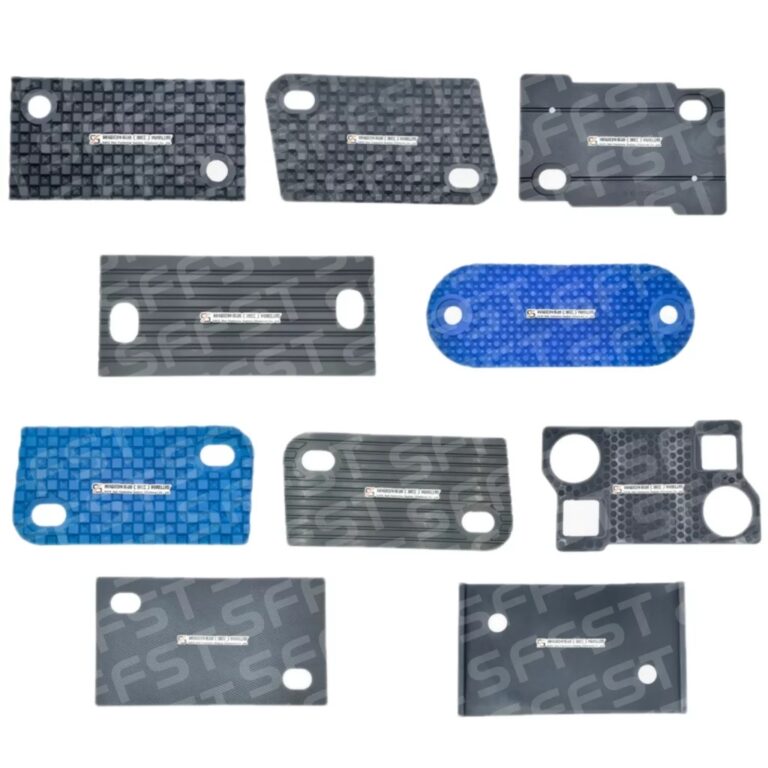
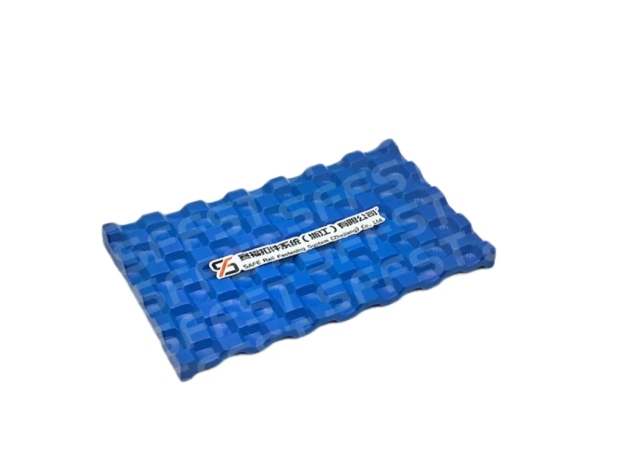
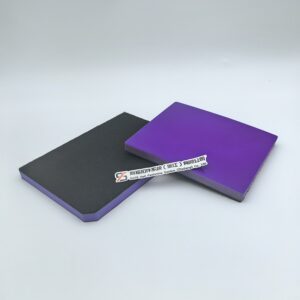
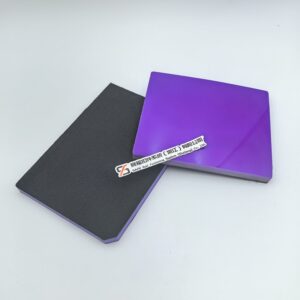
A primary challenge in railway track design is the concentration of stress at the interface between the sleeper and the ballast. Our Under Sleeper Pads, typically made from high-quality polyurethane or composite materials, act as an elastic layer that significantly increases the contact area between the sleeper and the ballast. By redistributing wheel–rail contact loads, our pads protect the ballast from degradation. This is vital because ballast degradation is a leading cause of track geometry issues. Utilizing our automatic polyurethane pouring machine production lines, we ensure that every pad has the precise stiffness and thickness required for optimal performance.
Vibration Attenuation and Dynamic Load Reduction
When a train passes, the pads damp vibrations that would otherwise be transmitted through the ground. This function is especially critical for modern railway track systems that utilize the W300 Fastening System or W14 Fastening System, where consistent elasticity is required across the entire structure. Our laboratory at SFFST uses an Electro-Hydraulic Servo Fatigue Testing Machine to simulate millions of load cycles, ensuring that our pads maintain their vibration-damping properties throughout their designed service life. This level of precision is why our Under Sleeper Pads are increasingly specified in modern railway engineering specifications and adopted in new railway construction projects.
Improving Track Durability and Whole-Life Performance
Extending Infrastructure Lifespan with Elastic Layers
Sustainability in rail engineering is often defined by the longevity of the infrastructure. The protective nature of Under Sleeper Pads significantly extends the lifespan of both the sleepers and the underlying ballast. By reducing mechanical stress, we help reduce ballast degradation while lowering impact stresses transferred to concrete sleepers. We manufacture a wide range of complementary components, such as the WJ-12 Fastening System and Type Ⅴ Fastening System, which work in harmony with our pads to create a cohesive, long-lasting track structure. This holistic approach to sustainable railway track design ensures that the initial investment by rail authorities provides value for many years.
Reducing Long-Term Maintenance for Rail Operators
Maintenance, particularly ballast tamping, is one of the highest ongoing costs for rail operators. Because our Under Sleeper Pads stabilize the track bed, they significantly reduce tamping frequency. Through our EPC+M+O (Engineering, Procurement, Construction, Management, and Operation) model, we provide comprehensive support that helps operators realize these savings. We don’t just sell products; we offer one-stop solutions that include expert consultation and on-site worker training. This commitment to reducing the total cost of ownership is a core part of the SFFST philosophy.
Smart Railway Infrastructure and Track Design Innovation
SFFST Leading Future Railway Technology Breakthroughs
Innovation has long been a key focus of SFFST’s product development strategy. We collaborate with institutions like the Shanghai University of Engineering Science at our International Joint R&D Center to push the boundaries of future railway technology. Our focus on smart railway infrastructure involves developing components that can better accommodate predictive maintenance strategies. For instance, our specialized Non-metal Lab conducts rigorous testing on Resilient Tie Pads and Elastic Pads to ensure they meet international standards like EN 13481. This dedication to R&D ensures that our Under Sleeper Pads are not just elastic layers, but high-tech components engineered for the digital age of rail.
Integration of Resilient Track System Solutions
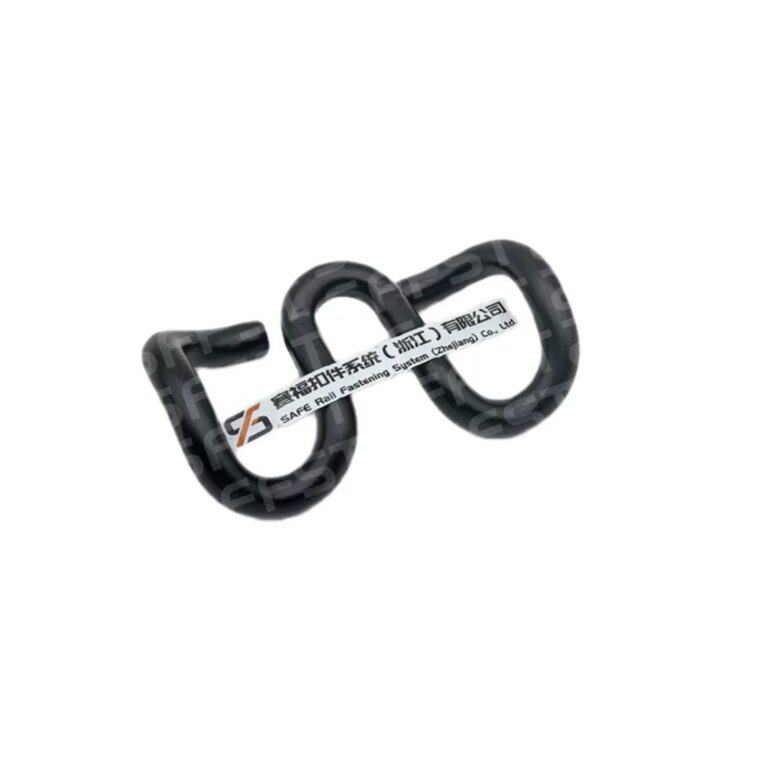
The effectiveness of a resilient track system depends on the synergy of all its parts. Our Under Sleeper Pads are designed to integrate seamlessly with our diverse portfolio, including SKL Tension Clamps, E Rail Clips, and Nabla Blade fasteners. Whether it is for the Morocco Kenitra-Marrakech High-Speed Railway Project or the Chile Alameda-Melipilla Railway Project, where we supplied SKL 12 Tension Clamps, we ensure that every component is optimized for the specific environmental and operational conditions of the site. Our automated production lines, including our Automatic rail clip production lines, guarantee that the metal and non-metal parts work together with zero-defect precision.
Conclusion
As the rail industry moves toward a future defined by high speeds, heavy loads, and urban integration, the importance of elasticity in track design cannot be overstated. Under Sleeper Pads have evolved from an optional accessory to an essential component for any resilient track system. SFFST continues to support railway infrastructure projects worldwide. By choosing our Under Sleeper Pads, rail planners and operators are investing in a future that is quieter, more durable, and more sustainable. We remain committed to our vision of “Fastening Excellence, Entire Solution,” continuing to innovate for the railway networks of tomorrow.
Contact SFFST today to discover how our Under Sleeper Pads can enhance the resilience and sustainability of your next rail infrastructure project.
FAQ
Q: What is the main purpose of under sleeper pads?
A: Under Sleeper Pads are elastic layers installed beneath sleepers to provide vibration damping, improve load distribution, and protect the ballast from premature wear and fragmentation, thereby extending the overall track lifespan.
Q: How do under sleeper pads improve track performance?
A: By spreading the forces exerted by passing trains more evenly, Under Sleeper Pads reduce stress concentrations on the ballast. This leads to a more stable, resilient track system, lower operational noise, and significantly reduced maintenance requirements like tamping.
Q: Do under sleeper pads reduce maintenance costs?
A: Yes, they are a key part of sustainable railway track design. By protecting the ballast and sleepers from dynamic impact, they decrease the frequency of necessary repairs and tamping, leading to lower long-term operational costs for the rail operator.
Q: What materials are used for SFFST under sleeper pads?
A: SFFST manufactures Under Sleeper Pads using high-quality polyurethane and specialized composite materials. These can be customized in terms of thickness, stiffness, and color to meet the specific technical requirements of any rail project.