Transportation in the world today is witnessing a rapid development period. As cities get increasingly urbanized, there is a great need for High-Speed Railways and advanced metros. With the growing speed and rate of trains, however, railway engineers have found themselves grappling with a tough problem: managing the dynamic forces and ground vibrations that may affect safety and tranquillity. At SFFST, a professional manufacturer with over 40 years of experience in the rail industry, we have dedicated ourselves to “Fastening Excellence”. Among our most vital innovations is the Floating Slab Mat, a key element within our Vibration and Noise Mitigation Systems. This specialized component plays a critical role in vibration isolation and resilient track support.
Floating Slab Mats in Modern Railway Infrastructure
Defining the Floating Slab Track Concept
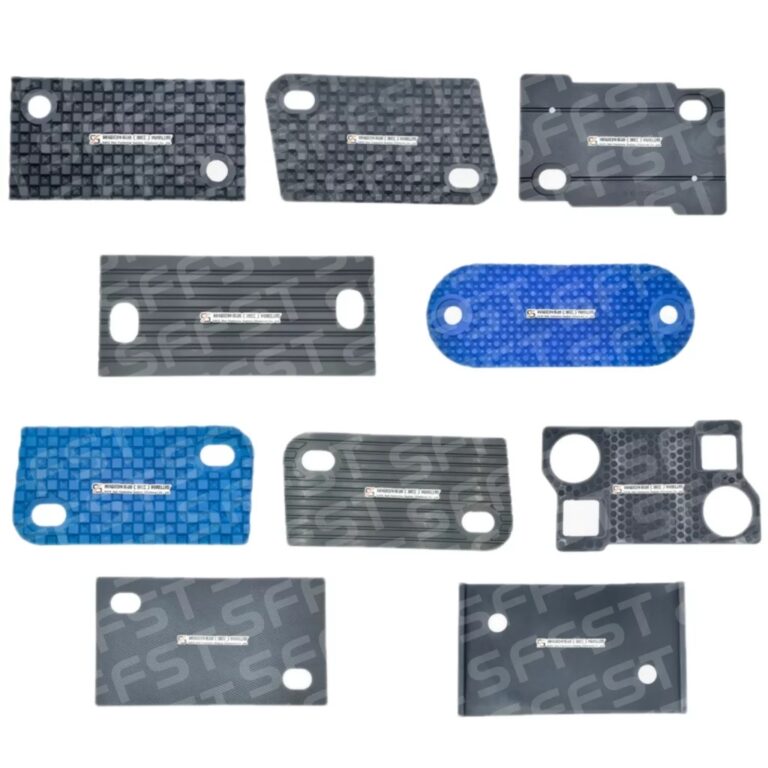
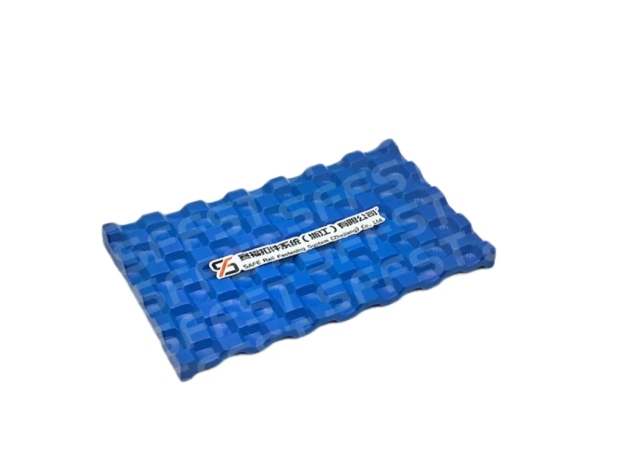
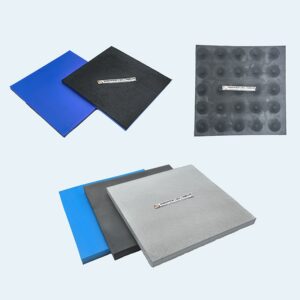
In the sophisticated world of floating slab track design, the objective is to decouple the track structure from the surrounding environment. A Floating Slab Mat is an elastic or resilient component strategically placed to provide cushioning and vibration damping. The slab is elastically supported by resilient mats, allowing controlled vertical deflection under dynamic train loads. At SFFST, we specialize in designing these mats to handle the natural frequencies generated by train–track interaction, ensuring that the energy of a passing train is attenuated within the resilient isolation layer.
Material Properties and Engineering Performance
Quality begins with the material. We manufacture our Floating Slab Mat products using high-performance polyurethane or specialized composite materials. These materials are engineered to provide excellent elastic recovery while maintaining stable static and dynamic stiffness throughout their service life. To ensure consistency across millions of units, we utilize an automatic polyurethane pouring machine production line. This facility integrates automatic and digital CNC technology throughout the entire process—from pouring and mold closing to demolding. This precision ensures that every mat meets the exact stiffness and thickness requirements of the project, whether it is for a heavy-haul line or a high-speed passenger corridor.
Dynamic Load Management in High-Speed Railway Systems
Dynamic Load Attenuation for Track Integrity
Safety in rail transport is directly linked to the structural integrity of the track. When a high-speed train traverses a curve or a bridge, it exerts dynamic wheel–rail loads. Without a resilient railway track system, these forces can cause rapid degradation of the concrete slab or the underlying foundation. Our Floating Slab Mat acts as an elastic support layer, redistributing dynamic wheel–rail loads across the slab support system. This reduction in peak stress helps reduce cyclic stresses that may contribute to concrete fatigue and cracking and ensures long-term Railway Track Stability. By protecting the track’s structural health, we significantly lower the risk of accidents related to track geometry deformation.

Vibration Isolation for Long-term Safety
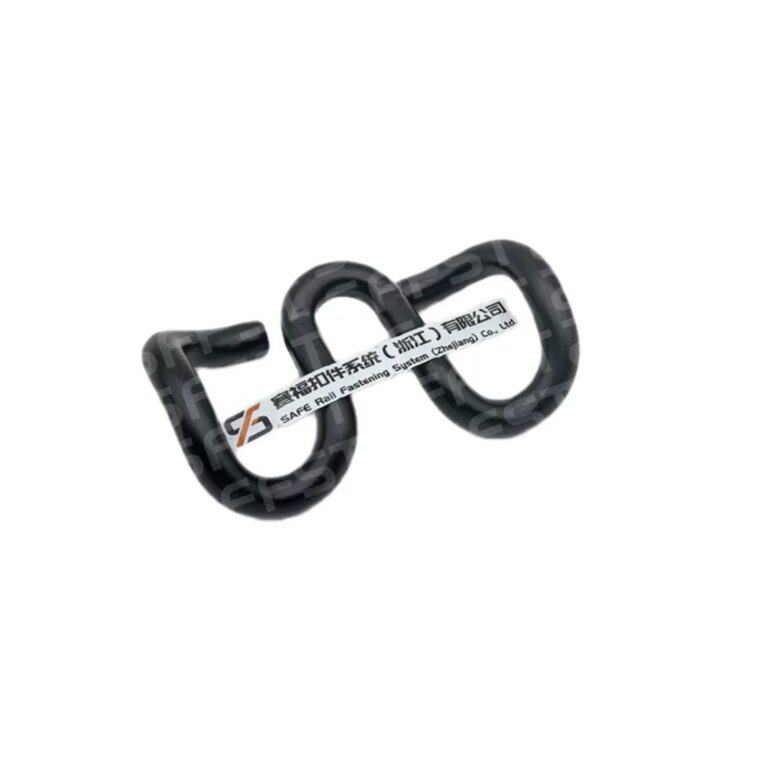
Excessive vibration can affect infrastructure durability, maintenance requirements, and passenger comfort, while indirectly influencing operational safety. By providing superior railway vibration isolation solutions, we protect the entire fastening assembly, including systems like the WJ-7 Fastening System and WJ-8 Fastening System. Our mats reduce the dynamic impact on the Rail Clips and Bolts, reducing fatigue accumulation in fastening components. In our Non-metal Lab, we utilize an Electro-hydraulic servo fatigue testing machine to simulate years of operational stress, ensuring our mats maintain their isolation properties throughout their intended service life.
Advancing Comfort and Environmental Sustainability
Achieving Superior Railway Noise Reduction Systems
One of the most significant environmental impacts of High-Speed Rail is noise pollution. As trains travel at speeds exceeding 300 km/h, the interaction between the wheel and the rail generates both airborne and structure-borne noise. Our Floating Slab Mat is a core component of our railway noise reduction systems. By absorbing the vibration at the source, we prevent the track slab from acting like a giant speaker that radiates noise into the surrounding community. This makes rail a much more viable option for dense urban environments, aligning with global goals for resilient infrastructure and sustainable development.
Proven Success in Urban Metro Systems
The benefits of our technology are best demonstrated in real-world applications. In the Chengdu Metro Line 17 Project, we served as a strategic supplier, developing next-generation solutions to ensure stability and quiet operation in a major western China hub. By implementing a resilient track system that included advanced damping components, we helped create a transit line that offers superior passenger comfort while minimizing the impact on the residents living above the tunnels. This project highlights our ability to tailor floating slab mats for metro systems to meet specific urban acoustic requirements.
Delivering Excellence through SFFST EPC+M+O
Precision Testing for Resilient Infrastructure
At SFFST, “Safety” is more than just a name—it is our commitment. Our products undergo rigorous validation in our advanced laboratories. The Assembly Testing Lab is equipped with an MTS Servo-Hydraulic Testing System (25T) and a Track Fastener Longitudinal Resistance Testing Machine. We test our Floating Slab Mat solutions under extreme conditions to guarantee whole-life performance.
Integrated Fastening Excellence: Entire Solution
We believe that the best results come from an integrated approach. Our EPC+M+O model allows us to support a project from initial design to long-term maintenance. Our engineering team provides expert consultation on floating slab track design, ensuring that our mats work in perfect synergy with our other high-performance products, such as the WJ-12 Fastening System, Type Ⅴ Fastening System, and SKL 12 Tension Clamp. By managing the entire procurement and manufacturing process, we ensure that every component of the resilient slab track systems meets our rigorous quality standards.
Conclusion
As the world continues to move toward faster and more efficient rail travel, the role of advanced materials cannot be overlooked. Floating Slab Mats are essential for bridging the gap between high-performance operation and environmental responsibility. SFFST continues to support railway infrastructure projects worldwide. Our combination of 40 years of manufacturing heritage, cutting-edge R&D, and a comprehensive EPC+M+O service model makes us the ideal partner for the rail projects of tomorrow.
Contact SFFST today to learn how our Floating Slab Mats can elevate the stability and comfort of your next high-speed rail or metro project.
FAQ
Q: What are the main benefits of floating slab mats?
A: Floating Slab Mats provide three primary benefits: cushioning, vibration damping, and noise reduction. They isolate the track from the foundation, which protects the infrastructure from dynamic damage, reduces ground-borne noise in urban areas, and significantly improves passenger comfort.
Q: How does floating slab track design improve safety?
A: By buffering dynamic forces, the design reduces the peak stress on the track slab and foundation. This prevents structural fatigue, cracks, and track geometry issues over time, ensuring that the High-Speed Rail remains stable and safe for high-speed operations.
Q: Can SFFST customize floating slab mats for specific projects?
A: Yes. As an OEM and OBM manufacturer, SFFST can customize the material, thickness, stiffness, and color of our Floating Slab Mat products to meet the specific requirements of any High-Speed Railway or metro project.