
The global expansion of high-speed rail and urban metro networks has transformed the way we move, but it has also brought a significant challenge to the forefront: environmental noise and ground-borne vibration. As cities become more densely populated, the demand for low-noise operation and improved passenger comfort has transitioned from a luxury to a technical mandate. At SFFST, we have dedicated over 40 years to specializing in railway track stability and resilient fastening technologies. As a professional manufacturer specializing in rail transit equipment, we understand that the performance of a rail fastening system relies heavily on its elastic components. Among these, the railway rubber boot plays an important role in reducing vibration transmission and absorbing dynamic loads. In this article, we will share our engineering insights into how a high-quality rubber boot for a rail fastening system serves as an effective solution for vibration mitigation and noise reduction.
The Engineering Role of Railway Rubber Boots
Defining the Specialized Rubber Boot Component
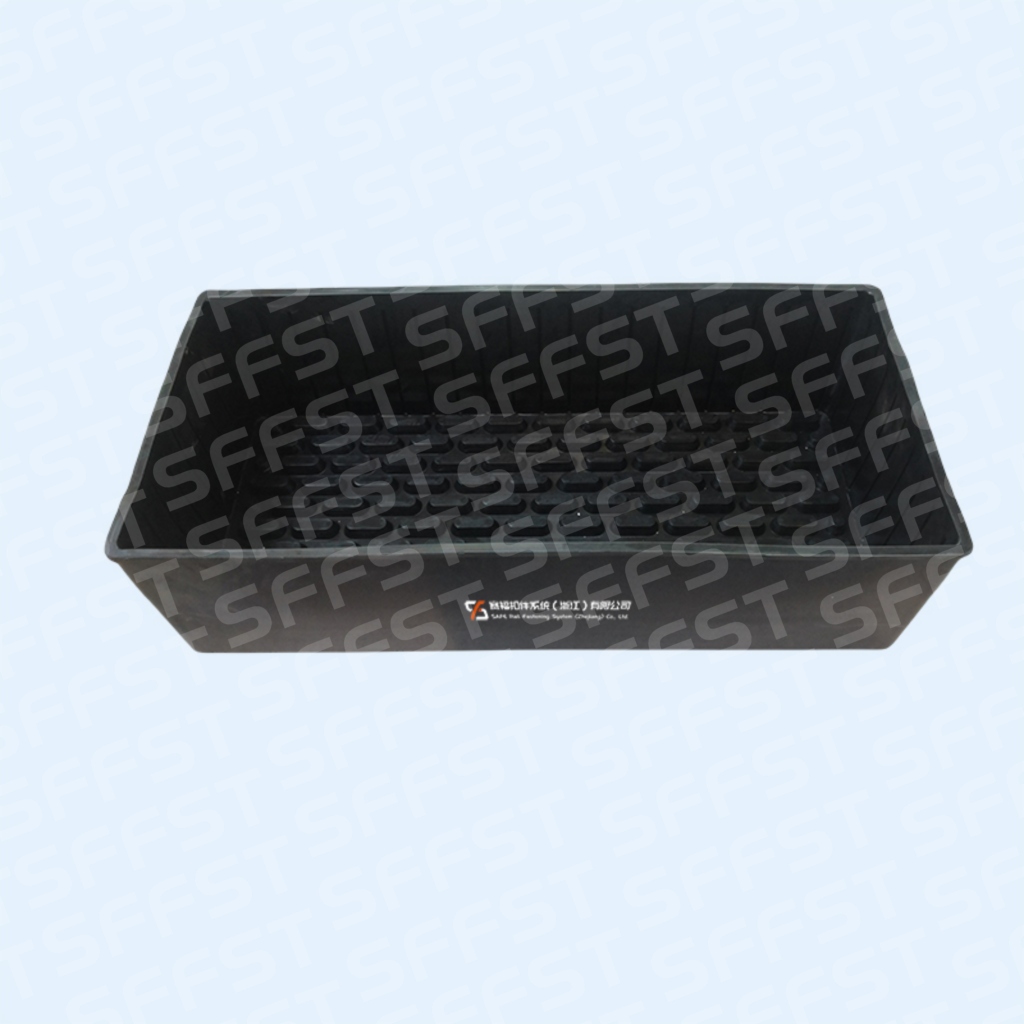
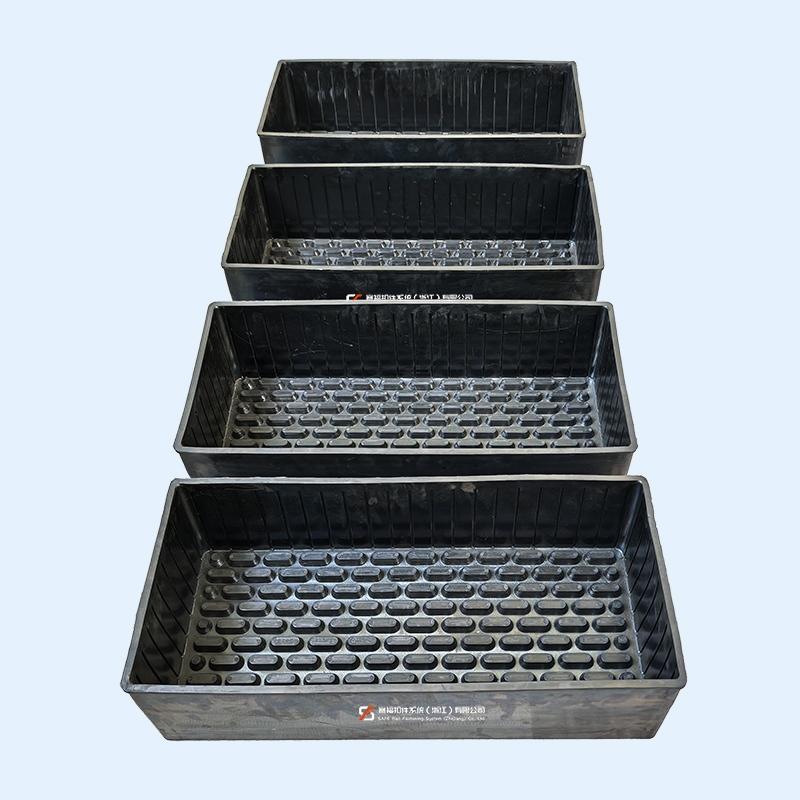
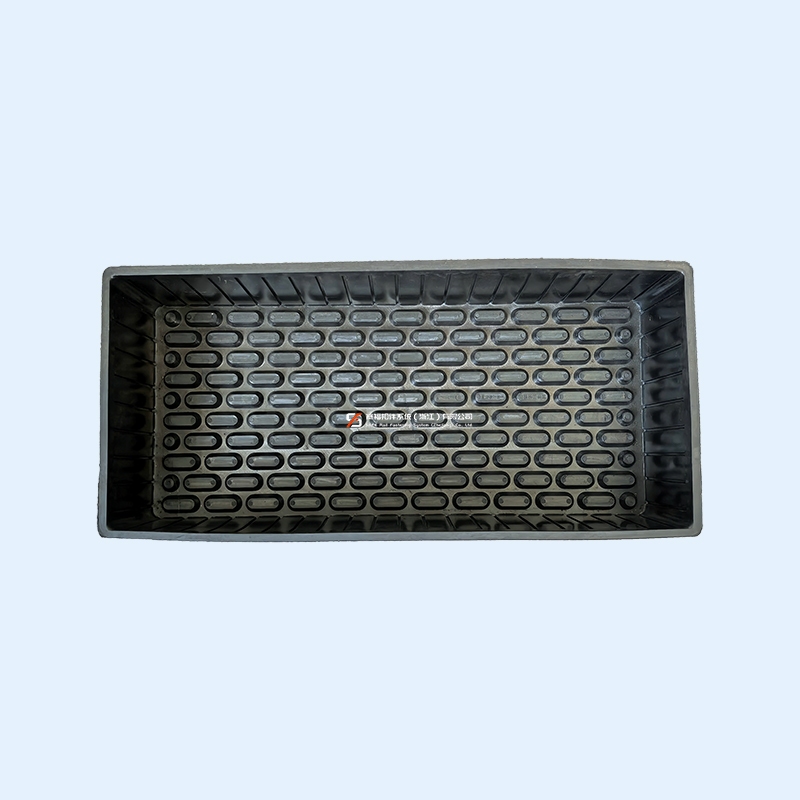
In the context of modern track construction, particularly in ballastless tracks or metro systems, a Rubber Boot is much more than a simple protective sleeve. It is a highly engineered elastic component designed to surround and protect concrete sleepers or track support components, creating a resilient interface between the sleeper/block and the track support structure. At SFFST, we categorize the Rubber Boot as a vital part of our Non-metal Parts portfolio, often used together with other resilient track components, such as elastic pads and vibration-damping fastening elements.
The primary engineering objective of this component is to provide elastic support and vibration attenuation. When a train passes, the wheel-rail interaction generates significant dynamic forces. Without a resilient buffer, this energy is transmitted directly into the track bed and the ground, contributing to component fatigue, track degradation, and increased vibration transmission. Our SFFST rubber boots are designed to provide elastic support, lateral restraint, and environmental protection around the sleeper or track component, which is crucial for maintaining the correct rail gauge and track geometry under load.
SFFST Engineering for Resilient Rail Systems
We take a holistic approach to track resilience. A resilient rail fastening system is a multi-layered assembly where every component must work in harmony. By utilizing different stiffness levels in our rubber compounds, we can optimize track stiffness characteristics to achieve targeted vibration attenuation performance.
Our engineering team focuses on the specific load requirements of each project. Whether it is for a heavy-haul line or a high-speed passenger passage, SFFST ensures that the geometry of the boot fits the sleeper or block perfectly, preventing the ingress of water or debris which could compromise the system’s elasticity over time.
Mitigating Dynamic Loads and Noise Pollution
Effective Railway Vibration Mitigation Techniques
The core of railway vibration mitigation lies in energy dissipation. As a train traverses the rails, the Rubber Boot acts as a shock absorber at the source. The materials we use—ranging from high-grade Natural rubber to specialized EPDM and SBR—possess high internal damping properties. This means that a significant portion of the kinetic energy from the wheel-rail impact is converted into low-level heat within the rubber matrix rather than being transmitted as vibration.
In complex urban environments, such as the Chengdu Metro Line 17 Project, where we served as a strategic supplier, the implementation of advanced elastic components is essential. By using our Rubber Boot in “booted” sleeper systems, it can significantly reduce vibration transmission to nearby structures. This performance is vital for protecting sensitive historical buildings and improving the quality of life for residents living near transit corridors.
Achieving Superior Railway Noise Reduction
Noise in railways is often a secondary effect of vibration. Ground-borne noise occurs when vibration transmitted through the ground causes building structures to radiate audible sound. By decoupling the track from its foundation using an SFFST railway rubber boot, we reduce the vibration transmission path.
Furthermore, our boots contribute to the reduction of structural noise within the track system itself. By preventing rigid contact between concrete elements, we reduce impact noise and structure-borne noise generated by dynamic loading. This is particularly effective in ballastless track sections where noise reflection is usually high.
Enhancing Rail Fastening System Durability
Component Protection and System Stability
A rail fastening system is a significant investment, and its durability is directly linked to the protection of its core components. The Rubber Boot serves as a protective interface for the concrete sleeper or block it encloses. By absorbing repeated impact loads generated during train operation, the boot helps reduce the risk of concrete cracking and surface degradation. This significantly extends the maintenance intervals for the entire track structure.
Moreover, the boot helps to maintain the integrity of other railway fastening components. For example, by reducing the overall vibration of the track assembly, we lower the fatigue stress on the Tension Clamp and the Bolts. This creates a more stable environment where components are less likely to loosen or fail prematurely. At SFFST, our vision of “Fastening Excellence, Entire Solution” means we look beyond individual parts to ensure the long-term health of the entire railway infrastructure protection network.
Crucial Electrical Insulation for Metro Tracks
In electrified rail systems, particularly those using DC traction power like metros, electrical insulation is a critical safety and operational requirement. Stray currents can cause severe electrochemical corrosion to underground metal structures and pipes. The SFFST Rubber Boot provides an extra layer of electrical resistance, improving electrical insulation between the rail fastening assembly and surrounding structures.
Our materials, such as EPDM and thermoplastic elastomers (TPE), are selected for their high dielectric strength. When combined with our Rail Gauge Insulator and Height Adjustment Pad, the Rubber Boot ensures that the rail fastening system maintains a high level of electrical impedance, even in damp tunnel environments. This prevents power loss and protects the structural integrity of the surrounding urban infrastructure.
SFFST Manufacturing and Quality Excellence
Advanced Materials and Production Precision
To produce a high-performance railway rubber boot, we rely on our automated rubber products production lines. These lines are equipped with automatic batching and mixing systems to ensure that every batch of rubber compound meets our precise material specifications. Our production process involves high-pressure vulcanization, which ensures that the boot has uniform density and excellent aging resistance.
We offer a wide range of materials to meet diverse environmental needs. For example, in regions with extreme temperature fluctuations, we utilize high-content EPDM compounds that maintain their elasticity and do not become brittle in the cold or soft in the heat. As an OEM & OBM manufacturer, we have the flexibility to customize the dimensions and material properties of our boots to fit any specialized sleeper design or project requirement.
Rigorous Testing at SFFST Non-metal Lab
Quality is the cornerstone of our reputation. Every rubber boot for rail fastening system produced by SFFST must pass through our specialized Non-metal Lab. We utilize advanced equipment, including the Electro-hydraulic servo fatigue testing machine and the Shore hardness tester, to validate the performance of our products.
Conclusion
The integration of high-performance rubber boots into a rail fastening system is a vital strategy for any modern rail project aiming for environmental sustainability and structural longevity. Through effective railway vibration mitigation and railway noise reduction, these components protect both the urban environment and the rail infrastructure itself. At SFFST, we take pride in our role as a professional manufacturer, providing not just products, but “Entire Solutions” that combine 40 years of experience with cutting-edge innovation. From the Fenghong and Jingshen Railway project to high-speed lines across the globe, our commitment to quality ensures that the world’s tracks remain safe, reliable, and environmentally compatible.
Contact SFFST today to discuss your project requirements and experience how our innovative railway rubber boot solutions can enhance your rail fastening system durability.
FAQ
Q: What is the primary function of a railway rubber boot?
A: The primary function of an SFFST railway rubber boot is to provide a resilient interface between the track components (like sleepers or blocks) and the track bed. This results in effective shock absorption, railway vibration mitigation, and noise reduction. Additionally, it provides vital electrical insulation and protects the concrete components from mechanical wear and tear.
Q: Can SFFST customize rubber boots for specific rail projects?
A: Yes. We can develop and manufacture customized rubber boots based on your specific technical drawings or product specifications. We can adjust dimensions, material types (such as EPDM, SBR, or Natural rubber), and stiffness levels to meet your project’s unique vibration control requirements.
Q: How do these components handle extreme weather and aging?
A: Our Rubber Boot products are engineered for maximum railway infrastructure protection. We use high-quality synthetic rubbers and composite materials that undergo rigorous testing in our Non-metal Lab, including aging tests and ozone resistance tests. This ensures that the components maintain their elasticity and structural integrity even when exposed to UV radiation, moisture, and extreme temperature cycles over many years.