
As metropolitan areas expand and urban density increases, the demand for efficient urban rail systems has surged, bringing subway tracks closer to residential and commercial foundations than ever before. This proximity creates a critical engineering challenge: controlling subway vibration, reducing metro noise, and mitigating railway-induced acoustic impacts to maintain urban livability. Traditional ballasted tracks have been widely used in railway infrastructure, while modern metro systems increasingly adopt ballastless track structures where vibration mitigation becomes a critical engineering consideration. At SFFST, we have dedicated over 40 years to perfecting Resilient Track System components. Our high-performance Under Sleeper Pad (USP) has become an effective USP railway solution, acting as an elastic interface that reduces vibration transmission between the track structure and surrounding environment. By distributing loads more effectively and absorbing dynamic energy, SFFST is helping global partners develop resilient track systems for vibration mitigation that balance operational performance with social responsibility.
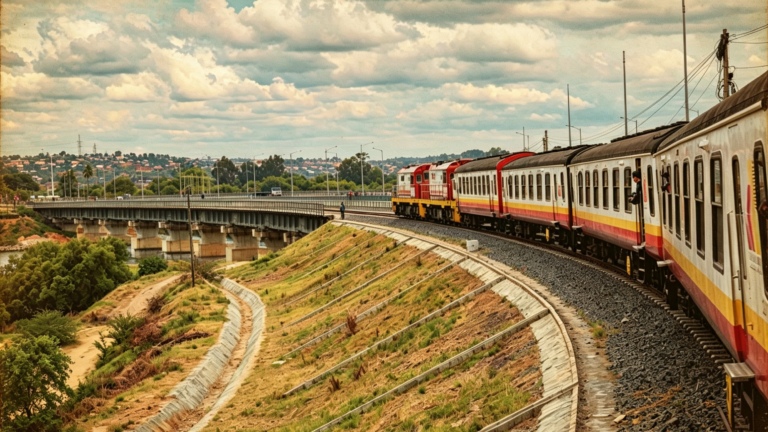
Challenges of Noise in Urban Rail
Mechanics of Track and Ground Vibration
The interaction between train wheels and the rail surface generates significant dynamic forces. These dynamic forces generate track-borne vibration, which propagates through rails, sleepers, and track structures into the surrounding ground. In underground environments, these vibrations can reach the foundations of nearby buildings, potentially causing building vibration and ground-borne noise impacts. We at SFFST recognize that without effective Railway Vibration Isolation Solutions, these vibrations result in ground-borne noise and structure-borne noise perceived by nearby residents.
Environmental Needs for Urban Noise Control
Urban planners now face stricter regulations regarding noise pollution. As a leading manufacturer, we provide Railway Noise Mitigation technologies that address “structure-borne noise”—the audible sound radiated by building surfaces when they are vibrated by passing trains. Implementing an Under Sleeper Pad System is now seen as a necessary step in Urban Infrastructure Noise Reduction, ensuring that transit networks can coexist peacefully with the communities they serve.
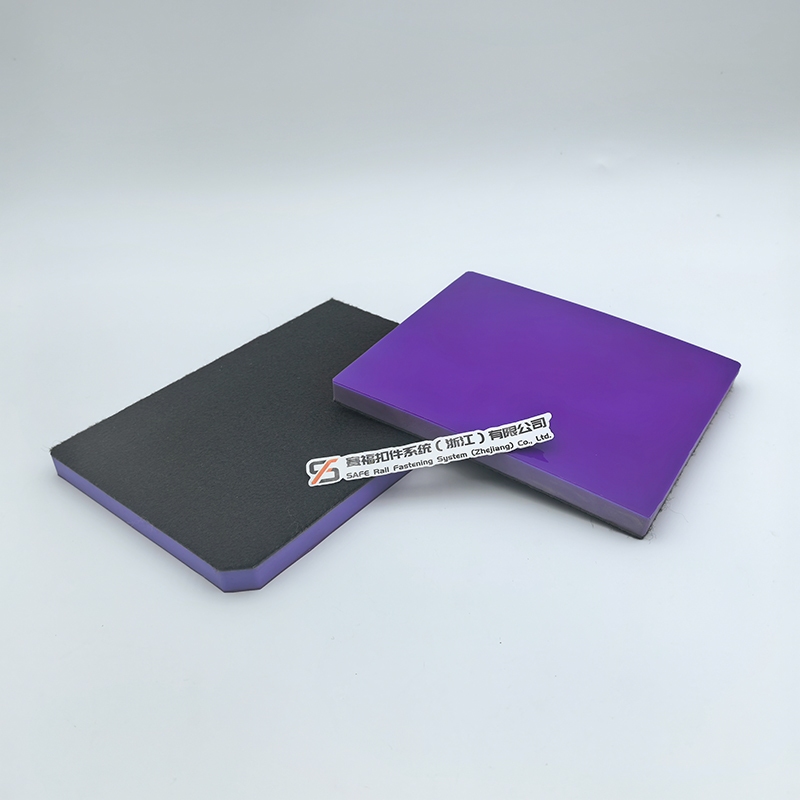
Traditional Ballast vs. USP System Comparison
Limitations of Rigid Ballast Load Distribution
In conventional ballasted track designs with limited resilient components, the contact area between the sleeper and the ballast is relatively small. This leads to extremely high “stress peaks”. Over time, these concentrated forces cause ballast fragmentation, where the stones crush against each other, leading to track settlement and a loss of geometry. This deterioration requires frequent intervention, driving up the costs of Track Maintenance.
Improving Pressure Distribution with Elastic Interfaces
By contrast, installing the SFFST Under Sleeper Pad significantly increases the contact area between the sleeper and the ballast. The pad’s elasticity allows it to conform to the uneven surface of the ballast stones, spreading the wheel-rail forces more evenly. This reduction in stress concentrations protects the ballast from excessive wear and deformation. Laboratory testing and field experience indicate that even distribution is a key factor in creating a resilient track system with improved vibration mitigation performance.
Technical Benefits of SFFST Under Sleeper Pads
Superior Vibration Isolation and Acoustic Performance
Our Under Sleeper Pad is manufactured from high-performance polyurethane elastomer or composite materials. These materials are engineered to have specific elastic properties that absorb dynamic loads and reduce track vibrations at the source. Through energy absorption, our pads contribute to reducing operational noise by limiting vibration transmission.
Mitigating Ballast Fragmentation and Component Wear
One of the most practical benefits of the SFFST Under Sleeper Pad System is its ability to reduce ballast degradation and particle breakage. Because the elastic layer cushions the impact of passing trains, the mechanical stress on the ballast is greatly reduced. This protection extends not only to the ballast but also to the sleepers and the Rail Fastening System components, preventing premature fatigue and deformation.
Stabilizing Track Geometry for Safer Transit
Maintaining track stability is essential for safe and reliable railway operation. Our Under Sleeper Pads for Metro Systems help maintain precise track geometry by slowing down the rate of ballast settlement. This stability is crucial for high-capacity urban lines where even minor geometry defects can lead to speed restrictions or safety risks. We ensure our pads provide consistent performance throughout their service life, enhancing the overall safety of the Railway Infrastructure.
Engineering Economy and Lifecycle Cost Optimization
Extending Maintenance Cycles and Tamping Intervals
From an engineering economy perspective, the value of the SFFST USP Railway Solution is found in reduced maintenance frequency. Traditional tracks often require frequent tamping to correct settlement. However, tracks equipped with our pads stay within tolerance for much longer. By extending tamping intervals, we help rail operators reduce the need for expensive machinery and track possession time.
Significant Reductions in Total Life-Cycle Cost
While the initial investment in a Resilient Track System may be higher, the Life-Cycle Cost (LCC) is significantly lower. By reducing component wear and maintenance labor, the Under Sleeper Pad can provide long-term economic benefits through reduced maintenance requirements. At SFFST, our EPC+M+O approach focuses on this long-term value, helping our clients design systems that minimize total operational expenditure while maximizing track availability.
Manufacturing and Testing Excellence at SFFST
Advanced Automatic Polyurethane Pouring Production Lines
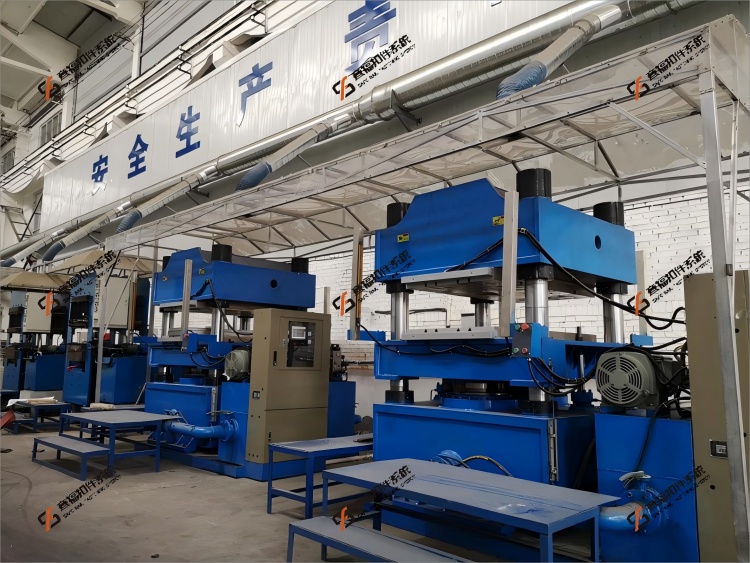
Quality at SFFST is driven by automation. We utilize an automated polyurethane pouring production line that is controlled by digital CNC throughout the entire process. This ensures that every Under Sleeper Pad we produce—from pouring and mold closing to demolding—meets exact material density and dimensional specifications. This automated approach allows us to scale production to meet the needs of large-scale metro projects worldwide.
Rigorous Performance Verification at Labs
We do not compromise on reliability. Our specialized Non-metal Lab is equipped with advanced testing systems like the MTS Servo-Hydraulic Testing System and the Electro-hydraulic servo fatigue testing machine. We conduct vital testing items, including Static Stiffness, Dynamic Stiffness, Fatigue Performance, and thermal aging performance. These tests ensure our products meet international standards such as EN 13146 and EN 13481, as well as domestic TB standards.
Customized Solutions via OEM/ODM Services
We recognize that every urban rail project has unique requirements. Through our OEM/ODM Rail Solutions, we offer full customization for our Under Sleeper Pad. Customers can specify material ratios, pad thickness, and dimensions to meet the specific vibration attenuation needs of their tunnels or elevated structures. Our engineering team works closely with clients to transform design concepts into reality, providing a “one-stop partner” experience.
Conclusion
The shift toward the Under Sleeper Pad System represents a vital evolution in Urban Rail Infrastructure. By integrating SFFST Under Sleeper Pads into modern track designs, rail authorities can achieve dual benefits: enhancing passenger comfort and community quietude while reducing long-term operational costs. Our commitment to “Fastening Excellence, Entire Solution” ensures that every component we manufacture provides the durability and resilience required for the world’s most demanding metro networks. As we have demonstrated in projects like the Chengdu Metro Line 17 Project, SFFST continues to drive innovation, ensuring quieter and more sustainable urban rail systems.
Contact SFFST engineering team for customized under sleeper pad solutions for your metro and railway projects.
FAQ
Q: What are the primary benefits of under sleeper pads in metro systems?
A: The primary benefits of under sleeper pads include effective subway vibration control, significant operational noise reduction, and the protection of the ballast bed. By providing an elastic layer, they distribute wheel-rail forces more evenly, which minimizes ballast fragmentation and extends the overall lifespan of the track structure.
Q: How do under sleeper pads reduce maintenance costs?
A: By reducing the mechanical stress on the ballast and sleepers, the Under Sleeper Pad System significantly slows down track settlement. This leads to longer intervals between maintenance tasks like tamping and ballast cleaning, which lowers the total life-cycle cost of the railway infrastructure.
Q: Can SFFST customize under sleeper pads for specific projects?
A: Yes. As an OEM & OBM manufacturer, SFFST utilizes an automated polyurethane pouring production line to create pads in various materials and dimensions. We offer OEM/ODM Rail Solutions to meet unique functional requirements, including vibration isolation for conventional, high-speed, and metro applications.
Q: What materials are SFFST under sleeper pads made of?
A: Our Under Sleeper Pads for Underground Railways are typically made from high-quality high-performance polyurethane elastomer or composite materials. These materials are chosen for their excellent damping performance, wear resistance, and long-term aging stability.