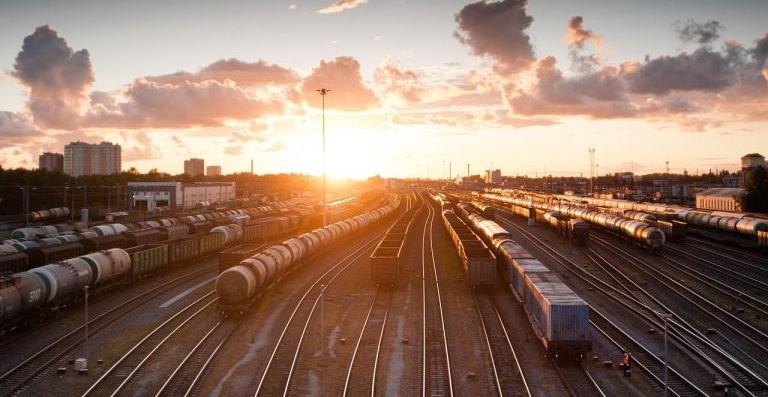
In the busy world of modern railway track system planning, a level crossing acts as a key spot where trains and cars meet. For managers and engineers, picking the right material for these spots is more than just an easy choice. It is a major decision that affects safety, the local environment, and costs over many years. At SFFST, we have spent over 40 years making these transitions better through smart engineering. As a top maker of rail fastening systems and rubber parts, SFFST offers strong railway rubber level crossing options. These are built for the tough needs of freight, passenger, and city rail lines. We mix smart material science with our “Fastening Excellence, Entire Solution” idea. This makes sure every crossing is a smooth, tough, and quiet part of global travel systems.
Challenges in Modern Railway Track System Planning
Managing Heavy Loads and Road Traffic
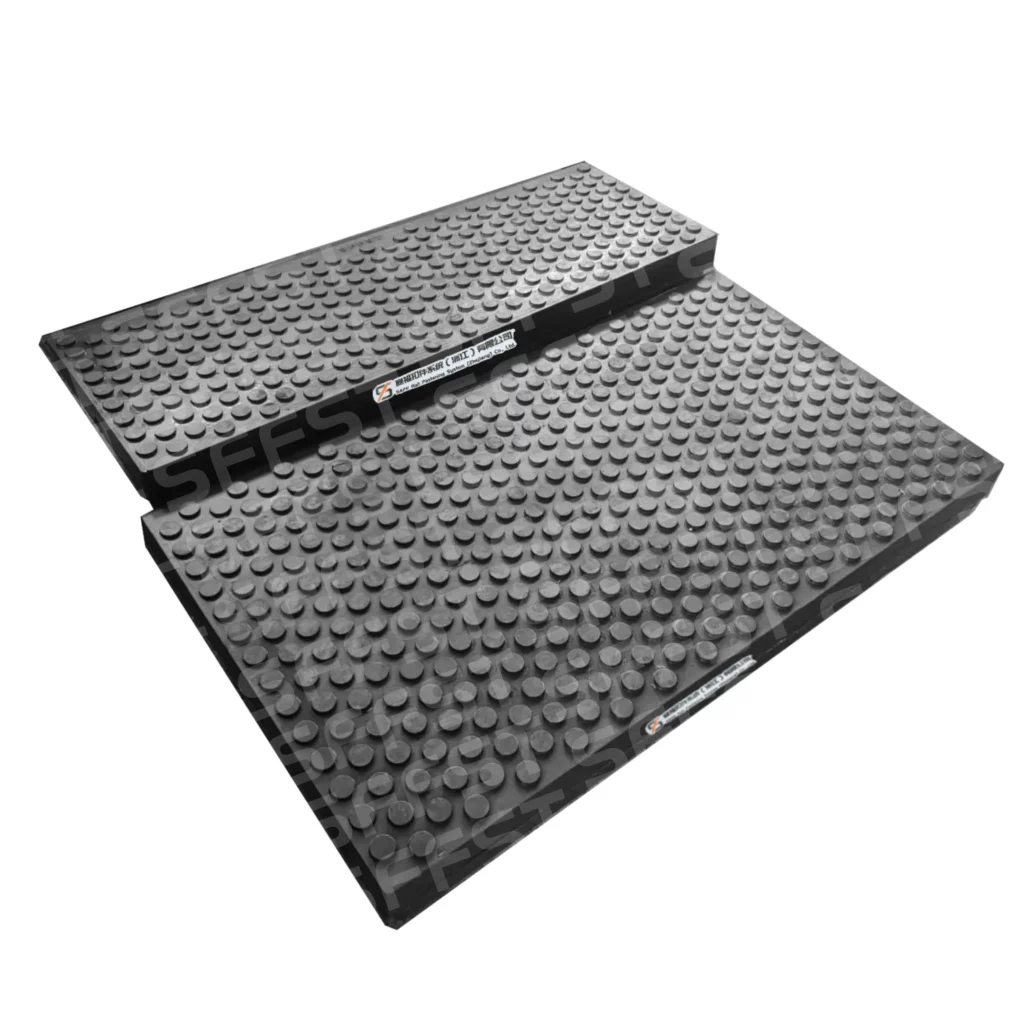
Crossings must hold the weight of big trains and heavy trucks at the same time. Old materials like concrete often crack or turn to mud when they are pressed down many times. At SFFST, we build our railway rubber level crossing to stop these problems. Our design gives a tough surface that spreads out weight. This helps the crossing keep its shape for a long time.
Environmental and Safety Regulations
City rail projects, like metro and light rail, must follow strict rules for noise and shaking. Also, it is very important to keep car traffic safe from the electric signals on the tracks. Choosing a crossing with good vibration isolation and high insulation performance is vital. These features help meet the needs of the law and the local people.
Criteria for Effective Rubber Crossing Selection
Material Quality and Synthesis Technology
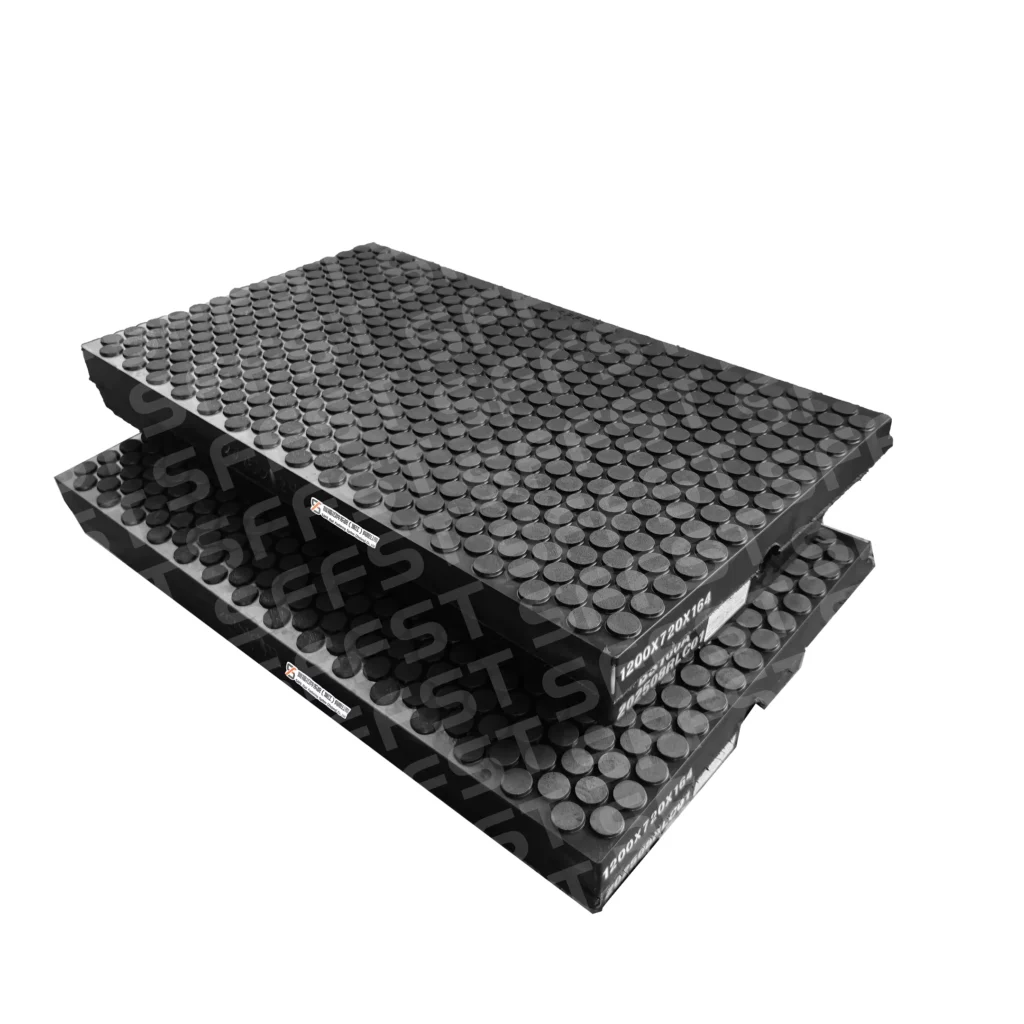
At SFFST, our railway rubber level crossing uses a fresh formula. We add nylon wires or use meridian synthesis to provide improved durability and impact absorption compared with traditional concrete crossings. This method makes sure the rubber stays flexible to soak up hits. However, it is still strong enough not to bend out of shape after many heavy loads.
Performance in Shockproofing and Insulation
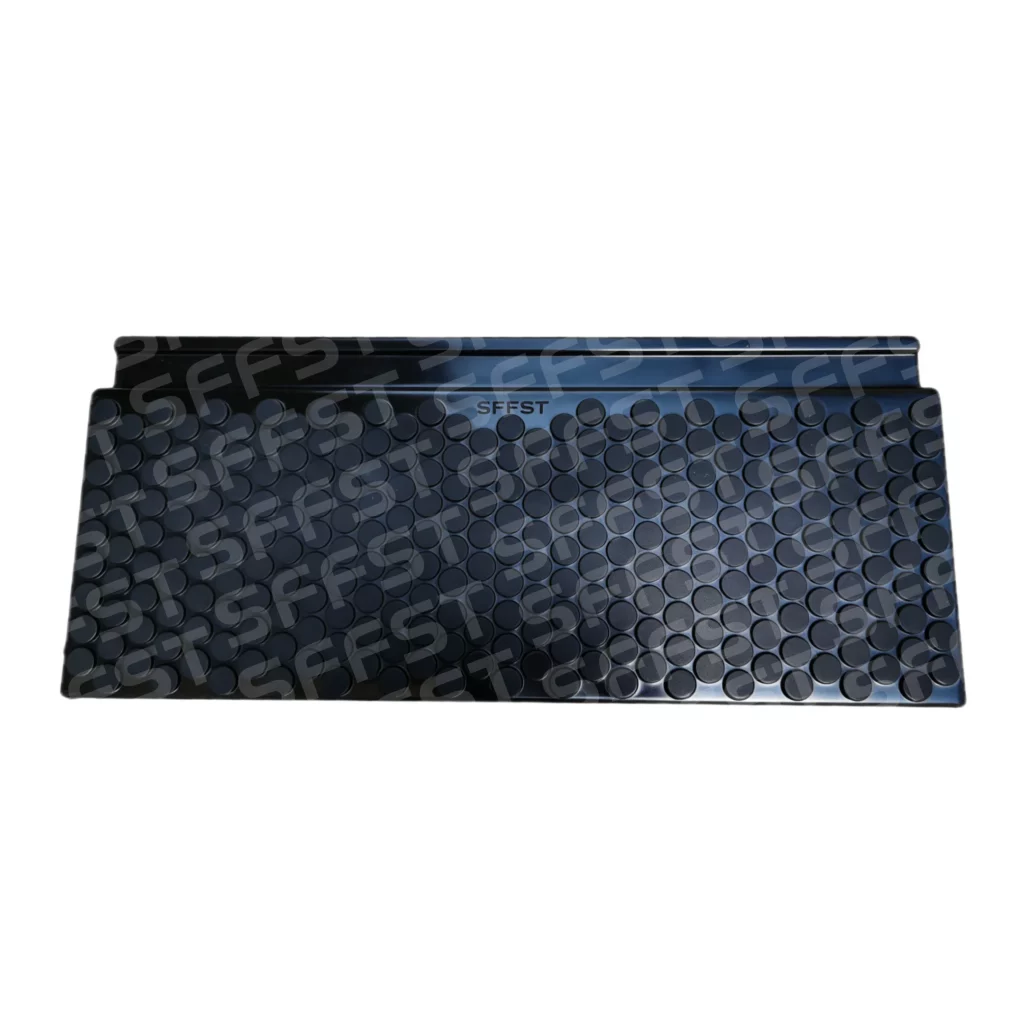
A good crossing must work like a cushion. Our rubber plates have great shockproof and insulation performance. This keeps shaking from moving into the city soil. It also stops signal problems. Plus, our plates have a wheel flange groove. This groove makes sure the train fits well and moves smoothly. It also reduces vehicle impact risk and improves wheel guidance stability.
Tailored Solutions for Different Rail Types
Freight Railway Rubber Crossing Solutions
For tracks used by mines or big factories, the ability to hold weight is the most important thing. SFFST makes very strong rubber crossings for P60Kg rails. These are common on heavy freight lines. We build these plates to resist wear and aging. This means they can take the constant hits from heavy trains without moving or breaking down.
Passenger and Metro Rail Crossings
For passenger and metro lines, people want a smooth and quiet ride. Our railway rubber level crossing works well with P50Kg and P43Kg rails. These are often used in city networks. These systems usually need special sizes to fit concrete sleepers. SFFST offers sets in 1.1 meters, 1.65 meters, and 2.2 meters. This ensures they fit the track shape perfectly.
SFFST Custom Rubber Crossing Solutions
Adapting to Diverse Rail Profiles
No two tracks are the same. We offer custom rubber and plastic services. This means we make plates in many sizes and material mixes. Your project might use wooden sleepers or new concrete ones. Our team can change the plate thickness and where it clips. We lock them onto railway spikes and sleepers to keep the whole system tight.
The EPC+M+O Integration Advantage
With our EPC+M+O total solution model, we do more than just sell a product. We look after the whole life of the crossing. This includes:
- Engineering: We give expert advice and designs that focus on making things quiet and comfortable.
- Procurement: We make the exact railway rubber level crossingyou need. We also provide parts like tension clamps or bolts.
- Construction: We offer help on the job site and train workers to make sure the setup is perfect.
Rubber Crossing Installation Guide and Maintenance
Installation Precision for Long Service Life
We design our plates to be easy to set up. They have a strong grip that keeps them in place. When building, you must make sure the plate lines up with the wheel flange groove. It must also be bolted tight to the sleepers. We offer Installation Management through our EPC+M+O services to watch over this work on-site.
Durability Testing and Maintenance Cycles
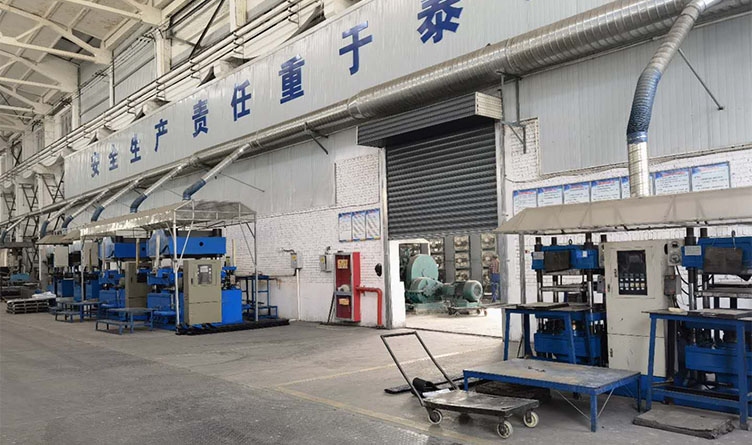
We check our quality at SFFST Labs. We have over 100 sets of high-tech tools there. We use the Drop Hammer Impact Test System and the MTS Servo-Hydraulic Testing System (25T). These tools act like real traffic to see how the plates hold up. After many tests, we raised the life of our products from 150,000 hits to 450,000 cycles. This means an SFFST crossing can stay in good shape for 10 to 15 years with very little work.
Proven Excellence in Global Rail Projects
Case Study: Wuhan-Huangshi Intercity Project
In 2022, SFFST was a main supplier for the Wuhan-Huangshi Intercity Railway Project. We gave high-quality railway rubber level crossing sets to the China Railway 11th Bureau Group. This helped the busy rail hub stay safe and quiet for everyone.
SFFST Impact on Global Infrastructure
We have sent SKL 12 tension clamps to the Morocco Kenitra-Marrakech High-Speed Railway Project. We also made new designs for Chengdu Metro Line 17. We bring our “Fastening Excellence” goal to every place. Our goods have CRCC and TÜV NORD badges. They meet TB and EN rules. This makes us a trusted partner for railway project solutions everywhere.
Conclusion
Picking the best railway rubber level crossing is a smart way to keep a rail line safe and fast. At SFFST, we mix 40 years of work history with the high tech of our SFFST Labs. This helps us make products that do more than expected. When you choose our meridian synthesis rubber and use our EPC+M+O service, you get more than a crossing. You get ten years or more of safe, quiet, and steady use.
Contact SFFST today for a personal talk. Find the best rubber crossing for your next big project.
FAQ
Q: How long do rubber level crossings typically last?
A: Good ones, like the SFFST railway rubber level crossing, are built to last. Tests at our SFFST Labs show they can handle 450,000 cycles. This means they can last 10 to 15 years even with fast trains and lots of cars.
Q: Are rubber crossings suitable for heavy-haul freight railways?
A: Yes. SFFST makes freight railway rubber crossing solutions with meridian synthesis and nylon wires. These materials are strong enough for the heavy weight of mine and factory trains.
Q: Can SFFST customize crossings for specific rail profiles and sleepers?
A: Yes, we can. SFFST is great at SFFST custom rubber crossing solutions. We can fit rails like P43Kg, P50Kg, and P60Kg. We also work with wooden sleepers or concrete sleepers to make sure everything fits right.
Q: What are the main benefits of rubber over concrete crossings?
A: Rubber is better at shockproof performance and insulation performance. The SFFST rubber plates make the ride smoother for cars and cut down on noise. They also stop mud from building up and are easier to keep clean. This saves money in project planning over time.