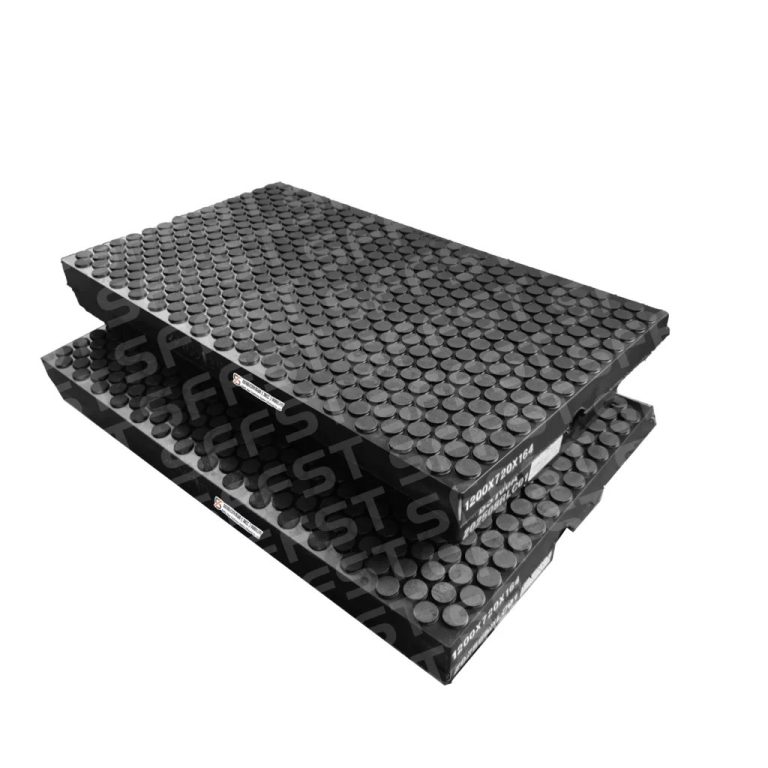
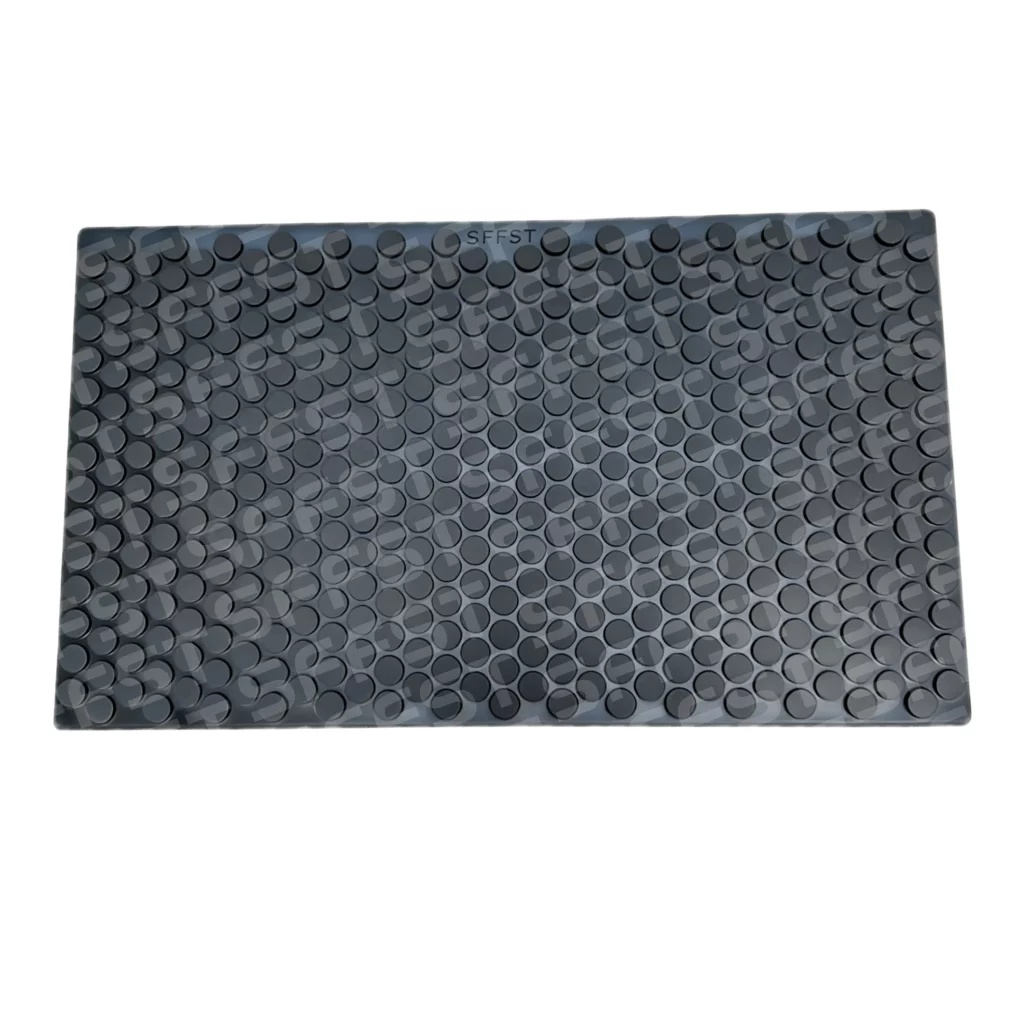
Rubber level crossing panels are flexible rubber blocks placed over railway tracks. They allow cars, walkers, and work trucks to cross safely. At the same time, the rails can still handle normal train traffic. Every panel covers the area right next to the rail. It also provides a dedicated wheel flange groove for passing trains. This creates a smooth and steady pathway. Furthermore, this setup is much easier to check, take out, and swap than older concrete options. Picking the right unit relies on several details. These include the rail profile, the sleeper type, local traffic volume, and site drainage. It also matters how the structure is supported below. SFFST manufactures rubber level crossing panels alongside related track parts. Therefore, buyers can order the top layer, the flangeway, and the track connections as a complete level crossing system.
Why the Crossing Surface Matters
A road-rail interface under repeated load
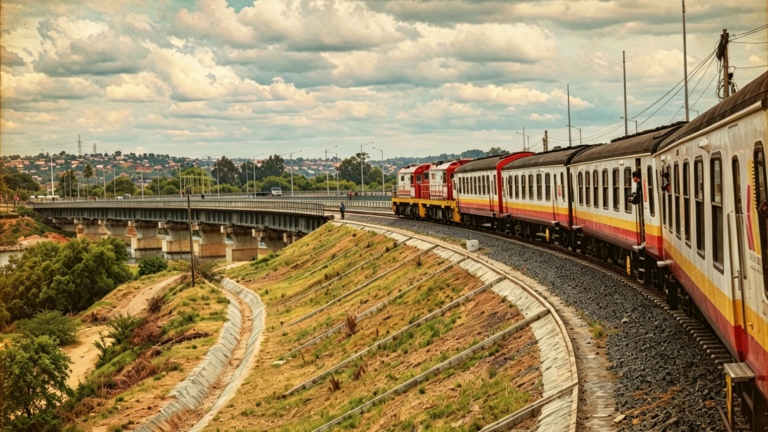
The point where vehicles, railway tracks, and wheels meet is referred to as the level crossing. Any vehicle using the rail line creates stresses on the ground, including downward force, retarding force, and lateral forces. The rigid concrete structure will transfer all the force into the rail head and the flange path. Flexible rubber level crossing panels act as a cushion in the highly stressed region. Thus, the surface will deform rather than crack due to heavy usage of the path, ensuring that the entire track is smooth.
Maintenance in such an area is highly required because of the high activity taking place in the place. The flexible panel makes the process of checking and maintenance easier as it can be easily cut, lifted, and repositioned. Additionally, this will ensure the flangeway is clear.
The wheel flange groove and rail clearance
The wheel flange groove remains the most important part of these structures. This specific channel allows train wheels to roll smoothly along the track. Meanwhile, the street remains unbroken for normal traffic. If this gap gets blocked or loses its shape, the metal flange will scrape against the rail. Consequently, the materials will wear down poorly. The top layer then turns bumpy and dangerous for passing cars.
This gap must perfectly match the rail profile and the sleeper layout underneath. Because of this, choosing the right product always begins with checking the rail section and the sleeper type. Planners look at these factors long before they think about total width or internal metal supports.
How Rubber Level Crossing Panels Work
A resilient, continuous crossing surface
A rubber unit provides a smooth, unbroken pathway. This works much better than laying down separate concrete blocks. The flexible material spreads out heavy wheel loads across the entire section. It also soaks up sudden shocks and stays flat while bending under traffic. Consequently, the crossing shifts naturally compared to a stiff road. It easily keeps a sturdy shape even with hundreds of daily vehicle passes.
Since the block acts as a specific connection point, the whole area functions as one managed system. The metal rail, the flangeway, the street top, and the base underneath all link together. Therefore, changing just one small part will immediately affect the entire crossing.
Reinforcement, recovery, and low permanent deformation
These products face constant squeezing from heavy loads. Thus, their inner framework is just as vital as the outer material. SFFST crossing panels utilize an advanced rubber blend. This mixture often includes nylon, warp, or meridian cords to provide extra toughness. These strong threads prevent the block from staying crushed under heavy trucks. The final result is very low permanent deformation after endless impacts. The structure easily holds its original shape even after years of active service.
The material must also withstand harsh outdoor elements. Good wear resistance, aging protection, and reliable electrical insulation are absolute musts. The block rests very close to sensitive track circuits. It constantly handles rough scraping from passing tires and loose dirt. Furthermore, it stays exposed to rain and sun for its entire working lifespan.
SFFST Rubber Level Crossing Panels
Rail, sleeper, and length compatibility
SFFST rubber level crossing panels are designed specially for P43, P50, and P60 rail profiles. They function perfectly with wooden ties as well as concrete sleepers. The standard length measures exactly 1.1 linear meters per set. However, 1.65 and 2.2 linear meter options are also available. These larger sizes are built for wider roads and unique track designs. Such variety offers helpful choices to fit the real crossing width and support spacing. It is much better than relying on one rigid size.
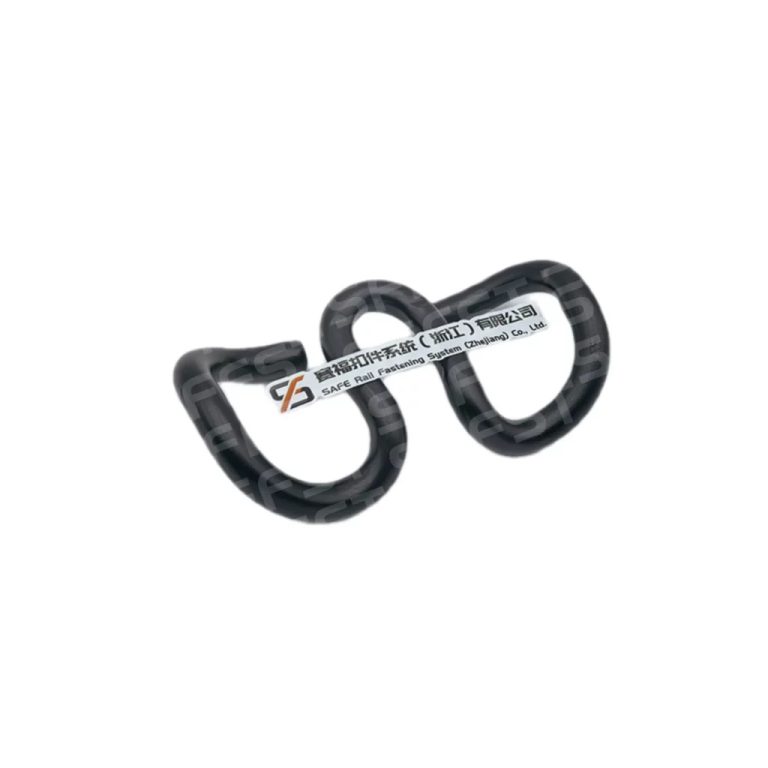
The flange groove and the base connections are carefully matched to that specific rail profile. Because of this, the block easily fits into the current fastening setup. It does this without messing up the track geometry. Sometimes, the pathway belongs to a larger fastening or level crossing project. In those cases, buyers choose the block alongside the necessary clips and the flangeway component.
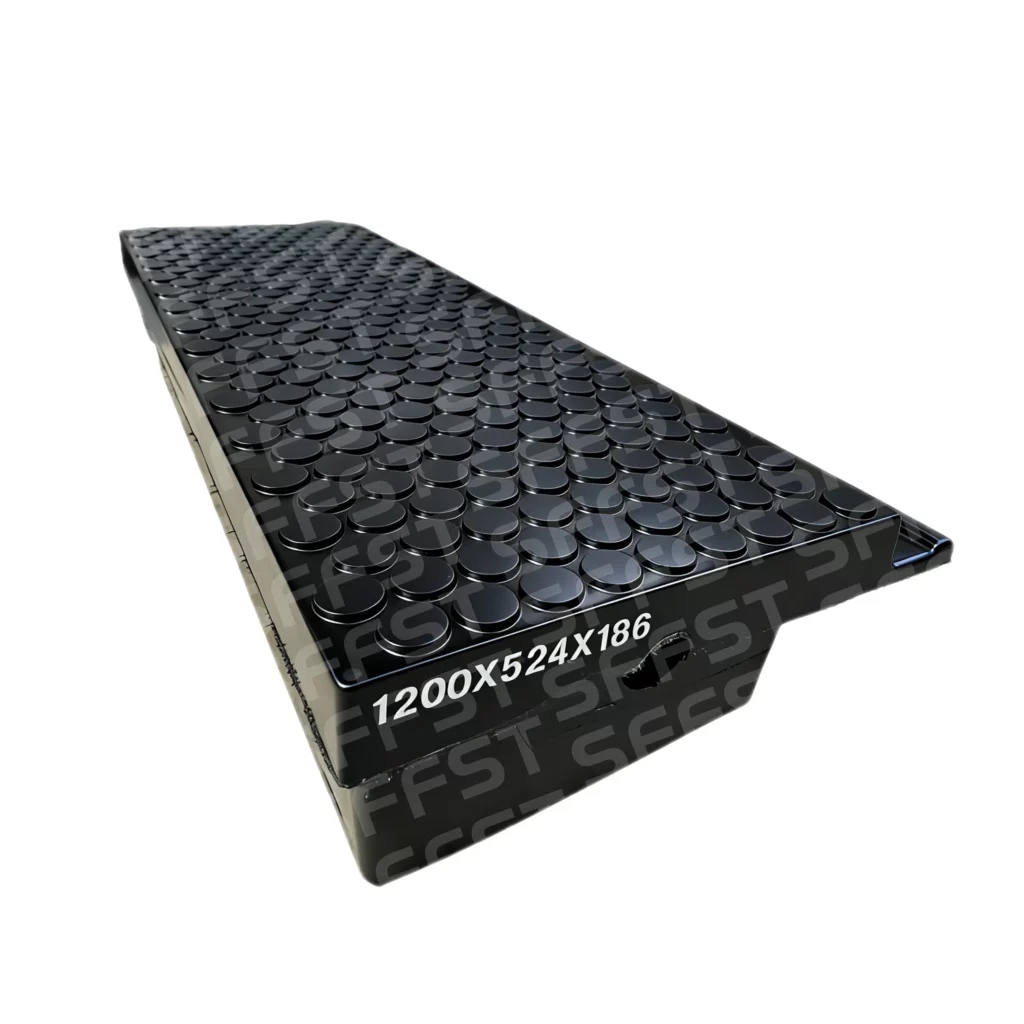
Pedestrian access and the walking board
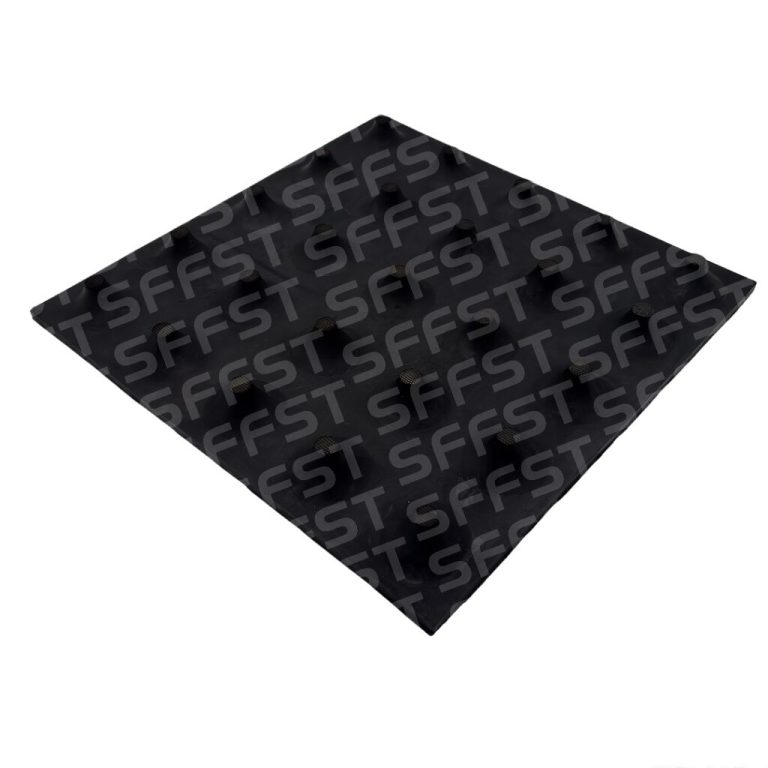
If the pathway is primarily used by pedestrians, then the SFFST provides a rubber pedestrian walking board. This is a special rubber element, designed specifically for the walking area. It helps to ensure that the wheel flange groove stays completely clear. On the other hand, it creates an excellent, bouncy surface for pedestrians. In those places where there are few vehicles, this item can be considered an ideal complement to the major crossing panel.
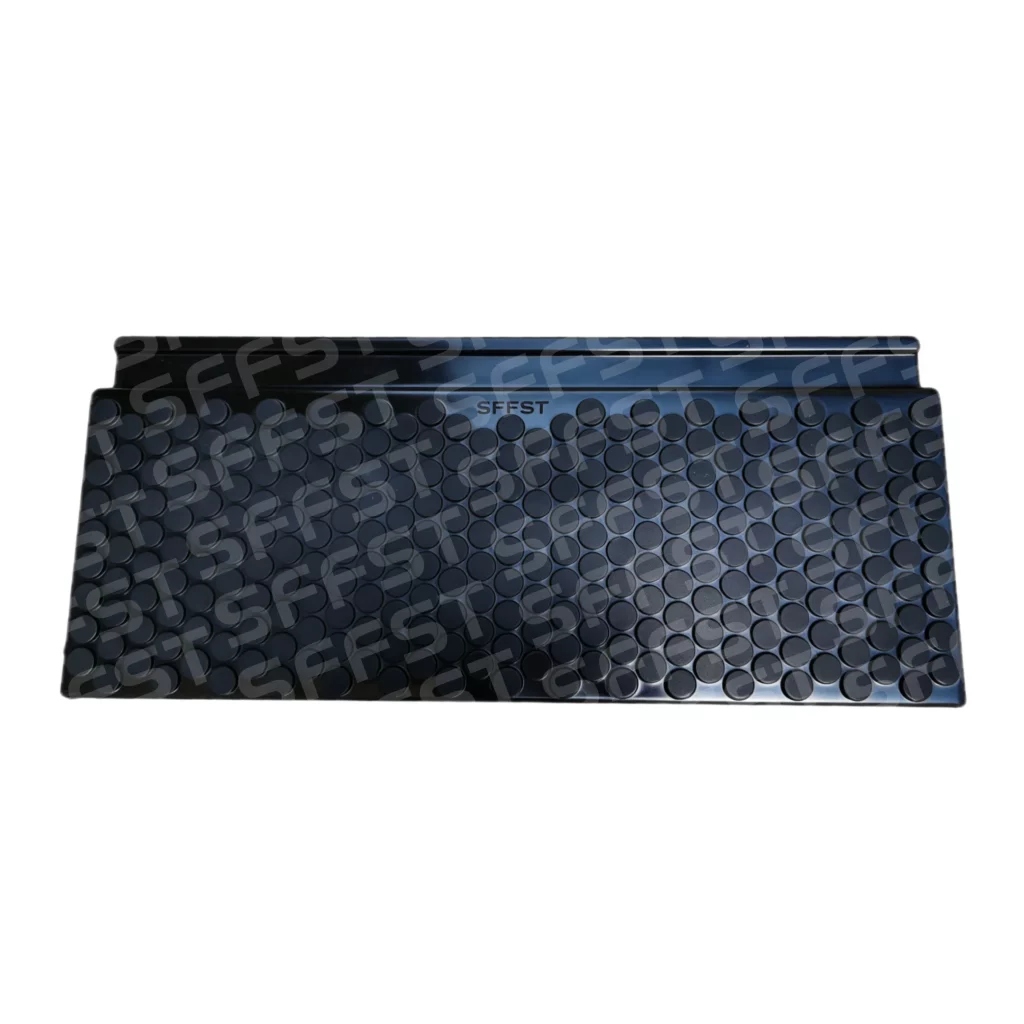
Both these elements are manufactured on the modern rubber manufacturing line SFFST. The factory uses batching, fast mixing, and vulcanization procedures to guarantee that both the raw compound and the vulcanization process remain extremely uniform in each individual case. Moreover, engineers conduct simulations of service life and cycling to prove the product’s reliability for many years.
Choosing the Right Panel for the Crossing
Match the panel to the crossing layout
The very first step involves checking size compatibility. The rail profile, the sleeper type, the total width, the flange groove, and the unit length must all match the real track blueprints. A block that is too short for the road will cause major issues. Similarly, one that blocks the flangeway will break down before anything else.
The next important detail is the overall fit. The inside edge of the block must maintain a clear, steady path for train wheels. Meanwhile, the outside edge needs to meet the street without any sudden bumps. True dimensional stability, smooth resting points, and strong resistance to local deformation are the most helpful traits. Buyers should look at these factors instead of just outward appearance.
Review drainage, maintenance, and access
Local traffic levels determine how much squeezing, hitting, and scraping the product will endure. Planners must think about heavy truck flows, damp soil, and wild temperature swings. They should also consider exposure to leaked oils and random trash. The block has to remain sturdy and electrically safe through all these harsh conditions. When the site sits near a track circuit, the insulation needs must strictly follow the railway signalling design.
Finally, teams should map out their future upkeep plans. A flexible unit can be trimmed right on the job site. It can be easily lifted for fast checks. Workers can also swap it out without moving the nearby rails. This keeps the whole area open for use. It also makes standard chores much easier than dealing with glued concrete layers.
Conclusion
A rubber level crossing panel represents much more than a simple top layer. It acts as the vital bridge where streets and tracks must work together under heavy strain. The best crossings stay flat, quiet, and easy to manage. These successful spots happen when builders pick the right block for the rail profile, the sleeper, the flangeway, and local traffic. The product is then carefully built and tested to keep its shape for decades.
SFFST creates rubber level crossing panels and related crossing components specifically for this smart approach. If you need a unit perfectly matched to your rail, sleeper, and site layout, you should explore the SFFST level crossing systems.
FAQ
Q: What are rubber level crossing panels used for?
A: Rubber level crossing panels create a smooth, flexible pathway over railway tracks. This helps normal cars, walkers, and service trucks cross safely. They successfully keep the wheel flange groove open for passing trains. Furthermore, they provide a steady ground that is much easier to check and swap out than rigid concrete. Buyers select them based on the specific rail profile, sleeper type, and total crossing width. Local traffic volume and site drainage also play a big role.
Q: Which rail and sleeper types can SFFST crossing panels fit?
A: SFFST rubber level crossing panels are crafted directly for P43, P50, and P60 rail profiles. They function very well with both wooden ties and concrete sleepers. The standard length measures exactly 1.1 linear meters per set. However, buyers can also get 1.65 and 2.2 linear meter options. The final setup is always verified against the official project drawing. This includes checking the crossing width, the flange groove, and the required support spacing.
Q: How does the panel keep the wheel flange path clear?
A: The product features a special wheel flange groove matched perfectly to the rail profile. Because of this, the train wheel glides safely down the track. At the exact same time, the street remains unbroken for cars on both sides. Keeping this gap open and uniform stops bad flange scraping. It also prevents uneven damage and a bumpy driving experience. Therefore, it is always one of the first details checked during early planning and routine maintenance.