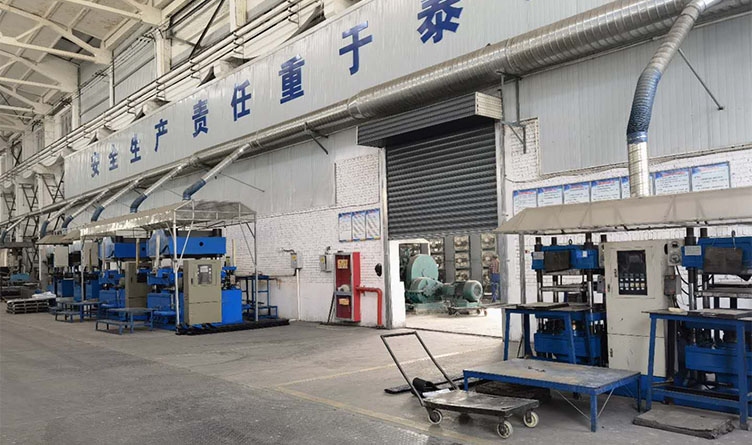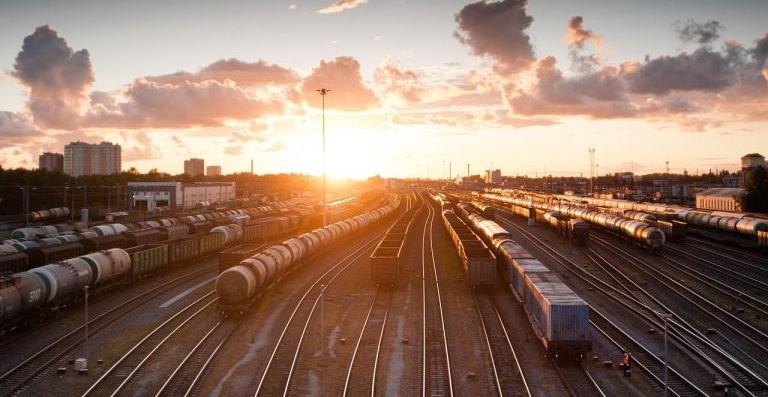
With the expansion of urban rail and metro networks, noise and vibration control at railway level crossings has become a critical engineering requirement in densely populated areas. However, as tracks weave closer to residential centers, the challenges of noise pollution and ground-borne vibrations have moved to the forefront of infrastructure design. We at SFFST, a leading manufacturer with over 40 years of expertise in the rail fastener industry, recognize that a successful urban rail system must balance efficiency with community well-being. Our Railway Rubber Level Crossing—also known as the Railroad Rubber Crossing Plate—is engineered to address these exact pain points. By utilizing advanced material science and automated production, we provide solutions that not only bridge physical gaps but also significantly enhance passenger comfort, facilitate noise reduction, and improve vibration control performance. In this article, we will share how our specialized rubber products transform the urban rail experience for passengers and residents alike.
Challenges in Modern Urban Rail Transit
Rising Urban Noise Complaints
As cities become denser, rail lines often pass in close proximity to residential and commercial buildings and offices, leading to frequent complaints about the “clatter” of traditional crossings. High-speed and metro systems generate significant impact noise at level crossings, which can disrupt local environments if not properly managed.
Impact of Rail Vibrations
Ground-borne vibrations from heavy-haul or high-frequency transit can travel through the soil, potentially affecting the structural integrity of nearby buildings and causing discomfort to occupants. Without effective dampening, these waves propagate far beyond the immediate track area.
Frequent Maintenance of Traditional Crossings
Traditional pavement materials like concrete or timber often struggle with the ballast instability and trackbed settlement issues. This leads to uneven surfaces, increasing both maintenance costs and the risk of traffic accidents for crossing vehicles.
Mechanics of Vibration Control Railway Track System
Energy Absorption of Rubber Panels
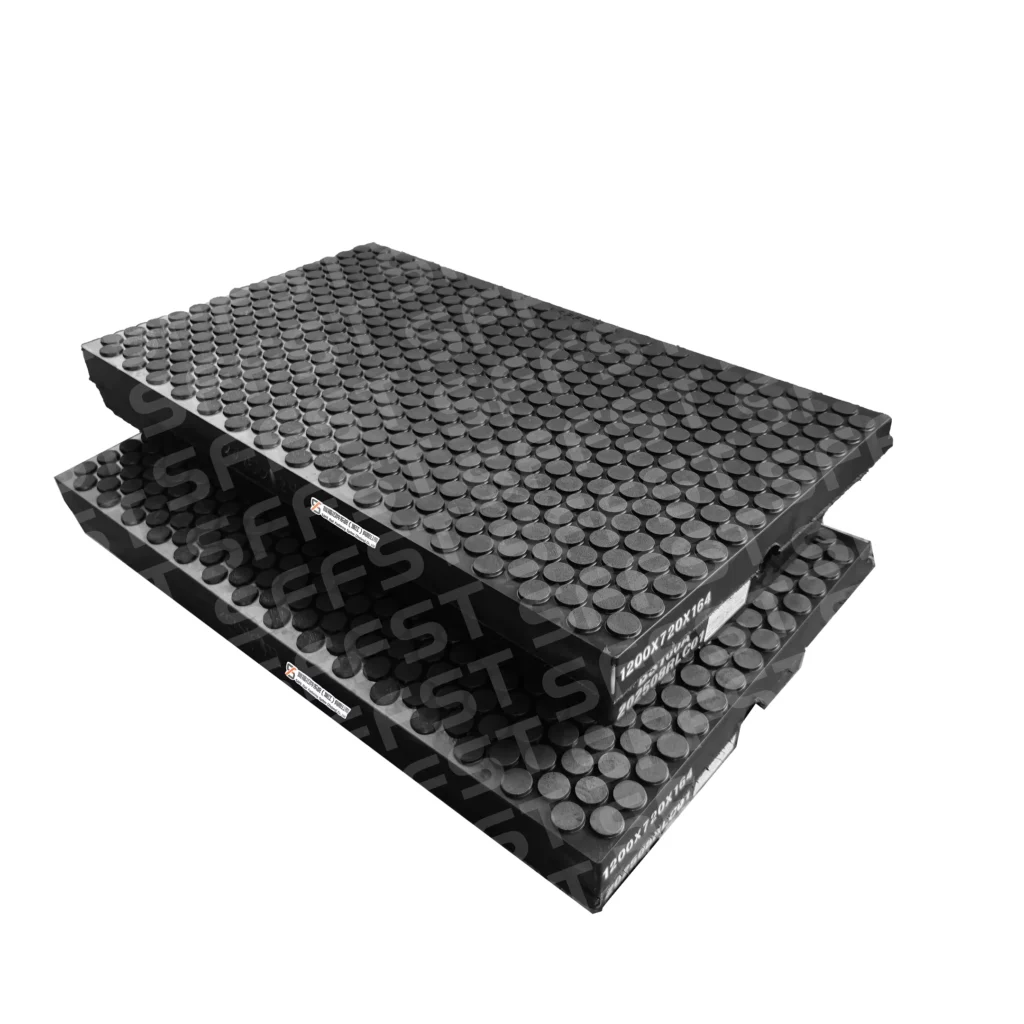
Our Railway Rubber Level Crossing panels are designed with a high-strength, elastic rubber carcass that acts as an elastic damping material that absorbs and dissipates impact energy. When a train passes, the rubber deforms slightly to dissipate the kinetic energy, preventing it from being transmitted directly into the substructure.
Protecting Surrounding Building Structures
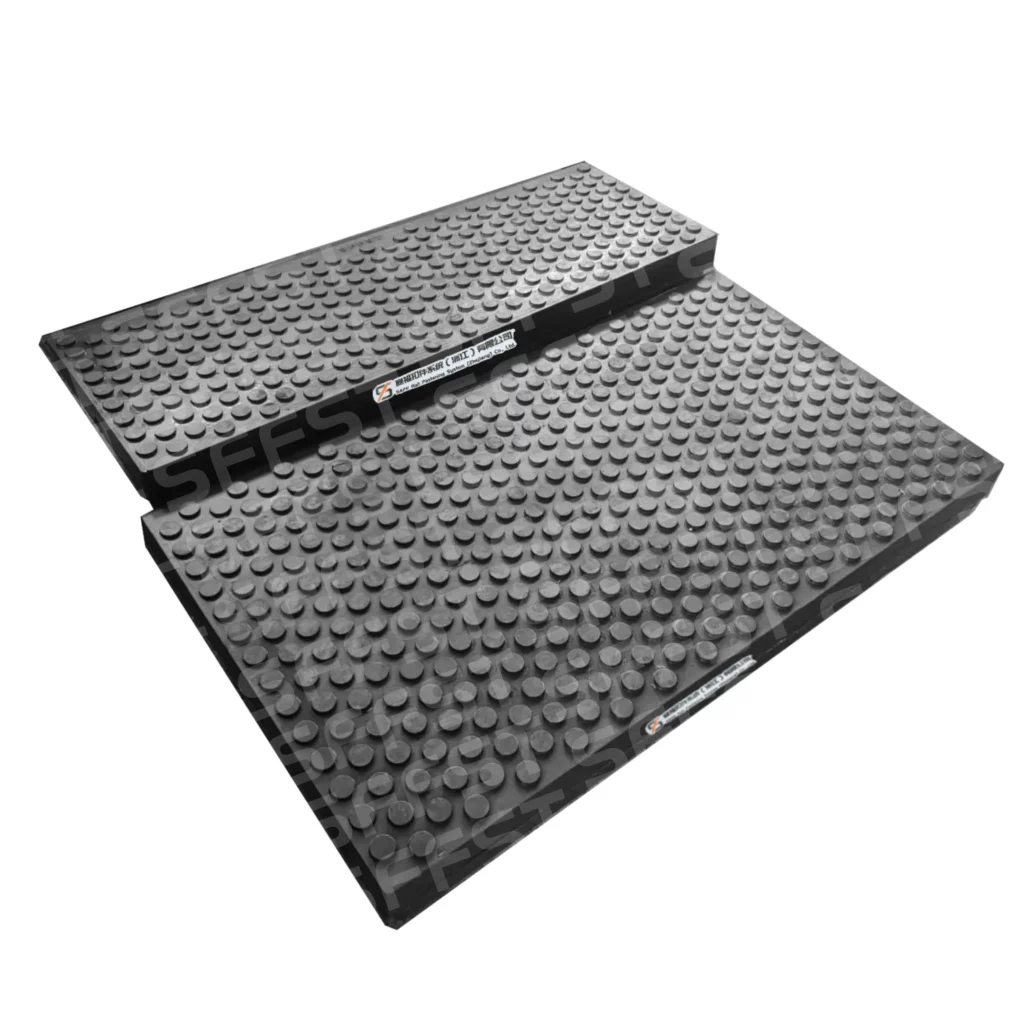
The superior shockproof performance of SFFST rubber solutions helps reduce ground-borne vibration transmission and improves structural safety in sensitive urban environments. This is particularly critical in historical urban areas where building foundations may be more sensitive to repetitive seismic-like loads.
Strategies for Effective Urban Rail Noise Reduction
Dampening Impact Noise at Crossings
The interaction between steel wheels and track joints at a crossing typically creates a loud “thump”. Our Railway Rubber Level Crossing features a specialized wheel flange groove and a seamless fit that minimizes these impact sounds, resulting in a much quieter transition.
Creating Quieter Residential Environments
At SFFST, our focus on “Fastening Excellence” includes designing systems specifically for noise emission reduction. A quieter crossing environment not only meets environmental standards but also fosters better relationships between transit authorities and the local community.

Improving Passenger Comfort in Urban Rail
Seamless Transitions for Crossing Vehicles
It isn’t just the train passengers who benefit; drivers and pedestrians crossing the tracks experience a smoother ride. The anti-slip, flat surface of our Railway Rubber Level Crossing eliminates the jarring sensations typical of uneven concrete crossings.
Enhancing Train Ride Comfort Solutions
Passenger comfort inside the cabin is directly tied to the elasticity of the track bed. Our Rail Pad and other non-metal parts like the Rubber Boot provide the necessary “give” to ensure a steady, comfortable journey for commuters.
Performance Features of SFFST Solutions
High-Strength and Aging Resistance
We use a brand-new formula that incorporates nylon wires or meridian synthesis to ensure our rubber products can withstand the toughest environmental conditions. This makes our Railway Rubber Level Crossing highly resistant to wear, aging, and deformation.
Durability for High-Traffic Urban Areas
Through rigorous simulation testing in our laboratory, we have significantly extends service life, validated through laboratory fatigue testing and field performance simulations.
Sustainable Low-Noise Railway Crossing Solutions
Eco-Friendly Manufacturing Processes
Sustainability is at the core of our operations; we strictly follow ISO 14001 environmental management standards. Our Rubber Products Production lines utilize automatic batching and mixing to minimize waste and energy consumption.
Long-Term Reduction in Maintenance Costs
Investing in a high-quality SFFST rubber crossing reduces the frequency of maintenance cycles. The durability of our Railroad Rubber Crossing Plate means fewer replacements and less downtime, providing significant economic benefits over the track’s lifecycle.
Safety Benefits for Modern Cities
Our crossings are designed with strong integrity, securely attached to railway spikes and sleepers. This stability, combined with excellent insulation and sealing properties, prevents water ingress and ensures the safety of all crossing users.
Conclusion
The integration of a high-performance rubber railway crossing is increasingly considered an essential component; it is an essential requirement for the success of modern urban rail systems. Through our commitment to “Fastening Excellence, Entire Solution,” we at SFFST provide the industry with the solutions for reducing noise and vibration in urban rail systems of noise and vibration. By choosing our Railway Rubber Level Crossing and associated components like the Resilient Tie Pad, transit authorities can guarantee a higher level of passenger comfort while simultaneously protecting the urban environment. Our comprehensive EPC+M+O model ensures that we are with you every step of the way—from design and procurement to long-term operation.
Contact SFFST today to discover how our customized Railway Rubber Level Crossing solutions can elevate your next urban rail project.
FAQ
Q: How do rubber railway crossings reduce train vibration?
A: Rubber acts as a dampening material with high elasticity. When a train passes, the SFFST Railway Rubber Level Crossing and accompanying Resilient Tie Pad absorb the kinetic energy and impact forces, preventing the vibration waves from traveling through the trackbed into the surrounding ground and building structures.
Q: Can railway crossing rubber panels effectively lower noise levels?
A: Yes. The specialized rubber formula in our Railroad Rubber Crossing Plate dampens the “impact noise” created when wheels strike the crossing area. By providing a smoother, more uniform surface than traditional concrete, it eliminates the clatter and squeal that typically lead to urban noise complaints.
Q: How do these crossings improve passenger and driver comfort?
A: For passengers on the train, the dampening effect leads to a steadier ride with less cabin noise. For drivers and pedestrians, the Railway Rubber Level Crossing provides a flat, anti-slip surface that removes the jarring “bump” found at traditional crossings, ensuring a seamless and safe transition across the tracks.
Q: Are SFFST rubber products compatible with different rail types?
A: Absolutely. Our Railway Rubber Level Crossing is highly customizable and can be adapted to various rail specifications such as P43Kg, P50Kg, and P60Kg, as well as different sleeper types including wooden and concrete sleepers.