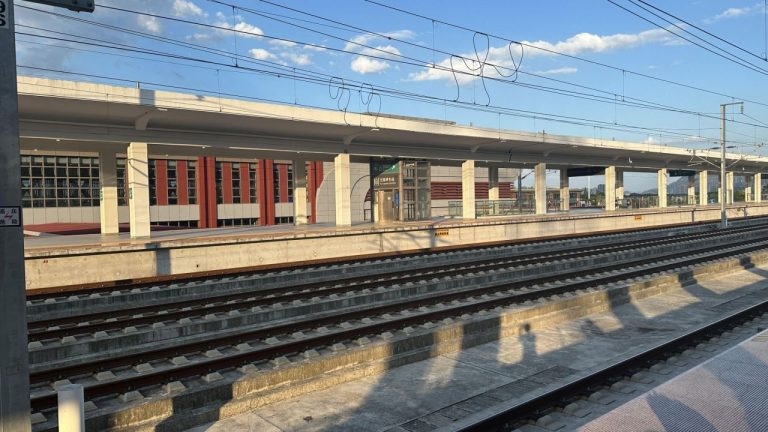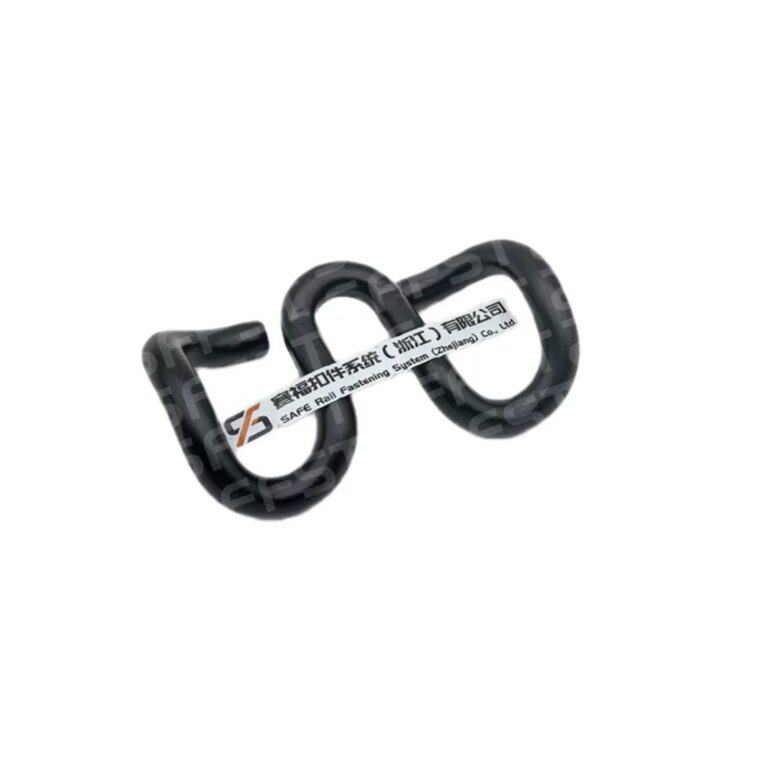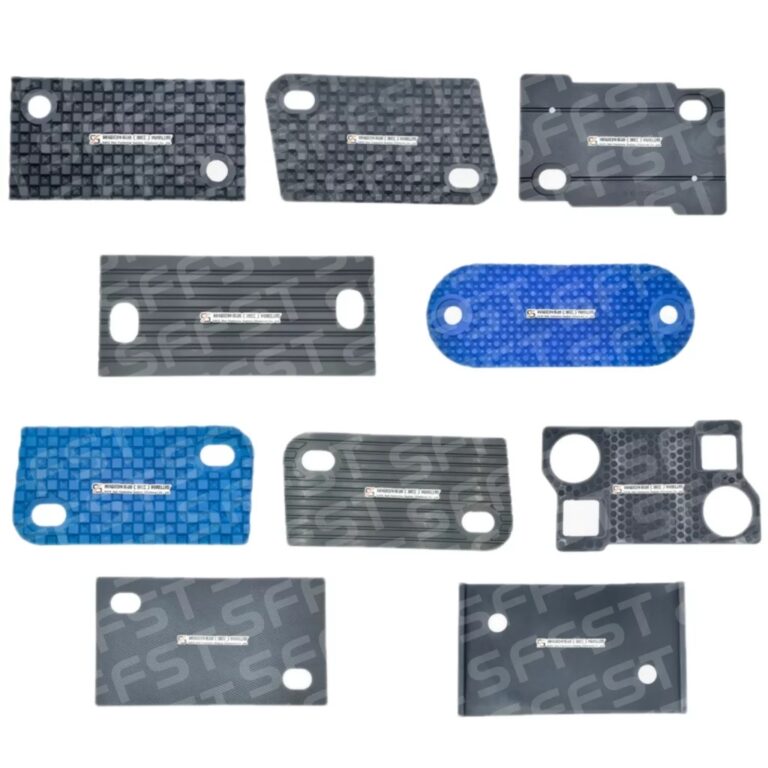
A Track Vibration Isolation System reduces railway noise and vibration by installing elastic components at different positions within the track structure. Rail pads and baseplate pads are installed within the fastening system. Under sleeper pads provide elastic support beneath sleepers, improving load distribution and reducing ballast stress. Meanwhile, slab track mats or under ballast mats help isolate larger parts of the track. เอสเอฟเอสที provides customized elastic components based on different railway applications, fastening systems, and performance requirements. Product selection considers fatigue requirements, operating conditions, and maintenance environments. This ensures that noise control is a complete strategy rather than just picking a single product.
Vibration from rails is more than just a comfort problem. It can damage nearby buildings, station zones, bridges, and tunnels. It also wears down fasteners and ballast over time. Using a system-wide method helps engineers find where to add flexibility. They can decide how much movement is safe and which rubber part should handle the load.
Why a Track Vibration Isolation System Matters
Where Rail Vibration Comes From
Rail vibration is mainly generated by wheel-rail interaction, dynamic wheel loads, and track irregularities. If the connection is too stiff, it transmits vibration energy into surrounding structures and the ground, causing ground-borne vibration. However, if the connection is too soft, it causes too much movement. This leads to faster wear and unstable track geometry.
The goal of a Track Vibration Isolation System is to achieve an optimized balance between stiffness, stability, and vibration attenuation. It must absorb dynamic loads and reduce vibration transmission. This balance is vital for city rail lines, high-speed tracks, and heavy-haul routes. Each of these environments has very different operating demands.
Why One Rubber Component Is Not Enough
A single rail pad cannot address all vibration and noise control requirements. This is because different products work at different depths. Rail pads are installed between the rail and sleeper or baseplate to provide elasticity, insulation, load distribution, and vibration damping. Under sleeper pads and larger mats deal with vibrations that travel deeper into the structure.
SFFST offers a wide range of railway rubber products for every layer of the track. This range allows engineers to identify vibration transmission paths and select suitable components. After that, they can select the appropriate component and performance goal.
Core Rubber Components in the System
แผ่นรองรางและแผ่นรองฐาน
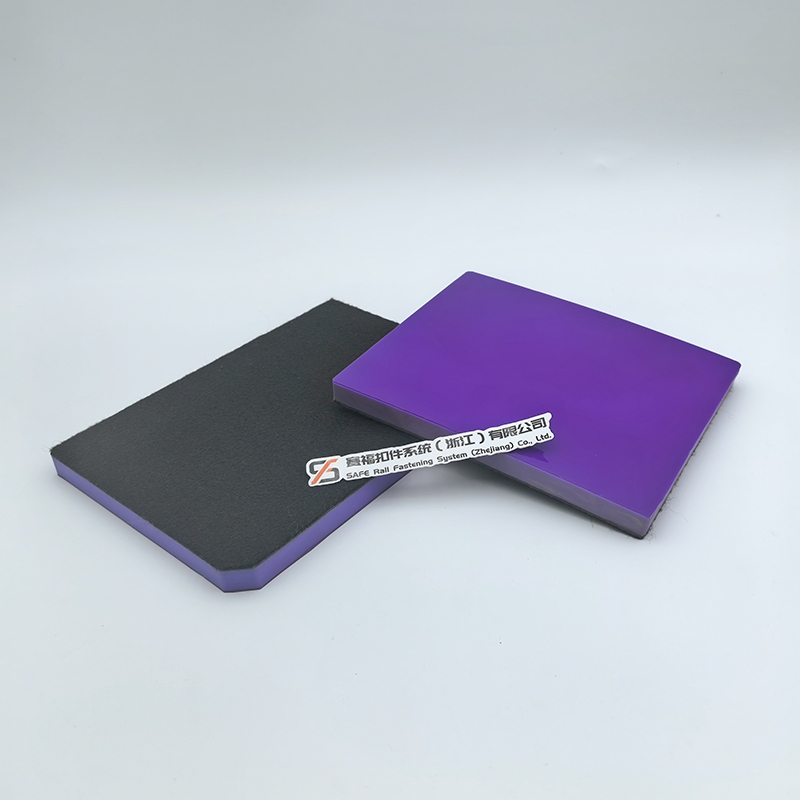
Rail pads sit between the steel rail and its support. They cushion vertical forces and protect the surfaces from rubbing. Baseplate pads provide elastic support between the rail baseplate and sleeper, reducing impact transmission and improving load distribution. Together, these items control vibration while keeping the rail clamped tightly in place.
SFFST provides many items, such as rail pads, baseplate pads, and resilient tie pads. We also supply rubber pads, height adjustment pads, and insulation buffer pads. These are essential when you need to manage stiffness, fatigue, and consistent performance all at once.
Under Sleeper Pads and Structural Mats
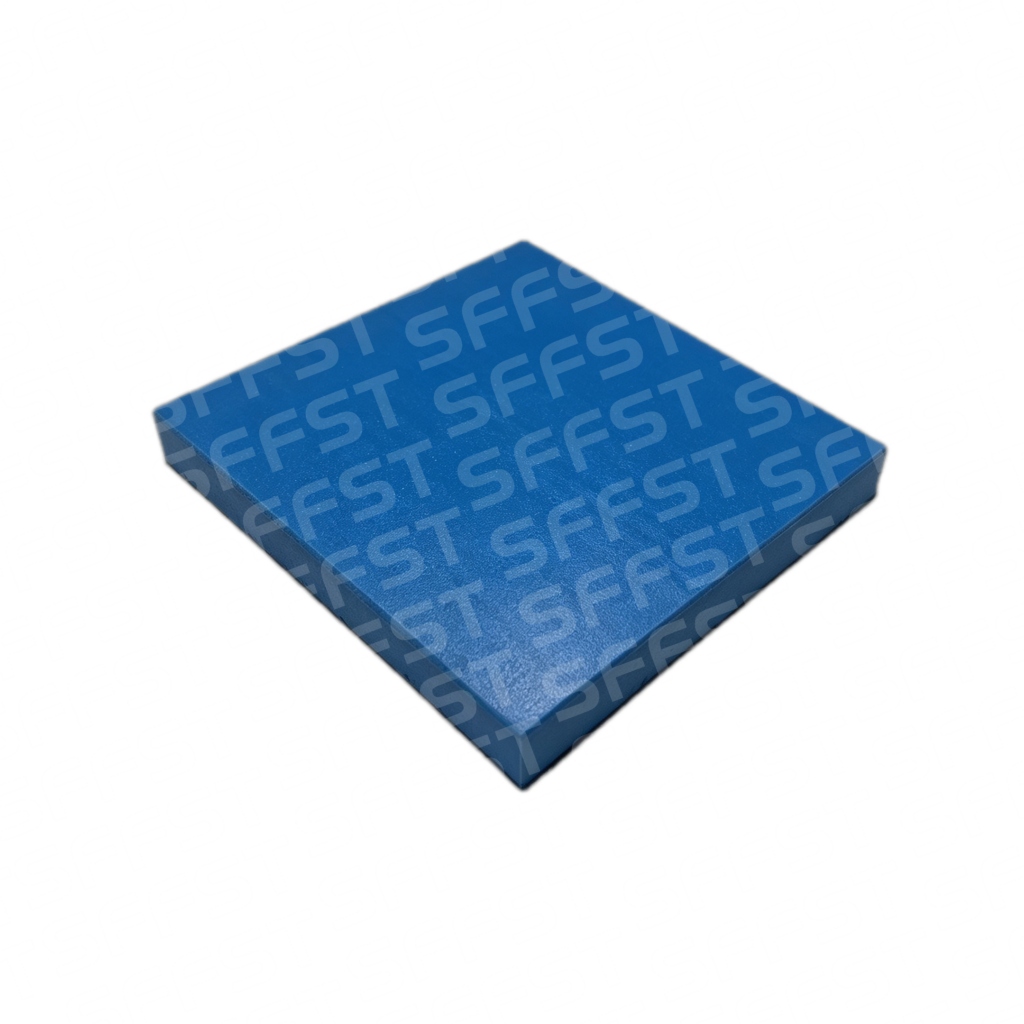
Under sleeper pads are fixed to the bottom of sleepers. They improve load distribution between sleepers and ballast while reducing ballast stress and vibration transmission. Engineers use them to lower ballast stress and keep track support even. Their success depends on the material quality and how well they are installed.
เอสlab track mats and under ballast mats work on a larger scale. They do not just change the rail seat; they isolate the entire track bed. This makes them a top choice for metro lines and bridges. They are perfect for spots where you must reduce vibration transmission from reaching the surrounding neighborhood.
Matching Products to Rail Applications
Urban Metro and Station Areas
City metro lines need high-quality noise control because they run near homes and offices. In these areas, the focus is on passenger comfort and stopping secondary noise. Rail pads manage the local rail seat, while slab track mats provide broad protection for the whole tunnel or station.
SFFST helps build metro tracks that significantly lower vibration. Our selection process starts by looking at the vibration path. We check everything from the sleeper and ballast to the sensitivity of nearby buildings to ensure the right fit.
High-Speed, Conventional and Heavy-Haul Lines
High-speed lines need very stable stiffness and perfect geometry. For standard railways, easy maintenance is usually the priority. Heavy-haul lines are different; they need parts that can survive massive, repeated loads while maintaining long-term mechanical performance.
A rubber part might have the same name, but its job changes depending on the track. A pad for high-speed railway applications is designed differently from one used in heavy-haul freight lines. SFFST matches the specific product to the actual working conditions of the railway.
Technical Factors Engineers Should Compare
Static Stiffness and Dynamic Stiffness
Static stiffness shows how a part reacts to a steady weight. Dynamic stiffness shows how it acts under fast vibrations. Both are important. A track part must hold the rail up while still absorbing energy. If the stiffness is wrong, the track will either shake too much or move in ways that are not safe.
Fatigue, Aging and Insulation Performance
Railway parts face constant pressure, changing weather, and shifting temperatures. Fatigue testing shows if a part will stay elastic over many years. Aging tests are also vital because rubber can get hard or brittle over time if it is not made correctly.
Electrical insulation is another key factor for fastening systems. Height adjustment pads and insulation buffer pads help keep the track in the right position while protecting electrical signals. These small details ensure long-term system reliability.
How SFFST Supports Vibration and Noise Mitigation
การควบคุมการผลิตสำหรับชิ้นส่วนยาง
A good isolation system needs consistent materials. SFFST uses automated pouring for resilient tie pads, rubber pads, and rail pads. This high-tech production ensures that every part we make meets the same high standard for the railway industry.
The real benefit of SFFST production lines is the steady quality. For vibration parts, this means the thickness and stiffness stay the same in every batch. This makes the track’s behavior much more predictable once the parts are installed.
Laboratory Testing and Application Matching
The SFFST lab uses advanced tools like the MTS Servo-Hydraulic Testing System (25T) and a 100T rail clip fatigue machine. We conduct mechanical performance tests, fatigue tests, aging resistance tests, and fastening system verification to evaluate product durability. These tests prove that our products can handle real-world rail conditions.
บทสรุป
Track Vibration Isolation Systems work best when every rubber part is chosen for its specific role. Rail pads and baseplate pads optimize fastening stiffness and reduce vibration transmission at the rail-seat interface. Under sleeper pads improve the ballast connection. Slab track mats reduce vibration transmission between the track structure and surrounding environment. SFFST combines these products with expert manufacturing and rigorous testing.
For railway projects located in vibration-sensitive environments, SFFST offers solutions that cover the entire track structure from top to bottom.
คำถามที่พบบ่อย
Q: What is a Track Vibration Isolation System?
A: It is an integrated combination of elastic railway components designed to reduce vibration transmission, structure-borne noise, and dynamic impact loads in railway tracks. It often includes rail pads, baseplate pads, and various mats.
Q: When are under sleeper pads or mats necessary?
A: You should use them when you need to protect the ballast or reduce vibration transmission from reaching nearby buildings and tunnels, especially in busy city areas.
Q: What technical details are most important?
A: You should look at static and dynamic stiffness, how the material ages, and its fatigue life. It is also important to check if the parts fit your specific fastening system and track type.